

Comprehensive Vision Assessment
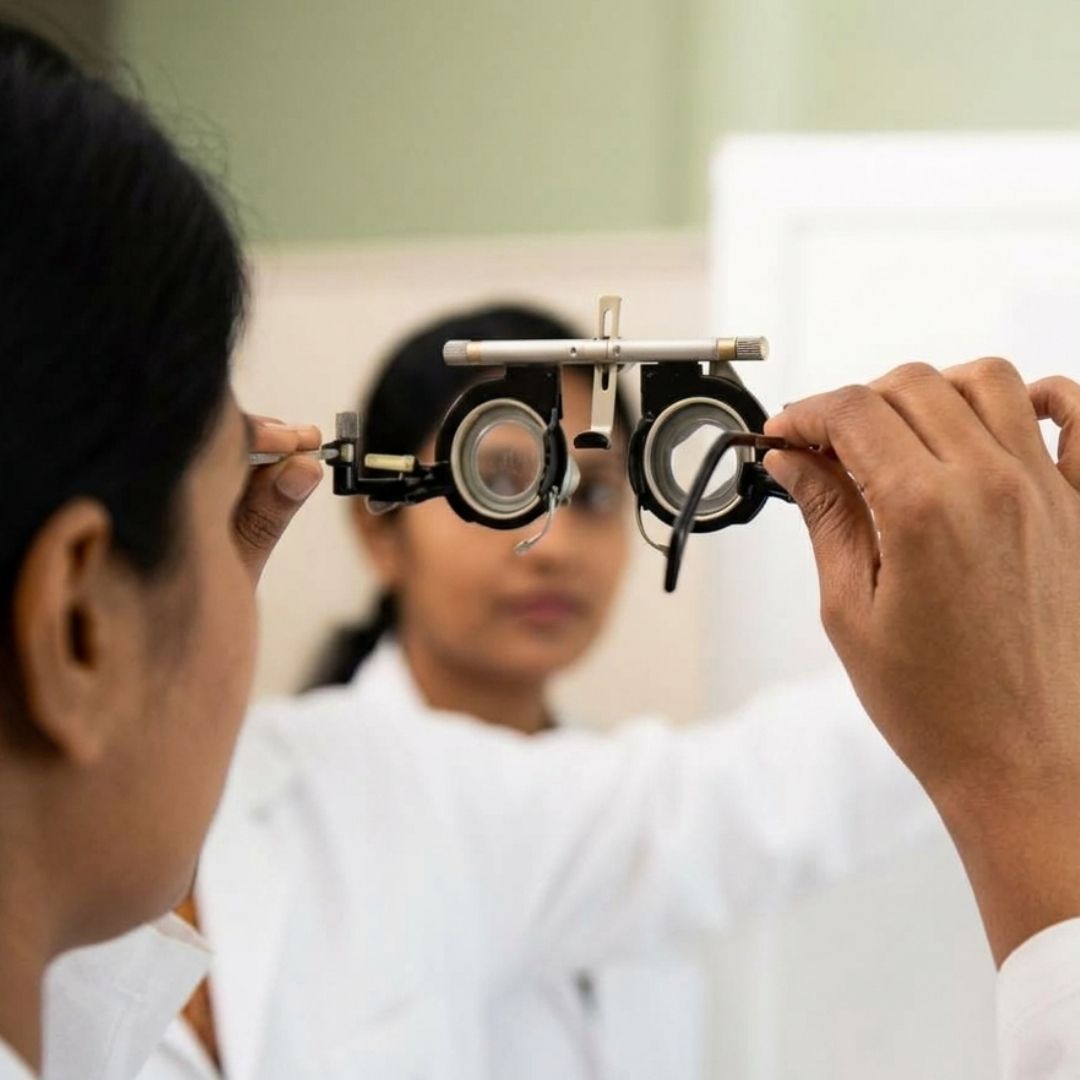
Detailed refraction and eye measurements help determine myopia severity and identify changes in prescription.
Personalised eye examinations, effective vision correction and specialised approaches to help manage progressive myopia.
Book Myopia Consultation↗
Surya Eye's Mulund West centre offers convenient access to specialised myopia assessment and treatment for patients from Thane.
Detailed refraction and eye measurements help determine myopia severity and identify changes in prescription.
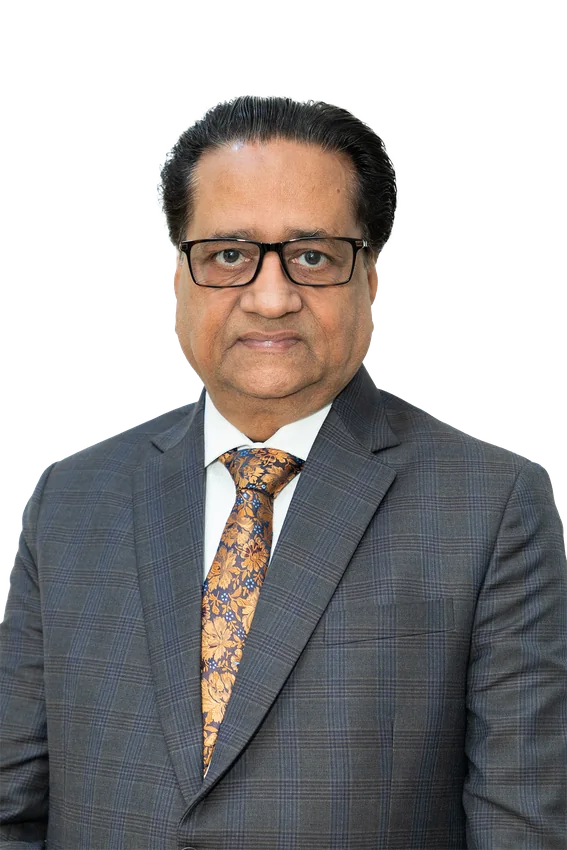
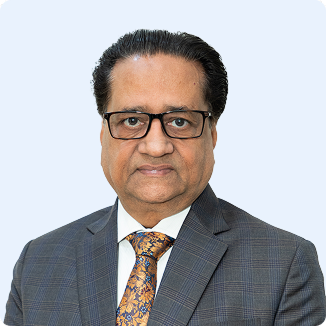
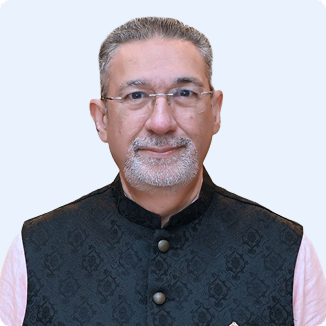
 Dr. Vinod Goyal

Access to different ophthalmic specialties supports the management of myopia and associated eye conditions.
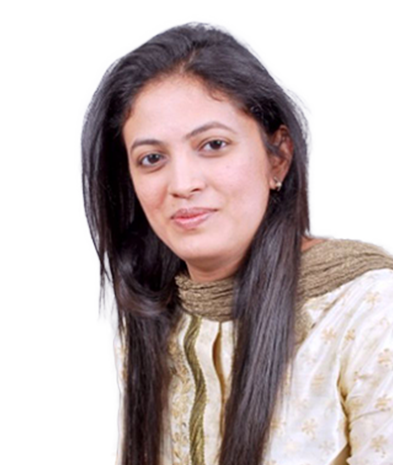
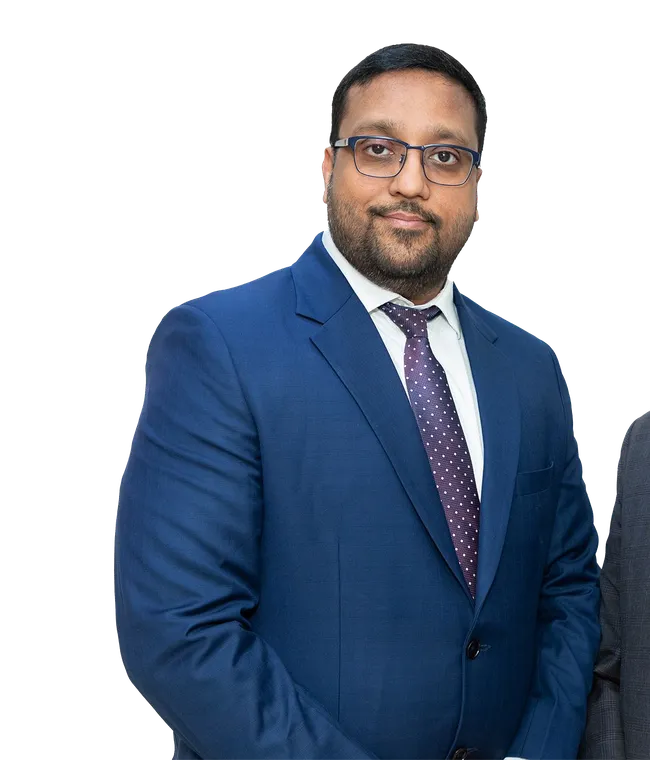 Dr. Jay Goyal

Dr. Vinod Goyal and Dr. Jay Goyal continue a longstanding legacy of specialised ophthalmic care.

Periodic evaluations help track changes in spectacle power and eye growth over time.
Age-appropriate management strategies aim to slow worsening nearsightedness in eligible children.
UNDERSTANDING MYOPIA
Myopia, commonly known as short-sightedness, is a vision condition that makes faraway objects appear blurred while nearby objects usually remain clear.
It occurs when the eye focuses light in front of the retina rather than directly on it. This is commonly associated with excessive eyeball length or increased corneal curvature.
Myopia often develops during childhood and may progress through the teenage years. Timely assessment helps correct vision and identify children who may benefit from treatments intended to slow progression.
UNDERSTANDING THE RISK FACTORS
Genetic and environmental factors contribute to myopia, making early detection and regular monitoring important.
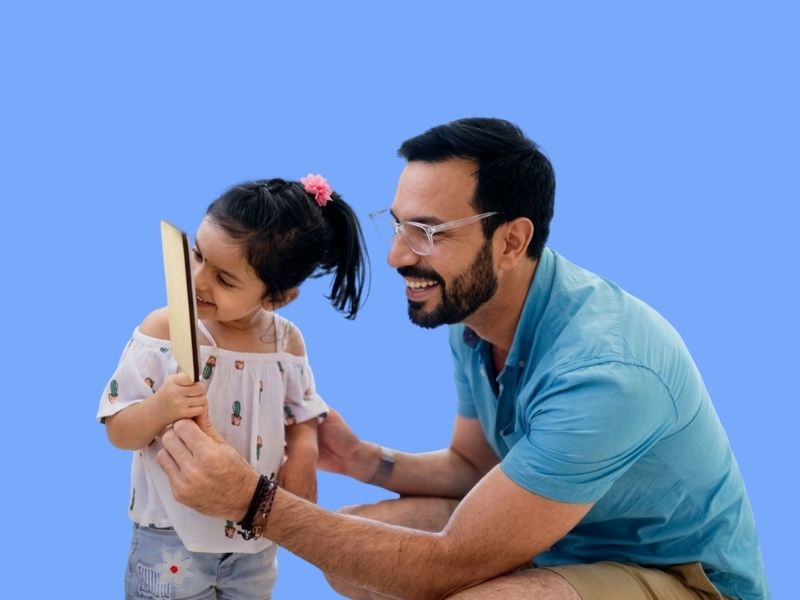
Having one or both parents with myopia increases a child's likelihood of developing nearsightedness.

Extended periods of reading, studying and other near-vision activities may contribute to myopia risk.
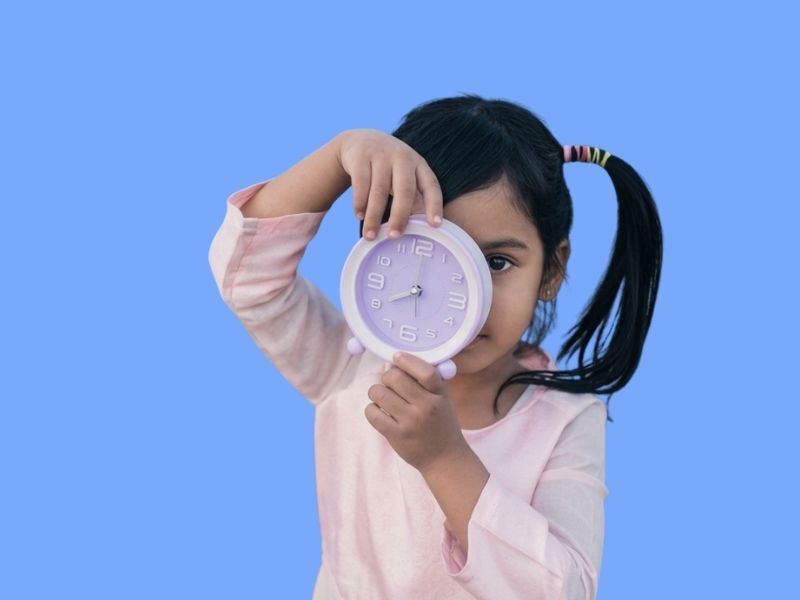
Children who spend less time outdoors have a greater likelihood of developing myopia.

Frequent close-up use of digital devices may contribute to risk, especially when outdoor exposure is limited.
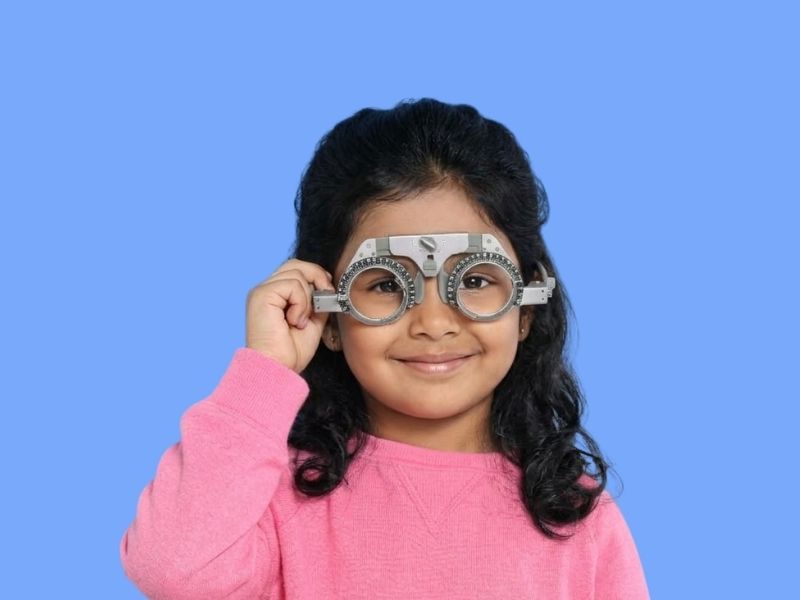
Children who develop myopia early have more years during which their prescription may increase.
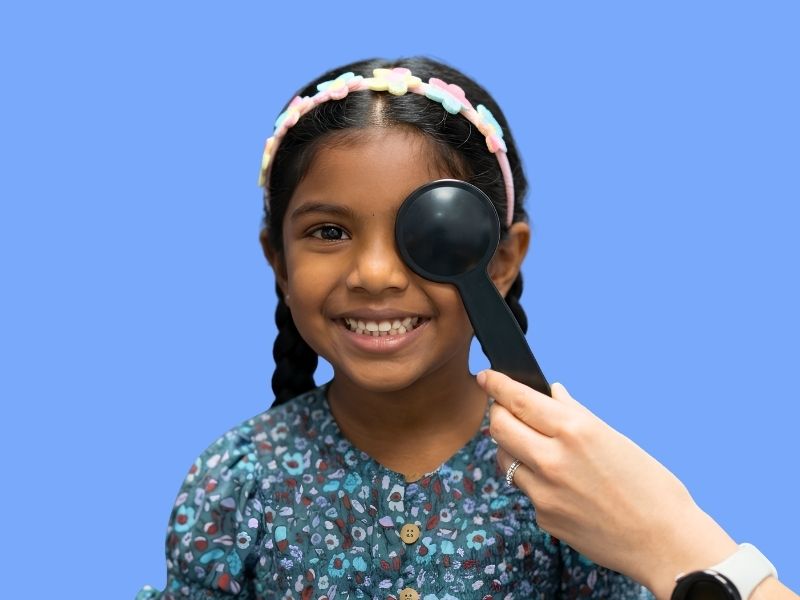
Abnormal growth in the length of the eye is an important structural factor in progressive myopia.
KNOW WHEN TO SEEK HELP
Myopia may develop gradually, making early symptoms easy to overlook. Certain changes in visual behaviour can indicate the need for an eye examination.

Difficulty recognising road signs, distant faces or information displayed on classroom boards.
Repeatedly narrowing the eyes when looking at objects farther away.
Moving nearer to the television or other displays to improve visual clarity.
Experiencing discomfort during activities that require clear distance vision.
Children may struggle to read the board or repeatedly ask to sit in the front row.
ADVANCED MYOPIA DIAGNOSTICS
Specialised diagnostic investigations help measure refractive errors, evaluate eye growth and provide information for personalised myopia treatment planning.
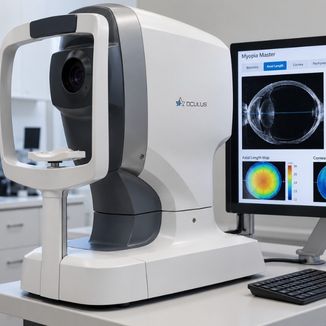
Combines axial length, refraction and corneal curvature measurements for comprehensive myopia assessment.
✦ Advanced 3-in-1 Technology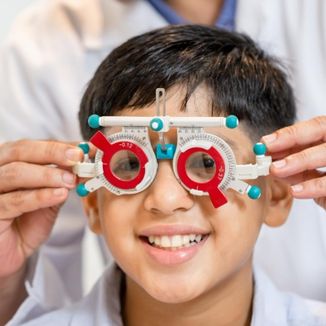
Measures distance vision clarity to assess visual performance and identify blurred vision.
✦ Accurate Vision Assessment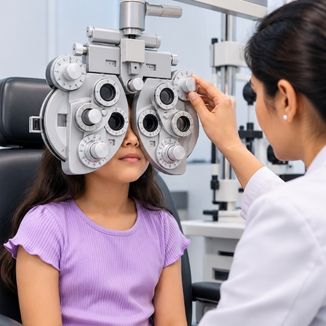
Uses eye drops to relax focusing for accurate prescription assessment, particularly in children.
✦ Precise Prescription Evaluation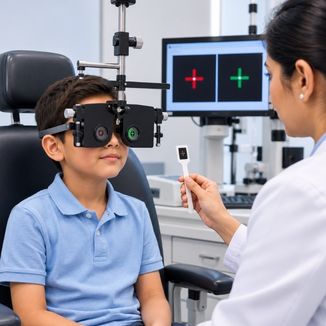
Evaluates eye coordination and focusing ability to identify associated visual difficulties.
✦ Eye Coordination Assessment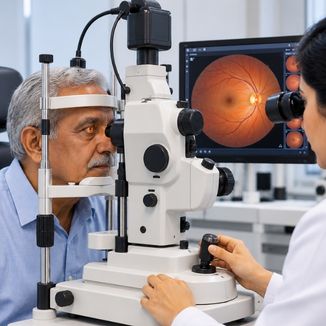
Examines retinal health and identifies potential complications, particularly in high myopia.
✦ Comprehensive Retinal Evaluation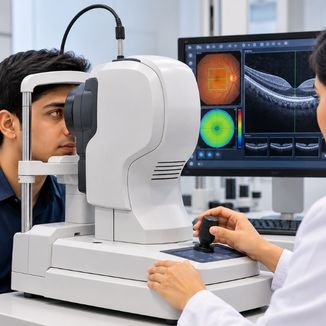
Provides detailed retinal images when myopia-related structural changes or complications are suspected.
✦ Detailed Retinal ImagingPERSONALISED MYOPIA CARE
Treatment is selected according to the patient's age, prescription, eye health, progression rate and individual vision requirements.

Correct blurred distance vision, with specialised myopia-control lenses available for suitable children.
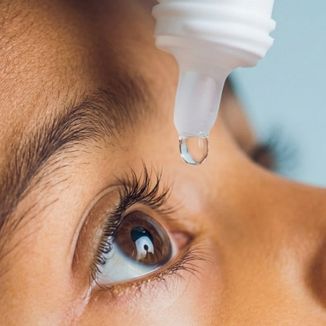
Prescription eye drops used to help slow myopia progression in children.

Specialised overnight contact lenses that temporarily reshape the cornea and may slow myopia progression.
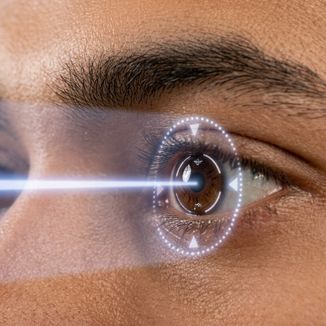
Laser procedures that reshape the cornea to correct myopia in eligible adults.
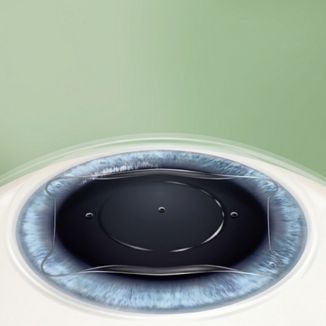
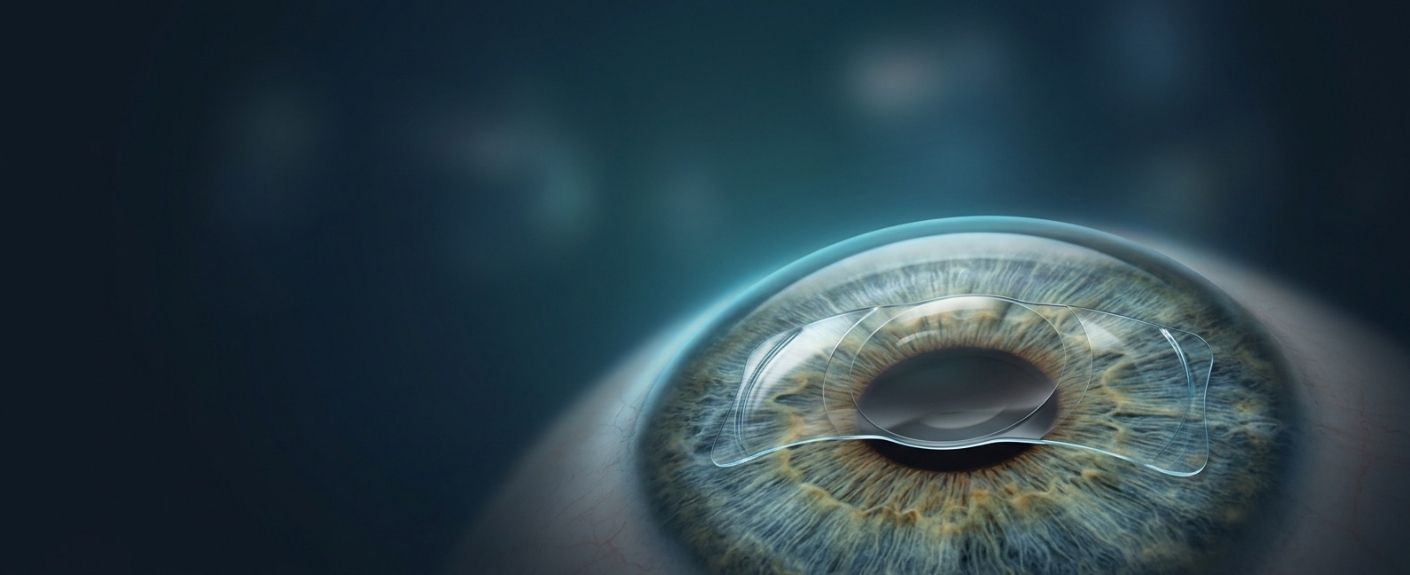
An implantable lens that corrects myopia in selected adults, particularly when laser surgery is unsuitable.
PATIENT JOURNEY
Five coordinated steps help patients move from initial vision assessment to suitable correction, myopia management and ongoing monitoring.
The ophthalmologist reviews your symptoms, previous prescriptions, family history and everyday visual requirements.
Refraction, visual acuity testing and relevant measurements help determine myopia severity and progression risk.
An individualised management approach is recommended based on age, prescription and examination findings.
Suitable spectacles, contact lenses or myopia-control therapies are recommended according to clinical requirements.
Follow-up visits help evaluate prescription changes, eye growth and response to treatment.
MEET OUR TEAM
Our ophthalmologists use detailed eye assessments and individualised treatment planning to address myopia, support visual clarity and monitor long-term eye health.













Myopia is a refractive error measured in negative dioptres (D). A more negative prescription generally indicates a higher degree of short-sightedness.
Patients seeking myopia treatment in Thane at Surya Eye can undergo detailed vision assessments to identify refractive errors, evaluate eye health and understand the available treatment options.
For children, regular assessment of spectacle power and axial length helps detect progression. A myopia specialist in Thane can recommend suitable management based on the child's age, eye growth and individual risk factors.
Myopia results from a combination of genetic influences, changes in eye structure and environmental factors that affect visual development.
An excessively elongated eyeball causes light to focus before the retina, resulting in blurred distance vision. Axial length testing helps measure eye growth and identify progression.
Children with myopic parents are more likely to develop short-sightedness. However, inherited risk is only one contributing factor, and myopia may occur without a family history.
Prolonged reading, studying and close-up digital device use may be associated with myopia development, particularly among children who spend relatively little time outdoors.
Limited outdoor activity is linked to an increased risk of childhood myopia. Spending more time outdoors may help reduce the likelihood of developing the condition.
Myopia is classified into different categories according to prescription strength, age of development and the presence of structural changes within the eye.
Simple myopia commonly causes blurred distance vision without associated degenerative changes. Prescription glasses or contact lenses can usually provide effective correction.
A refractive error of −6.00 dioptres or greater is generally classified as high myopia. It is associated with an increased risk of retinal and other eye complications.
Pathological myopia involves changes in the eye's structure, particularly at the back of the eye, which may progressively affect retinal health and vision.
Myopia that develops during childhood can increase as the eyeball grows. Regular examinations help assess progression and identify suitable treatment strategies.
People with myopia generally experience difficulty seeing distant objects clearly. Additional symptoms may become apparent during school, travel or other activities requiring distance vision.
Objects farther away appear out of focus, while reading or other close-up activities may remain relatively unaffected.
Repeated squinting may temporarily sharpen the appearance of distant objects.
Difficulty focusing on distant details may be accompanied by visual discomfort or headaches, although these symptoms can also have other causes.
Children may have trouble reading classroom instructions or following lessons when seated farther from the board.
Recognising road signs, faces or objects across a room may become increasingly difficult.
A myopia doctor in Thane can assess these symptoms through appropriate vision testing and recommend suitable corrective measures.
Myopia is diagnosed through a comprehensive eye examination that evaluates distance vision, refractive power and relevant aspects of eye health.
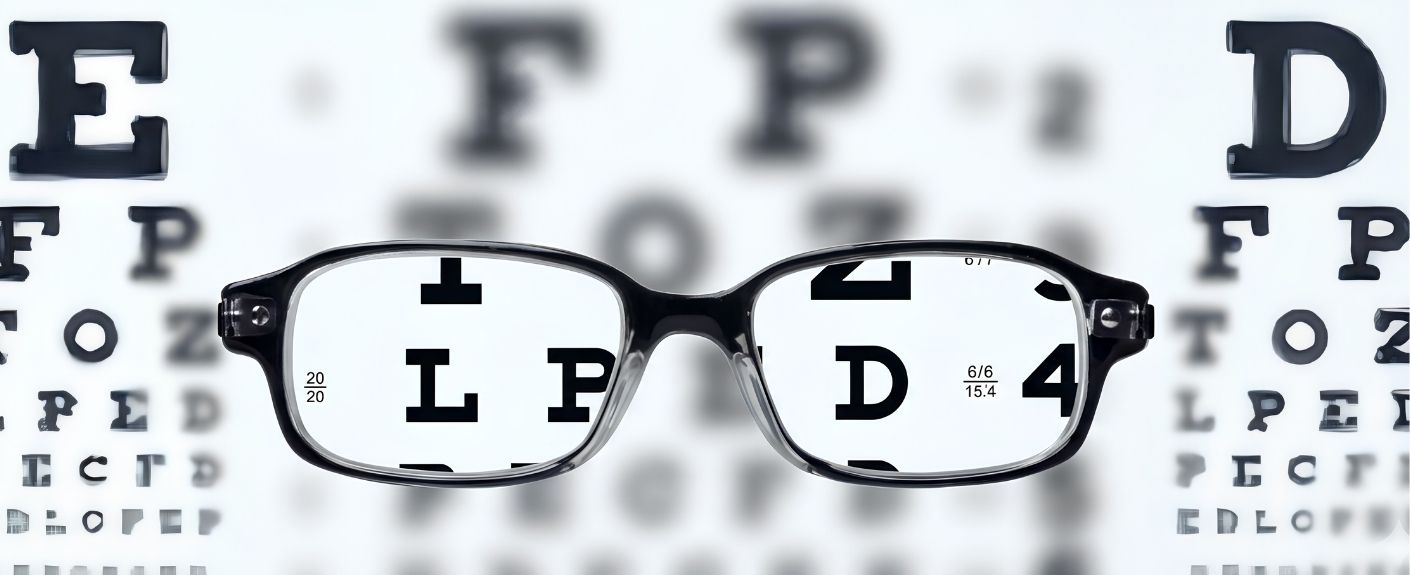
Standardised vision charts assess how clearly a patient can identify letters or symbols at a specified distance.
Refraction determines the prescription required to correct blurred vision. Cycloplegic drops may be used in children to obtain reliable measurements.
Measuring the length of the eye helps assess structural growth and monitor changes associated with progressive childhood myopia.
This test evaluates corneal curvature and provides information relevant to refractive assessment and contact lens fitting.
The Myopia Master is a diagnostic system that combines refraction, axial length measurement and keratometry.
Patients enquiring about a Myopia Master in Thane at Surya Eye can discuss how these investigations help evaluate myopia and support progression monitoring.
Myopia control includes evidence-based treatments intended to reduce the rate at which nearsightedness progresses during childhood.
Unlike standard corrective lenses, which primarily improve visual clarity, myopia-control treatments aim to slow changes in refractive power or excessive eye elongation.
At Surya Eye, myopia control in Thane is planned according to the child's prescription, age, progression pattern and examination findings.
Slowing the progression of childhood myopia may reduce the risk of developing high myopia and certain associated complications later in life.
Regular refraction and axial length assessments allow ophthalmologists to compare measurements, identify progression and evaluate the response to prescribed treatment.
Myopia control for children in Thane may involve specialised spectacle lenses, myopia-control contact lenses, low-dose atropine or other appropriate approaches. Treatment selection is guided by the child's clinical needs.
Myopia treatment in Thane focuses on correcting distance vision and, where necessary, addressing progression in children. Recommendations depend on the patient's age, prescription, eye health and suitability for different corrective or myopia-control treatments.
Prescription spectacles correct blurred distance vision. Specialised spectacle lens designs may additionally help slow myopia progression in eligible children.
Contact lenses offer an alternative to glasses. Appropriate fitting, hygiene instructions and regular reviews at a contact lens clinic are important for safe use.
Specialised spectacle and soft contact lenses use optical designs developed to reduce the rate of myopia progression in children.
Orthokeratology uses specially designed contact lenses worn overnight to temporarily reshape the cornea. It may also help slow progression in suitable children.
Low-dose atropine eye drops may reduce myopia progression in some children. Treatment concentration and duration are determined and monitored by an ophthalmologist.
Adults with stable myopia may be eligible for laser refractive surgery or implantable lens procedures. Patients exploring LASIK eye surgery in Mumbai require a detailed assessment to establish suitability.
Managing childhood myopia involves correcting current refractive errors while monitoring eye growth and the possibility of increasing spectacle power. At Surya Eye, myopia treatment for children in Thane is planned according to age, prescription, progression history and overall visual development.
Routine pediatric eye care examinations help identify vision problems in children who squint frequently, sit close to screens or struggle to see classroom boards.
Comparing prescription measurements and axial length over time helps identify worsening myopia and assess whether treatment changes are necessary.
Depending on individual suitability, the ophthalmologist may recommend specialised optical lenses, atropine therapy or orthokeratology. Parents seeking child myopia treatment in Thane can arrange a consultation at Surya Eye to understand the available management options.
High myopia increases the lifetime risk of several eye conditions, including retinal detachment, glaucoma and myopic macular degeneration. Regular examinations are important for monitoring retinal health and identifying potential complications.
Highly myopic eyes may develop retinal thinning, tears or degenerative changes. Sudden flashes, new floaters or a dark shadow across vision require urgent ophthalmic assessment at a retina clinic in Mumbai.
Dilated retinal examinations and additional imaging, when indicated, help detect structural changes and determine whether further evaluation or treatment is required.
Established axial myopia cannot currently be permanently reversed using eye exercises, medication or changes in daily habits. Spectacles and contact lenses correct the refractive error, while specialised childhood treatments may help reduce further progression.
For suitable adults, LASIK, other laser procedures or implantable lenses can provide long-lasting refractive correction without reversing the underlying eye elongation. Treatment suitability depends on prescription stability, age, corneal measurements and overall eye health.
Healthy visual habits can support comfortable vision and complement prescribed myopia-control treatment. However, they cannot guarantee that myopia will stop progressing.
Encourage children to spend approximately two hours outdoors daily when feasible. Regular outdoor exposure may help reduce the risk of developing myopia.
Books and handheld devices should generally be kept around 30–40 cm from the eyes to avoid prolonged viewing at very close distances.
Every 20 minutes, look at something approximately 20 feet away for 20 seconds. This may ease visual fatigue but has not been proven to slow myopia progression.
Provide adequate lighting during reading, studying and screen use to support visual comfort and reduce unnecessary strain.
Follow the ophthalmologist's recommendations for glasses, contact lenses or prescribed medication. Avoid changing treatment independently.
Periodic reviews help track refractive changes and evaluate treatment effectiveness. Eye exercises are not a reliable method of reversing established myopia.
The myopia treatment cost in Thane varies according to diagnostic requirements, prescription correction, selected myopia-control therapy and follow-up appointments. Conventional spectacles, specialised lenses, atropine treatment and orthokeratology have different associated expenses.
An eye consultation helps determine suitable options and provide an estimate of treatment costs.
Diagnostic expenses depend on whether the examination includes refraction, cycloplegic assessment, axial length testing or additional retinal investigations.
Coverage varies by insurer and policy. Routine spectacles, contact lenses and outpatient myopia-control therapies are often excluded. Patients should verify the applicable benefits and reimbursement conditions.
Choosing a myopia clinic in Thane involves considering ophthalmologist experience, diagnostic facilities, available treatment options and continued follow-up care. Surya Eye offers comprehensive eye assessments and personalised recommendations supported by experienced specialists.
As an established eye hospital in Mumbai, Surya Eye provides coordinated ophthalmic care for patients with myopia and related eye conditions. Patients from Thane can enquire about consultations and suitable treatment options at Surya Eye's nearby centre in Mulund West.
Patients seeking trusted eye specialists in Mumbai for myopia treatment in Thane can consult Surya Eye’s Mulund West Centre for an assessment of blurred distance vision, changing spectacle prescriptions or progressive childhood myopia.
The ophthalmologist reviews previous prescriptions, evaluates eye health and recommends suitable corrective or progression-control options based on clinical findings.
Patients should bring previous spectacle prescriptions and relevant eye examination reports, if available.
YOUR QUESTIONS, ANSWERED
Answers to common questions about myopia treatment.
Myopia commonly develops during school-going years, although it can appear earlier or later. Children with a family history of nearsightedness may benefit from regular eye examinations to detect changes promptly.
Myopia can develop or change during adulthood, although childhood onset is more common. Sudden changes in vision require an eye examination to identify the cause and rule out other conditions.
A negative spectacle prescription generally indicates myopia. However, the complete prescription may also include astigmatism correction. An accurate refraction test determines the specific visual correction required for each eye.
Yes. Most patients can correct myopia using prescription glasses or contact lenses. Specialised optical lenses and atropine may also help slow progression in children without requiring surgical treatment.
Myopia can make distant objects harder to see at night, particularly while driving or recognising road signs. Proper prescription correction may improve clarity, although other eye conditions can also affect night vision.
Orthokeratology may be suitable for selected children with progressive myopia. The ophthalmologist evaluates prescription, corneal characteristics and hygiene requirements before determining whether overnight corneal reshaping lenses are appropriate.
Yes. Regular prescription glasses correct blurred vision but do not necessarily prevent myopia from increasing. Children with progressive myopia may benefit from specialised myopia-control treatments and periodic monitoring.
Parents should seek an assessment when a child's myopia is increasing or progression risk is high. Early evaluation helps determine whether specialised lenses, atropine or other suitable treatments may be beneficial.
Yes. High myopia increases the risk of retinal thinning, tears, detachment and myopic macular degeneration. Regular dilated eye examinations help identify abnormalities that may require further assessment or treatment.
You can schedule a myopia consultation at Surya Eye's Mulund West centre, conveniently accessible from Thane. The ophthalmologist will assess your prescription, eye health and treatment requirements before recommending suitable care.
OUR CENTRES

805 - 807, 8th Floor, Supreme Headquarters, 14th Road, Bandra West, Off Linking Road, MH - 400050
See Centre ↗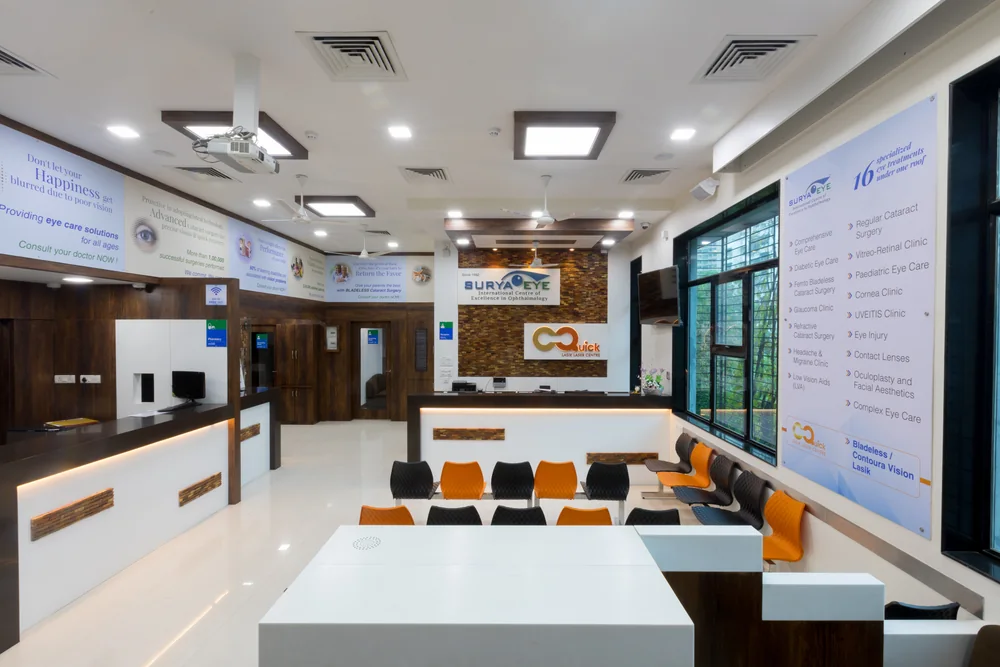
104, Aroto House, Purushottam Kheraj Rd, Saidham, Mulund West, Mumbai, MH - 400080
See Centre ↗ Center 1.png)
1st Floor, Superior Micron Heights, Sector -7, Near Apple Hospital & London Shakes, Airoli, Navi Mumbai, MH - 400701
See Centre ↗Trusted by 5 Lakh+ Patients.