


Common myth: Contact lens users can’t get LASIK. A frequently asked question regarding LASIK is “Can contact lens users get LASIK?”. The answer is yes, contact lens users can get LASIK if they choose to.
Getting LASIK surgery offers several benefits over wearing contact lenses, making it an attractive option for those looking to improve their vision.
What is it and how does it work?
Several vision issues, including nearsightedness, farsightedness, and astigmatism, are brought on by the eye's incapacity to concentrate light on the retina due to problems in the curvature of the eyes. These conditions impair normal vision.
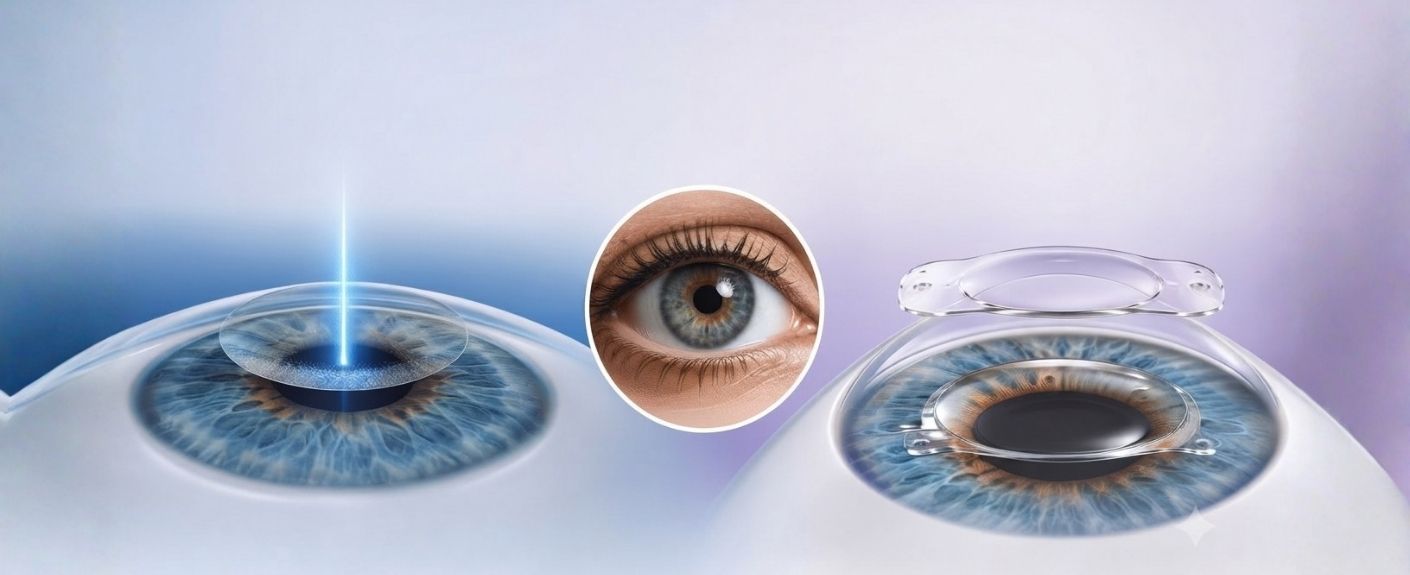
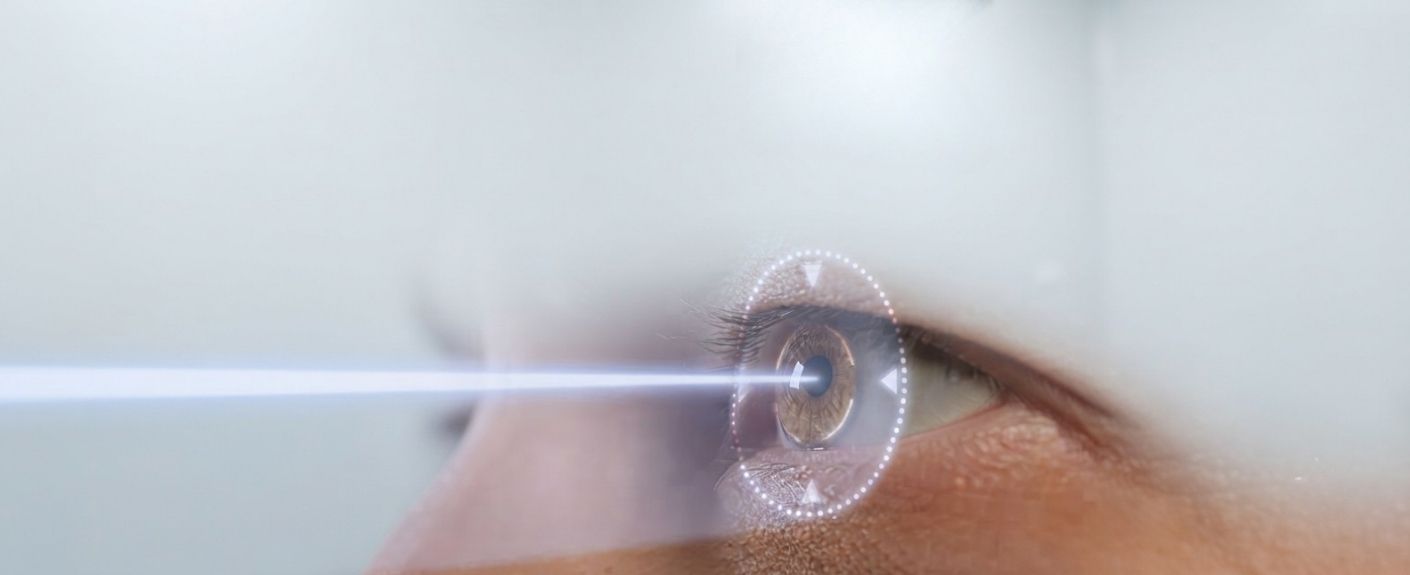
The eye procedure known as LASIK (Laser-Assisted In Situ Keratomileusis) has revolutionized the field of eye care and is a fantastic choice for those who wish to permanently do away with their lenses and glasses.
This treatment is performed to modify the curvature of the corneal lining of the eyes, which can cause issues with vision.
Contact Lenses & LASIK Eligibility
Why you may need to stop contacts before surgery. The surface of the eyes is in physical contact with contact lenses which have the potential to change the cornea's natural shape when worn frequently.
The goal of LASIK, as previously stated, is to repair vision by reshaping the curvature of the cornea. Wearing contact lenses extremely close to surgery can result in overcorrection or undercorrection because they make physical touch with the surface of the eyes, causing erroneous measurements and less than ideal results.
There are two kinds of eye contact lenses which can influence how long the contact lens wears needs to be stopped before surgery.
- Soft contact lens: Mild warping of the corneal layer is caused by soft contact lenses. They can fit on the eye's curvature and are snug.
- Hard contact lens: Since hard contact lenses rest directly on top of the corneal layer without adjusting to its shape, they have a greater probability of molding the cornea. Consequently, after using such lenses, it takes longer for the eyes to return to their original shape.
You have to completely stop wearing them and switch to glasses for at least a few weeks before your surgery.
Many people think wearing contact lenses disqualifies them from LASIK, but that’s a myth. With proper evaluation and guidance, you can still be eligible for LASIK treatment in Mumbai and achieve long-term vision correction.
Eligibility Criteria for LASIK
Age: You should be at least eighteen years old, preferably older than twenty-one, as this is when vision changes are most likely to have halted.
Eye health: Your overall eye health must be generally good. An ophthalmologist assesses symptoms of infections, inflammation, scarring, and eye disorders during a general eye health examination, prior to considering LASIK surgery.
Corneal thickness: Long-term contact lens wear may damage the cornea microscopically, resulting in irregular blood vessel formation and a decrease in oxygen delivery. Corneal thickness is assessed to determine the health of the corneal tissue.
Individuals who are not eligible for LASIK are those that have:
- An unstable refractive error
- Severe cases of astigmatism, hyperopia, or myopia
- Excessively thin, severely dry corneas due to corneal illness or scarring
- Keratoconus, or cornea with a cone shape
- Advanced glaucoma
- A past history of certain eye illnesses
- Poorly managed diabetes
Benefits of LASIK over Contacts
Long-term cost saving
In comparison to the continuous costs of contact lenses, such as lens refills and cleaning solutions, LASIK may be a more affordable long-term option, even though its initial cost may be higher.
Eliminating the need for pricey lenses is the most direct and evident way that LASIK surgery saves money. Over time, the price of contact lenses, and frequent refills can mount up considerably.
In addition to saving you money on continuing lens care products, LASIK lowers your risk of developing eye infections from using contact lenses, which could result in lower medical expenses and prescription drug costs.
Updating eyewear can be a regular expense for people whose prescriptions change. The need for prescription adjustments is eliminated with LASIK, which offers a stable and long-lasting option for vision correction.
Convenience and lifestyle benefits
Most people who have refractive laser surgery have good to excellent vision for many years, without having to worry about wearing glasses or contact lenses. You'll feel more at ease as soon as you wake up and open your eyes thanks to LASIK.
The everyday ritual of putting in and taking out contact lenses is eliminated with LASIK.
Particularly for occupations requiring good vision, like pilots, police officers, firefighters, and athletes, LASIK can greatly enhance work performance.
LASIK enhances the enjoyment of an active lifestyle by enabling you to completely engage in the activities you enjoy without any disruptions or inconveniences.
By making you look better, LASIK can increase your confidence and self-image.
Dr. Jay Goyal’s Pre-Surgery Evaluation Tips
Dr. Jay Goyal recommends the following Eye Evaluations prior to LASIK surgery:
Eye mapping
Corneal Topography maps the surface of the cornea, creating a detailed 3D image of its shape and curvature. This mapping ensures that the cornea has the correct form for reshaping during LASIK.
It assists in determining any eye abnormalities and in developing a personalized surgical plan to perform accurate LASIK correction.
Pupil size: Another crucial component of the pre-operative evaluation is the measurement of your pupil size. After LASIK surgery, patients with large pupils who do not receive the proper treatment are susceptible to night vision issues like glare and halos.
It uses multiple methods to measure your pupil size in bright and dark environments. To ascertain whether LASIK would be safe for you and prevent night vision issues, these measurements will be compared to your prescription and corneal thickness.
Stability of vision: Prior to having LASIK surgery, stable vision is essential for getting the best results and lowering the chance of complications.
Because visual alterations may occur after LASIK, having the treatment done before vision stabilizes can have unpredictable effects.
Moreover, accurate evaluation of refractive defects and more predictable results can be obtained by waiting until vision has steadily stabilized.
Safety & Recovery
Some side effects are common after LASIK and typically resolve over time.
- These may include discomfort or pain in the eyes, blurred or cloudy vision, and sensations of dryness or irritation commonly associated with dry eye.
- Patients might also experience glare, halos or starbursts around lights, double vision, and reduced vision in dim lighting.
- Additionally, increased sensitivity to light and small red or pink blood spots on the white of the eye, which typically resolve on their own, can occur.
Serious complications are rare.
Post-surgery care
Even while recovery from LASIK is usually short, some individuals may have brief discomfort or vision issues while they recuperate.
- The ophthalmologist might ask you to wear a see-through shield while you sleep for a few days, or they might put one over your eye. This will help keep your eye safe as it recovers.
- After the procedure, you should arrange to go home and rest or take a nap.
- Your eyes can feel like they're burning or itchy for a few hours. Special eye drops will be prescribed to you in order to lessen dryness and promote eye healing.
Conclusion
LASIK is safe even for contact users: LASIK offers the promise of many lifestyle benefits that go well beyond better vision alone. It gives you more ease, comfort, confidence, and freedom to fully participate in life's activities. Even if you are a contact lens user, LASIK surgery is a great treatment option for improving your vision and doing away with the hassles that come with wearing contact lenses.
Always consult a trusted eye surgeon: Since LASIK is an invasive surgery, it is essential to consult only a trusted eye surgeon to ensure the best and safest outcomes for you. Before making a decision about LASIK, discuss your options with the eye surgeon and determine whether the surgery aligns best with your lifestyle, visual needs, and long-term goals.
Patients using lenses can safely plan LASIK eye surgery in Mumbai after proper washout periods.
FAQs
Can I get LASIK if I have been wearing contact lenses for many years?
Yes. Long-term contact lens use does not automatically prevent you from having LASIK. Your ophthalmologist will examine your cornea, prescription and overall eye health to determine whether you are a suitable candidate.
How long should I stop wearing contact lenses before a LASIK consultation?
The required period depends on the type of contact lenses you wear because lenses can temporarily alter the shape of the cornea. Your LASIK surgeon will tell you when to discontinue them before your measurements and procedure.
Why do contact lenses need to be removed before LASIK testing?
Contact lenses can temporarily change corneal shape and affect the accuracy of measurements used for LASIK planning. Allowing the cornea to return to its natural shape helps the surgeon obtain more reliable measurements.
Can contact lens use make my cornea unsuitable for LASIK?
In some people, long-term contact lens wear may affect corneal health. However, this does not mean you cannot have LASIK. Corneal thickness, shape and overall health are evaluated before determining suitability.
Can I wear glasses while waiting for my LASIK procedure?
Yes. Once you have been advised to stop wearing contact lenses, you can generally use prescription glasses until your LASIK procedure.
What tests are needed before LASIK for a contact lens wearer?
A pre-LASIK evaluation may include checking your prescription, corneal thickness and shape, pupil size and overall eye health. Corneal topography may also be performed to create a detailed map of the cornea.
Can I get LASIK if contact lenses have caused dry eyes?
It depends on the severity of the dryness and the health of your eye surface. Dry eye should be assessed and appropriately managed before LASIK, and significant dryness may affect your suitability for the procedure.
Will I ever need contact lenses again after LASIK?
Many patients significantly reduce their dependence on contact lenses after LASIK. However, results vary, and some people may still require vision correction for certain activities or develop age-related vision changes later.
Is LASIK safer than wearing contact lenses long term?
LASIK and contact lenses have different risks. LASIK involves surgical risks, while contact lenses can cause problems such as irritation or infection, particularly when they are not used or maintained correctly. Your eye specialist can help compare the options for you.
How do I know if LASIK is right for me instead of continuing with contact lenses?
The decision depends on your prescription stability, corneal health, lifestyle, expectations and personal preference. A comprehensive LASIK evaluation can determine whether laser vision correction is appropriate for your eyes.
Understand your suitability and the right treatment approach before you decide.