
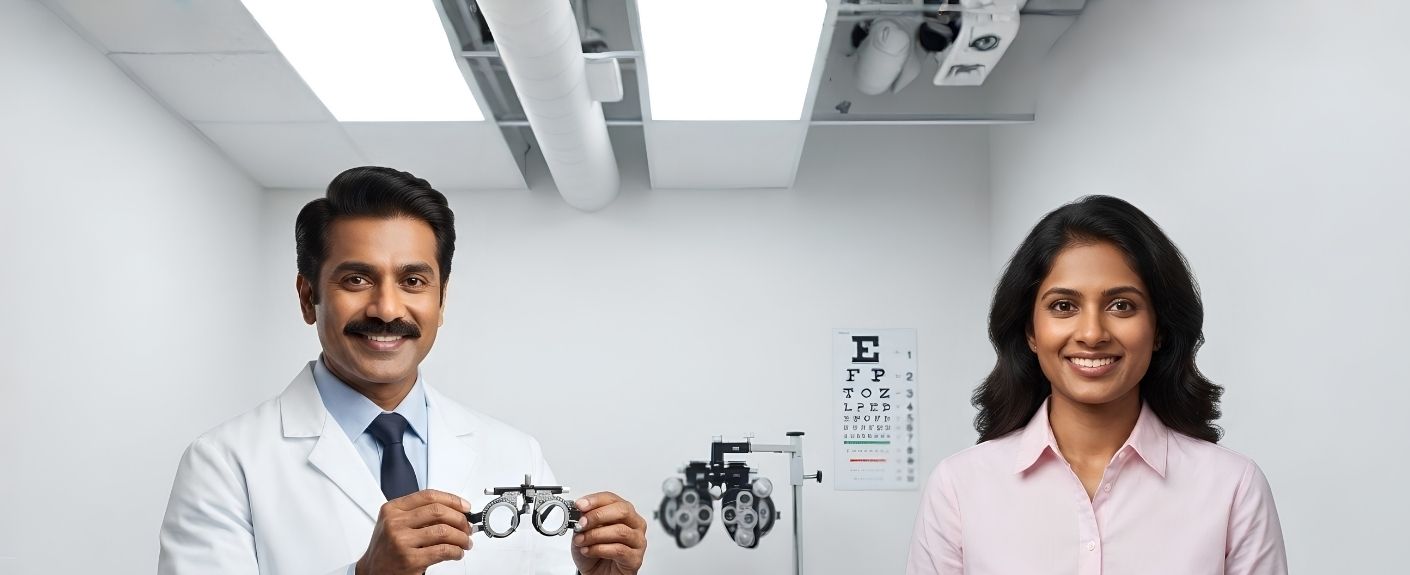

LASIK surgery can significantly reduce or eliminate dependence on glasses and contact lenses, but achieving the best results depends on choosing the right surgeon. Beyond advanced laser technology, successful vision correction requires careful pre-operative evaluation, accurate patient selection, surgical expertise, and comprehensive post-operative care.
When looking for a LASIK surgeon in Mumbai, it's important to consider factors such as the surgeon's experience, qualifications, technology used, and the quality of care provided throughout the treatment journey.
At Surya Eye Hospital, an experienced LASIK surgeon in Mumbai combines advanced diagnostic technology with personalized treatment planning to determine the most suitable vision correction procedure for each patient.
This article highlights the key factors to consider when choosing a refractive surgeon and explains why selecting an experienced specialist is essential for safe, effective, and long-lasting results.
Why Choosing the Right LASIK Surgeon Matters
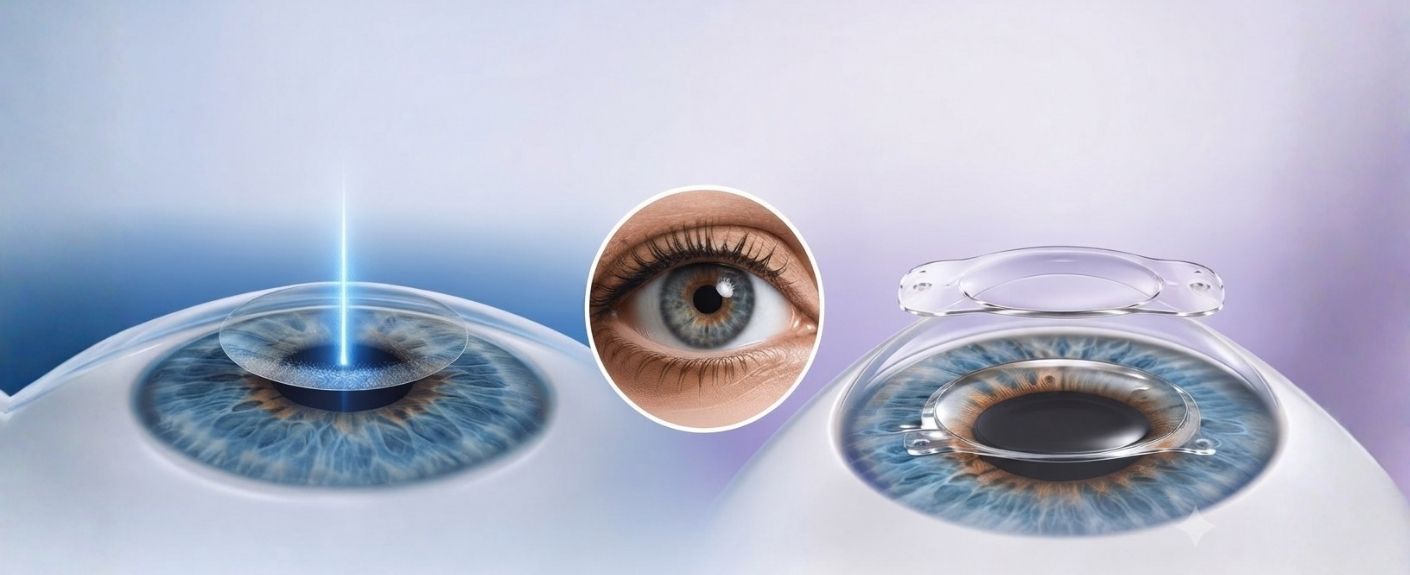
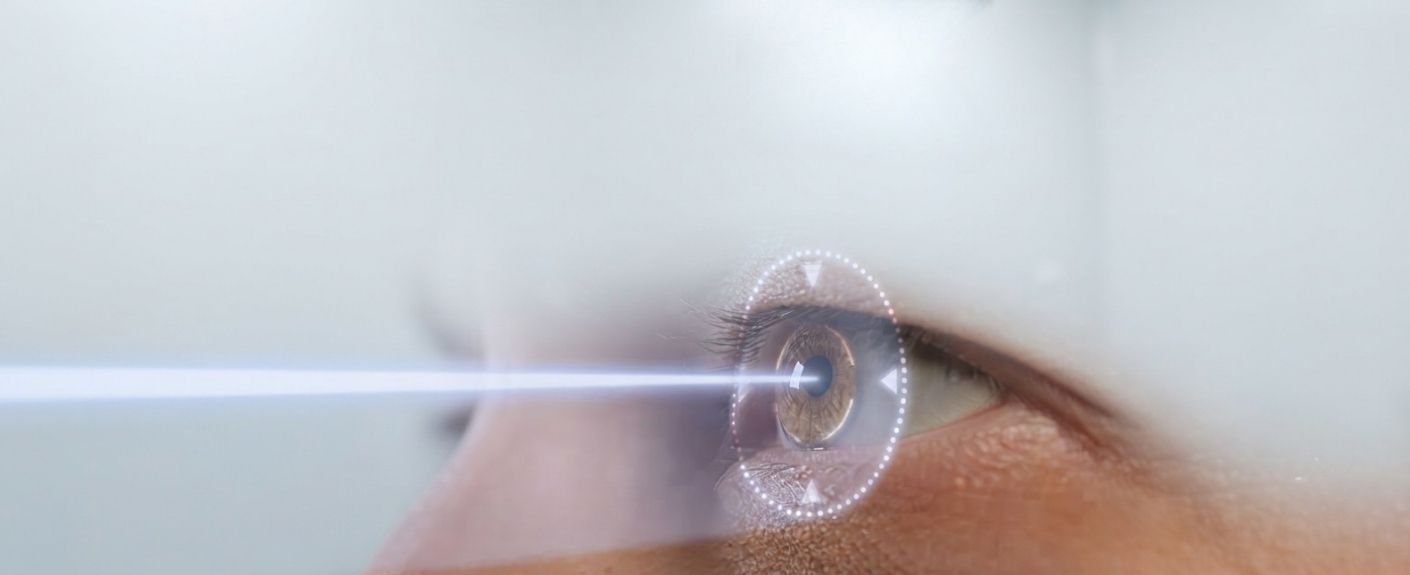
LASIK is a highly advanced refractive surgery that reshapes the cornea using laser technology to correct refractive errors such as myopia, hyperopia, and astigmatism. Although the procedure usually takes only a few minutes, successful outcomes depend on much more than the laser itself.
Experienced LASIK surgeons understand that every patient's eyes are unique. They perform detailed eye evaluations, assess corneal thickness, pupil size, tear film quality, and overall eye health before recommending surgery.
An experienced surgeon also recognizes when LASIK may not be the best option and can suggest alternative vision correction procedures if necessary.
How to Choose the Right LASIK Surgeon?
Finding the best LASIK surgeon requires looking for extensive experience, formal qualifications, and transparent communication. The most important qualities to verify include their specialized credentials, proven surgical volume, and access to advanced technology.
Consider the following qualities for the best results:
1. Extensive Experience in Refractive Surgery
Experience is one of the most important factors when selecting a LASIK surgeon. A surgeon who has performed a large number of refractive procedures is more likely to have encountered a wide range of eye conditions and anatomical variations.
While experience alone does not guarantee outcomes, it contributes to confident clinical decision-making and individualized treatment planning.
2. Specialized Training and Qualifications
Look for ophthalmologists who have specialized training in refractive surgery. Board certification, fellowship training, and continuous professional education demonstrate a commitment to maintaining high clinical standards and staying updated with advances in laser vision correction.
3. Comprehensive Pre-LASIK Evaluation
Not everyone is a suitable candidate for LASIK. A reputable surgeon performs a thorough eye examination before recommending surgery, including:
- Corneal topography
- Corneal thickness measurement
- Refractive error assessment
- Tear film evaluation
- Pupil size measurement
- Retinal examination
These investigations help determine whether LASIK is safe and appropriate for your eyes.
4. Access to Advanced Diagnostic Technology
Modern LASIK planning relies heavily on advanced diagnostic equipment. Leading eye centres use technologies such as:
- Wavefront analysis
- Corneal tomography
- Optical coherence tomography (OCT)
- Dry eye assessment systems
These diagnostic tools help create personalized treatment plans and improve surgical precision.
5. Uses Modern LASIK Technology
Laser vision correction has evolved significantly over the years. When choosing among LASIK surgeons, ask whether the hospital offers advanced procedures such as:
- Blade-free (Femto LASIK)
- Contoura Vision LASIK
- Topography-guided LASIK
- Wavefront-guided LASIK
- SMILE Pro (where appropriate)
The most suitable procedure depends on your individual eye condition rather than simply selecting the newest technology.
6. Honest Patient Selection
A trustworthy surgeon prioritizes patient safety over performing surgery. If your cornea is too thin, your refractive error is unstable, or another eye condition is present, an experienced LASIK surgeon will explain why LASIK may not be suitable and recommend alternative treatments instead.
This commitment to ethical decision-making is a hallmark of high-quality eye care.
7. Evaluate the Hospital's Infrastructure
The surgeon's expertise should be complemented by a well-equipped eye hospital. At Surya Eye Hospital, advanced diagnostic technology, modern laser platforms, and comprehensive pre- and post-operative care help support safe, precise, and personalized LASIK treatment. When selecting a LASIK eye surgery hospital in Mumbai, consider whether the facility offers:
- Advanced laser platforms
- Modern diagnostic equipment
- Dedicated refractive surgery units
- Strict sterilization protocols
- Emergency care support
- Comprehensive postoperative services
A technologically advanced hospital helps ensure accurate diagnosis, precise treatment, and a smooth surgical experience.
8. Read Patient Reviews Carefully
Patient testimonials can provide useful insights into:
- Overall treatment experience
- Surgeon communication
- Staff professionalism
- Waiting times
- Postoperative support
- Satisfaction with visual outcomes
While online reviews should not be the sole deciding factor, consistent positive feedback may reflect good patient care and clinical practices.
9. Assess Communication During the Consultation
The consultation is an opportunity to evaluate how comfortable you feel with the surgeon. A good LASIK surgeon should:
- Listen to your concerns
- Explain the procedure clearly
- Discuss expected outcomes
- Explain possible risks and limitations
- Answer your questions patiently
- Avoid unrealistic promises
Patients should leave the consultation feeling informed rather than pressured into making a decision.
10. Ask About Success Rates and Outcomes
While no surgeon can guarantee perfect vision, experienced refractive surgeons can discuss:
- Expected visual outcomes
- Usual recovery timelines
- Enhancement procedures if required
- Potential complications
- Long-term follow-up care
Be cautious of clinics that promise "100% guaranteed vision" or advertise unrealistic results.
Red Flags to Watch For While Choosing a LASIK Surgeon
When choosing a LASIK surgeon, watch out for unrealistic guarantees, suspiciously low prices, and rushed or superficial pre-surgical evaluations.
- Guaranteed perfect vision claims
- Extremely low-cost promotional offers without transparency
- Limited or no preoperative testing
- Pressure to undergo surgery immediately
- Lack of discussion about risks
- Inadequate follow-up care
Reputable surgeons prioritize patient education, safety, and individualized treatment recommendations.
Conclusion
Choosing the best LASIK surgeon involves much more than comparing prices or the latest laser technology. An experienced surgeon combines clinical expertise, advanced diagnostics, personalized treatment planning, and comprehensive postoperative care to deliver safe and effective vision correction.
Whether you're considering LASIK for the first time or exploring different treatment options in Mumbai, take the time to research your surgeon, ask questions during the consultation, and select a trusted LASIK specialist in Mumbai practicing at a well-equipped eye surgery hospital.
FAQs
How do I choose the best LASIK surgeon?
Look for a surgeon with extensive experience in refractive surgery, advanced diagnostic facilities, modern laser technology, positive patient feedback, and a commitment to comprehensive preoperative evaluation and postoperative care.
Are all LASIK surgeons equally qualified?
No. While all LASIK surgeons are ophthalmologists, their experience, subspecialty training, surgical volume, and familiarity with advanced refractive technologies may vary. Choosing an experienced surgeon can help ensure personalized treatment planning.
Does the type of LASIK technology matter?
Yes. Different technologies, such as Femto LASIK, Contoura Vision, and wavefront-guided LASIK, are designed for different clinical situations. Your surgeon will recommend the most suitable option based on your eye examination.
Should I choose a surgeon based on price?
Cost is one factor to consider, but it should not be the deciding factor. Experience, technology, safety standards, and quality of postoperative care are equally important when selecting a LASIK surgeon.
Why is the pre-LASIK evaluation so important?
A comprehensive evaluation helps determine whether you're a suitable candidate for surgery. It identifies factors such as corneal thickness, refractive stability, and eye health, allowing the surgeon to recommend the safest and most effective treatment.
How important is postoperative follow-up?
Follow-up appointments are essential for monitoring healing, assessing visual recovery, managing temporary side effects, and ensuring the best possible long-term outcome after LASIK surgery.
Understand your suitability and the right treatment approach before you decide.