

Laser vision correction can reduce dependence on spectacles or contact lenses in suitable patients with refractive errors. Among the available techniques, Femto LASIK vs SMILE is a common comparison because both use laser technology but reshape the cornea in different ways.
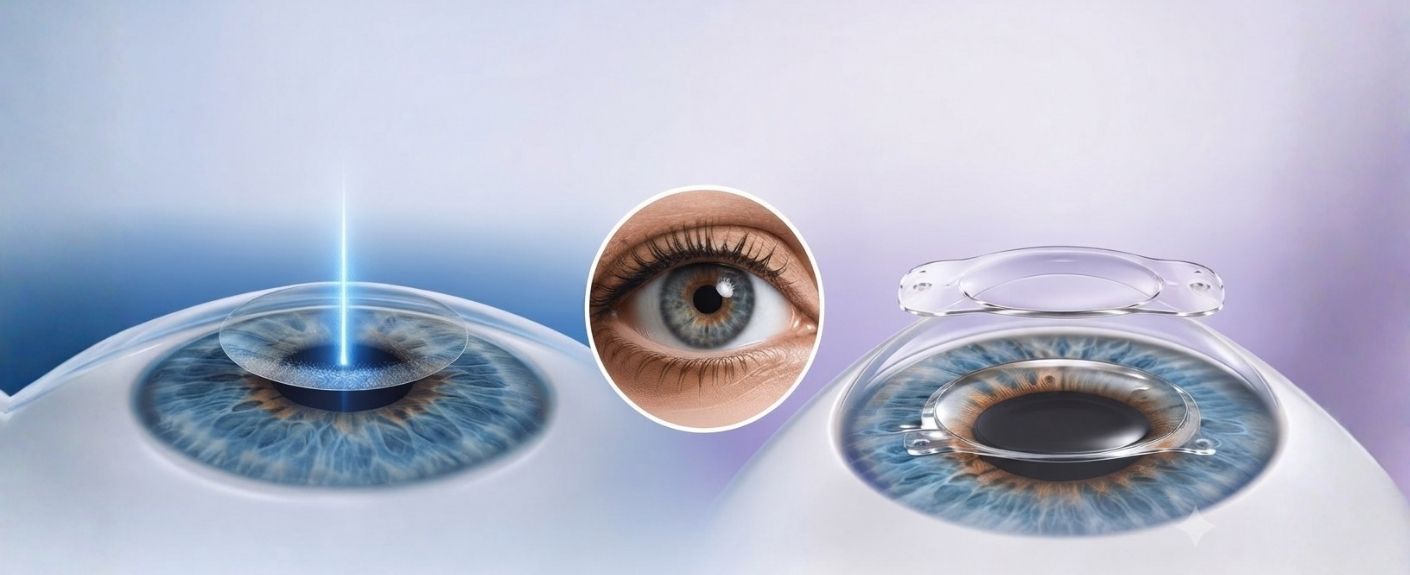
Femto LASIK creates a thin corneal flap before an excimer laser reshapes the underlying tissue. SMILE, or Small Incision Lenticule Extraction, works without a LASIK-style flap and removes a small piece of corneal tissue through a small incision.
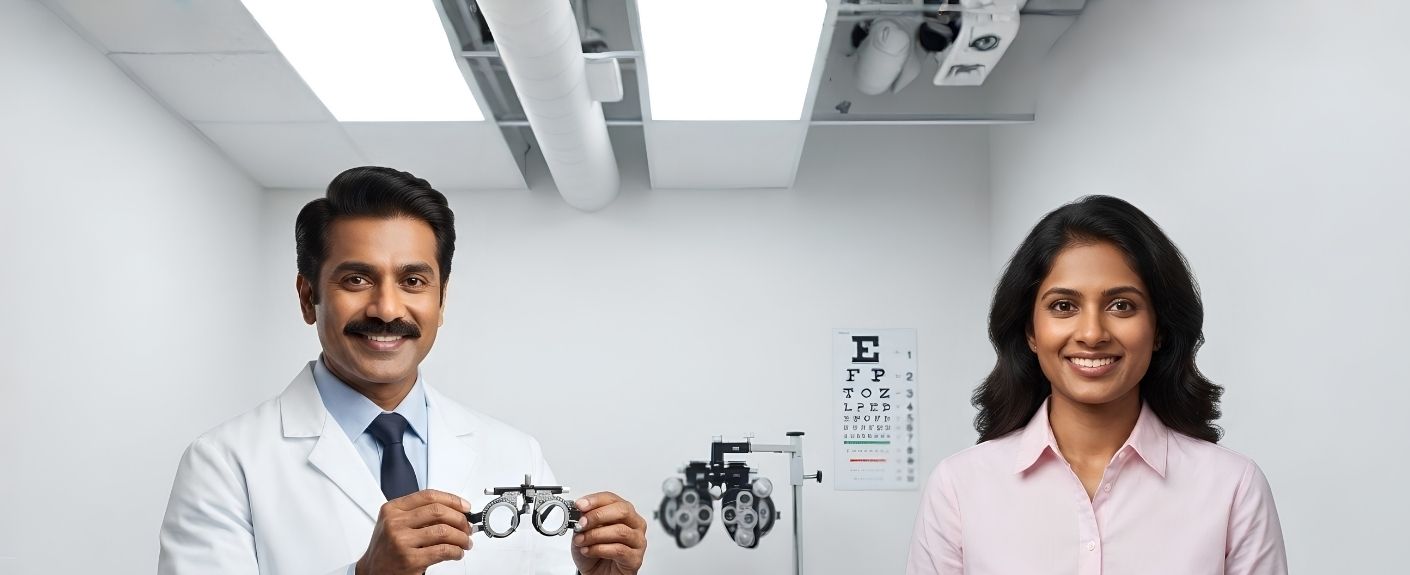
At Surya Eye Hospital in Mumbai, refractive surgery planning begins with a detailed eye assessment to determine whether laser vision correction is appropriate and which technique may suit the patient's eyes.
The choice between SMILE and Femto LASIK depends on factors such as prescription, corneal measurements, tear-film health, lifestyle and treatment goals. This article compares their techniques, benefits, limitations, risks and recovery.
What is Femto LASIK?
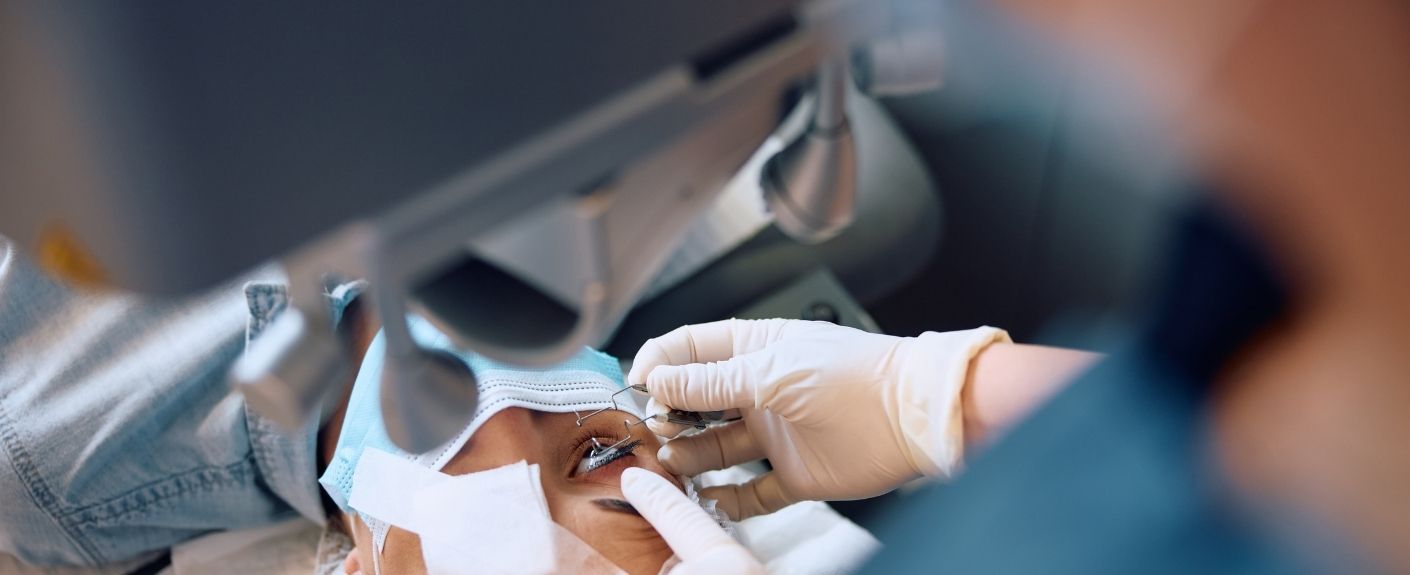
Femto LASIK is a bladeless form of LASIK in which a femtosecond laser creates a thin corneal flap. An excimer laser then reshapes the underlying corneal tissue to correct the refractive error.
Unlike conventional LASIK, which may use a mechanical microkeratome to create the flap, Femto LASIK uses a laser for this stage. The surgeon lifts the flap, applies the planned excimer laser treatment and then repositions the flap over the reshaped cornea.
Surya Eye Hospital provides femto LASIK surgery as one of its laser vision correction options. Before treatment, the ophthalmologist assesses the refractive power, corneal shape and thickness, ocular surface and other factors that may affect surgical suitability.
What is SMILE Eye Surgery?
SMILE is a flapless laser vision correction procedure in which a femtosecond laser creates a thin, disc-shaped piece of tissue called a lenticule inside the cornea. The surgeon removes this lenticule through a small corneal incision.
Removing the lenticule changes the shape and focusing power of the cornea. Unlike Femto LASIK, standard SMILE does not require creation and lifting of a large corneal flap or use of an excimer laser.
SMILE is mainly used for selected patients with myopia, with or without astigmatism. The exact prescription ranges that can be treated depend on the laser platform, regulatory approvals and individual eye measurements.
It is therefore inaccurate to assume that every person eligible for LASIK will automatically qualify for SMILE LASIK surgery. A refractive evaluation is necessary before either technique is recommended.
Femto LASIK vs SMILE: Key Differences
The main difference between LASIK and SMILE lies in how surgeons access and reshape the cornea. Femto LASIK creates a flap and uses an excimer laser, whereas SMILE removes a laser-created lenticule through a considerably smaller incision.
| Factor | Femto LASIK | SMILE |
| Basic technique | Corneal flap followed by excimer laser reshaping | Lenticule creation and removal |
| Corneal flap | Yes | No |
| Surgical opening | Corneal flap | Small incision |
| Laser technology | Femtosecond and excimer lasers | Femtosecond laser |
| Refractive errors treated | Broad range depending on platform and suitability | Mainly selected myopia and astigmatism |
| Early visual recovery | Usually rapid | Usually rapid, although early clarity may differ |
| Dry-eye considerations | Corneal nerves are affected during flap creation | Smaller incision may preserve more corneal nerves |
| Enhancement | Established retreatment options | Enhancement may require a different technique |
| Flap-related complications | Possible | Not applicable |
Surgical Technique and Corneal Incision
Femto LASIK creates a circular flap over the central cornea, which is lifted before reshaping takes place. SMILE avoids this flap and instead uses a small peripheral opening to remove the lenticule.
This is why SMILE is described as a flapless technique. However, both procedures alter corneal tissue permanently and require careful preoperative evaluation.
Refractive Errors and Treatment Range
Both procedures can correct myopia and astigmatism in appropriately selected patients, but their treatment ranges are not identical. Femto LASIK may also be considered for other refractive errors depending on the laser system and clinical findings.
SMILE has traditionally been used primarily for myopic prescriptions, with or without astigmatism. Available indications can differ between laser platforms and countries.
Prescription alone does not determine eligibility. Corneal shape, thickness, stability of refractive power and absence of conditions such as keratoconus also influence whether surgery is advisable.
Recovery, Dry Eye and Visual Comfort
Both procedures can provide relatively rapid functional recovery. Femto LASIK patients may notice clear vision quite early, while some people undergoing SMILE can experience mild haziness or slower development of crisp vision during the early recovery period.
Temporary dryness can occur after either operation. Because SMILE uses a smaller incision and does not create a flap, it may disrupt fewer corneal nerves. Some research therefore suggests less early postoperative dry-eye disturbance after SMILE.
This does not mean dry eye cannot occur after SMILE. Symptoms depend on the patient's ocular surface, tear production and other individual factors.
Is SMILE Less Invasive Than Femto LASIK?
SMILE is generally considered less invasive in terms of the size of the corneal opening because it does not require a LASIK-style flap. Instead, the surgeon removes the lenticule through a small incision. The smaller incision also means no flap could later become displaced.
However, "less invasive" should not be interpreted as automatically safer or better for every patient. SMILE still involves laser creation and surgical removal of tissue from within the cornea. The choice should therefore be based on overall suitability rather than incision size alone.
Benefits and Limitations of Femto LASIK and SMILE
Both Femto LASIK and SMILE can provide effective refractive correction in appropriately selected patients. Their advantages differ, so a feature that benefits one patient may be less important for another.
Femto LASIK: Benefits and Limitations
Femto LASIK combines femtosecond flap creation with excimer laser reshaping and has a well-established role in refractive surgery.
Potential benefits include:
- Rapid visual rehabilitation for many patients
- Bladeless creation of the corneal flap
- Treatment of a broad range of refractive errors, depending on the platform
- Customised excimer laser treatment options where available
- Established methods for managing certain residual refractive errors after surgery
Potential limitations include:
- Creation of a corneal flap
- Possibility of flap-related complications
- Temporary dry-eye symptoms
- Restrictions on eye rubbing and certain activities during early healing
- Unsuitability for some patients with abnormal or insufficient corneal tissue
SMILE: Benefits and Limitations
The main practical difference with SMILE is its flapless approach. This may be useful for selected patients in whom avoiding a large corneal flap is desirable.
Potential benefits include:
- No LASIK-style flap
- Small corneal incision
- No risk of later LASIK flap displacement
- Potentially less disruption of corneal nerves
- Correction of appropriate myopic and astigmatic prescriptions
Potential limitations include:
- Not suitable for every refractive error
- Available correction ranges depend on the laser platform
- Enhancement options may be less straightforward than after LASIK
- Visual clarity may develop differently during early recovery
- Suitable corneal anatomy and thickness are still required
What Are the Possible Risks of Femto LASIK and SMILE?
Both Femto LASIK and SMILE have recognised risks, although their complication profiles are somewhat different. Proper screening helps identify patients whose eyes may be unsuitable for corneal laser surgery.
Possible effects after either procedure can include:
- Dryness or irritation
- Temporary fluctuating vision
- Glare or halos, particularly at night
- Under-correction or over-correction
- Residual refractive power
- Inflammation
- Infection, although uncommon
- Need for additional vision correction in some patients
Femto LASIK can additionally involve flap-related problems, such as flap displacement, folds or interface complications.
SMILE avoids these flap-specific concerns but has its own technical risks. These may include difficulty separating or extracting the lenticule or leaving a portion of lenticular tissue behind.
Neither procedure can guarantee perfect unaided vision. A small proportion of patients may continue to require spectacles or additional treatment after laser correction.
Femto LASIK vs SMILE: Recovery and Aftercare
Recovery after both procedures is generally relatively quick, but the pattern of visual improvement can differ. Patients need prescribed medication, postoperative precautions, and follow-up examinations regardless of the technique used.
Mild watering, irritation, light sensitivity or fluctuating vision can occur during the early healing period. These symptoms usually improve as the cornea heals, although recovery varies between individuals.
Patients are generally advised to:
- Use prescribed eye drops exactly as directed
- Avoid rubbing or pressing the eyes
- Keep water, soap and dust away from the eyes during initial healing
- Avoid swimming until the ophthalmologist permits it
- Delay eye makeup for the recommended period
- Resume strenuous exercise or contact sports only after medical clearance
- Attend scheduled follow-up visits
Patients who want to understand what is femto LASIK should remember that the word "bladeless" refers specifically to laser-based flap creation. Femto LASIK still involves creation of a corneal flap.
Increasing pain, marked redness, discharge, worsening light sensitivity or a sudden fall in vision requires prompt medical assessment.
How Do Eye Specialists Choose Between Femto LASIK and SMILE?
The choice between Femto LASIK and SMILE is made after a refractive surgery assessment rather than from the procedure name alone. The ophthalmologist must establish whether the patient's eyes are suitable for either procedure before comparing their potential advantages.
Assessment may include:
- Age
- Stability of spectacle power
- Type and degree of refractive error
- Corneal thickness
- Corneal topography or tomography
- Ocular surface and tear-film health
- Pupil assessment
- General eye health
- Previous eye surgery
- Lifestyle and occupation
- Contact-sport participation
- Likelihood of needing future refractive enhancement
Corneal imaging is particularly important because refractive laser surgery changes the structure of the cornea. Patients with suspected keratoconus, certain corneal abnormalities or inadequate corneal tissue may not be suitable candidates.
A consultation for LASIK treatment in Mumbai at Surya Eye Hospital should therefore involve more than checking spectacle power. Detailed measurements help the ophthalmologist decide whether Femto LASIK, SMILE or another vision-correction technique is more appropriate.
How Much Do Femto LASIK and SMILE Cost?
The cost of Femto LASIK and SMILE varies between hospitals and patients. It can depend on the technology used, preoperative investigations, treatment requirements, surgeon or hospital charges and what postoperative care is included.
SMILE and Femto LASIK may have different prices because they use different laser platforms and treatment systems.
When comparing costs, patients should check whether the quoted amount includes:
- Preoperative diagnostic tests
- Treatment of one or both eyes
- Surgeon and facility charges
- Medicines or protective eyewear
- Postoperative examinations
- Additional follow-up care
Price alone should not determine the procedure. A lower-cost technique that does not suit the patient's cornea or refractive error is not the more appropriate treatment.
Femto LASIK vs SMILE: Which One Should You Choose?
Neither Femto LASIK nor SMILE is universally better. The preferable procedure is the one that can correct the refractive error appropriately while fitting the patient's corneal measurements, eye health and individual requirements.
SMILE may be considered when a flapless approach is particularly desirable. Femto LASIK may be suitable when the required refractive correction or available customisation and enhancement options favour LASIK.
For some patients, neither procedure may be advisable. Depending on the findings, an ophthalmologist may discuss alternatives such as surface laser treatment or an implantable lens.
At Surya Eye Hospital, patients considering laser vision correction can undergo an eye assessment before the available techniques are compared. This helps base treatment selection on clinical measurements rather than assumptions about which technology is newer or more popular.
FAQs About Femto LASIK vs SMILE
Which is better, Femto LASIK or SMILE?
Neither Femto LASIK nor SMILE is better for every patient. Femto LASIK may suit a broader range of refractive corrections, while SMILE offers a flapless approach. Corneal measurements, prescription, dry-eye status and lifestyle help determine suitability.
Is SMILE safer than femto LASIK?
SMILE is not universally safer than Femto LASIK. It avoids flap-related complications and may cause less early corneal nerve disruption, but it has its own potential risks. Both procedures require appropriate patient selection and careful surgical technique.
What are the disadvantages of SMILE eye surgery?
SMILE may not treat every refractive error or prescription range, and enhancement after treatment can be less straightforward than after LASIK. Some patients also experience temporary haziness, dryness or fluctuating vision while the cornea heals after surgery.
Which has faster recovery, SMILE or Femto LASIK?
Both procedures generally allow relatively quick recovery, although early visual clarity may differ. Femto LASIK can produce rapid improvement in vision, while some SMILE patients notice gradual sharpening over several days. Individual healing and prescription also influence recovery.
Can SMILE and Femto LASIK treat astigmatism?
Both SMILE and Femto LASIK can treat astigmatism in suitable patients, but eligibility depends on its degree, accompanying refractive error and the treatment platform available. Corneal shape and thickness must also be evaluated before recommending either procedure.
Can you have LASIK or SMILE again if your power returns?
Additional correction may be possible if refractive power changes after surgery, but retreatment is not suitable for everyone. The ophthalmologist must reassess corneal thickness, shape, residual prescription and eye health before deciding whether another procedure can be performed safely.
Understand your suitability and the right treatment approach before you decide.