


Detailed Cataract Assessment
Comprehensive eye examinations and precise measurements help evaluate the cataract, assess overall eye health, and plan the appropriate IOL.
Modern Cataract Surgery With Personalised IOL Options Selected According to Your Eye Health, Lifestyle, and Visual Requirements.
Book Free Cataract Evaluation ↗Modern Cataract Surgery With Personalised IOL Options Selected According to Your Eye Health, Lifestyle, and Visual Requirements.
Surya Eye brings together experienced cataract surgeons, modern surgical technology, and personalised treatment planning to provide comprehensive cataract care for patients from Matunga.
Comprehensive eye examinations and precise measurements help evaluate the cataract, assess overall eye health, and plan the appropriate IOL.
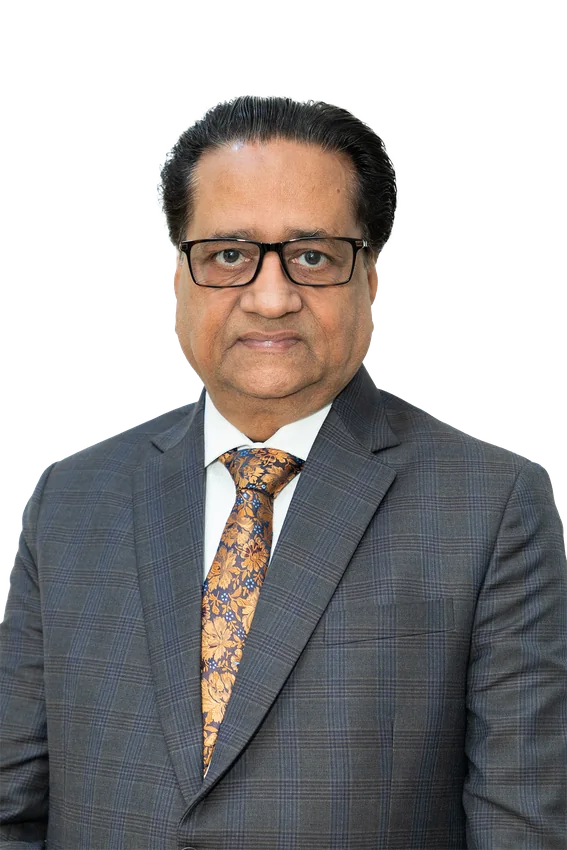
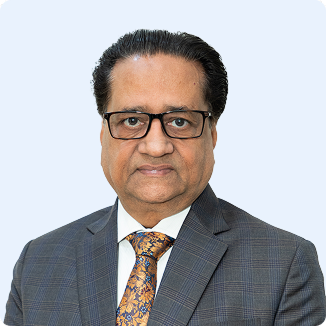
 Dr. Vinod Goyal
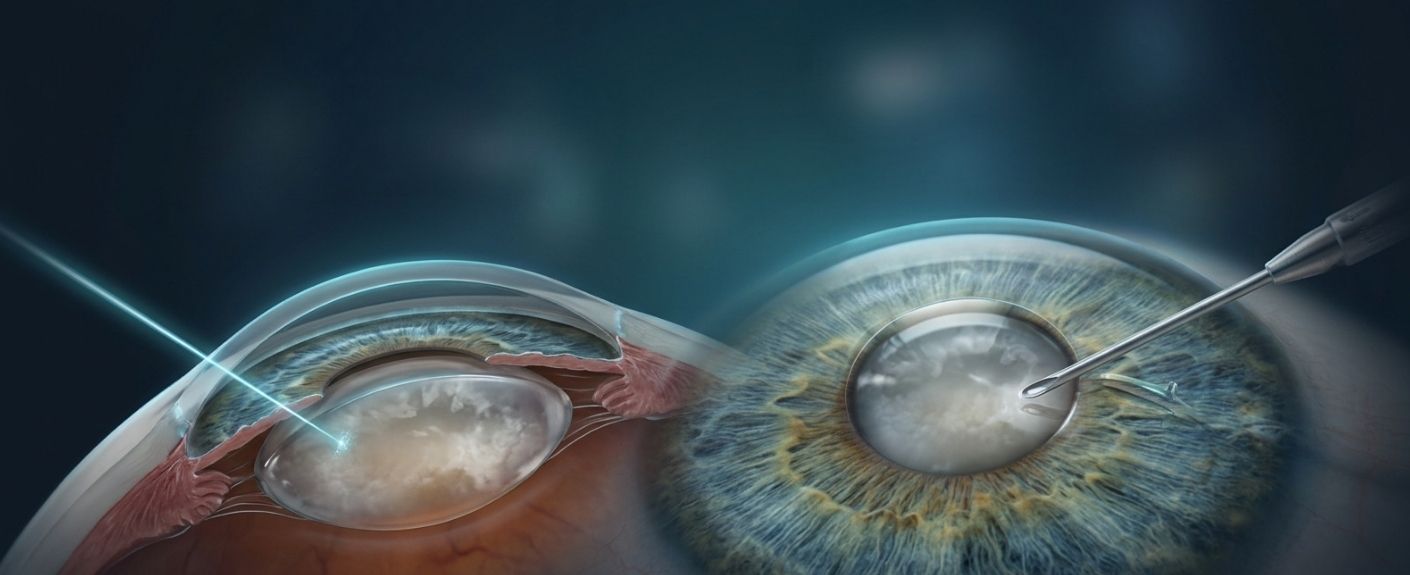
Femtosecond laser technology assists selected stages of cataract surgery, supporting precise and personalised surgical planning.
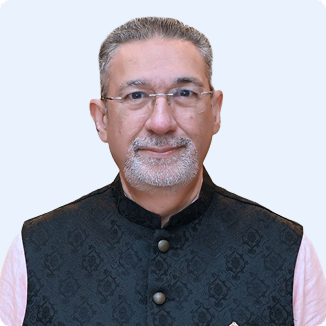
 Dr. Jay Goyal

Dr. Vinod Goyal, Dr. Jay Goyal, and the cataract care team bring extensive experience in modern cataract procedures and personalised eye care.

Monofocal, multifocal, trifocal, EDOF, and toric lenses are considered according to individual eye health, lifestyle, and visual requirements.

Individualised guidance is provided throughout cataract evaluation, IOL selection, surgery, recovery, and post-operative follow-up.
.jpg)
Safe micro-incision cataract surgery for effective vision restoration and reliable everyday visual outcomes.
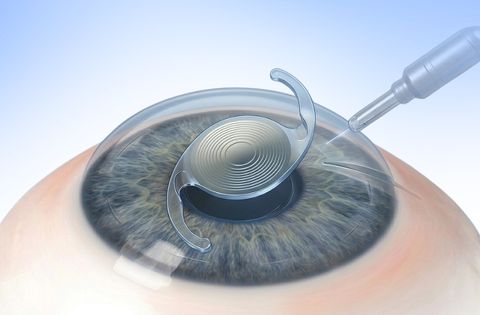
Combines cataract surgery with premium IOLs to reduce dependence on glasses and improve vision.
.jpg)
Blade-free femtosecond laser technology with robotic precision for personalized cataract surgery and enhanced accuracy.
PROCEDURE COMPARISON
Compare traditional cataract surgery and FLACS based on surgical technology, technique, accuracy, and visual recovery.
| Feature | Traditional Cataract Surgery | FLACS |
|---|---|---|
| Technology | Manual Phacoemulsification | Femtosecond Laser Assisted |
| Incisions | Manually Created | Laser-Created |
| Capsulotomy | Manually Performed | Laser-Created |
| Lens Softening | Ultrasound-Assisted | Laser-Assisted |
| Premium IOLs | Suitable | Commonly Paired |
| Surgical Approach | Conventional Technique | Advanced Bladeless Technique |
| Visual Recovery | Varies By Patient And Procedure | Designed For Faster Recovery In Suitable Cases |
| Accuracy | Accuracy Depends On The Surgical Technique Used | Higher Accuracy As Human Error Is Minimized With Laser |
| Spectacle Freedom | Depends On The Skills Of The Cataract Surgeon | Greater Freedom From Glasses |
INTRAOCULAR LENS (IOL) OPTIONS AT SURYA EYE
The IOL implanted during cataract surgery can influence vision after treatment. Lens selection at Surya Eye considers your eye health, visual priorities, everyday activities, and lifestyle.
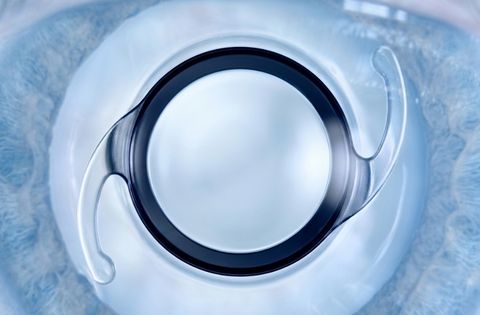
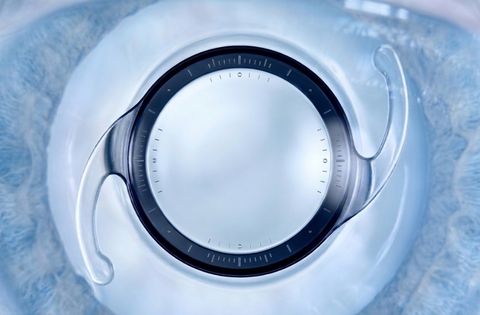
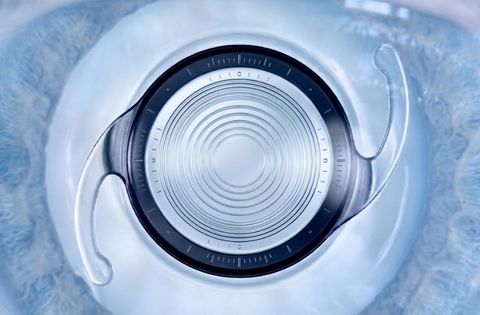
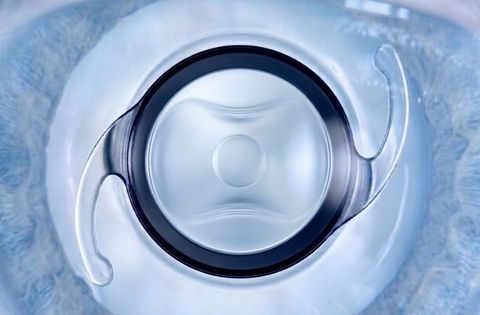
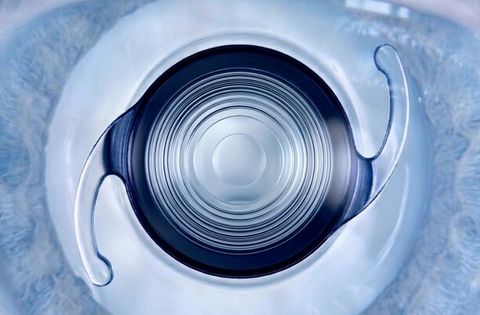
COMPARISON OF IOL OPTIONS
Understand how different IOLs compare in terms of vision range, dependence on glasses, night vision, and suitability for individual lifestyle needs.
| Types Of IOL | Near Vision |
Intermediate Vision |
Distance Vision |
Astigmatism Correction |
Glasses Dependence |
Night Vision / Halos |
ReLACS Compatibility |
Best For |
|---|---|---|---|---|---|---|---|---|
| Monofocal Toric |
× | × | ✓ | Minimal | Best | Best | ✓ | Clear Distance Vision |
| Trifocal | ✓ | ✓ | ✓ | More Common | Slightly Reduced |
Moderate | × | Reading, Computer Work, And Distance Vision |
| Most Popular Trifocal Toric |
✓ | ✓ | ✓ | More Common | Slightly Reduced |
Moderate | ✓ | Reading, Computer Work, Distance Vision, And Astigmatism Correction |
| Extended Depth Of Focus (EDOF) |
× | ✓ | ✓ | Minimal | Best | Best | × | Screens, Computer Work, And Night Driving |
| EDOF Toric |
× | ✓ | ✓ | Minimal | Best | Best | ✓ | Screens, Computer Work, Night Driving, And Astigmatism Correction |
| Full Range Of Vision (FRV) |
✓ | ✓ | ✓ | Less Than Trifocal | Better Than Trifocal |
Good | × | Maximum Freedom From Glasses & Occasional Night Driving |
| Full Range Of Vision (FRV) Toric |
✓ | ✓ | ✓ | Less Than Trifocal | Better Than Trifocal |
Good | ✓ | Maximum Freedom From Glasses With Astigmatism Correction & Occasional Night Driving |
2-MINUTE CATARACT SELF-CHECK
Answer a few simple questions to understand whether your vision changes may be related to cataracts. A comprehensive eye evaluation at Surya Eye can help confirm the cause.
If You Answered “Yes” To Any Of These Questions, A Cataract Evaluation May Be Beneficial.
YOUR CATARACT SURGERY JOURNEY AT SURYA EYE
A structured cataract care journey covering detailed eye assessment, personalised IOL planning, surgery, recovery, and follow-up.
Comprehensive eye measurements help determine the appropriate surgical approach and IOL according to your eye health and visual requirements.
FLACS or advanced phaco surgery is usually completed within 15-20 minutes, depending on the cataract and personalised treatment plan.
Vision may begin improving within 24-48 hours, while complete visual recovery normally progresses over 4-6 weeks.
ADVANCED CATARACT TECHNOLOGY
Modern diagnostic, measurement, and surgical technologies enable accurate eye assessment, personalised IOL planning, and precise cataract treatment.
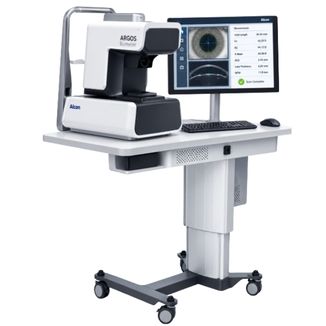
Provides highly accurate eye measurements for premium IOL calculations and improved spectacle free cataract surgery outcomes.
✦ Gold-Standard Measurements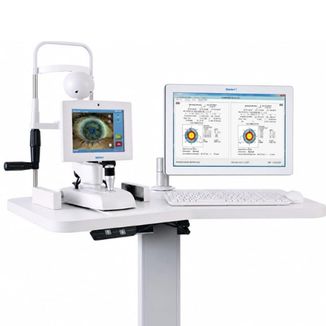
Digital planning technology that supports precise lens alignment and accurate incision placement during cataract surgery.
✦ AI-Assisted Surgical Guidance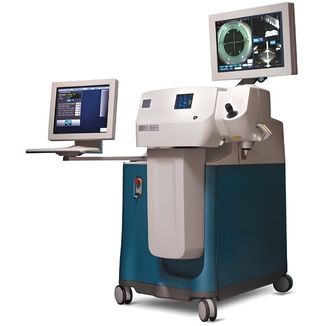
Performs key cataract surgery steps with robotic laser precision for enhanced consistency and surgical accuracy.
✦ Robotic Bladeless Advanced Cataract Surgery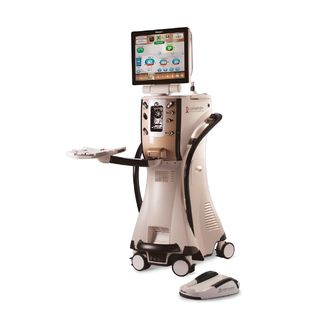
Removes cataracts through micro-incisions using ultrasonic technology for faster recovery and visual rehabilitation.
✦ Micro-Incision Cataract RemovalCATARACT SURGERY COST IN MATUNGA
The ideal cataract surgery option is determined not just by cost, but by the technology and lens best suited to you.
At Surya Eye, We Recommend The Right Lens For Your Eyes, Lifestyle, And Budget - Not Simply The Most Expensive Option.
Per Eye Only.
Cashless Insurance And 0% EMI Options Available*
*Subject To Your Policy Terms.
HEAR IT FROM OUR SPECIALISTS
Hear our specialists explain treatment options, suitability and recovery.
YOU'RE IN SAFE HANDS
Experienced eye surgeons trusted by patients from India and across the world.






Cataract surgery removes the natural lens of the eye after it has become cloudy and replaces it with a clear artificial intraocular lens (IOL). It is the definitive treatment for a cataract once changes in vision begin interfering with everyday tasks.
Patients considering cataract surgery in Matunga can consult the ophthalmology team at Surya Eye for a detailed eye evaluation. The surgical plan and IOL selection are personalised according to factors such as eye health, astigmatism, lifestyle, preferred range of vision and expected dependence on glasses after surgery.
Patients who want to explore cataract treatment across other Surya Eye centres can also learn more about cataract surgery in Mumbai, including available surgical approaches and treatment options.
A cataract does not always need to be operated on immediately after diagnosis. Surgery is generally considered when the clouding of the natural lens begins to noticeably affect vision and daily functioning.
At Surya Eye Hospital, patients considering a cataract operation in Matunga may be advised to undergo surgery when they experience symptoms such as:
The timing of surgery depends more on the effect of cataracts on vision and quality of life than on age alone.
Modern cataract treatment includes different surgical techniques. The most appropriate approach is selected after assessing the cataract, eye measurements, existing eye conditions and the patient’s visual expectations.
Micro-Incision Cataract Surgery involves creating a small incision in the eye and using phacoemulsification to break the cloudy natural lens into small fragments. These fragments are removed before an artificial IOL is implanted.
Refractive cataract surgery combines cataract removal with careful selection of an IOL according to the patient’s vision requirements.
Depending on the eye condition and lens chosen, this approach can address specific visual needs and may help reduce dependence on spectacles after surgery.
Robotic Refractive Cataract Surgery, also known as Femtosecond Laser-Assisted Cataract Surgery (FLACS), uses femtosecond laser technology to assist the surgeon during selected stages of the procedure.
The technique enables precise execution of important surgical steps and may be considered according to the patient’s eye measurements, cataract and individual treatment plan.
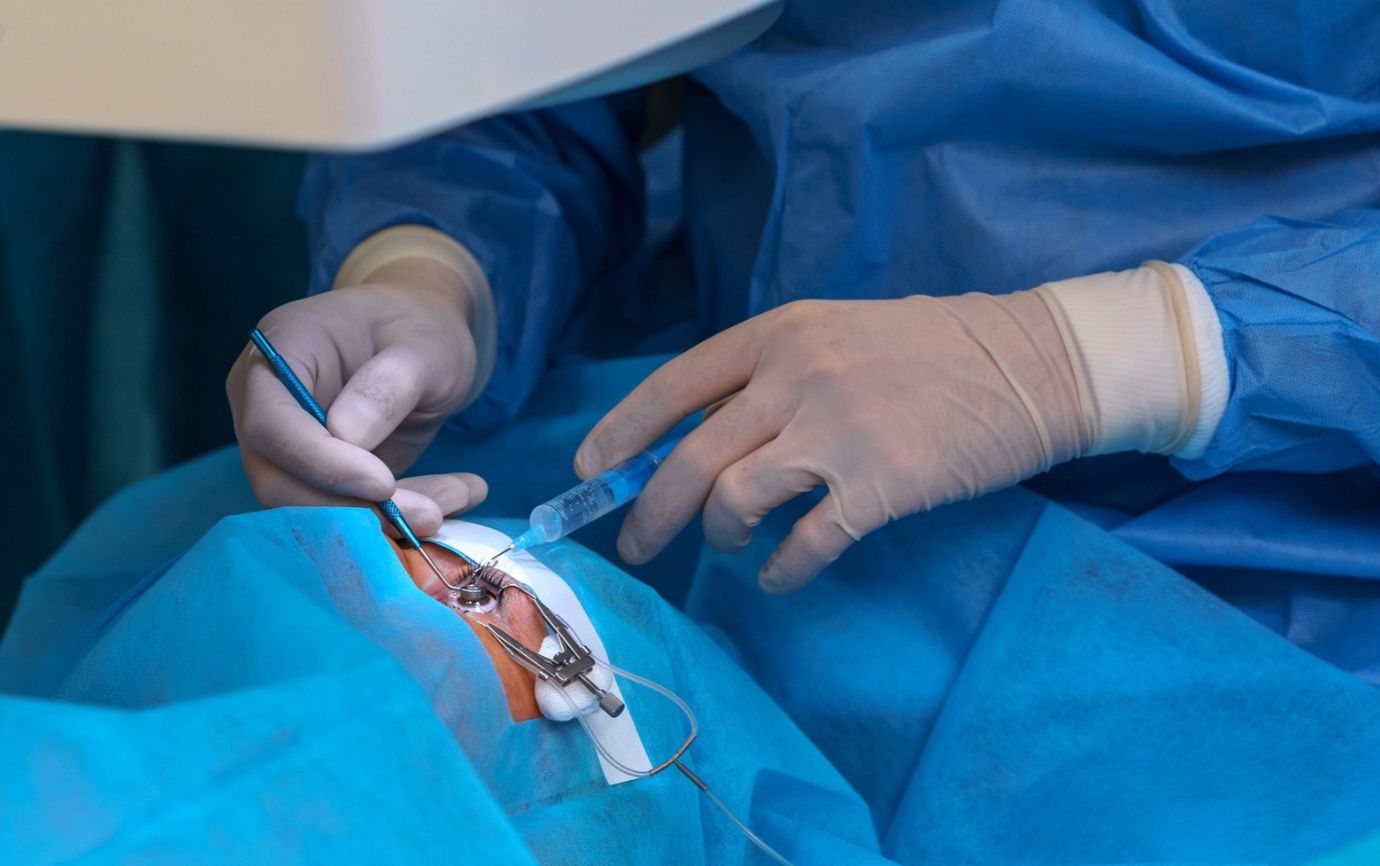
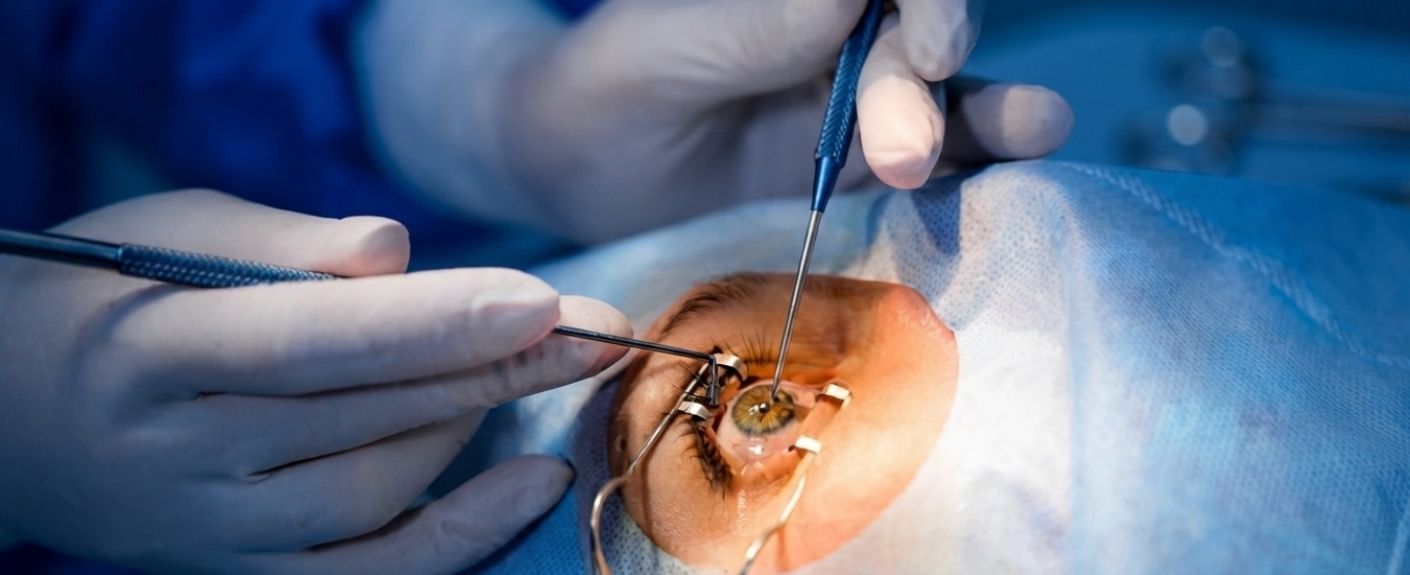
Cataract surgery is generally carried out as a day-care procedure. The surgeon removes the cloudy natural lens through a small incision and implants a clear IOL in its place.
Patients are usually able to return home on the same day after post-operative assessment and instructions.
Before cataract surgery, a comprehensive eye examination is performed to assess the cataract and identify factors that may influence the procedure or visual outcome.
The evaluation may include:
At Surya Eye, diagnostic technologies such as optical biometry and image-guided planning help support accurate measurements and personalised IOL selection.
Before the procedure begins, anaesthetic eye drops are used to numb the eye and keep the patient comfortable.
A small incision is created through which the cloudy lens is fragmented and removed. Once the cataract has been cleared, the selected intraocular lens is positioned inside the eye.
In femtosecond laser-assisted cataract surgery, laser technology assists with selected surgical steps according to the treatment plan.
Modern cataract procedures use specialised diagnostic, measurement and surgical systems at different stages of treatment.
Surya Eye uses technologies such as:
These systems support detailed surgical planning and help customise treatment according to the individual eye.
The actual cataract procedure usually takes approximately 15 to 20 minutes per eye, although the duration can vary depending on the type of cataract, condition of the eye and surgical approach selected.
Additional time is required at the hospital for preparation before surgery and observation afterwards.
Since cataract surgery is usually performed as a day-care procedure, patients can generally return home after the ophthalmologist has completed the necessary post-operative assessment.
Cataract surgery is normally performed after the eye has been numbed using anaesthetic drops, so significant pain during the procedure is not typically expected.
Patients may notice light, movement or slight pressure while the surgery is being performed. Mild watering, irritation or discomfort can sometimes occur during the initial recovery period.
Prescribed eye drops and appropriate post-operative care usually help manage these temporary symptoms while the eye heals.
The cataract surgery cost in Matunga can vary according to the surgical technique, type of intraocular lens, diagnostic investigations, condition of the eye and individual treatment requirements.
For patients considering surgery at Surya Eye, the final cost is determined after a detailed eye examination and discussion of the recommended procedure and IOL.
The cataract operation cost in Matunga should therefore not be evaluated on price alone. The selected treatment should primarily match the patient’s clinical requirements, visual goals and eye health.
Several factors may influence the overall cost of cataract treatment, including:
A detailed consultation helps patients understand which surgical approach and lens option are appropriate before the final treatment cost is determined.
Cataract surgery is covered under many health insurance policies when the procedure fulfils the insurer’s medical and policy requirements.
However, the extent of coverage may vary based on:
Surya Eye offers insurance and cashless assistance through multiple insurers and TPAs, subject to the terms of the individual policy and approval.
Patients should verify their eligibility, applicable limits and cashless approval before scheduling surgery.
Recovery after cataract surgery takes place gradually. Many patients begin to notice an improvement in vision within the first 24 to 48 hours, although temporary blurring may occur while the operated eye adjusts and heals.
Normal light activities can often be resumed within a few days, depending on the ophthalmologist’s advice. Complete visual recovery may take approximately 4 to 6 weeks, although the exact recovery period differs from one patient to another.
Some temporary symptoms may occur during the first few hours or days after surgery. Patients may experience:
Prescribed eye drops should be used exactly as directed. Patients should also follow the protective measures recommended by their ophthalmologist.
Many patients notice clearer vision during the first few days following cataract surgery. Visual improvement generally continues as the operated eye heals and adjusts to the implanted IOL.
The timeline may differ depending on overall eye health, the severity of the cataract, the chosen lens and the individual healing response.
Full recovery after cataract surgery may take approximately 4 to 6 weeks. Follow-up visits remain important throughout this period, even when vision improves quickly.
These appointments allow the ophthalmologist to assess healing, check the position of the implanted lens and monitor for any post-operative concerns.
Following the recommended post-cataract surgery care helps protect the eye during healing and reduces avoidable strain or irritation.
A special diet is usually not necessary after cataract surgery. Patients can generally continue eating a balanced diet containing vegetables, fruits, whole grains, protein and adequate fluids. Any existing dietary restrictions recommended for diabetes, hypertension or another medical condition should continue as advised by the treating doctor.
Cataract surgery removes the cloudy natural lens responsible for reduced visual clarity and replaces it with an artificial lens.
Potential benefits include:
Modern IOL options can also address different visual requirements. The visual outcome depends on factors including eye health, the type of lens selected and any other existing eye conditions.
Cataract surgery is a commonly performed eye procedure and is generally considered safe and effective when appropriately planned and performed.
However, no surgical procedure is completely without risk. Possible complications can include:
Comprehensive assessment before surgery, careful surgical planning and appropriate post-operative follow-up help identify and manage potential concerns.
Patients should seek prompt ophthalmic advice if they develop severe pain, increasing redness, sudden vision loss, flashes of light, new floaters, or other unusual symptoms after surgery.
Patients looking for the best cataract surgeon in Matunga should consider the complete standard of cataract care rather than surgical experience alone.
Important factors to evaluate include:
The recommended procedure should reflect the patient’s eye health and visual requirements instead of using a single surgical approach for every case.
Patients searching for the best hospital for cataract surgery in Matunga should consider specialist expertise, available surgical techniques, diagnostic facilities, IOL options and follow-up care.
Surya Eye provides comprehensive cataract care through its Bandra centre for patients travelling from Matunga and nearby areas.
Cataract care at Surya Eye includes:
Beyond cataract treatment, Surya Eye provides comprehensive ophthalmic care for a wide range of eye conditions, making it a trusted eye hospital in Mumbai for complete eye care.
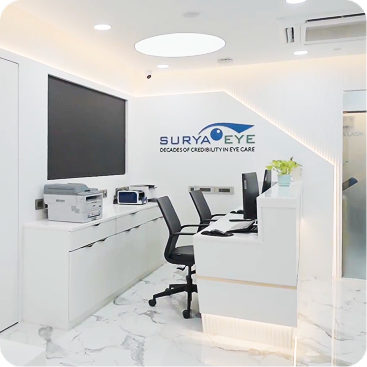
Surya Eye’s Bandra West centre is approximately 7-9 km from Matunga, with a typical road travel time of around 20-30 minutes, depending on traffic and the starting point in Matunga.
The centre can be reached by car, taxi, bus, or a combination of local train and road transport. Patients travelling by train can continue to Bandra and take an auto-rickshaw or taxi to the centre.
Cataracts can cause blurred vision, glare, reduced contrast and difficulty seeing in low-light conditions. These changes may make reading small print, recognising signs, driving at night and performing other routine activities increasingly difficult.
Yes. A cataract can sometimes cause monocular double vision, meaning double images remain visible even when the other eye is closed. An ophthalmologist can determine whether the symptom is caused by a cataract or another eye condition.
The ophthalmologist examines the cataract and overall eye health, checks vision and may perform measurements needed for surgical and IOL planning. Your symptoms, lifestyle, medical history and visual expectations are also discussed before treatment is recommended.
Many patients with well-controlled hypertension can undergo cataract surgery. However, the ophthalmologist will review your medical history and may advise appropriate medical assessment or blood pressure control before proceeding with surgery.
Travel recommendations depend on the individual procedure and recovery. Short local journeys may be possible relatively soon, while longer travel or air travel should be discussed with the ophthalmologist based on healing and follow-up requirements.
Avoid rubbing the operated eye, strenuous activity, heavy lifting, swimming and allowing contaminated water or dust to enter the eye. Use prescribed drops regularly and follow the specific recovery instructions given by your ophthalmologist.
Patients from Matunga can schedule a cataract consultation at Surya Eye Hospital’s Bandra West centre through the online appointment service or by contacting the hospital directly.









OUR CENTRES

805 - 807, 8th Floor, Supreme Headquarters, 14th Road, Bandra West, Off Linking Road, MH - 400050
See Centre↗
104, Aroto House, Purushottam Kheraj Rd, Saidham, Mulund West, Mumbai, MH - 400080
See Centre↗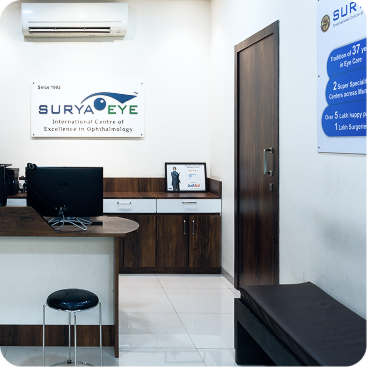
1st Floor, Superior Micron Heights, Sector - 7, Near Apple Hospital & London Shakes, Airoli, Navi Mumbai, MH - 400701
See Centre↗FEATURED



Trusted by 5 Lakh+ Patients.