Comprehensive Cataract Evaluation
Detailed eye examinations and precise measurements help plan surgery and determine an appropriate IOL for your visual requirements.

Modern Cataract Surgery With Personalised IOL Options to Support Clearer Vision and Individual Visual Needs.
Book Free Cataract Evaluation ↗Surya Eye offers state-of-the-art cataract surgery to restore clearer vision and improve everyday visual comfort.
Surya Eye combines experienced cataract specialists, advanced surgical technology, and personalised treatment planning to provide comprehensive cataract care near Andheri.
Detailed eye examinations and precise measurements help plan surgery and determine an appropriate IOL for your visual requirements.
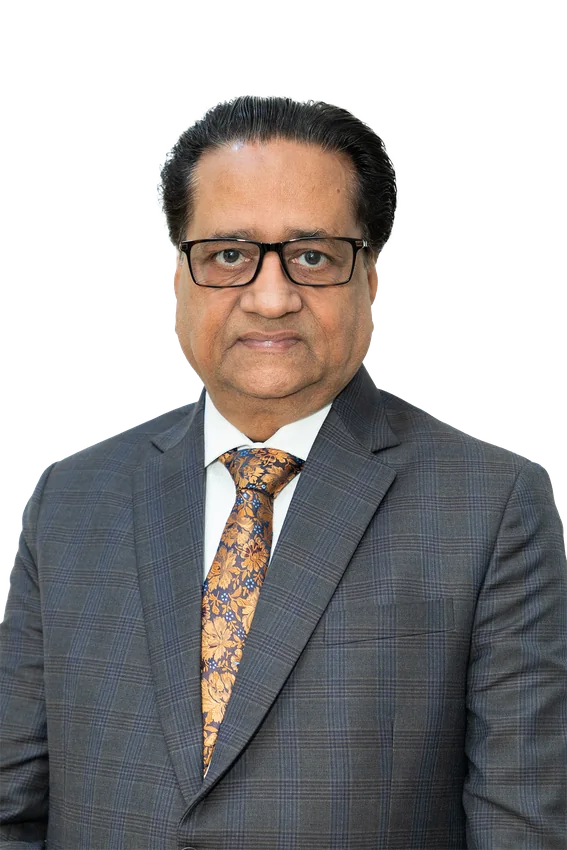
 Dr. Vinod Goyal
Advanced femtosecond laser technology supports precision and consistency during selected stages of cataract surgery.
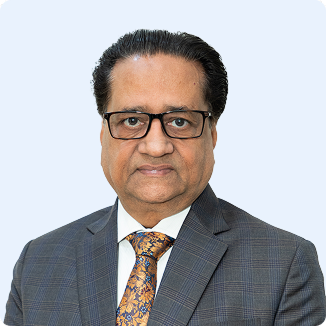
 Dr. Jay Goyal

Dr. Vinod Goyal, Dr. Jay Goyal, and the cataract care team bring extensive experience in modern cataract procedures.

Monofocal, multifocal, trifocal, EDOF, and toric lenses are considered according to eye health, lifestyle, and individual visual needs.

Personalised guidance is provided from cataract evaluation and IOL planning through surgery, recovery, and follow-up.
.jpg)
Safe micro-incision cataract surgery for effective vision restoration and reliable everyday visual outcomes.
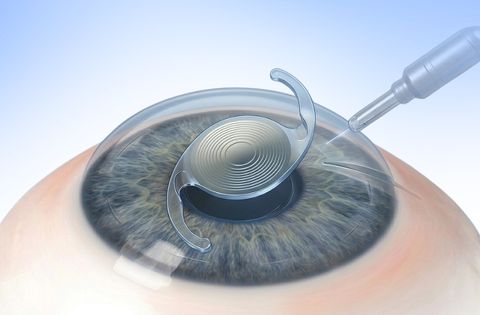
Combines cataract surgery with premium IOLs to reduce dependence on glasses and improve vision.
.jpg)
Blade-free femtosecond laser technology with robotic precision for personalized cataract surgery and enhanced accuracy.
TECHNOLOGY COMPARISON
Compare traditional cataract surgery and FLACS based on the technology used, surgical technique, precision, and visual recovery.
| Feature | Traditional Cataract Surgery | FLACS |
|---|---|---|
| Technology | Manual Phacoemulsification | Femtosecond Laser Assisted |
| Incisions | Manually Created | Laser-Created |
| Capsulotomy | Manually Performed | Laser-Created |
| Lens Softening | Ultrasound-Assisted | Laser-Assisted |
| Premium IOLs | Suitable | Commonly Paired |
| Surgical Approach | Conventional Technique | Advanced Bladeless Technique |
| Visual Recovery | Varies By Patient And Procedure | Designed For Faster Recovery In Suitable Cases |
| Accuracy | Accuracy Depends On The Surgical Technique Used | Higher Accuracy As Human Error Is Minimized With Laser |
| Spectacle Freedom | Depends On The Skills Of The Cataract Surgeon | Greater Freedom From Glasses |
INTRAOCULAR LENS (IOL) OPTIONS AT SURYA EYE
The IOL implanted during cataract surgery plays an important role in your post-surgery vision. Lens selection at Surya Eye considers your eye health, daily activities, visual priorities, and lifestyle.
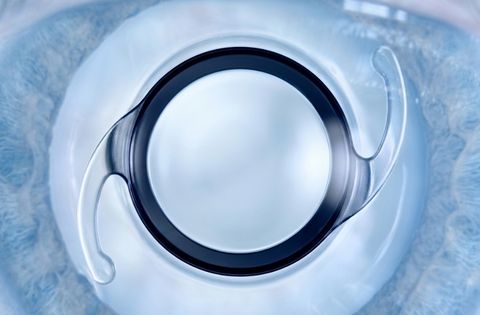
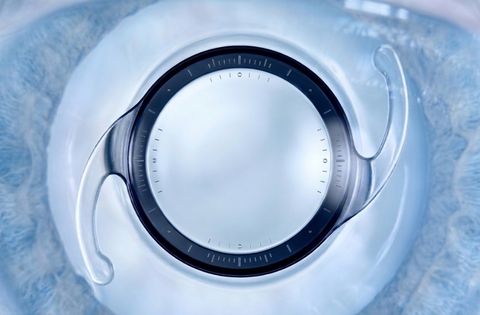
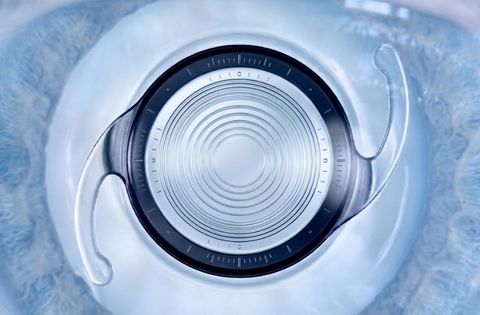

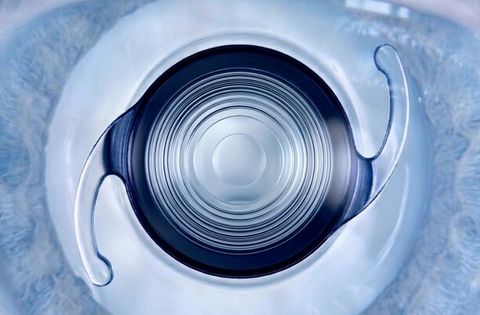
COMPARE YOUR LENS OPTIONS
Understand how different premium IOLs compare across vision range, lifestyle needs, and visual quality.
| Types Of IOL | Near Vision |
Intermediate Vision |
Distance Vision |
Astigmatism Correction |
Glasses Dependence |
Night Vision / Halos |
ReLACS Compatibility |
Best For |
|---|---|---|---|---|---|---|---|---|
| Monofocal Toric |
× | × | ✓ | Minimal | Best | Best | ✓ | Clear Distance Vision |
| Trifocal | ✓ | ✓ | ✓ | More Common | Slightly Reduced |
Moderate | × | Reading, Computer Work, And Distance Vision |
| Most Popular Trifocal Toric |
✓ | ✓ | ✓ | More Common | Slightly Reduced |
Moderate | ✓ | Reading, Computer Work, Distance Vision, And Astigmatism Correction |
| Extended Depth Of Focus (EDOF) |
× | ✓ | ✓ | Minimal | Best | Best | × | Screens, Computer Work, And Night Driving |
| EDOF Toric |
× | ✓ | ✓ | Minimal | Best | Best | ✓ | Screens, Computer Work, Night Driving, And Astigmatism Correction |
| Full Range Of Vision (FRV) |
✓ | ✓ | ✓ | Less Than Trifocal | Better Than Trifocal |
Good | × | Maximum Freedom From Glasses & Occasional Night Driving |
| Full Range Of Vision (FRV) Toric |
✓ | ✓ | ✓ | Less Than Trifocal | Better Than Trifocal |
Good | ✓ | Maximum Freedom From Glasses With Astigmatism Correction & Occasional Night Driving |
2-MINUTE CATARACT SELF-CHECK
Answer a few simple questions to understand whether your vision changes may be related to cataracts. A comprehensive eye evaluation at Surya Eye can help confirm the cause.
If You Answered “Yes” To Any Of These Questions, A Cataract Evaluation May Be Beneficial.
THE CATARACT SURGERY JOURNEY AT SURYA EYE
A personalised journey from detailed eye evaluation and lens planning to cataract surgery, recovery, and follow-up care.
Detailed eye assessment and personalised IOL selection based on your eye health, visual needs, and lifestyle.
FLACS or advanced phaco surgery is typically completed within 15-20 minutes, depending on the individual treatment plan.
Vision may begin improving within 24-48 hours, while complete visual recovery typically progresses over 4-6 weeks.
ADVANCED CATARACT TECHNOLOGY
Modern diagnostic and surgical technologies support accurate eye measurements, personalised IOL planning, and precise cataract surgery.
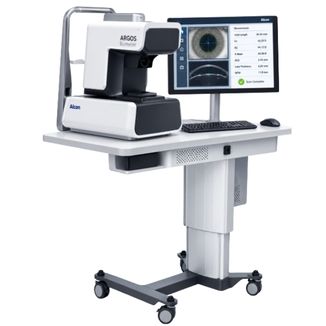
Provides highly accurate eye measurements for premium IOL calculations and improved spectacle free cataract surgery outcomes.
✦ Gold-Standard Measurements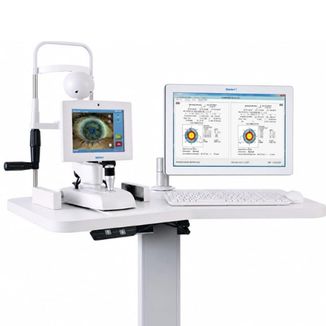
Digital planning technology that supports precise lens alignment and accurate incision placement during cataract surgery.
✦ AI-Assisted Surgical Guidance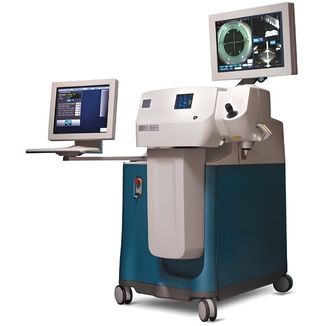
Performs key cataract surgery steps with robotic laser precision for enhanced consistency and surgical accuracy.
✦ Robotic Bladeless Cataract Surgery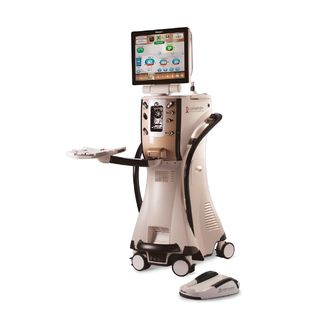
Removes cataracts through micro-incisions using ultrasonic technology for faster recovery and visual rehabilitation.
✦ Micro-Incision Cataract RemovalCATARACT SURGERY COST IN ANDHERI
The ideal cataract surgery option is determined not just by cost, but by the technology and lens best suited to you.
At Surya Eye, We Recommend The Right Lens For Your Eyes, Lifestyle, And Budget - Not Simply The Most Expensive Option.
Per Eye Only.
Cashless Insurance And 0% EMI Options Available*
*Subject To Your Policy Terms.
HEAR IT FROM OUR SPECIALISTS
Hear our specialists explain treatment options, suitability and recovery.
YOU'RE IN SAFE HANDS
Experienced eye surgeons trusted by patients from India and across the world.






Cataract surgery is a procedure in which the eye’s cloudy natural lens is removed and replaced with a clear artificial intraocular lens (IOL). It is the definitive treatment for cataracts when blurred or cloudy vision begins affecting daily activities.
At Surya Eye, patients considering cataract surgery in Andheri can access personalised cataract care at the nearby Bandra West centre. Treatment planning considers eye health, lifestyle, astigmatism, visual expectations and preferred dependence on glasses before the surgical technique and IOL are selected.
Patients who want to explore cataract treatment across other Surya Eye centres can also learn more about cataract surgery in Mumbai, including available surgical approaches and treatment options.
Cataracts do not always require surgery immediately after diagnosis. Surgery is generally considered when vision changes begin affecting your ability to perform routine activities safely and comfortably.
At Surya Eye, an ophthalmologist may recommend a cataract operation in Andheri for patients experiencing:
The timing of cataract surgery depends more on the effect of the cataract on vision and quality of life than on age alone.
Different cataract surgery techniques may be recommended depending on the condition of the eye, cataract severity, visual goals and individual clinical requirements.
Micro-Incision Cataract Surgery uses a small incision and phacoemulsification technology to break down and remove the cloudy natural lens. A suitable intraocular lens is then implanted in its place.
Refractive cataract surgery combines removal of the cataract with personalised IOL selection. Depending on the patient’s eye measurements and visual needs, an appropriate lens may also help reduce dependence on spectacles after surgery.
Robotic Refractive Cataract Surgery, or Femtosecond Laser-Assisted Cataract Surgery (FLACS), uses femtosecond laser technology to assist with selected stages of the procedure.
Surya Eye’s Bandra centre provides cataract surgery, including bladeless cataract procedures, as part of its advanced eye care services.
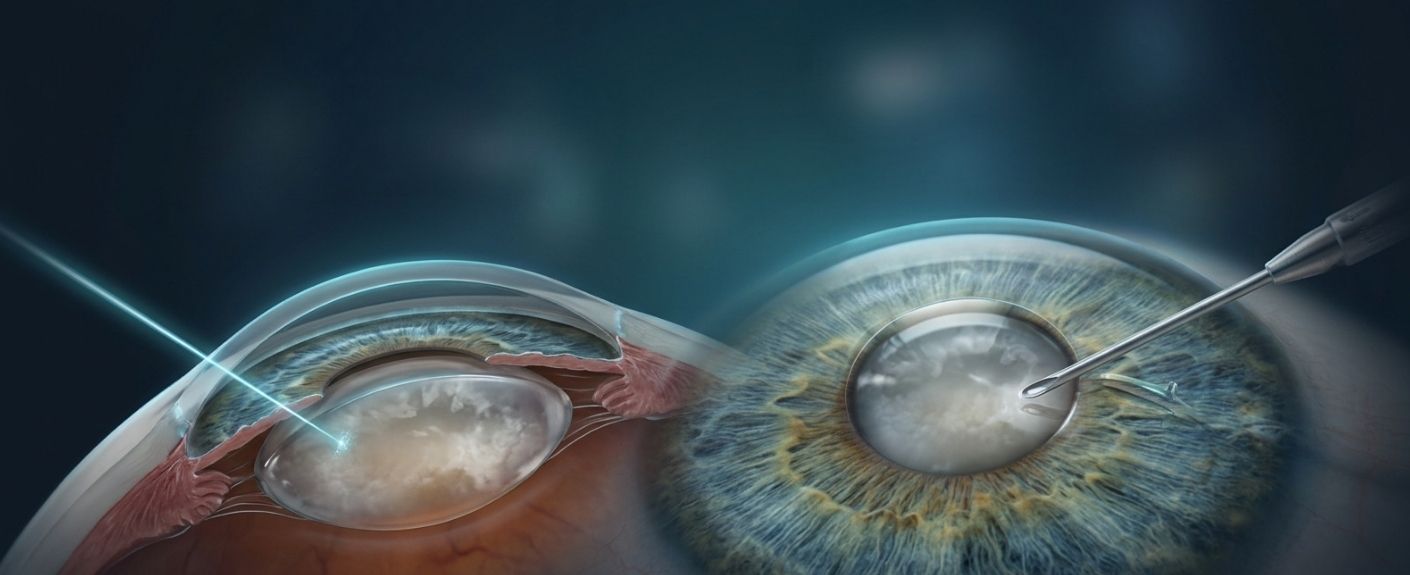
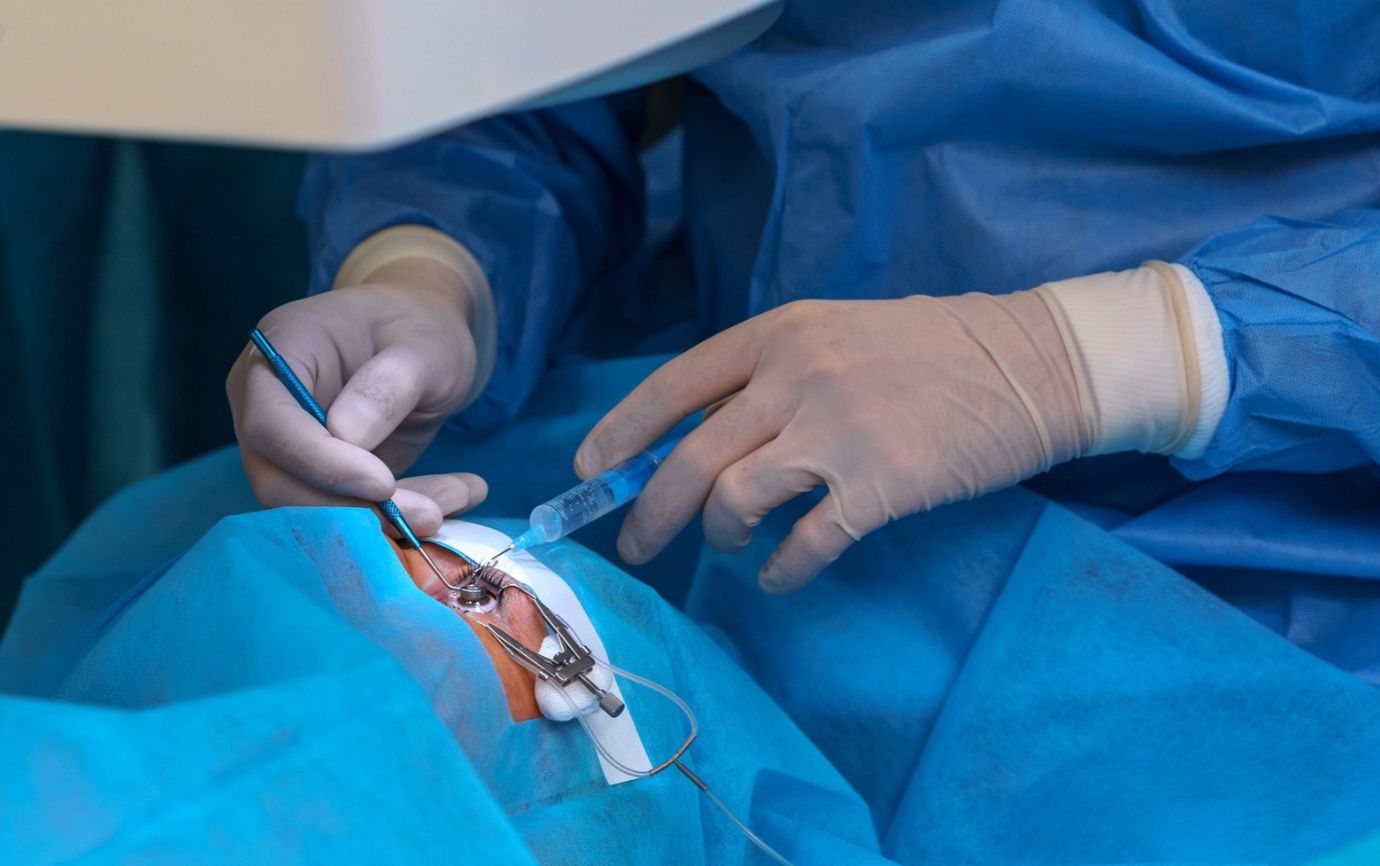
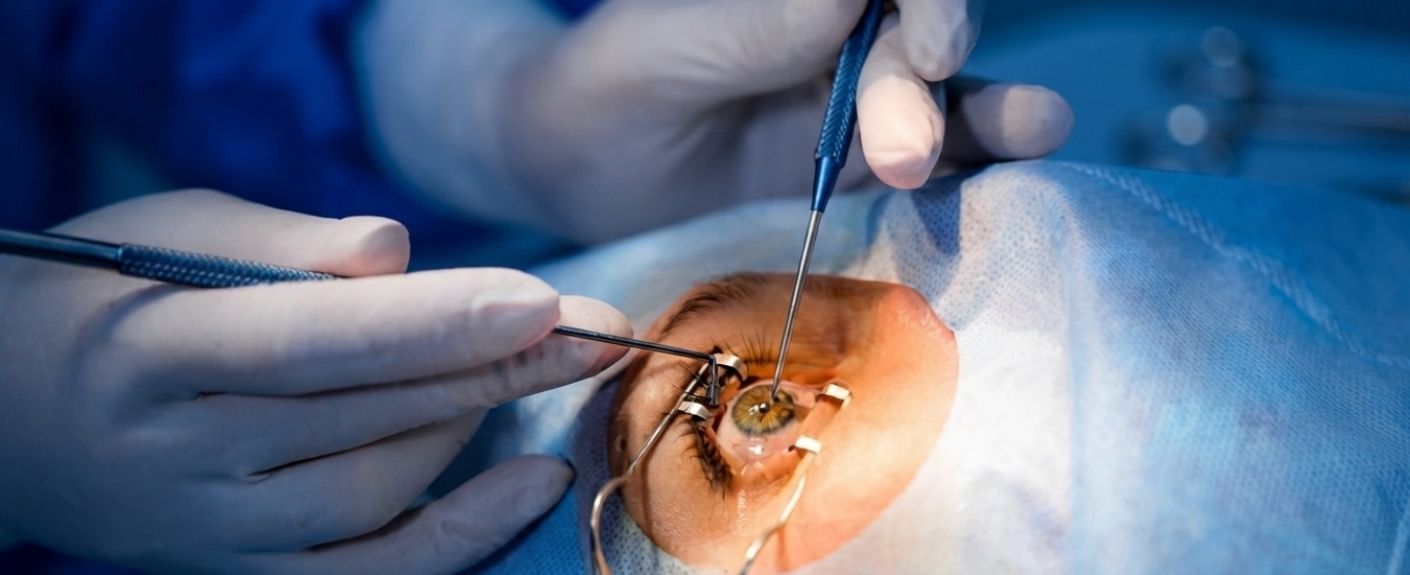
Cataract surgery is usually carried out as a day-care procedure. The surgeon removes the cloudy natural lens through a small incision and replaces it with an artificial intraocular lens that remains permanently within the eye.
Before cataract surgery, the ophthalmologist performs a detailed examination to assess the cataract, overall eye health and individual visual requirements.
The evaluation may include:
Precise measurements help the ophthalmologist select a suitable IOL and plan the surgical approach according to the individual eye.
The procedure begins by numbing the eye with anaesthetic drops. A small opening is created in the eye, after which the cloudy natural lens is fragmented and removed. The selected artificial intraocular lens is then implanted to replace it.
In femtosecond laser-assisted cataract surgery, laser technology may assist with certain surgical steps to improve precision and consistency.
Modern cataract surgery uses diagnostic and surgical systems for eye measurements, treatment planning, IOL calculations and cataract removal.
Technologies used across Surya Eye include:
These technologies support accurate surgical planning and personalised cataract treatment.
Cataract surgery generally takes around 15 to 20 minutes per eye, although the exact duration depends on the cataract, eye condition and surgical technique.
Patients usually spend additional time at the centre for preparation before surgery and observation afterwards.
Since cataract surgery is generally a day-care procedure, most patients can return home on the same day after receiving post-operative instructions.
Cataract surgery is performed after the eye has been numbed with anaesthetic drops, so significant pain is not usually expected during the procedure.
Patients may notice light, movement or mild pressure during surgery. Some temporary watering, irritation or mild discomfort can also occur during the initial recovery period.
Prescribed eye drops and post-operative instructions help support comfort and healing after surgery.
The cataract surgery cost in Andheri can vary according to the surgical technique, type of IOL, diagnostic requirements, individual eye condition and insurance coverage.
Patients visiting Surya Eye’s nearby Bandra centre undergo a detailed eye evaluation before the final treatment cost is determined.
Those enquiring about the cataract operation cost in Andheri should therefore consider the complete treatment plan rather than the surgery fee alone, as IOL choice and individual clinical requirements can affect the overall cost.
The final cost of cataract surgery may depend on:
The surgical technique and IOL should be selected primarily according to visual requirements and eye health rather than cost alone.
Cataract surgery is commonly covered by health insurance when it meets the medical and policy requirements specified by the insurer.
Coverage can differ depending on:
Surya Eye provides insurance assistance for cataract surgery, although the extent of coverage depends on the patient’s policy and chosen lens.
Patients should confirm insurance eligibility and cashless coverage before scheduling surgery.
Recovery following cataract surgery is gradual. Many patients begin noticing clearer vision within the first few days, although mild blurring or temporary visual fluctuations may occur initially.
Routine activities can often be resumed gradually based on the ophthalmologist’s advice. Complete visual recovery can take several weeks, depending on the health of the eye and individual healing response.
During the initial recovery period, patients may experience:
Patients should use prescribed eye drops regularly and follow protective measures recommended by their ophthalmologist.
Many patients notice some improvement in vision during the first few days after surgery. Vision may continue to become clearer as the eye heals and adjusts to the new intraocular lens.
Recovery can vary depending on cataract severity, overall eye health, IOL selection and the individual healing response.
Complete visual recovery may take around 4 to 6 weeks in many patients. Follow-up visits remain important during this period so the ophthalmologist can assess healing, monitor the implanted IOL and identify any concerns early.
Proper post-operative care helps protect the healing eye and supports recovery after surgery.
Following these precautions after cataract surgery can help reduce unnecessary strain and support safe healing.
A special diet is usually not required after cataract surgery. Patients can generally continue a balanced diet containing vegetables, fruits, whole grains, proteins and adequate fluids unless a doctor has recommended dietary restrictions because of another medical condition.
Cataract surgery removes the cloudy natural lens and can significantly improve visual clarity. Potential benefits include:
Modern intraocular lenses may also address different ranges of vision depending on the patient’s eye health and the lens selected.
Cataract surgery is one of the most commonly performed eye procedures and is generally considered safe and effective.
However, every surgery carries potential risks. Possible complications include:
Thorough evaluation before surgery, appropriate surgical planning and regular follow-up help reduce and manage potential complications.
Patients should seek prompt medical attention if they experience severe pain, sudden reduction in vision, increasing redness, flashes, new floaters or other unexpected symptoms.
Patients looking for the best cataract surgeon in Andheri should consider more than the surgeon’s experience alone.
Important factors to consider include:
Choosing a cataract team that combines clinical expertise, detailed evaluation and appropriate technology can help patients make informed decisions about their treatment.
Patients searching for the best hospital for cataract surgery in Andheri can access Surya Eye’s cataract services at its nearby Bandra West centre.
Surya Eye has provided ophthalmic care for more than four decades and offers cataract treatment, including robotic cataract surgery and bladeless cataract surgery, across its Mumbai centres.
Cataract care at Surya Eye includes:
Beyond cataract treatment, patients looking for comprehensive ophthalmic care can explore Surya Eye, a trusted eye hospital in Mumbai, for access to a wider range of eye care services.
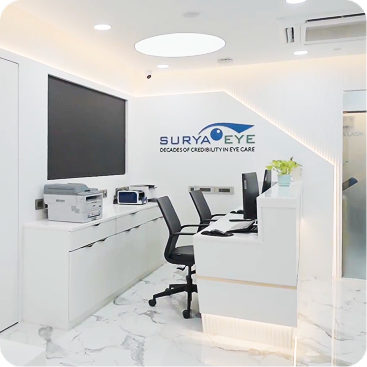
Surya Eye’s Bandra centre is conveniently accessible from Andheri, at approximately 7-9 km and around 20-30 minutes by road, depending on traffic and the starting point in Andheri.
Patients can travel by car, taxi, auto-rickshaw, bus, or local train.
Not always. Cataract surgery is generally considered when cloudy or blurred vision begins affecting everyday activities such as reading, driving, working or watching television. Your ophthalmologist will assess how significantly the cataract is affecting your vision before recommending surgery.
Cataract surgery is commonly planned separately for each eye. The timing of surgery for the second eye depends on the surgeon’s recommendation, healing of the first eye, overall eye health and individual treatment requirements.
Many patients can gradually resume light daily activities within a few days. Activities involving heavy lifting, swimming, strenuous exercise or potential eye contamination should be avoided until the ophthalmologist confirms that they are safe.
It can, depending on the intraocular lens selected and the patient’s eye condition. Some IOLs are designed to improve vision at particular or multiple distances, although glasses may still be required for certain activities.
The removed cataract itself cannot return because the cloudy natural lens is permanently replaced with an artificial IOL. However, some patients may later develop clouding behind the implanted lens, known as posterior capsule opacification, which can usually be treated with laser.
People with diabetes can undergo cataract surgery, but careful eye evaluation and appropriate control of blood sugar are important. The ophthalmologist may also assess the retina for diabetic eye changes before planning treatment.
Patients should contact their ophthalmologist promptly if they experience severe eye pain, sudden worsening of vision, increasing redness, flashes of light, new floaters, significant swelling or other unexpected symptoms following surgery.
Patients from Andheri can book a cataract consultation at Surya Eye Hospital’s Bandra West centre through the online appointment service or by contacting the centre directly.









OUR CENTRES

805 - 807, 8th Floor, Supreme Headquarters, 14th Road, Bandra West, Off Linking Road, MH - 400050
See Centre↗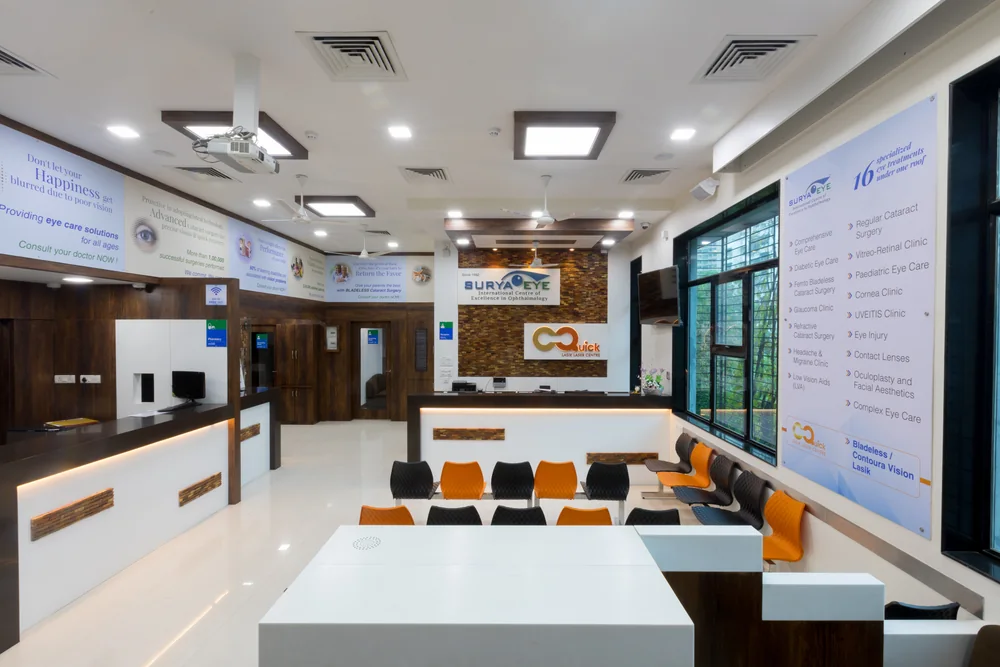
104, Aroto House, Purushottam Kheraj Rd, Saidham, Mulund West, Mumbai, MH - 400080
See Centre↗ Center 1.png)
1st Floor, Superior Micron Heights, Sector - 7, Near Apple Hospital & London Shakes, Airoli, Navi Mumbai, MH - 400701
See Centre↗FEATURED



Trusted by 5 Lakh+ Patients.