

"Revolutionising eye care with precision, safety, and enhanced outcomes through a blend of Clinical expertise and Artificial Intelligence based planning."
In recent years, the integration of artificial intelligence (AI) into various fields has transformed traditional practices, and the medical industry is no exception.
One of the most exciting advancements in ophthalmology is the emergence of AI-assisted LASIK, a revolutionary approach to vision correction. This innovative technology promises to enhance precision, safety, and outcomes, making it a game-changer for patients seeking clearer vision.
Understanding LASIK
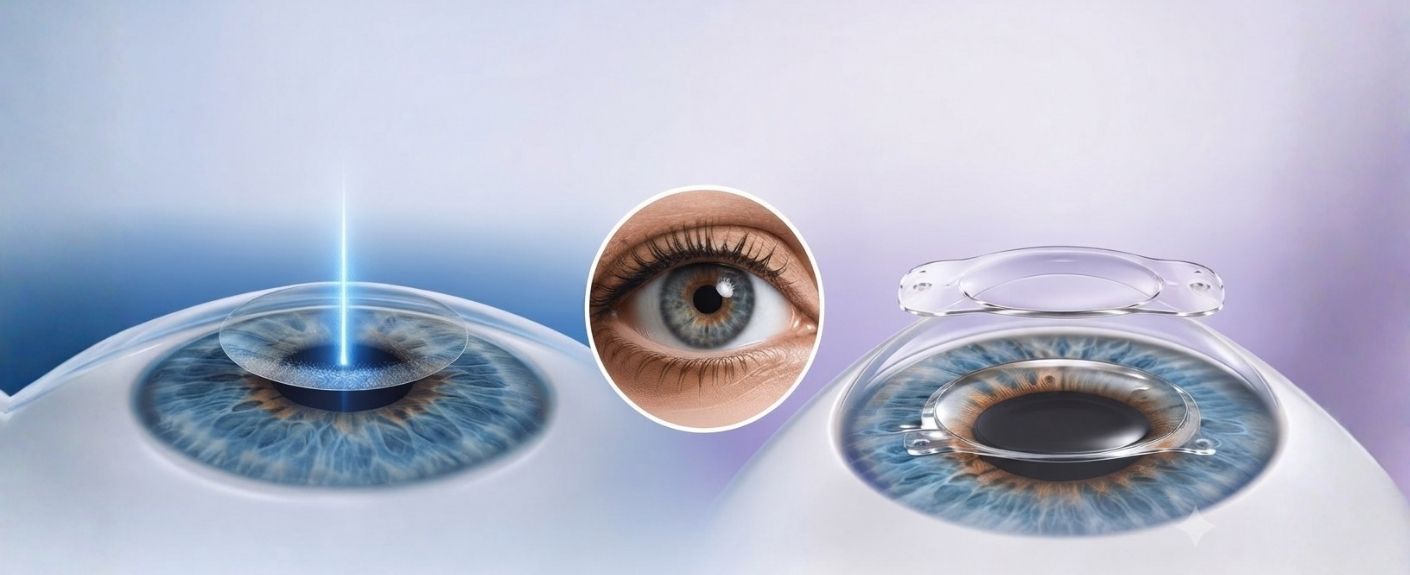
Laser-Assisted In Situ Keratomileusis (LASIK) is a popular surgical procedure used to correct vision problems such as myopia (nearsightedness), hyperopia (farsightedness), and astigmatism.
Traditionally, LASIK involves using a laser to reshape the cornea, allowing light entering the eye to be properly focused onto the retina. This procedure has been widely successful, offering millions of people the chance to see clearly without the need for glasses or contact lenses.
The Role of AI in LASIK
AI technology has the potential to elevate LASIK surgery to new heights by improving the precision and customization of the procedure. Here's how AI is making a difference:
1. Preoperative Analysis: AI algorithms can analyze a patient's eye data more comprehensively and accurately than traditional methods. This includes evaluating corneal thickness, shape, corneal biomechanics and other critical factors. By processing vast amounts of data, AI can make predictive models, to predict the safety of LASIK procedure in the particular patient. This helps ophthalmologists develop a highly personalised surgical plan tailored to each patient's unique eye characteristics.
2. Type of Procedure: Vision correction has various procedures like Bladeless LASIK, ICL, Smile, Clear, Silk, PRK, Streamlight etc. All these procedures are equally good and there is no better or worse. What is the best for some other patient may not be the best for you. AI based scans help the doctor decide what type of vision correction is suitable for you and will give you the best possible quality of vision without compromising on safety.
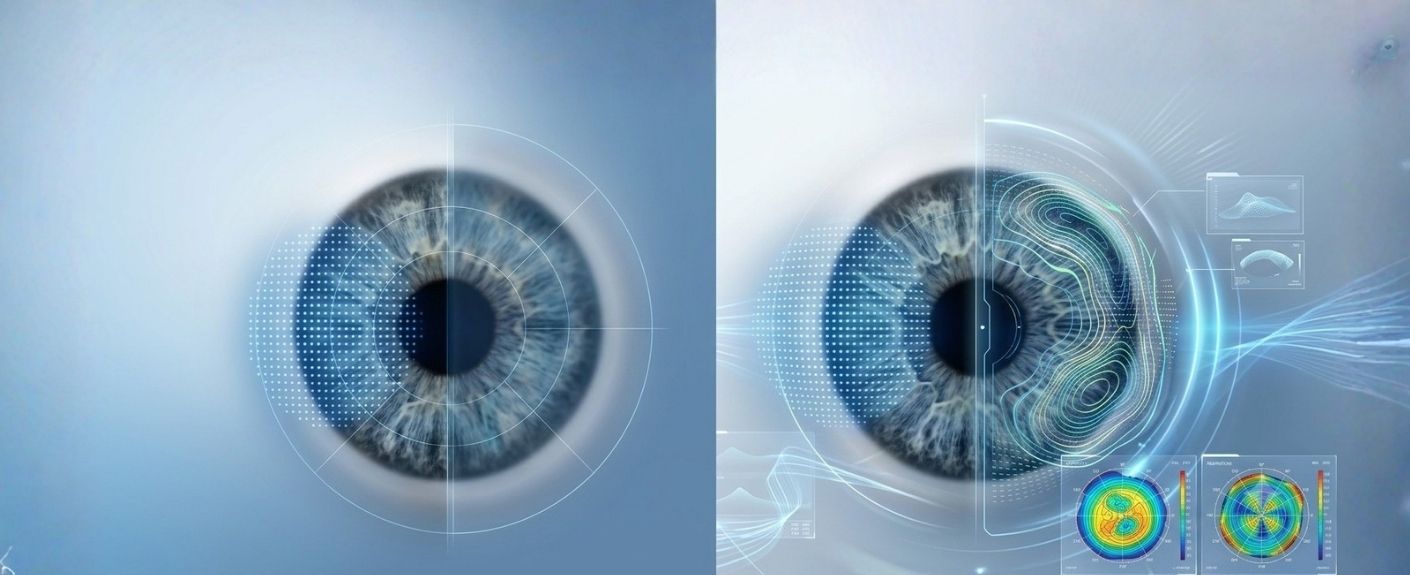
3. Contoura Vision: This technology uses an AI based scanner that scans 22,000+ points on your eye creating a unique topographic map. The surgeon can then customize each point to make a personalized treatment ensuring the perfect quality of vision for you.
4. Enhanced Imaging: Advanced AI-driven imaging technologies, such as Optical Coherence Tomography (OCT), provide high-resolution, three-dimensional images of the eye. These detailed images enable surgeons to better understand the eye's anatomy and make more precise adjustments during the LASIK procedure.
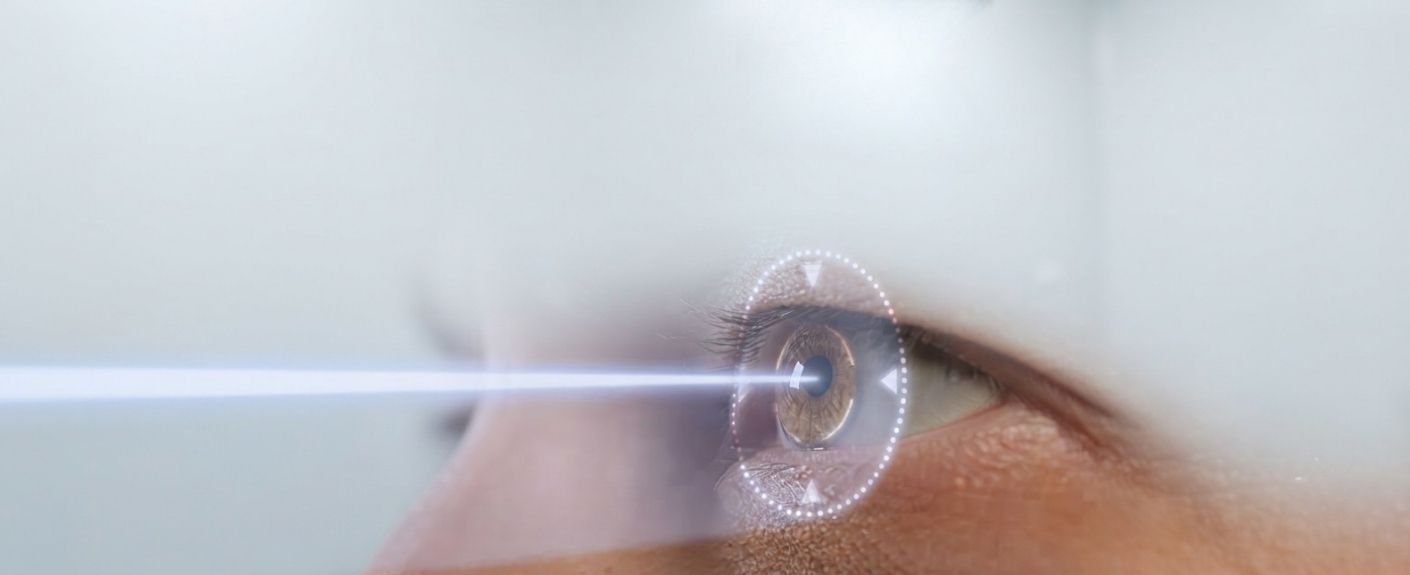
5. Real-Time Adjustments: During the LASIK surgery, AI systems can monitor the eye's movements and make real-time adjustments to the laser's focus and intensity. This ensures that the laser accurately targets the desired areas of the cornea, even if the patient's eye shifts slightly during the procedure. This level of precision reduces the risk of errors and enhances the overall safety of the surgery.
6. Postoperative Care: AI can also play a significant role in postoperative care by analyzing recovery data and predicting potential complications. This allows ophthalmologists to provide timely interventions and personalized care plans, improving the patient's recovery experience and long-term vision outcomes.
Benefits of AI-Powered LASIK
The integration of AI into LASIK surgery offers numerous benefits for both patients and ophthalmologists:
Increased Precision: AI-driven analysis and real-time adjustments enhance the accuracy of the procedure, leading to better visual outcomes and reduced risk of complications.
Personalization: Each LASIK surgery can be tailored to the individual patient's eye characteristics, ensuring optimal results.
Safety: AI technology helps minimize human error and increases the overall safety of the procedure.
Improved Recovery: AI's role in postoperative care ensures that patients receive the best possible support during their recovery period.
Conclusion
AI-powered LASIK represents a significant leap forward in the field of vision correction. By harnessing the power of artificial intelligence, ophthalmologists can provide patients with safer, more precise, and highly personalized treatments.
As AI technology continues to evolve, we can expect even greater advancements in LASIK and other areas of eye care, ultimately leading to a future where clearer vision is within reach for everyone.
Whether you're considering LASIK for the first time or seeking an upgrade from traditional methods, AI-powered LASIK offers a promising glimpse into the future of vision correction. Embrace the innovation and see the world with newfound clarity.
Along with innovation, patients should also consider LASIK surgery cost in Mumbai when planning treatment.
FAQs
What is AI-powered LASIK?
AI-powered LASIK combines laser vision correction with AI-assisted analysis and treatment planning. AI can analyse detailed eye measurements to help the ophthalmologist assess suitability, select an appropriate vision correction procedure, and develop a personalised treatment plan.
Does AI perform LASIK surgery instead of an eye surgeon?
No. AI does not replace the ophthalmologist. It assists the surgeon by analysing eye measurements, supporting treatment planning and providing data that can help improve precision and personalisation. The procedure remains under the supervision and expertise of the eye surgeon.
How does AI help determine if I am suitable for LASIK?
AI-assisted systems can analyse factors such as corneal thickness, shape and biomechanics. This information helps the ophthalmologist evaluate whether laser vision correction is appropriate and plan treatment according to the individual characteristics of the patient’s eyes.
Does AI make LASIK safer?
AI-assisted analysis can support patient selection, treatment planning and precision. However, LASIK still carries potential risks, and safety depends on factors including appropriate patient selection, the technology used and the expertise of the treating ophthalmologist.
Can AI help with recovery after LASIK?
AI-based systems may assist in analysing post-operative information and identifying recovery patterns or potential concerns. Clinical follow-ups with the ophthalmologist, however, remain an important part of monitoring recovery after LASIK.
Is AI-powered LASIK suitable for everyone?
No. Suitability for LASIK depends on individual factors such as prescription, corneal characteristics and overall eye health. A comprehensive eye examination is necessary before the ophthalmologist can recommend the appropriate vision correction procedure.
Understand your suitability and the right treatment approach before you decide.