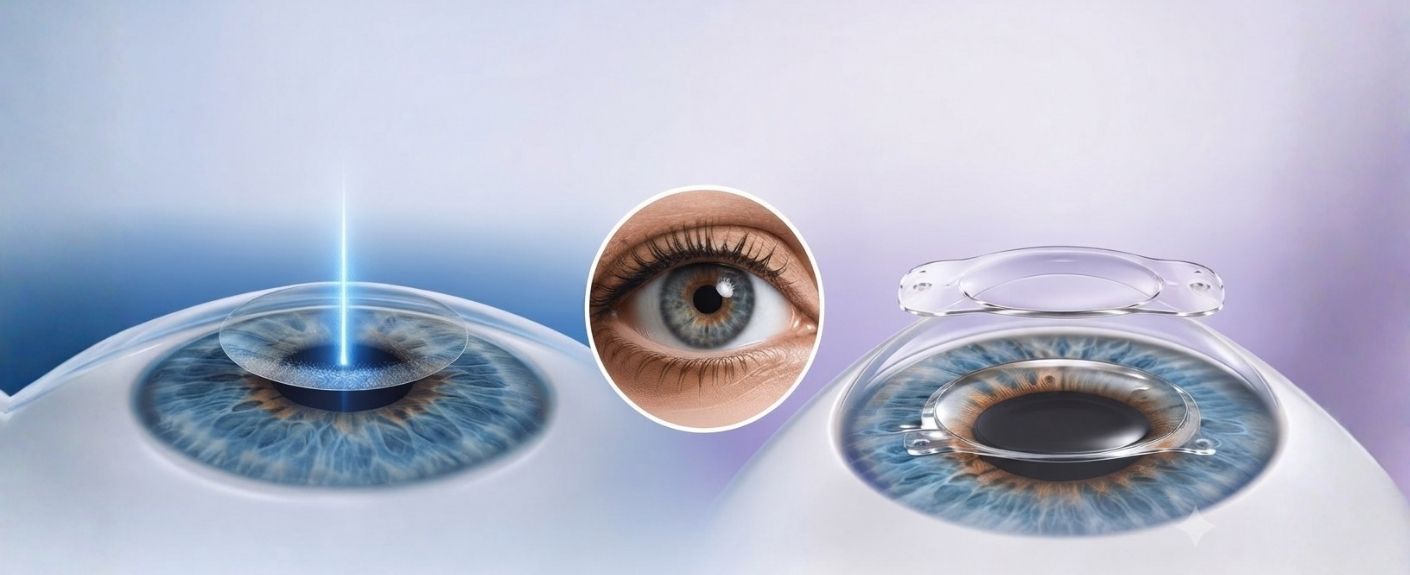



LASIK after cataract surgery is possible for many patients who continue to experience refractive errors after their cataract procedure. Although modern cataract surgery aims to reduce dependence on glasses, some people still notice blurred distance or near vision because of small remaining prescription errors.
LASIK can refine vision by reshaping the cornea and correcting residual myopia, hyperopia, or astigmatism. However, it is not suitable for everyone. Your eye surgeon must evaluate your corneal thickness, tear film, healing after cataract surgery, and overall eye health before recommending treatment.
At Surya Eye, our experienced LASIK specialist in Mumbai conducts detailed preoperative assessments after cataract surgery. This helps determine whether laser enhancement is the most suitable option for patients seeking advanced refractive care.
Can You Have LASIK After Cataract Surgery?
Yes, patients can undergo LASIK after cataract surgery if they have stable vision and healthy eyes. The procedure corrects any remaining refractive error that was not fully addressed by the intraocular lens (IOL).
Even with accurate measurements before cataract surgery, a small residual prescription may remain. While many patients adapt well, others prefer sharper unaided vision for daily activities such as driving, reading signs, or working on a computer.
LASIK may help correct:
- Mild to moderate nearsightedness
- Farsightedness
- Astigmatism remaining after cataract surgery
The procedure does not replace the implanted artificial lens. Instead, it reshapes the cornea to fine-tune the eye's focusing ability.
Why Do Some People Need LASIK After Cataract Surgery?
Some patients require LASIK because a small refractive error remains after cataract surgery. This does not mean the cataract surgery failed. It simply reflects the natural limitations of predicting the exact healing response and lens power.
Several factors can contribute to residual refractive error:
- Individual healing differences
- Minor variations in IOL power calculations
- Pre-existing corneal astigmatism
- Changes in corneal shape
- Previous refractive surgery before cataract removal
Modern cataract surgery achieves excellent visual outcomes for most people. However, studies show that some patients still benefit from an enhancement procedure to achieve their desired level of vision.
When is the Right Time to Have LASIK After Cataract Surgery?
Most ophthalmologists recommend waiting until vision stabilizes before considering LASIK. This usually takes about three to six months after cataract surgery.
During the healing period, your prescription may continue to change slightly. Performing LASIK too early can result in undercorrection or overcorrection.
Your surgeon will usually confirm:
- Stable vision on repeated eye examinations
- Complete healing of the surgical incision
- Healthy corneal surface
- Stable tear film
- No ongoing inflammation
The exact waiting period varies depending on individual healing and any underlying eye conditions.
Timeline After Cataract Surgery
| Time After Cataract Surgery | What Usually Happens |
| First week | Initial healing and reduction of inflammation |
| One month | Vision continues to improve and stabilize |
| Three months | Most patients have stable refraction |
| Three to six months | LASIK evaluation to determine if residual refractive error persists |
Who is a Good Candidate for LASIK After Cataract Surgery?
Patients with healthy corneas, stable vision, and remaining refractive errors are generally good candidates for LASIK after cataract surgery. A detailed eye examination is necessary before making this decision.
Your ophthalmologist evaluates several factors, including:
- Corneal thickness
- Corneal shape and topography
- Tear production
- Stability of prescription
- Overall retinal health
- Eye pressure
- Presence of glaucoma or macular disease
Patients with severe dry eye, advanced corneal disease, or unstable vision may need another treatment option instead of LASIK.
Who May Not Be Suitable for LASIK?
LASIK is not appropriate for every patient after cataract surgery. Certain eye conditions can increase the risk of complications or reduce the chances of achieving good visual results.
LASIK may not be recommended for people with:
- Severe dry eye disease
- Thin or irregular corneas
- Keratoconus
- Uncontrolled glaucoma
- Active eye infection
- Significant retinal disorders
- Poor corneal healing
In these situations, your ophthalmologist may recommend PRK, glasses, contact lenses, or another refractive enhancement procedure.
Can You Get LASIK? Everything You Need to Know Before Eye Surgery | Dr. Jay Goyal
What Are the Benefits of LASIK After Cataract Surgery?
LASIK can improve visual clarity by correcting the small prescription remaining after cataract surgery. Many patients experience greater independence from glasses for distance vision.
Some of the potential benefits include:
- Sharper distance vision
- Correction of residual astigmatism
- Reduced dependence on spectacles
- Quick outpatient procedure
- Rapid visual recovery
- Long-lasting refractive correction in stable eyes
- High patient satisfaction when appropriately selected
Many patients who receive multifocal or extended depth of focus intraocular lenses also choose LASIK to optimize their visual outcome if a small residual refractive error affects image quality.
How is the Evaluation Performed Before LASIK?
A comprehensive eye examination helps determine whether LASIK is safe and beneficial after cataract surgery. The evaluation goes beyond measuring your glasses prescription.
Your assessment may include:
- Visual acuity testing
- Refraction
- Corneal topography
- Corneal thickness measurement
- Tear film assessment
- Dilated retinal examination
- Measurement of higher-order aberrations
- Review of the implanted intraocular lens
If your eye specialist identifies any issues during evaluation, they may recommend treating those problems before considering laser vision correction.
How is LASIK Performed After Cataract Surgery?
LASIK after cataract surgery follows the same basic steps as standard LASIK. The difference is that the surgeon carefully calculates the laser treatment based on the residual refractive error after cataract surgery rather than the eye's natural lens.
The procedure usually takes about 10 to 20 minutes for both eyes, although the laser treatment itself lasts only a few seconds.
The procedure generally involves:
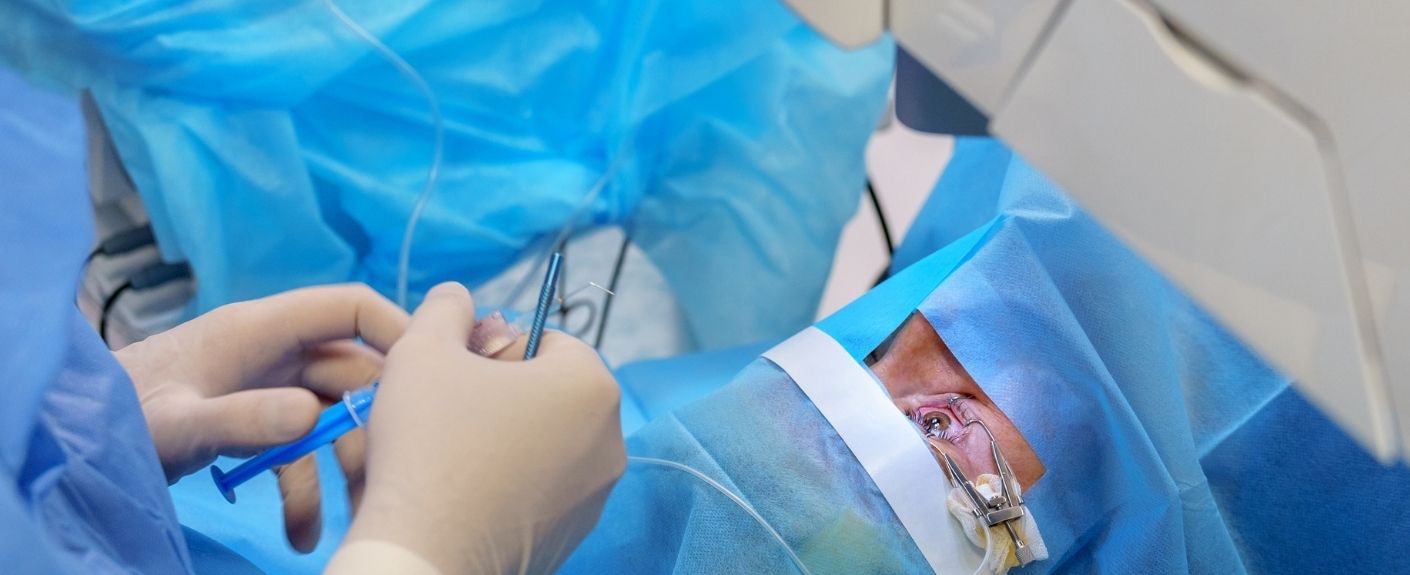
- Numbing the eye with anesthetic eye drops.
- Creating a thin corneal flap using a femtosecond laser or microkeratome.
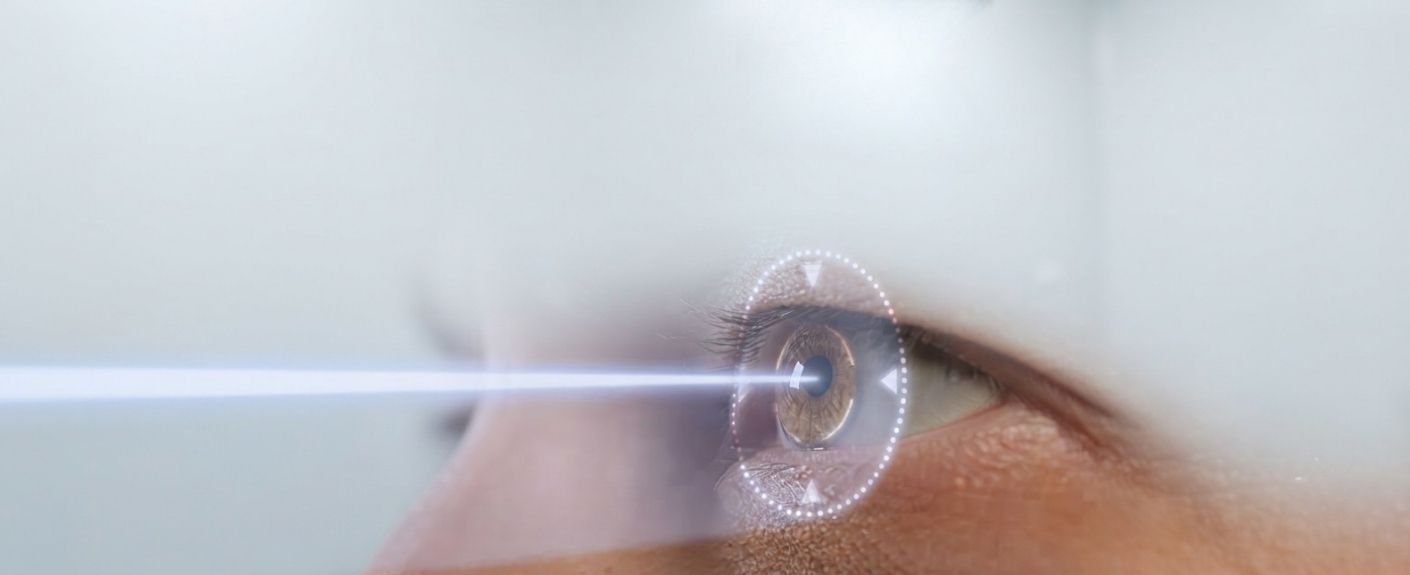
- Reshaping the cornea with an excimer laser to correct the remaining refractive error.
- Repositioning the corneal flap without stitches.
- Allowing the flap to heal naturally.
Patients remain awake throughout the procedure and can usually return home shortly afterward.
Are There Any Risks of LASIK after Cataract Surgery?
LASIK after cataract surgery carries specific risks, primarily dry eye syndrome, unstable eye pressure, and flap or healing complications. It is generally used to correct residual refractive errors (blurry vision left behind after a lens implant).
Possible complications include:
- Dry eyes
- Glare or halos around lights
- Temporary fluctuations in vision
- Undercorrection or overcorrection
- Infection, although rare
- Corneal flap complications
- Regression of the refractive effect in some patients
The risk of serious vision-threatening complications is low, especially when the procedure is performed after a thorough preoperative evaluation.
What is Recovery Like After LASIK?
Most patients notice clearer vision within one or two days after LASIK. Complete stabilization may take several weeks, although recovery is generally much faster than after cataract surgery.
During recovery, your ophthalmologist may advise you to:
- Use prescribed antibiotic and lubricating eye drops.
- Avoid rubbing your eyes.
- Wear protective eye shields while sleeping for the first few nights.
- Avoid swimming and dusty environments for a short period.
- Attend scheduled follow-up visits.
- Wear sunglasses outdoors to reduce light sensitivity.
Most people can resume office work within a day or two, depending on their comfort and vision.
Are There Alternatives to LASIK After Cataract Surgery?
Yes, LASIK is not the only option for correcting residual refractive error after cataract surgery. Your ophthalmologist may recommend another treatment depending on your eye health and prescription.
Alternative treatments include:
- PRK: PRK reshapes the cornea without creating a flap. It may be preferred for patients with thinner corneas or mild corneal irregularities.
- Glasses or Contact Lenses: A simple prescription may provide satisfactory vision if the remaining refractive error is small.
- Piggyback Intraocular Lens: An additional lens may be implanted in selected patients with larger refractive errors.
- Intraocular Lens Exchange: In rare situations, replacing the original intraocular lens may be considered if the refractive error is significant and other options are unsuitable.
An experienced eye surgeon for cataract in Mumbai at Surya Eye Hospital can determine which approach offers the safest and most predictable outcome based on your individual eye condition.
When Should You Contact Your Eye Doctor After LASIK?
Mild discomfort, watering, and blurred vision are common during the first few days. However, certain symptoms require immediate medical attention.
Get a proper evaluation without delay if you experience:
- Sudden loss of vision
- Severe or increasing eye pain
- Persistent redness
- Increasing light sensitivity
- Thick eye discharge
- New flashes of light or a sudden increase in floaters
Early treatment helps prevent complications and protects your vision.
Conclusion
LASIK after cataract surgery can effectively correct residual refractive errors and improve visual clarity for suitable candidates. The success of the procedure depends on stable vision, healthy corneas, careful preoperative assessment, and realistic expectations.
If you continue to depend on glasses after cataract surgery, a detailed eye examination can determine whether laser enhancement is appropriate. Specialists at Surya Eye Hospital offering LASIK surgery in Mumbai evaluate each patient individually and recommend the most suitable vision correction option based on overall eye health and visual goals.
FAQs
Can LASIK eliminate the need for glasses after cataract surgery?
LASIK can significantly reduce dependence on glasses by correcting residual refractive errors after cataract surgery. However, some patients, especially those with monofocal intraocular lenses, may still need reading glasses for near tasks. The outcome depends on the implanted lens and individual visual requirements.
Is LASIK safe after cataract surgery?
Yes, LASIK is generally safe after cataract surgery when the eyes have healed completely, and vision is stable. A comprehensive examination is necessary to confirm that the cornea, retina, and tear film are healthy enough for laser vision correction and to minimize potential complications.
How long should I wait before considering LASIK after cataract surgery?
Most ophthalmologists recommend waiting about three to six months after cataract surgery before considering LASIK. This allows vision to stabilize, healing to complete, and the final prescription to become consistent, helping achieve more accurate and predictable laser treatment results.
Will LASIK affect my artificial intraocular lens?
No. LASIK only reshapes the cornea and does not alter or replace the intraocular lens implanted during cataract surgery. The artificial lens remains in its original position while the laser corrects the remaining refractive error on the corneal surface.
Can everyone undergo LASIK after cataract surgery?
No. Some patients may not qualify because of thin corneas, severe dry eyes, corneal diseases, glaucoma, retinal disorders, or unstable vision. Your ophthalmologist will perform detailed testing to determine whether LASIK or another refractive enhancement procedure is more appropriate.
Does age prevent someone from having LASIK after cataract surgery?
Age alone does not prevent LASIK after cataract surgery. Many older adults are suitable candidates if their eyes are healthy and their vision is stable. Overall eye health, corneal condition, and the presence of other eye diseases are more important than chronological age.
Understand your suitability and the right treatment approach before you decide.