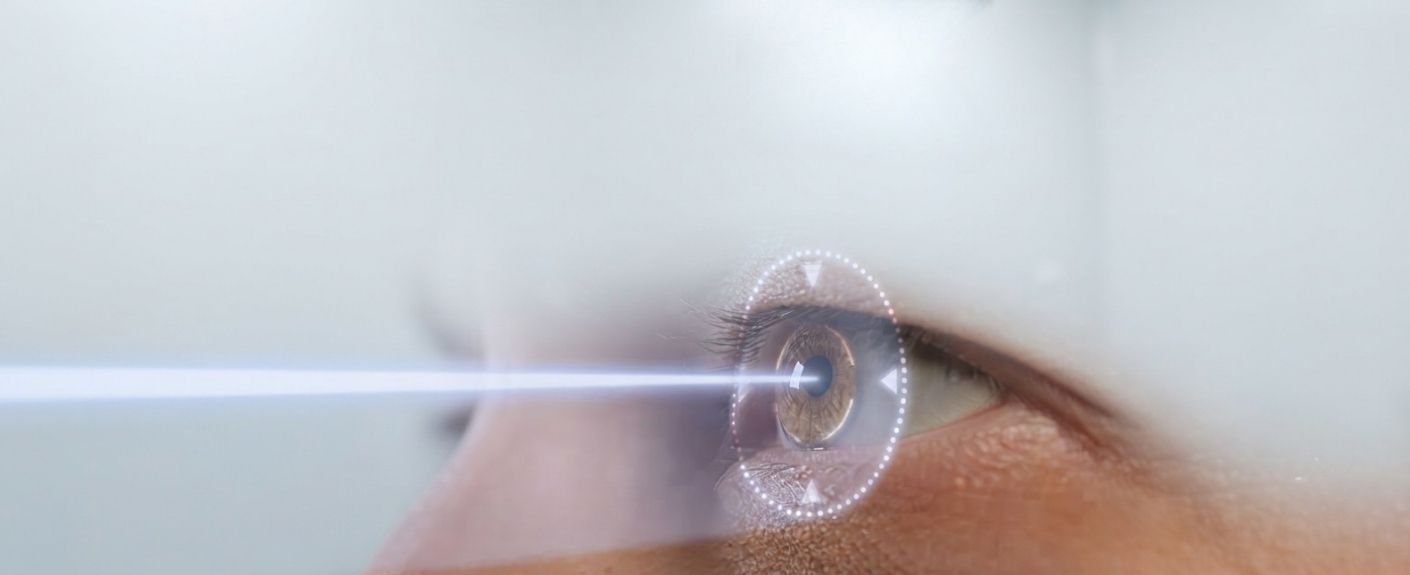


Laser-Assisted In Situ Keratomileusis (LASIK) LASIK uses precision laser surgery to fix vision problems, including myopia, hyperopia, and astigmatism.
Millions of people get LASIK surgery globally, yet everyone wonders is lasik surgery safe? This review explores the safety record and benefits of LASIK while examining how it affects patients with diabetes.
How LASIK Works: A Quick Overview
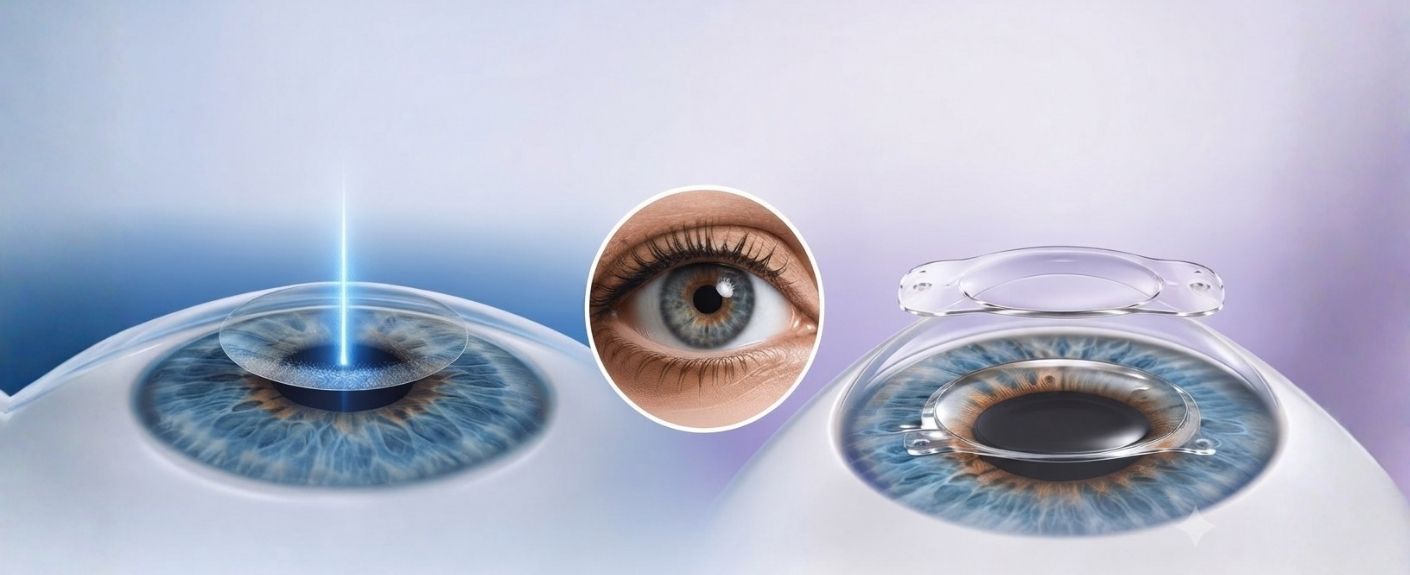
LASIK doctors use micropulse lasers to reshape the cornea so light enters the eye in a better focus.
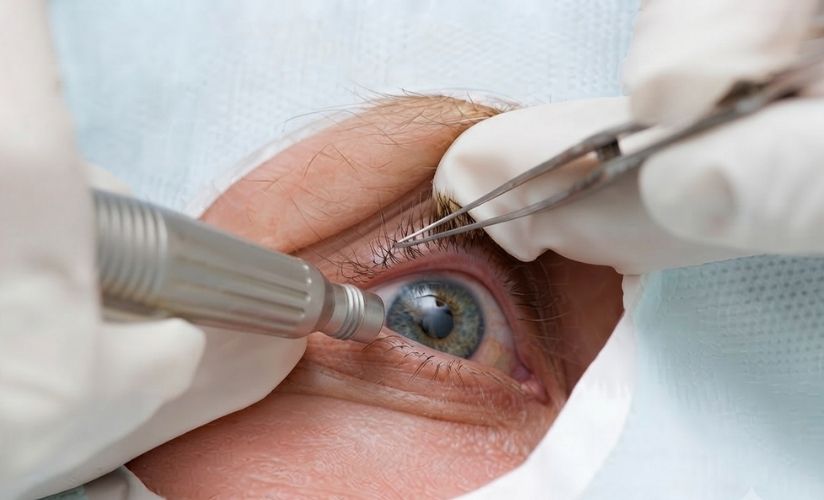
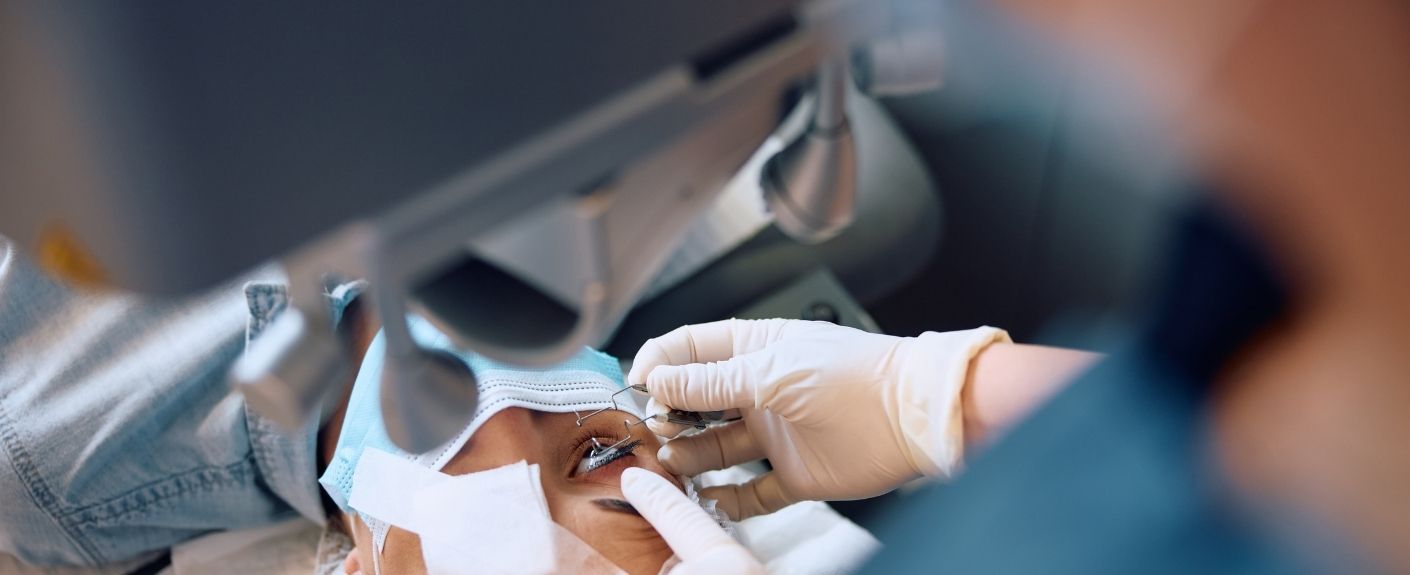
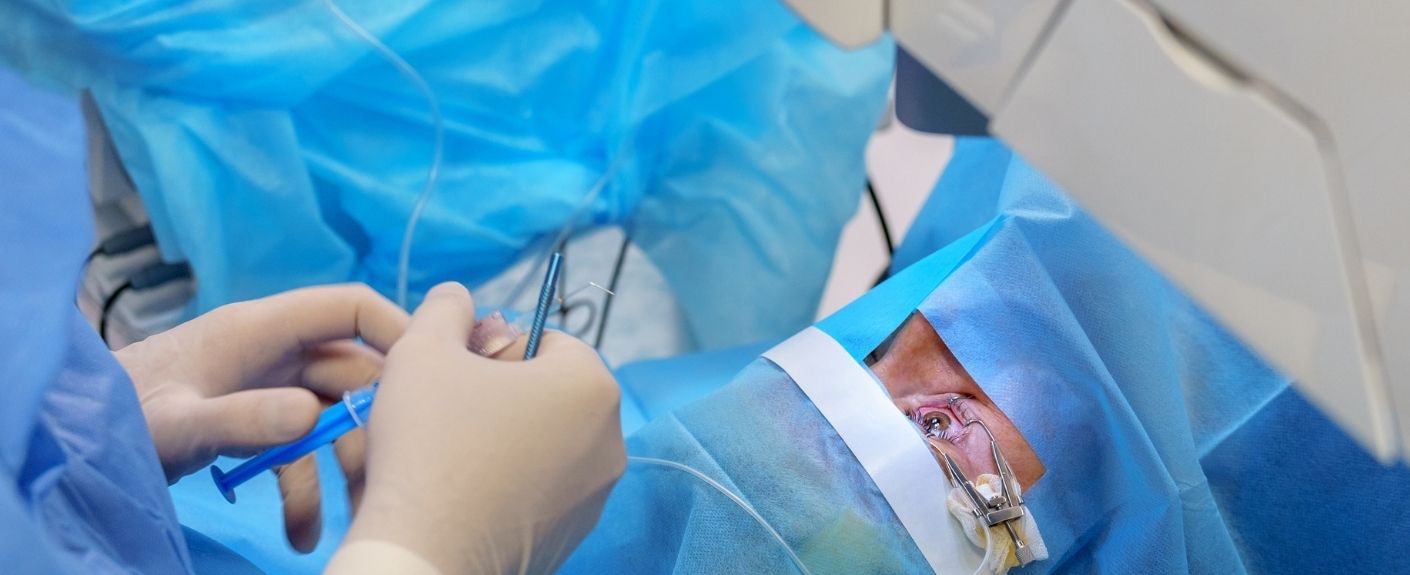
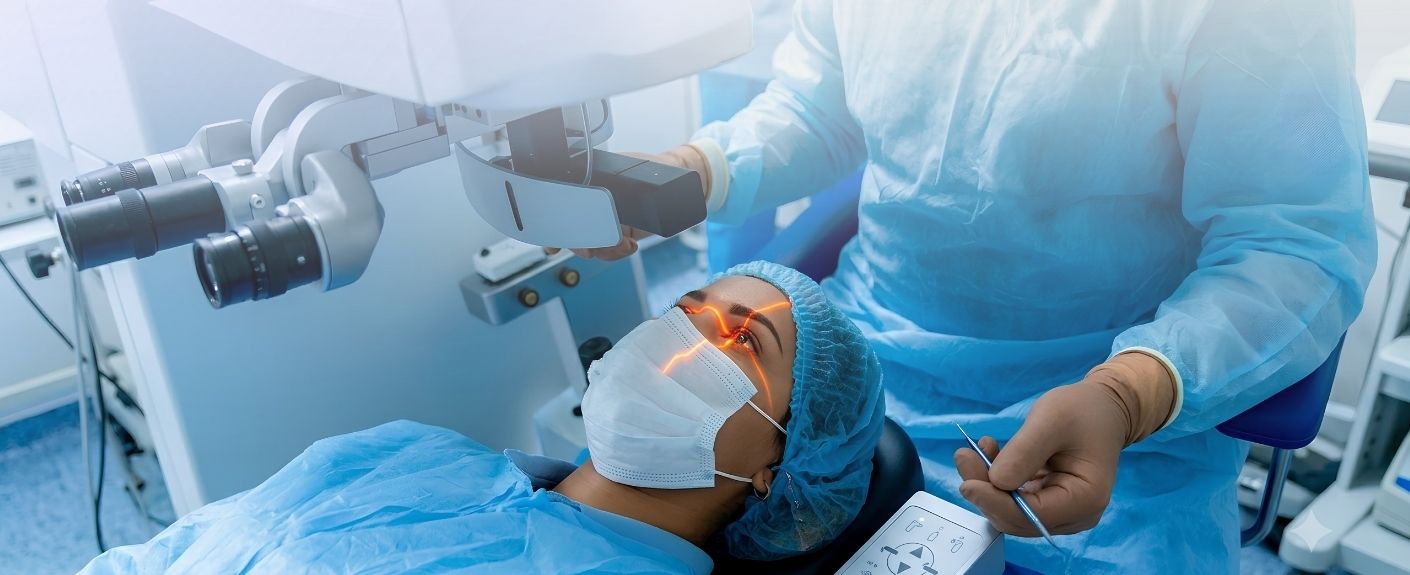
The surgeon makes a small flap in the cornea and lifts it to apply a laser that precisely removes parts of your corneal tissue. The surgeon moves the flap back to its original position so the eye can heal quickly.
Is LASIK Surgery Safe? The Facts You Should Know
Thanks to modern research and technology, LASIK eye surgery is safe for most patients who want to improve their vision.
Research shows LASIK surgery delivers visual results with 99% of patients reaching 20/40 vision while 90% achieve 20/20 vision. The treatment delivers remarkable results with just minimal side effects.
How Safe Is LASIK Eye Surgery? Success Rates & Risks
Examining how safe is LASIK eye surgery requires looking at both its exceptional success rates and possible complications.
Success Rates
- LASIK patients show high satisfaction ratings at 95% approximately.
- The procedure has a complication rate estimated to be less than 1%.
Potential Risks
- Dry eyes
- Glare or halos around lights
- Flap complications
- Under correction or overcorrections
Common Side Effects and Complications of LASIK
Once you know about LASIK’s possible side effects, you can better decide if “is LASIK safe” for you. The common side effects include:
- Dry Eyes: Patients commonly face short-term dryness after LASIK surgery.
- Visual Disturbances: Some report glare, halos, or double vision, especially in low light.
- Flap Issues: A small number of people who receive LASIK experience difficulty with the part of their cornea that needs to be cut for the procedure.
Who Is an Ideal Candidate for LASIK?
LASIK surgery does not work for every individual. Ideal candidates typically:
- Are over 18 years old
- Prescriptions for vision need to remain stable for at least twelve months before qualification
- Possess healthy corneas
- LASIK surgery is not suitable for patients who have severe dry eye conditions or certain active autoimmune disorders.
LASIK vs. Other Vision Correction Methods: Safety Comparison
The assessment of LASIK versus alternative vision correction procedures focuses primarily on safety together with effectiveness.
| Procedure | Invasiveness | Recovery Time | Common Risks |
| LASIK | Moderate | ~24-48 hours | Dry eyes, visual disturbances |
| PRK | Less invasive | ~1 week | Longer visual recovery, discomfort |
| Contact Lenses | Non-surgical | None | Infection risk with improper use |
Is LASIK Safe for Diabetics? Special Considerations
A common query is, is LASIK safe for diabetics?
The procedural safety of LASIK for diabetic patients represents a widespread medical concern. The healing process gets delayed, and patients become more susceptible to infections due to diabetic conditions.
Studies demonstrate LASIK surgery can be safe for diabetic patients managing their condition when their eyes remain free from severe complications.
Before undergoing LASIK procedures, diabetic patients must undergo full medical tests and achieve effective blood sugar management.
LASIK and Long-Term Vision Health: What to Expect
For those wondering whether “LASIK eye surgery is safe or not in the long term,” demands careful evaluation through this important information:
| Factor | Expectation | Key Considerations |
| Permanent Corneal Reshaping | Vision correction remains stable for years. | The structural changes to the cornea do not reverse. |
| Stable Vision for Years | Most patients enjoy clear vision long-term. | A small percentage may experience slight regression over time. |
| Age-Related Vision Changes | Conditions like presbyopia and cataracts may still develop. | LASIK does not prevent natural aging of the eye. |
| Possibility of Enhancement Surgery | Some patients may need a minor LASIK touch-up. | Typically needed if vision changes significantly over the years. |
| No Increased Risk of Eye Diseases | LASIK does not cause glaucoma, macular degeneration, or cataracts. | Regular eye checkups help detect any unrelated eye conditions. |
| Regular Eye Exams Are Essential | Routine checkups help monitor vision and eye health. | Early detection of changes ensures timely intervention. |
Myths vs. Facts: Addressing Safety Concerns About LASIK
1. Myth: LASIK is painful.
Patients undergoing LASIK surgery usually feel no pain during the procedure because they experience only minor discomfort.
2. Myth: LASIK results deteriorate quickly.
The majority of LASIK patients achieve long-term vision corrections, which remain stable until natural aging potentially creates changes in sight.
3. Myth: LASIK treatment works for all types of patients.
Eye suitability depends on the existing condition of an individual’s eyes along with the stability of their vision.
Precautions to Take Before and After LASIK for Better Safety
The table below shows essential safety steps which guarantee a trouble-free LASIK procedure.
| Stage | Precaution | Reason |
| Before LASIK | Stop wearing contact lenses | Allows cornea to return to its natural shape for accurate measurements. |
| Undergo a thorough eye exam | Ensures eligibility and detects any underlying eye conditions. | |
| Discuss medications with your doctor | Some medications can affect healing or increase dryness. | |
| Avoid makeup and lotions on surgery day | Reduces the risk of infection and irritation. | |
| Follow fasting instructions (if any) | Prevents discomfort during the procedure. | |
| After LASIK | Avoid rubbing your eyes | Prevents flap displacement and irritation. |
| Use prescribed eye drops | Reduces inflammation, prevents infection, and keeps eyes hydrated. | |
| Wear protective eyewear while sleeping | Prevents accidental rubbing or pressure on the eyes. | |
| Limit screen time and bright light exposure | Reduces eye strain and discomfort. | |
| Avoid swimming and dusty environments | Lowers the risk of infections and irritation. | |
| Attend all follow-up checkups | Ensures proper healing and monitors for complications. |
Conclusion
To answer the question, is LASIK eye surgery safe?” The vast amount of scientific evidence combined with patient testimonials shows that LASIK presents a safe treatment option for most patients.
The high success rates, minimal risks, and fast recovery times make LASIK a popular choice among vision correction procedures. A person’s individual health status, especially those with diabetes, determines suitability for LASIK surgery.
Safety outcomes depend on technology and surgeon expertise in best LASIK eye surgery in Mumbai.
FAQs
Is LASIK surgery 100% safe?
LASIK has a strong safety record, but no surgical procedure is completely risk-free. Temporary dry eyes, glare, halos, or fluctuations in vision can occur. Proper patient selection, detailed pre-operative evaluation, appropriate technology, and an experienced LASIK surgeon can help minimise potential risks.
Can LASIK cause permanent damage to the eyes?
Serious complications after LASIK are uncommon, particularly when the procedure is performed on appropriately selected patients. However, problems such as infection, corneal changes, or persistent visual symptoms can rarely occur. A thorough eye examination before surgery helps identify factors that may increase these risks.
Is LASIK safe for high eye power?
LASIK may be suitable for some people with higher refractive errors, but eye power alone does not determine eligibility. Corneal thickness and shape, prescription stability, eye health, and the amount of correction required must be evaluated before deciding whether LASIK is appropriate.
Is LASIK safe after the age of 40?
LASIK can be considered after 40 if the eyes are otherwise suitable and the prescription is stable. However, age-related presbyopia can affect near vision, and LASIK does not prevent this natural change. Your ophthalmologist can explain the expected vision after treatment.
Can eyesight become weak again after LASIK?
LASIK permanently reshapes the cornea, but vision can still change over time because of ageing, prescription changes, presbyopia, or cataracts. Some patients may experience mild regression and occasionally require an enhancement procedure.
How long does it take for the eyes to heal after LASIK?
Many patients notice improved vision soon after LASIK and can resume several routine activities within a short period. However, complete healing and stabilisation of vision take longer. Following prescribed eye drops, avoiding eye rubbing, and attending follow-up visits are important during recovery.
Who should avoid LASIK surgery?
LASIK may not be recommended for people with unstable prescriptions, unsuitable or unhealthy corneas, severe dry eye, or certain active medical or eye conditions.
Is LASIK safer than wearing contact lenses?
LASIK and contact lenses have different types of risks. LASIK involves surgical risks, while contact lenses can cause infections and other complications, particularly with poor hygiene or improper use. The most suitable option depends on your eye health, lifestyle, prescription, and individual preferences.
Understand your suitability and the right treatment approach before you decide.