

Glasses and contact lenses can correct refractive errors effectively, but some people prefer a longer-term vision correction option. Femto LASIK surgery is a laser-based refractive procedure used to correct conditions such as myopia, hyperopia, and astigmatism. Unlike conventional LASIK, it uses a femtosecond laser rather than a mechanical blade to create the corneal flap.
Choosing LASIK, however, involves more than checking the spectacle prescription. Corneal shape and thickness, tear-film health, prescription stability, and overall eye health can influence whether the procedure is suitable.
At Surya Eye Hospital in Mumbai, LASIK assessment includes corneal mapping and thickness analysis, dry-eye evaluation, pupil assessment, and a discussion of the patient's visual needs. The hospital also offers bladeless LASIK using femtosecond laser technology.
This article explains how femto LASIK works, who may be eligible, its recovery and aftercare, possible side effects, and factors affecting treatment cost.
What is Femto LASIK Surgery?
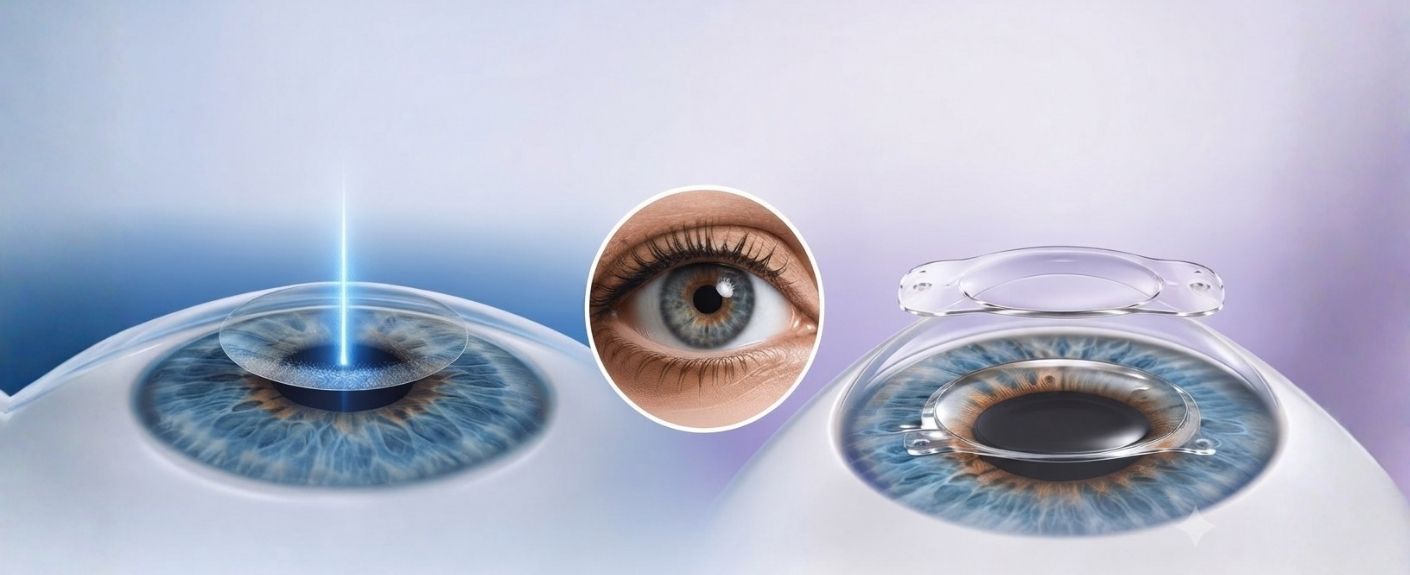
Femto LASIK is a type of laser vision correction in which a femtosecond laser creates a thin flap on the cornea. An excimer laser then reshapes the underlying corneal tissue to correct the refractive error.
The term "Femto" refers to the extremely short pulses produced by a femtosecond laser. Because the corneal flap is created with a laser instead of a microkeratome blade, Femto LASIK is also called bladeless LASIK.
Patients trying to understand what is femto LASIK should know that two different laser steps are involved. The femtosecond laser creates the flap, while the excimer laser performs the refractive correction.
Femto LASIK may be considered for correcting:
- Myopia or short-sightedness
- Hyperopia or long-sightedness
- Astigmatism
The amount of correction possible depends on the refractive error, corneal measurements, and individual eye health.
Who is a Good Candidate for Femto LASIK?
Femto LASIK may be suitable for adults with a stable refractive prescription, healthy corneas, and realistic expectations about vision correction. A detailed eye examination is necessary before eligibility can be confirmed.
Assessment generally considers:
- Stability of the spectacle or contact-lens prescription
- Corneal thickness and curvature
- Degree of refractive error
- Tear-film and dry-eye status
- Overall eye health
- Pupil size
- Current medicines and general health conditions
Pregnancy or breastfeeding can cause temporary refractive changes, so surgery may need to be postponed. Certain corneal disorders, uncontrolled eye disease, severe dry eye, or medical conditions affecting healing may also influence eligibility.
Patients considering LASIK treatment in Mumbai should therefore undergo refractive and corneal assessment rather than choosing a procedure based only on their spectacle power.
How Does the Femto LASIK Procedure Work?
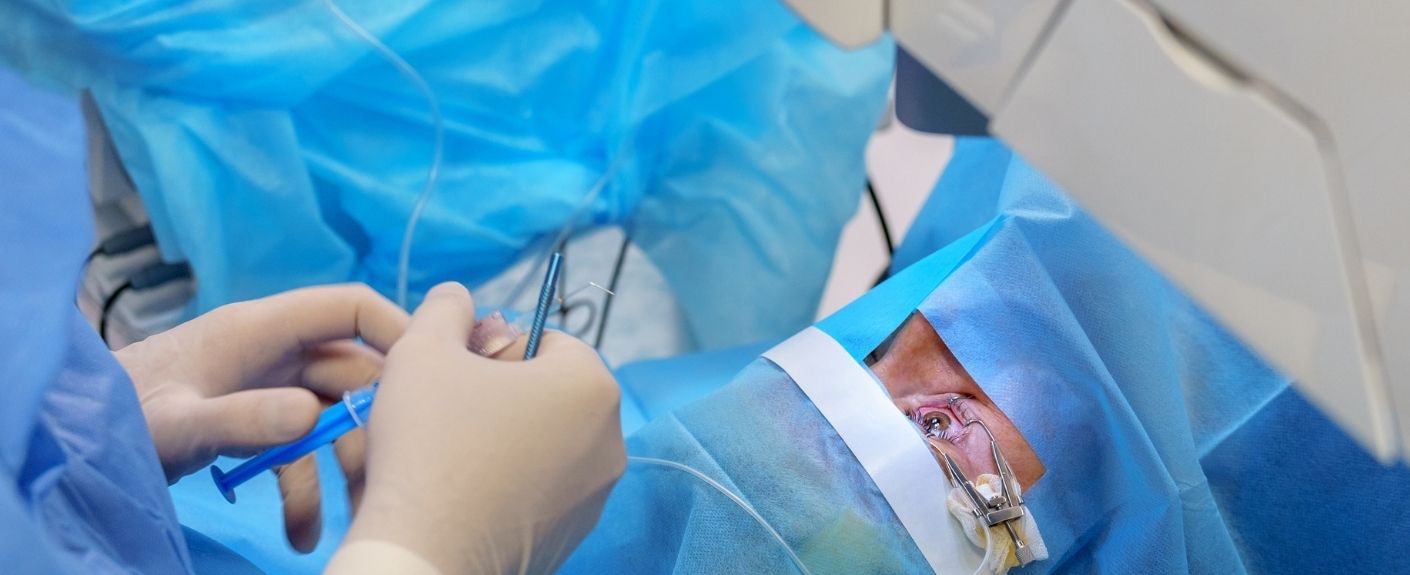
The Femto LASIK procedure involves creating a corneal flap with a femtosecond laser and reshaping the underlying cornea with an excimer laser. The flap is then returned to its original position, where it begins healing without stitches.
The procedure generally follows these stages:
- Preoperative assessment: Measurements of refractive error, corneal thickness, corneal shape, and other eye parameters are reviewed to plan treatment.
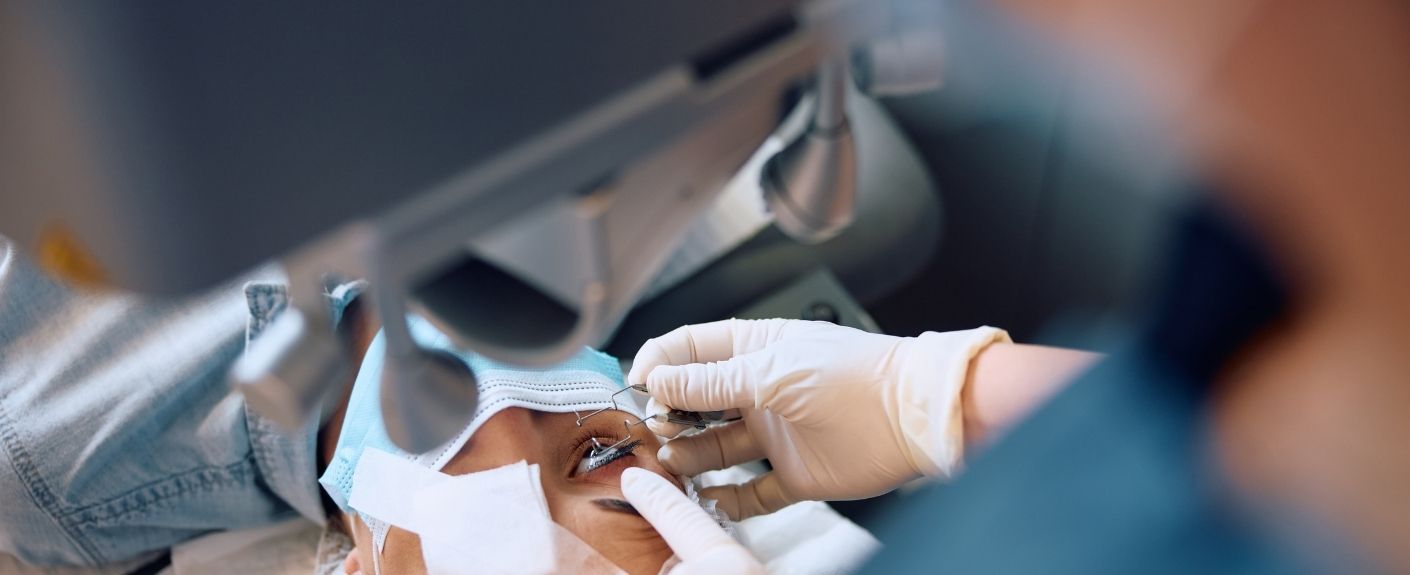
- Eye preparation: Numbing eye drops are applied. An instrument gently keeps the eyelids open during treatment.
- Corneal flap creation: The femtosecond laser creates a thin, precisely defined flap in the outer cornea.
- Corneal reshaping: The flap is lifted, and an excimer laser removes microscopic amounts of corneal tissue according to the planned correction.
- Flap repositioning: The surgeon places the flap back over the treated area. Sutures are generally not required.
- Postoperative instructions: The eye is checked, and the patient receives instructions about eye drops, protective measures, and follow-up visits.
At Surya Eye Hospital, femto LASIK services include bladeless refractive surgery alongside other LASIK techniques. The exact time required can vary according to the treatment plan and whether one or both eyes are treated.
What Are the Benefits and Limitations of Femto LASIK?
Femto LASIK allows the corneal flap to be created with a laser and may reduce dependence on spectacles or contact lenses in appropriately selected patients. It does not, however, guarantee perfect unaided vision or prevent future age-related changes in eyesight.
| Aspect | What It Means |
| Bladeless flap creation | A femtosecond laser creates the corneal flap rather than a mechanical microkeratome |
| Refractive correction | The cornea is reshaped to correct myopia, hyperopia, or astigmatism |
| Treatment planning | Laser treatment is planned using detailed eye measurements |
| Reduced dependence on glasses | Many suitable patients may require glasses less frequently after treatment |
| Possible residual prescription | Some patients may still need spectacles or additional correction |
| Age-related changes | LASIK does not prevent presbyopia, cataract, or other changes that may occur with ageing |
Expectations matter. A good surgical result does not necessarily mean a person will never require glasses again. Reading glasses may become necessary later because LASIK does not stop the normal age-related loss of near focusing ability.
Femto LASIK Recovery Time and After Care
Initial visual improvement after Femto LASIK can occur relatively quickly, although healing and visual stabilisation continue beyond the first few days. Femto LASIK recovery time varies according to the patient's eyes, treatment performed, and healing response.
Immediately after surgery, some people experience blurred or hazy vision, watering, mild irritation, or light sensitivity. Vision may fluctuate during the early healing period.
Femto LASIK After Care
Proper Femto LASIK after care supports healing and helps protect the corneal flap during the early recovery period.
Patients are generally advised to:
- Use prescribed antibiotic, anti-inflammatory, or lubricating eye drops as directed.
- Avoid rubbing or pressing the eyes.
- Wear protective eye shields when recommended, particularly while sleeping during the initial period.
- Keep soap, shampoo, dust, and contaminated water away from the eyes.
- Limit screen use initially if it increases dryness or discomfort.
- Avoid swimming, eye makeup, strenuous exercise, and contact sports until cleared by the ophthalmologist.
- Attend scheduled postoperative examinations even when vision appears satisfactory.
Many people can resume routine activities relatively soon, but work requirements matter. Someone working at a computer may return earlier than a person exposed to dust, chemicals, physical impact, or demanding outdoor conditions.
Visual fluctuation can persist while the eyes heal, so early clarity should not be confused with complete stabilisation.
When Should You Contact Your Eye Doctor?
Contact your ophthalmologist promptly if pain becomes severe, vision suddenly worsens, or symptoms become more pronounced instead of gradually improving. Such changes require examination rather than waiting for the next routine appointment.
Seek medical advice for:
- Significant or increasing eye pain
- Sudden reduction in vision
- Increasing redness or discharge
- New or markedly worsening visual disturbances
- Any postoperative symptom specifically identified as concerning by your surgeon
What Are the Possible Side Effects and Risks of Femto LASIK Surgery?
Femto LASIK surgery side effects can include temporary dry eyes, glare, haloes, light sensitivity, and fluctuating vision. Less common complications include infection, inflammation, flap problems, or an incomplete refractive correction.
| Possible Effect | General Clinical Context |
| Dry eyes | Tear production or tear-film stability can be temporarily affected after LASIK |
| Glare and haloes | May be particularly noticeable around lights at night |
| Fluctuating vision | Vision can change while the cornea heals |
| Light sensitivity | May occur during the early recovery period |
| Under- or overcorrection | Glasses or additional treatment may sometimes be required |
| Flap-related problems | Possible because Femto LASIK remains a flap-based procedure |
| Infection or inflammation | Requires timely ophthalmic assessment and treatment |
Most early symptoms improve as healing progresses, although recovery differs among patients. Persistent symptoms should be discussed with the treating ophthalmologist rather than assumed to be part of normal recovery.
Femto LASIK vs Traditional LASIK: What Is the Difference?
The main difference between Femto LASIK and traditional LASIK is the method used to create the corneal flap. Femto LASIK uses a femtosecond laser, whereas conventional LASIK uses a mechanical microkeratome.
| Feature | Femto LASIK | Traditional LASIK |
| Corneal flap | Created using a femtosecond laser | Created using a microkeratome |
| Blade used for flap | No | Yes |
| Corneal reshaping | Excimer laser | Excimer laser |
| Procedure type | Flap-based | Flap-based |
| Suitability | Determined by eye assessment | Determined by eye assessment |
| Recovery | Usually relatively quick but varies individually | Usually relatively quick but varies individually |
Femto LASIK should not automatically be described as better for every patient. The appropriate refractive procedure depends on corneal anatomy, prescription, eye health, lifestyle, and the results of preoperative investigations.
Other procedures, including flapless refractive techniques, may be more appropriate for some eyes.
How Much Does Femto LASIK Cost?
Femto LASIK cost varies between patients and treatment centres because the total expense depends on the technology used, investigations required, treatment plan, and whether one or both eyes undergo correction.
Factors that may affect the cost include:
- Preoperative diagnostic investigations
- Type of femtosecond and excimer laser platform
- Complexity and degree of refractive correction
- Treatment of one or both eyes
- Surgeon and facility charges
- Medicines and postoperative follow-up included in the package
Femto LASIK Cost in Mumbai
Femto LASIK cost in Mumbai can differ between hospitals depending on the procedure offered and what is included in the quoted package. Patients should obtain a written cost estimate after their eye assessment rather than relying on a general online price.
Cost should also be considered alongside clinical suitability, the technology being used, preoperative screening, postoperative care, and the experience of the treating team.
Is Femto LASIK Right for You?
Femto LASIK surgery may be considered if you want to reduce dependence on spectacles or contact lenses and your eyes meet the required clinical criteria. Suitability depends on much more than refractive power alone.
Corneal thickness and shape, prescription stability, dry-eye status, eye health, general health, age, and expectations all contribute to the decision.
A detailed refractive assessment can also identify people for whom another vision-correction technique may be more appropriate. The aim is therefore not simply to determine whether LASIK can be performed, but which option is suitable for the individual eye.
At Surya Eye Hospital, patients considering bladeless LASIK can undergo refractive assessment that includes corneal mapping, thickness analysis, dry-eye evaluation, and other measurements before treatment selection.
FAQs About Femto LASIK Surgery
Is Femto LASIK Painful?
Femto LASIK is performed after numbing eye drops are applied, so significant pain is not expected during treatment. Patients may notice pressure or unusual sensations. Mild irritation, watering, grittiness, or sensitivity can occur during early recovery.
How Long Does Femto LASIK Surgery Take?
Femto LASIK itself is relatively brief, although total hospital time is longer because preparation, eye measurements, postoperative examination, and instructions are also required. The exact duration depends on the treatment plan and whether one or both eyes undergo surgery.
How Many Days Does It Take to Recover From Femto LASIK?
Many patients regain functional vision relatively quickly after Femto LASIK, but complete healing and visual stabilisation take longer. Temporary blurring, dryness, or fluctuations can occur during recovery, making scheduled postoperative reviews important even when vision improves early.
Can I Use My Phone After Femto LASIK?
Phone use does not usually damage the surgical correction, but prolonged screen viewing soon after Femto LASIK may increase dryness and discomfort. Patients should initially limit screens according to comfort, take regular visual breaks, and follow their surgeon's instructions.
Can I Return to Work After Femto LASIK?
Some patients return to routine work relatively soon after Femto LASIK, depending on visual comfort and recovery. Jobs involving prolonged screens, dust, chemicals, strenuous activity, or risk of eye injury may require additional precautions or time away.
Is Femto LASIK Better Than Regular LASIK?
Femto LASIK uses a femtosecond laser instead of a mechanical microkeratome to create the corneal flap. Neither technique is automatically suitable for everyone. The preferred method should be selected after evaluating corneal characteristics, prescription, eye health, and individual needs.
Understand your suitability and the right treatment approach before you decide.