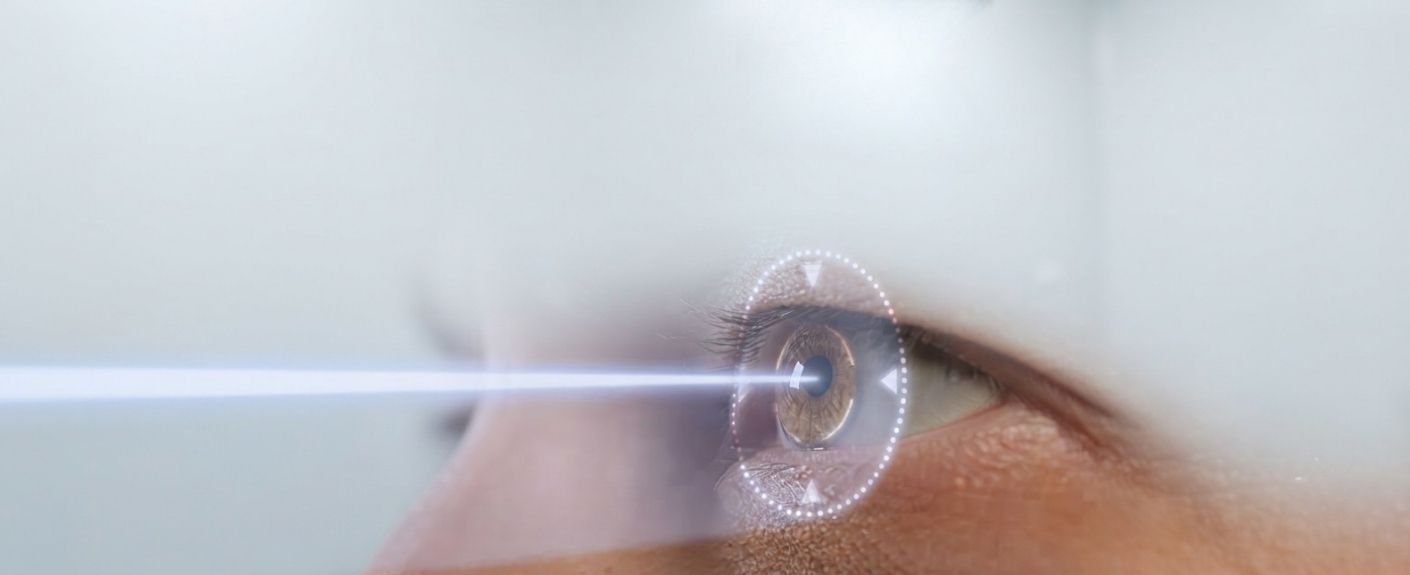



LASIK is not a single, identical procedure for every patient. Different LASIK techniques can vary in how the cornea is measured, how the treatment is planned, and how the corneal flap is created. This is why terms such as conventional LASIK, Femto LASIK and Contoura Vision frequently appear during research into laser vision correction.
The Femto LASIK vs Contoura Vision comparison can be particularly confusing because the two names describe different aspects of LASIK treatment. One mainly relates to flap creation, while the other relates to personalised corneal mapping and laser treatment planning.
At Surya Eye Hospital in Mumbai, LASIK evaluation includes assessment of eye health, corneal mapping and thickness, dry-eye status and pupil characteristics before treatment suitability is determined. These measurements help establish whether LASIK is appropriate and which approach may suit the individual eye.
What is Contoura LASIK Eye Surgery?
Contoura LASIK is a topography-guided form of laser vision correction in which detailed measurements of the corneal surface are used to plan treatment. The aim is to correct refractive error while accounting for individual variations in corneal shape.
Before Contoura LASIK eye surgery, specialised corneal mapping records numerous points across the surface of the cornea. The treatment plan can then use this information to guide excimer-laser reshaping.
This differs from a purely prescription-based approach because the treatment considers the cornea's individual topographic pattern in addition to the refractive error.
However, greater customisation does not mean Contoura is automatically better for every person. Suitability still depends on factors such as corneal thickness, corneal shape, refractive stability, tear-film health and the condition of the eyes.
What is Conventional LASIK?
Conventional LASIK corrects refractive errors by reshaping the cornea according to the patient's measured prescription. It can be considered for conditions such as myopia, hyperopia and astigmatism in appropriately selected patients.
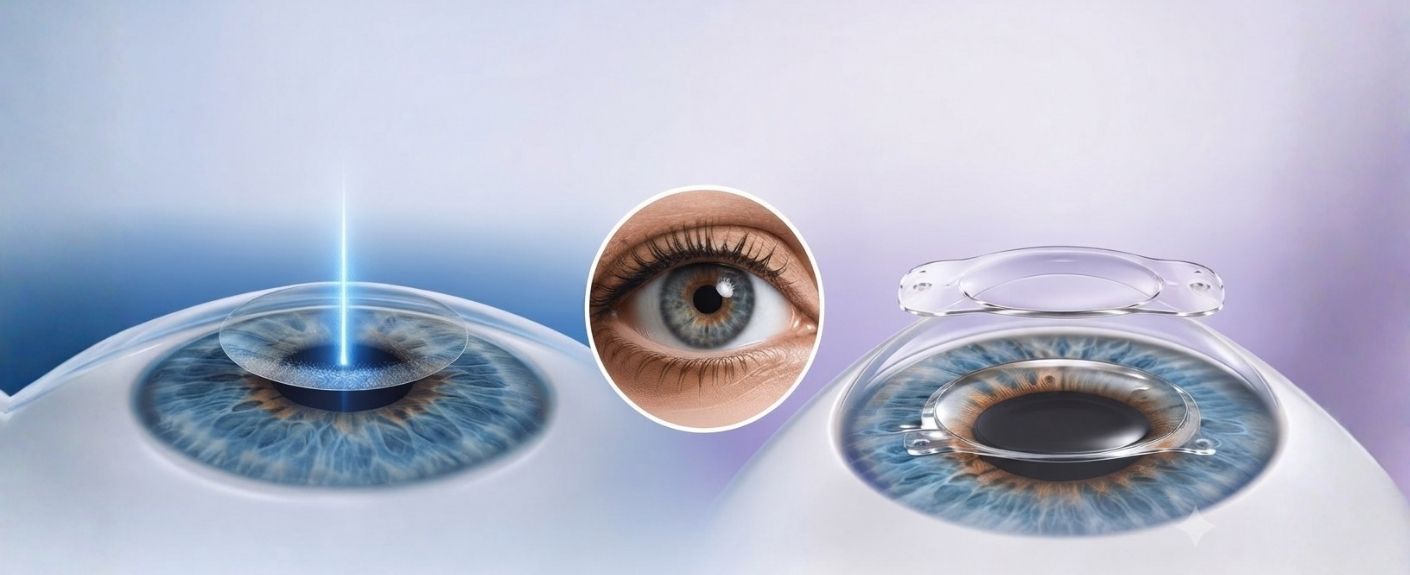
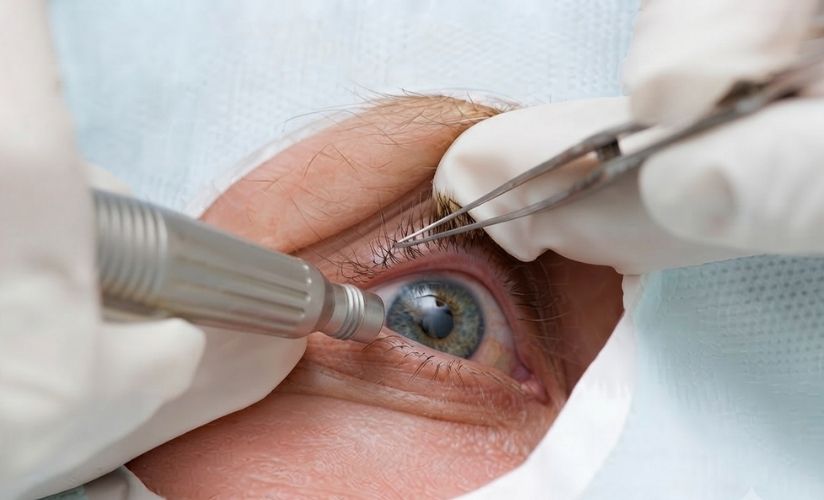
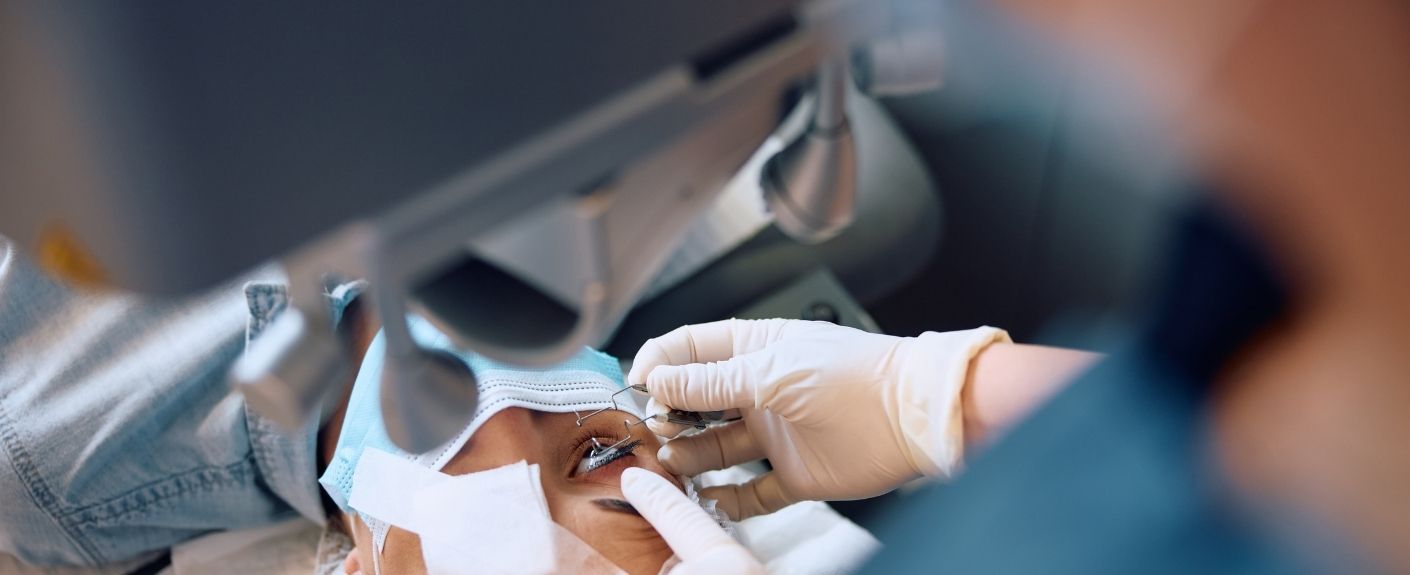
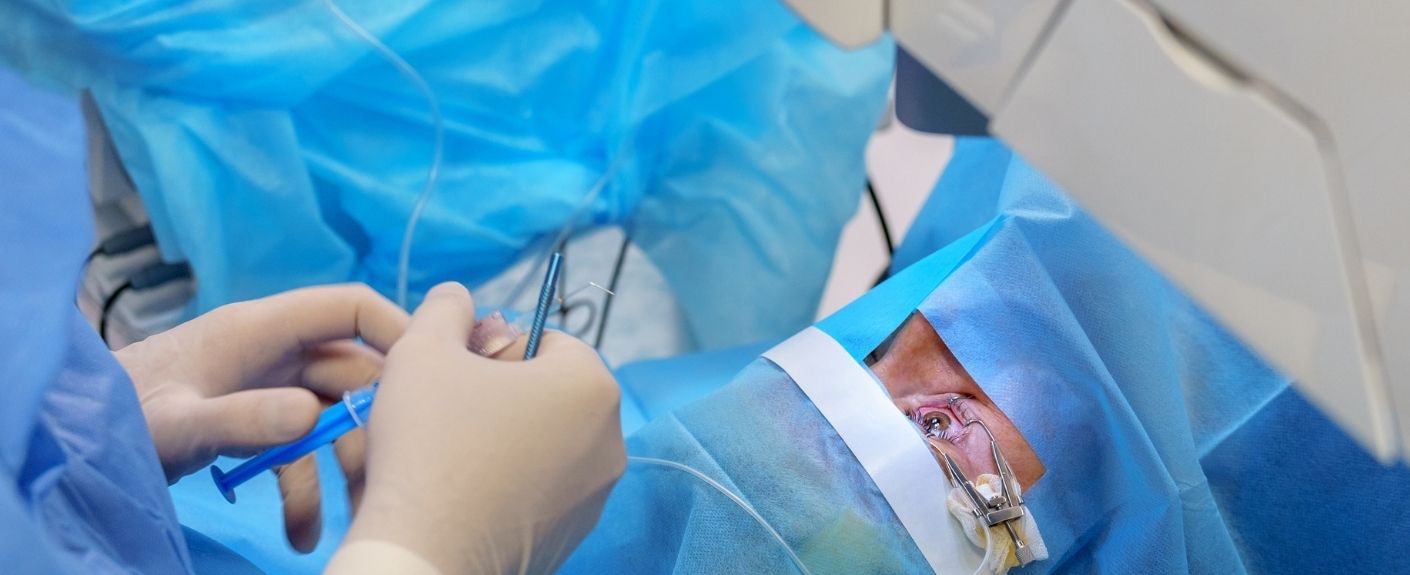
During LASIK, a thin corneal flap is created and lifted. An excimer laser then removes microscopic amounts of corneal tissue to alter how light focuses on the retina. The flap is repositioned after treatment.
The exact method used to create the flap can vary. Some LASIK procedures use a mechanical microkeratome, while Femto LASIK uses a femtosecond laser.
Contoura Vision vs LASIK: What is the Difference?
The main difference between Contoura Vision and conventional LASIK is the level and type of information used to plan corneal reshaping. Conventional LASIK primarily corrects refractive error, while Contoura uses detailed corneal topography to create a more individualised treatment pattern.
Both remain corneal laser procedures and require careful preoperative assessment.
| Feature | Conventional LASIK | Contoura Vision |
| Treatment planning | Primarily based on refractive correction | Incorporates topography-guided corneal measurements |
| Corneal mapping | Standard preoperative measurements | Detailed mapping of the corneal surface |
| Customisation | Based mainly on prescription | Customised according to corneal topography and refractive findings |
| Corneal flap | Required in standard LASIK | Required when performed as Contoura LASIK |
| Corneal reshaping | Excimer laser | Topography-guided excimer-laser treatment |
| Recovery | Usually relatively rapid, but varies | Generally follows a LASIK recovery pattern |
| Suitability | Depends on complete eye assessment | Depends on eye assessment and suitability for topography-guided treatment |
Corneal Mapping and Treatment Customization
Contoura treatment uses detailed topographic information to identify variations across the corneal surface. These measurements are incorporated into the laser treatment plan rather than relying only on the spectacle prescription.
This distinction is central to the Contoura Vision vs LASIK comparison. The additional mapping may be useful when treatment needs to account for corneal surface characteristics, but the clinical value depends on the findings in each patient's examination.
Vision Correction and Visual Quality
Both conventional LASIK and Contoura aim to reduce refractive error and dependence on glasses or contact lenses. Neither procedure can guarantee a particular level of vision or permanent freedom from corrective lenses.
Topography-guided treatment is designed to address the measured corneal optical pattern more individually. However, outcomes depend on several factors, including the starting prescription, corneal characteristics, healing response, and accuracy of preoperative measurements.
Femto LASIK vs Contoura Vision: How Are They Different?
Femto LASIK describes how the corneal flap is created, whereas Contoura Vision describes how laser reshaping is planned. Therefore, Femto LASIK and Contoura are not necessarily competing or mutually exclusive treatments.
This distinction makes the Femto LASIK vs Contoura Vision comparison easier to understand.
What makes Femto LASIK different from Contoura LASIK?
Femto LASIK uses a femtosecond laser to create the corneal flap instead of a mechanical blade. Contoura LASIK, meanwhile, refers to topography-guided planning of the excimer-laser correction.
In a Femto Contoura procedure, these technologies may be combined:
- A femtosecond laser creates the corneal flap.
- The surgeon lifts the flap.
- Topography-guided measurements guide excimer-laser reshaping.
- The flap is repositioned.
Therefore, someone comparing Femto LASIK vs LASIK should distinguish the method of flap creation from the method used to customise the refractive correction.
Is Contoura LASIK a Type of Femto LASIK?
Not necessarily. Contoura and Femto refer to different technological components of LASIK. A Contoura-guided procedure may use a femtosecond laser for flap creation, in which case it can be described as Femto Contoura LASIK.
Surya Eye Hospital lists both Contoura Vision LASIK and Femto Contoura Vision LASIK among its refractive treatment approaches, reflecting this distinction between topography-guided treatment and femtosecond flap creation.
Contoura LASIK vs Conventional LASIK: Benefits and Limitations
Neither Contoura nor conventional LASIK is universally better for every eye. Contoura offers more topography-specific treatment planning, while conventional LASIK remains an established option for appropriately selected refractive errors.
| Procedure | Potential Advantages | Important Limitations |
| Contoura LASIK | Detailed corneal mapping; individualised topography-guided treatment; may address certain corneal surface irregularities | Not suitable for every patient; dependent on reliable corneal measurements; may cost more |
| Conventional LASIK | Established procedure; corrects common refractive errors; suitable for many screened patients | Less topography-specific customisation; still carries recognised LASIK risks |
Both approaches share risks associated with LASIK. These can include dry-eye symptoms, glare, halos, starbursts, fluctuating vision, under- or over-correction, inflammation, infection and flap-related problems. Some complications can persist, although their frequency and severity vary between patients.
Careful screening matters because the benefits of any refractive procedure need to be weighed against its limitations for the individual eye.
Is Contoura LASIK Suitable for Everyone?
Contoura LASIK is not suitable for everyone, as eligibility depends on specific age, eye health, and corneal requirements.
Ideal Candidate Criteria
- Age Requirement: Must be at least 18 years old, with ages 20 to 40 typically offering the most stable results.
- Stable Prescription: Eye power must remain unchanged for a minimum of one full year before surgery.
- Corneal Thickness: The cornea must have adequate thickness and health to safely undergo laser mapping and reshaping.
- General Eye Health: Free from active eye diseases like glaucoma, cataracts, keratoconus, or severe dry eye syndrome.
Who May Not Be Suitable
- Thin or Irregular Corneas: Patients with severely thin corneas cannot safely have the procedure performed.
- Advanced Eye Conditions: Individuals with uncontrolled diabetes, active infections, or immune deficiency illnesses.
- High Prescriptions: Extreme refractive errors exceeding standard limits (such as myopia over -9.00 diopters) may be disqualified.
- Pregnancy or Nursing: Hormonal changes affect vision stability, requiring patients to wait.
A consultation with an eye specialist in Mumbai at Surya Eye Hospital can help determine whether the corneal measurements and overall eye findings support LASIK or another refractive option.
Contoura LASIK Cost in India: What Determines the Price?
There is no single standard Contoura LASIK cost in India because the total expense can vary between patients and treatment centres. The amount may depend on the technology used, investigations required and the exact refractive procedure planned.
Factors Affecting Contoura LASIK Cost
Several factors may influence the final treatment expense, including:
- Type of LASIK technology selected
- Preoperative diagnostic testing
- Whether treatment is required for one or both eyes
- Corneal measurements and refractive requirements
- Surgeon and facility charges
- Medicines and postoperative follow-up arrangements
A higher price should not, by itself, be interpreted as evidence that one procedure will provide better vision.
What May Be Included in the Procedure Cost?
A LASIK quotation may include more than the laser procedure itself, although inclusions vary between centres. Preoperative investigations, procedure charges, prescribed medicines and follow-up visits may be billed together or separately.
Patients considering Contoura LASIK should request a clear explanation of what the quoted price covers before making a treatment decision.
Custom LASIK vs Contoura: What is the Difference?
Custom LASIK is a broad term for LASIK treatments personalised using additional measurements, whereas Contoura specifically refers to topography-guided treatment planning. Therefore, the terms should not automatically be treated as interchangeable.
Other customised approaches may use different optical information, such as wavefront measurements. Contoura focuses on detailed mapping of the corneal surface.
When comparing custom LASIK vs Contoura, the relevant question is therefore not simply which treatment is “custom”, but which measurements guide the laser correction and whether those measurements are appropriate for the patient's eyes.
How to Choose Between Contoura LASIK and Other LASIK Procedures
The appropriate LASIK technique should be selected according to eye measurements and clinical suitability rather than the procedure name alone. An ophthalmologist can assess whether conventional LASIK, Femto LASIK, Contoura or another refractive approach is appropriate.
Important considerations include:
- Refractive prescription
- Stability of vision
- Corneal thickness
- Corneal shape and topography
- Tear-film health
- Pupil characteristics
- Existing eye conditions
- Lifestyle and occupational visual requirements
- Expected benefits and recognised limitations
Patients considering LASIK treatment in Mumbai can undergo detailed preoperative measurements at Surya Eye Hospital before selecting a procedure.
What to Expect After Contoura or LASIK Surgery
Recovery after LASIK is generally relatively quick, but vision and eye comfort can fluctuate during early healing. Individual recovery depends on the procedure, ocular-surface health, and the patient's healing response.
Temporary symptoms may include:
- Blurred or fluctuating vision
- Mild irritation or a gritty sensation
- Light sensitivity
- Dryness
- Glare or halos, particularly at night
Patients are generally advised to use prescribed eye drops, avoid rubbing their eyes, and attend scheduled postoperative examinations. Follow-up at a trusted eye hospital in Mumbai, such as Surya Eye Hospital, helps the treating team assess healing, monitor vision and address postoperative symptoms if they persist or worsen.
FAQs
Is Contoura better than LASIK?
Contoura is not automatically better than conventional LASIK for every patient. Its topography-guided planning provides greater corneal-surface customisation, but the clinical benefit depends on individual corneal measurements, refractive error, eye health and whether the patient meets treatment criteria.
What are the disadvantages of Femto LASIK?
Femto LASIK still carries recognised LASIK risks despite using a laser to create the flap. Possible concerns include dryness, glare, halos, under- or over-correction, inflammation and flap-related complications. Individual risk depends considerably on preoperative findings and patient selection.
Which is the safest LASIK surgery?
There is no single LASIK procedure that can be considered safest for everyone. Safety depends on appropriate screening, corneal characteristics, refractive stability, treatment selection and surgical factors. Patients should discuss individual risks and alternatives after a complete eye examination.
What are the disadvantages of Contoura vision surgery?
Contoura Vision is not suitable for every cornea and requires accurate topographic measurements for treatment planning. It also carries the general risks associated with LASIK, including dry eyes, visual disturbances, refractive under- or over-correction and possible flap-related complications.
Can Contoura LASIK remove the need for glasses permanently?
Contoura LASIK can reduce dependence on glasses or contact lenses, but permanent spectacle-free vision cannot be guaranteed. Vision may change with ageing or refractive changes, and presbyopia can eventually create a need for reading correction even after successful distance-vision treatment.
Understand your suitability and the right treatment approach before you decide.