

LASIK is designed to provide long-lasting vision correction, but some people notice changes in their vision years after the procedure. In certain cases, a second procedure, known as a LASIK enhancement, may help restore clearer vision. However, not everyone is a suitable candidate.
Whether LASIK can be performed again depends on several factors, including the stability of your prescription, the thickness and health of your cornea, and the cause of the vision change.
If you are considering a repeat LASIK procedure, consulting an experienced LASIK specialist in Mumbai at Surya Eye Hospital can help determine whether your corneal health, vision stability, and overall eye condition make you a suitable candidate.
This article explains when LASIK enhancement is recommended, who qualifies, and what to expect before undergoing a second procedure.
Can LASIK Be Done Twice?
Yes, LASIK can be done twice in selected patients if the eyes remain healthy and enough corneal tissue is available. A second procedure is called a LASIK enhancement and is performed to improve vision when the initial correction does not provide the desired long-term result.
Many people achieve excellent vision after their first LASIK surgery and never require another procedure. However, a small percentage of patients may develop residual refractive error or notice gradual vision changes months or years later.
A second LASIK procedure may be considered if:
- A small refractive error remains after the first surgery.
- Vision changes after initially successful LASIK.
- Myopia, hyperopia, or astigmatism persists or returns.
- The patient's prescription has remained stable.
- The cornea is healthy and has adequate thickness.
A comprehensive eye evaluation is essential before planning any enhancement procedure. Your ophthalmologist will assess whether repeating LASIK is the safest option or whether another vision correction procedure would be more appropriate.
Why Might a Second LASIK Procedure Be Needed?
LASIK enhancement surgery may be recommended when vision is no longer as clear as expected after the original procedure. The reason for reduced vision varies from one patient to another.
1. Residual Refractive Error
Some patients may have a small remaining prescription after the initial surgery. Even though vision improves significantly, a minor amount of nearsightedness, farsightedness, or astigmatism may remain. If this residual error affects daily activities, an enhancement procedure may improve visual clarity.
2. Regression of Vision
Regression occurs when part of the original correction gradually decreases over time. This is more likely in patients who had a higher spectacle prescription before surgery. Regression does not mean the LASIK procedure failed. Instead, it reflects natural changes in the eye after healing.
3. Age-Related Vision Changes
As people grow older, their eyes naturally change. Conditions such as presbyopia, which affects near vision after the age of 40, are part of the normal aging process. LASIK enhancement cannot prevent age-related changes to the eye's natural lens. In some situations, another treatment may be more appropriate than repeating LASIK.
4. Changes in Refractive Error
Although uncommon, the eye's prescription can continue changing after LASIK. Before considering another procedure, your ophthalmologist will confirm that your vision has remained stable over time.
When Can a Second LASIK Procedure Be Performed?
LASIK should only be repeated after the eyes have completely healed and the vision has stabilized. Performing an enhancement too early may lead to unpredictable visual outcomes.
Although the exact timing varies, ophthalmologists generally recommend waiting until:
- Vision has remained stable for several months.
- Corneal healing is complete.
- The refractive error is no longer changing.
- The eye surface is healthy.
Patients should never request repeat surgery simply because vision fluctuates during the early healing phase. Temporary vision changes are common during recovery and may improve without additional treatment.
Your surgeon will schedule follow-up visits to monitor healing before recommending any enhancement.
Who is a Good Candidate for Repeat LASIK?
Not everyone who experiences blurred vision after LASIK is eligible for a second procedure. A detailed eye examination helps determine whether repeating LASIK is both safe and likely to improve vision.
You may be considered a suitable candidate if you:
- Have a stable spectacle prescription.
- Have sufficient corneal thickness.
- Have healthy corneal tissue without signs of ectasia.
- Do not have significant dry eye disease.
- Have realistic expectations regarding visual outcomes.
- Are in good overall eye health.
Your ophthalmologist may perform several tests before recommending enhancement surgery, including:
- Corneal thickness (pachymetry)
- Corneal topography or tomography
- Tear film assessment
- Refraction testing
- Pupil size evaluation
- Comprehensive retinal examination
These investigations help determine whether the cornea can safely undergo additional laser treatment.
When is Repeat LASIK Not Recommended?
A second LASIK procedure may not be suitable if the risks outweigh the potential benefits. In these situations, your ophthalmologist may recommend another vision correction procedure instead.
Repeat LASIK may not be advised if you have:
- Thin corneas with insufficient remaining tissue
- Keratoconus or other corneal disorders
- Progressive changes in vision
- Significant dry eye syndrome
- Active eye infection or inflammation
- Uncontrolled systemic conditions affecting healing
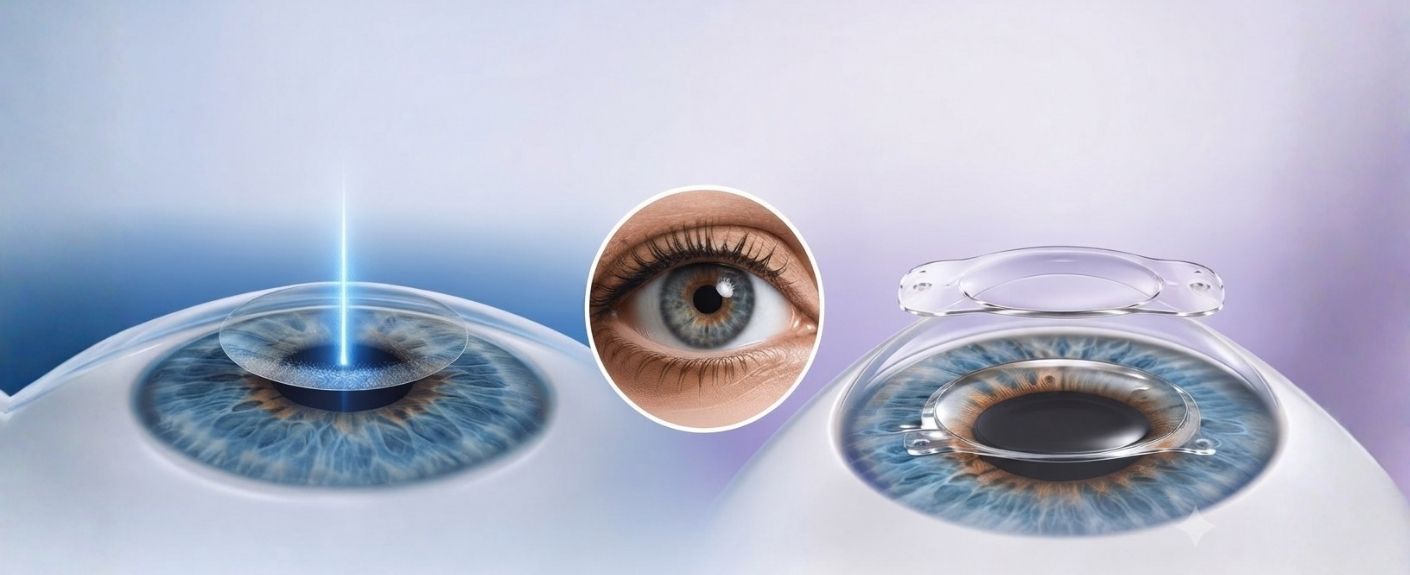
In such cases, alternative treatments such as PRK, implantable contact lenses (ICL), or prescription glasses and contact lenses may provide a safer solution.
How is LASIK Enhancement Surgery Performed?
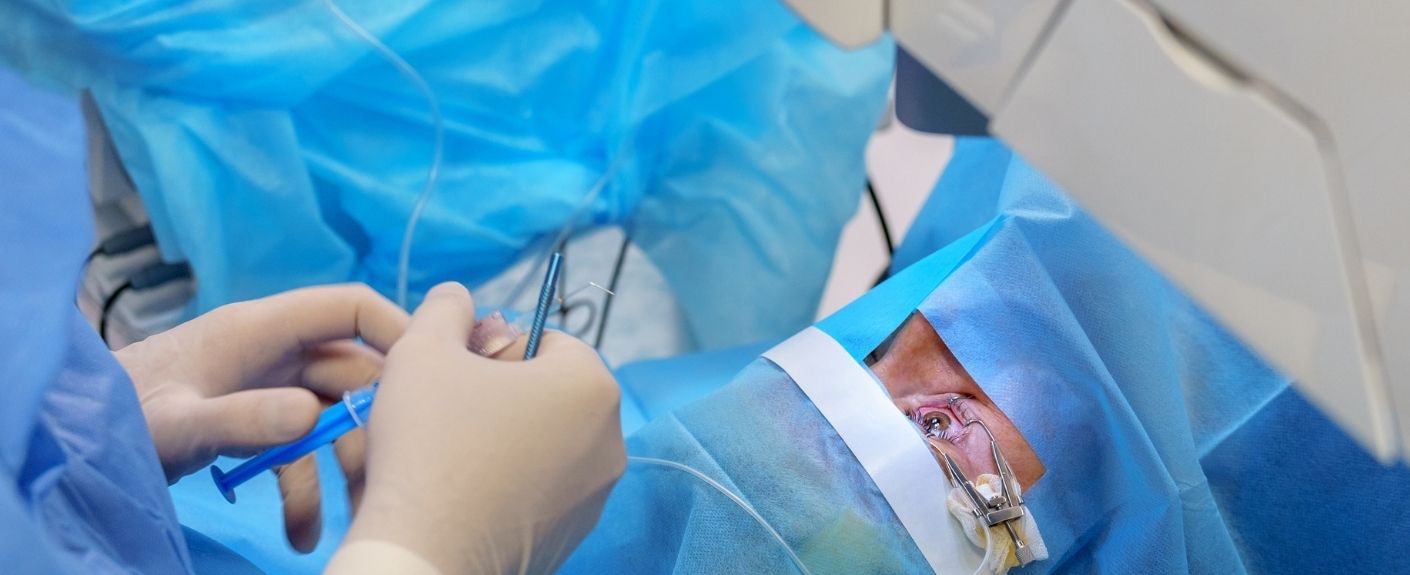
LASIK enhancement surgery follows a process similar to the original LASIK procedure but is tailored to the patient's current vision and corneal condition. The surgeon carefully evaluates the eye before deciding on the safest enhancement technique.
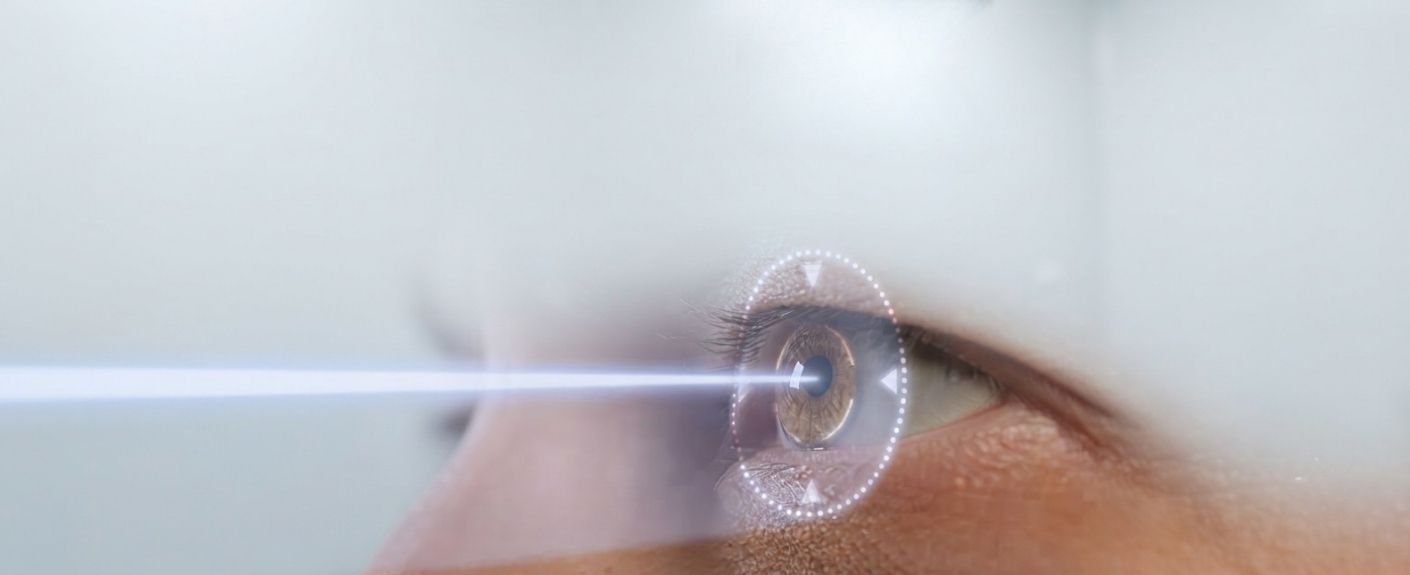
In many cases, the original LASIK flap can be gently lifted, allowing the excimer laser to reshape the cornea further. If lifting the flap is not advisable, the ophthalmologist may recommend another refractive procedure, such as photorefractive keratectomy (PRK).
The procedure generally includes the following steps:
- Comprehensive eye examination and vision assessment
- Corneal mapping and thickness measurement
- Treatment planning based on the current prescription
- Laser correction of the remaining refractive error
- Postoperative examination and follow-up care
The enhancement procedure usually takes only a few minutes per eye, and most patients return home on the same day.
If you are considering LASIK enhancement surgery in Mumbai, consult an experienced ophthalmologist at Surya Eye Hospital who can determine whether a repeat procedure is appropriate based on detailed diagnostic testing.
What Are the Risks of LASIK Enhancement?
Repeat LASIK is generally safe when performed on suitable candidates, but every surgical procedure carries potential risks. A comprehensive evaluation helps minimize these risks before treatment.
Possible complications include:
- Dry eyes
- Glare or halos around lights
- Under-correction or over-correction
- Infection
- Delayed healing
- Flap-related complications
- Corneal ectasia in rare cases
The likelihood of complications decreases when surgery is performed by an experienced refractive surgeon using modern diagnostic equipment.
Repeat LASIK vs Other Vision Correction Options
Repeat LASIK is not always the best solution for every patient. If an enhancement is unsuitable, your ophthalmologist may recommend an alternative procedure based on your eye health and visual needs.
| Option | Best Suited For | Key Considerations |
| LASIK Enhancement | Stable vision with adequate corneal thickness | Uses additional laser correction |
| PRK | Thin corneas or an unsuitable LASIK flap | Longer healing period but avoids flap-related concerns |
| Implantable Contact Lens (ICL) | High refractive error or unsuitable corneas | Lens implanted inside the eye without reshaping the cornea |
| Glasses or Contact Lenses | Mild residual refractive error | Non-surgical vision correction |
A personalized evaluation helps determine the safest and most effective treatment approach.
Choosing the Right Eye Surgeon Matters
Successful LASIK enhancement depends on careful patient selection, advanced diagnostic testing, and surgical expertise. Even if a repeat procedure is technically possible, it should only be performed when the expected benefits outweigh the risks.
When selecting a surgeon or eye care center, consider:
- Experience in refractive surgery and enhancement procedures
- Comprehensive preoperative evaluation
- Advanced corneal imaging technology
- Personalized treatment planning
- Long-term postoperative follow-up
If you are searching for a trusted LASIK eye surgery hospital in Mumbai, Surya Eye Hospital offers comprehensive refractive surgery services, detailed diagnostic assessments, and individualized treatment recommendations rather than a one-size-fits-all approach.
Recovery After Repeat LASIK
Recovery after repeat LASIK is similar to recovery after the initial procedure, although healing time may vary depending on the enhancement technique used. Most patients notice gradual improvement in vision within the first few days, while complete visual stabilization may take several weeks.
To support proper healing, your ophthalmologist may recommend:
- Using prescribed antibiotics and lubricating eye drops
- Avoiding rubbing your eyes
- Wearing protective eye shields while sleeping, if advised
- Limiting swimming and hot tub use until your surgeon permits
- Avoiding eye makeup for the recommended period
- Attending all scheduled follow-up appointments
Patients should contact their ophthalmologist immediately if they experience severe eye pain, sudden vision loss, increasing redness, or persistent discharge after surgery.
Conclusion
A second LASIK treatment, or enhancement, can effectively correct residual refractive error or vision changes in appropriately selected patients. However, it is not the right choice for everyone. The success of repeat LASIK depends on factors such as stable vision, adequate corneal thickness, and overall eye health.
Consulting an experienced refractive surgeon is the best way to determine whether an enhancement or an alternative vision correction procedure is appropriate.
FAQs
Can you repeat LASIK eye surgery after many years?
Yes, whether you can repeat LASIK eye surgery years later depends on your eye health rather than the time since your first procedure. If your vision has changed and your cornea remains healthy with sufficient thickness, your ophthalmologist may consider an enhancement after a detailed evaluation.
How long should I wait before having a second LASIK procedure?
The waiting period varies depending on your healing and vision stability. Most ophthalmologists recommend waiting until your prescription has stabilized and the cornea has healed completely before considering enhancement. Your surgeon will determine the appropriate timing through regular follow-up examinations.
Will repeat LASIK provide permanent results?
Repeat LASIK can provide long-lasting vision correction, but it cannot prevent natural age-related changes in the eyes. Conditions such as presbyopia or cataracts may still develop over time. Maintaining regular eye examinations helps detect these changes and ensures continued eye health.
Is LASIK enhancement more risky than the first surgery?
LASIK enhancement carries similar risks to the initial procedure, although careful patient selection helps reduce complications. An experienced refractive surgeon evaluates corneal health, flap integrity, and healing before recommending another procedure. Following postoperative instructions also contributes to a smooth recovery.
What if I am not eligible for repeat LASIK?
If repeat LASIK is unsuitable, several alternative vision correction options may still be available. Depending on your eye condition, your ophthalmologist may recommend PRK, implantable contact lenses (ICL), prescription glasses, or contact lenses. The most appropriate option depends on your refractive error and overall eye health.
Understand your suitability and the right treatment approach before you decide.