

Advanced Diagnostic Technology
Modern diagnostic equipment supports accurate assessments and customised cataract surgery planning.
Discover Personalised Robotic FLACS and Specialist Cataract Care at Surya Eye.
Book FLACS Consultation ↗Surya Eye offers femtosecond laser-assisted cataract treatment supported by specialist expertise, precise surgical planning and personalised IOL selection.
Surya Eye's Bandra West Centre provides comprehensive cataract assessments and personalised treatment planning for patients from Khar.
Modern diagnostic equipment supports accurate assessments and customised cataract surgery planning.

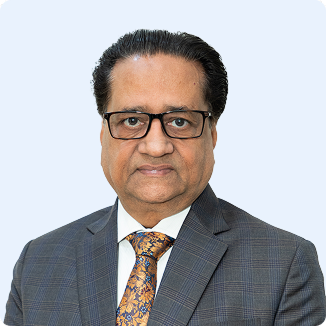
 Dr. Vinod Goyal
Computer-guided laser technology supports precise corneal incisions, capsulotomy and cataract fragmentation.
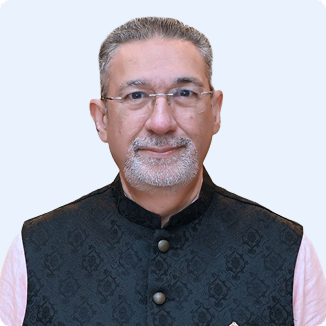
 Dr. Jay Goyal

Dr. Vinod Goyal, Dr. Jay Goyal and their team offer extensive experience in advanced cataract surgery.

Detailed eye measurements guide intraocular lens selection according to eye health and individual visual needs.

Comprehensive care throughout diagnosis, surgical treatment, recovery and postoperative follow-up.
BLADELESS CATARACT TREATMENT AT SURYA EYE
Bladeless cataract surgery is a laser-assisted procedure that replaces the eye's cloudy natural lens with a clear artificial intraocular lens (IOL).
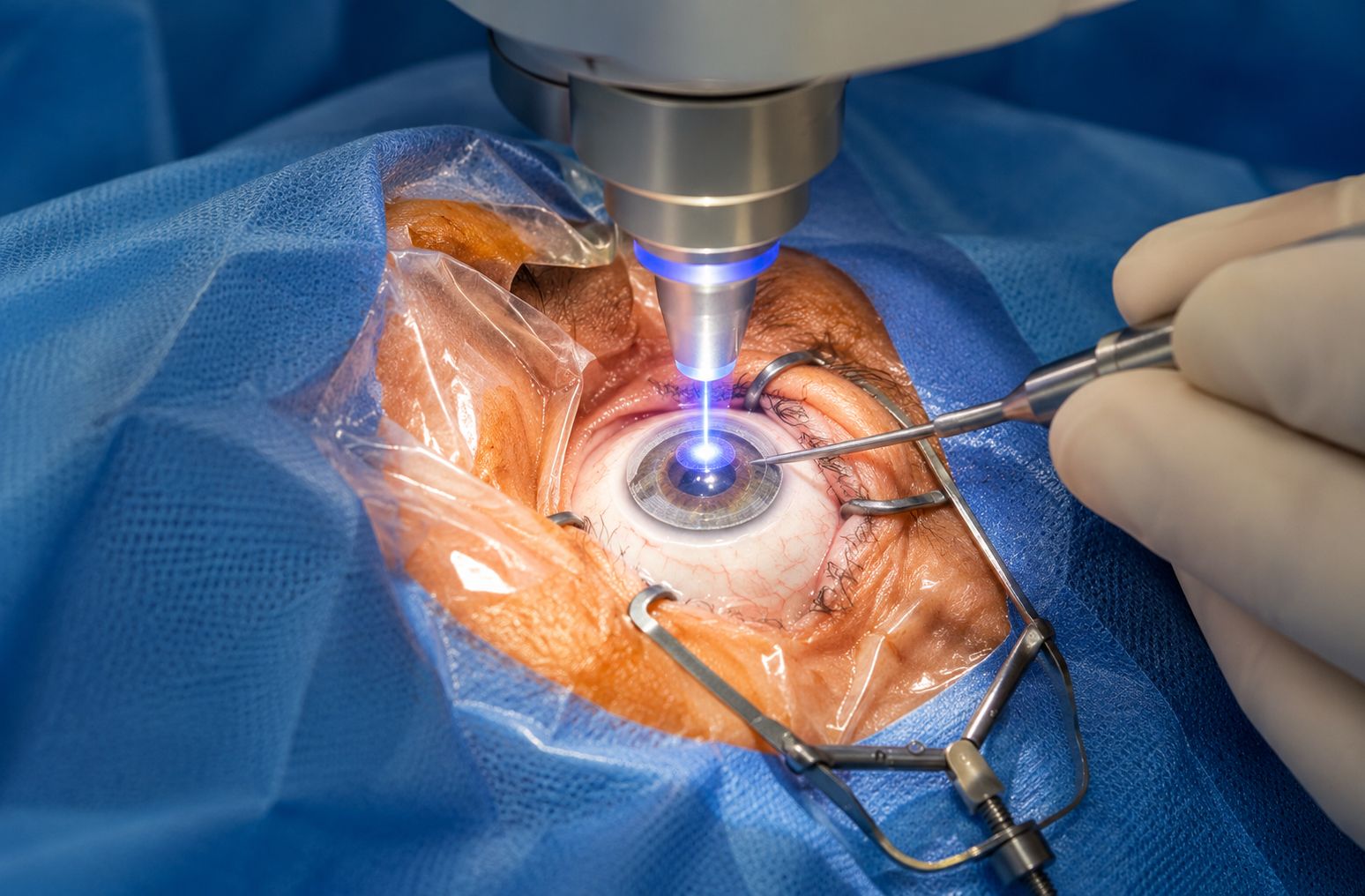
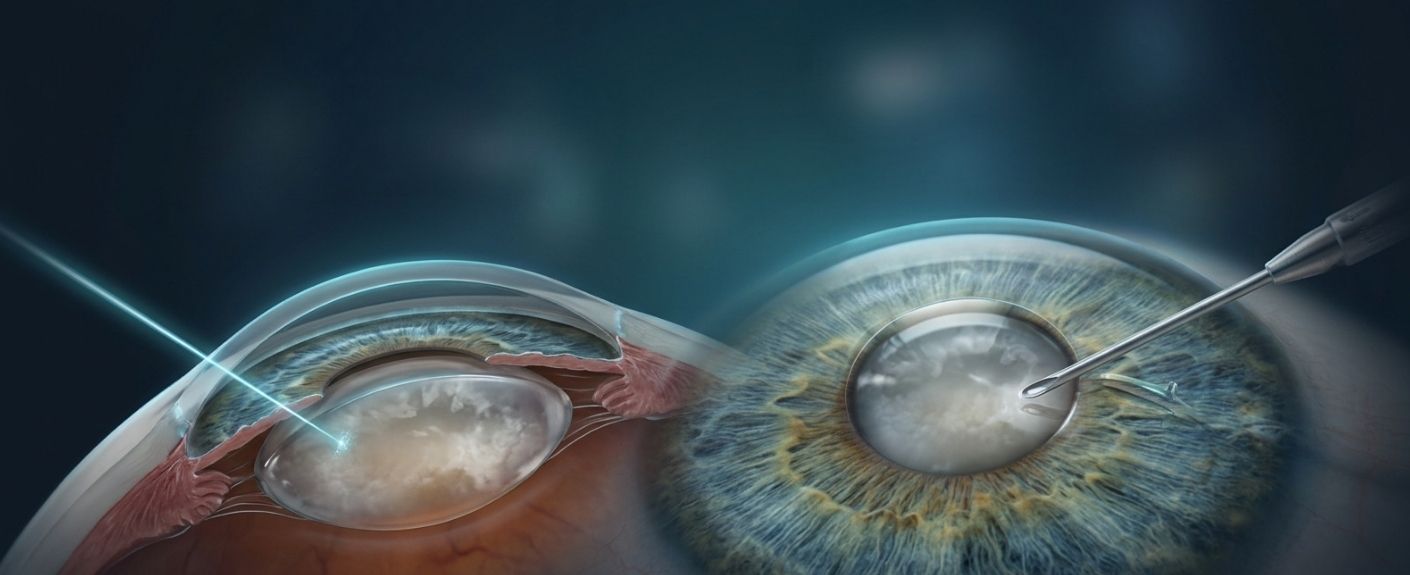
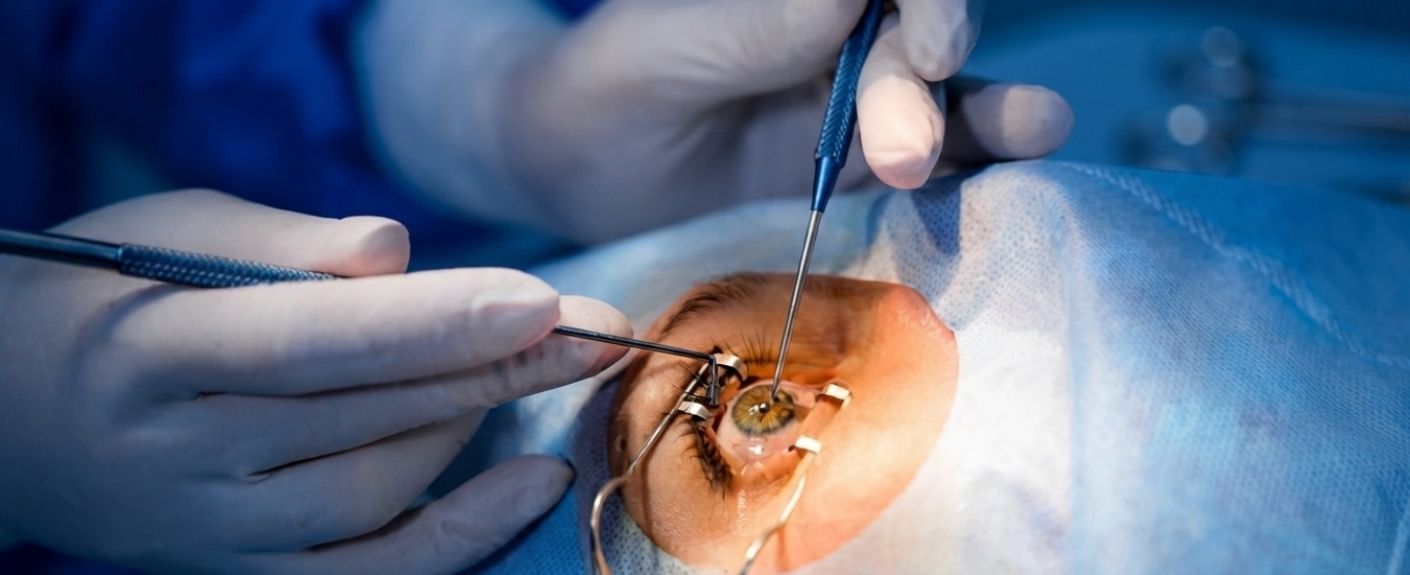
Femtosecond Laser-Assisted Cataract Surgery (FLACS) uses computer-guided laser pulses to assist with selected surgical steps, including corneal incisions, opening the lens capsule and breaking the cataract into smaller fragments.
The ophthalmologist subsequently removes the fragmented lens and implants the selected IOL. Surya Eye offers robotic FLACS for patients whose eye conditions are suitable for laser-assisted treatment.
PROCEDURE COMPARISON
Explore the differences between laser-assisted and conventional cataract surgery in terms of surgical technology, precision, techniques and recovery considerations.
| Feature | FLACS | Traditional Cataract Surgery |
|---|---|---|
| Technology | Femtosecond Laser Assisted | Manual Phacoemulsification |
| Incisions | Laser-Created | Manually Created |
| Capsulotomy | Laser-Created | Manually Performed |
| Lens Softening | Laser-Assisted | Ultrasound-Assisted |
| Premium IOLs | Commonly Paired | Suitable |
| Surgical Approach | Advanced Bladeless Technique | Conventional Technique |
| Visual Recovery | Designed For Faster Recovery In Suitable Cases | Varies By Patient And Procedure |
| Accuracy | Higher Accuracy As Human Error Is Minimized With Laser | Accuracy Depends On The Surgical Technique Used |
| Spectacle Freedom | Greater Freedom From Glasses | Depends On The Skills Of The Cataract Surgeon |
INTRAOCULAR LENS (IOL) OPTIONS AT SURYA EYE
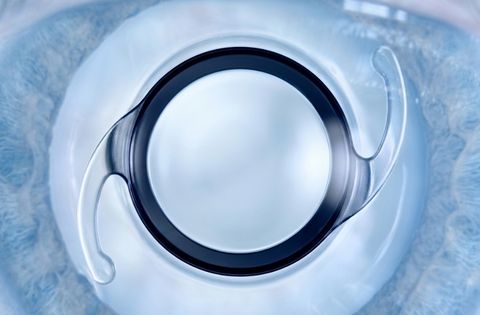
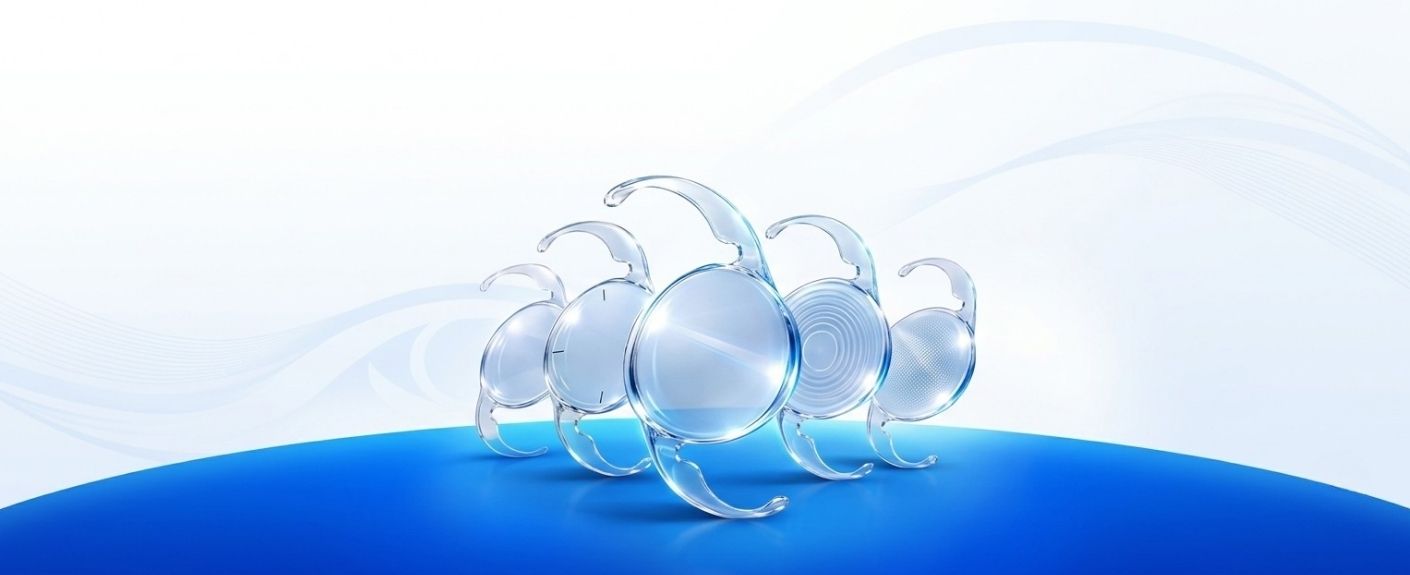
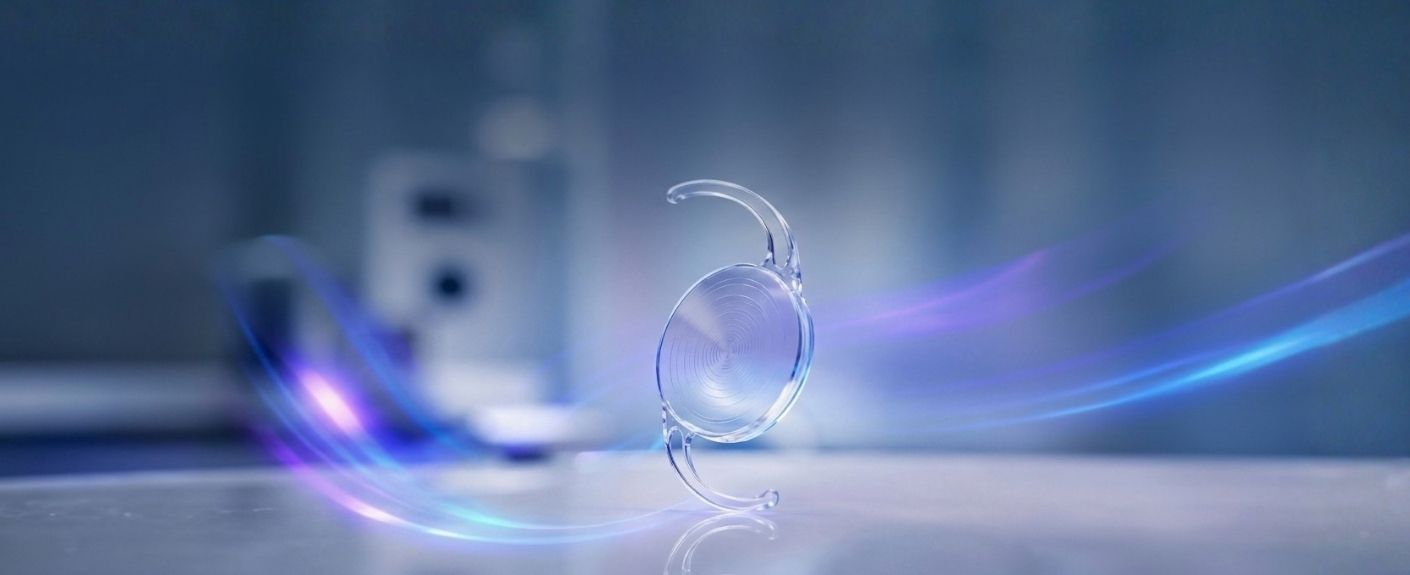
IOL selection depends on detailed eye measurements, visual requirements, lifestyle preferences and overall eye health.
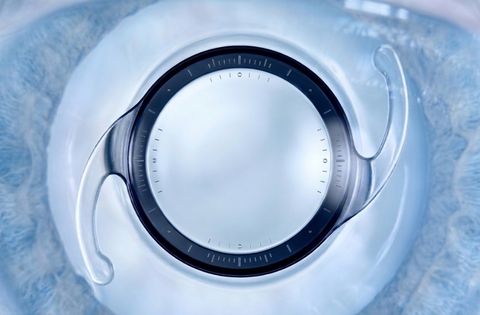
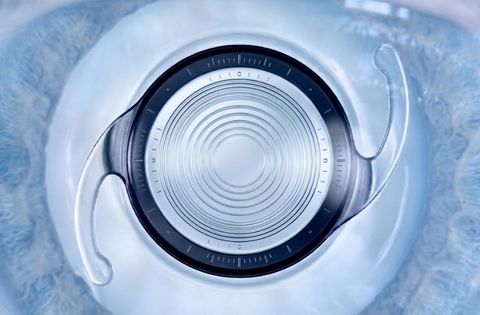
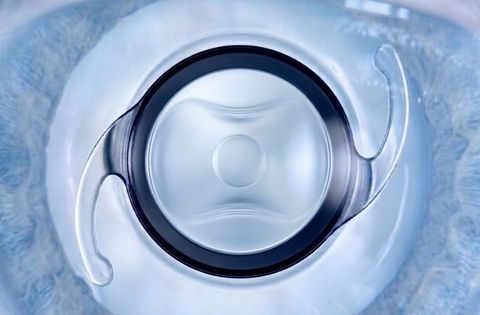
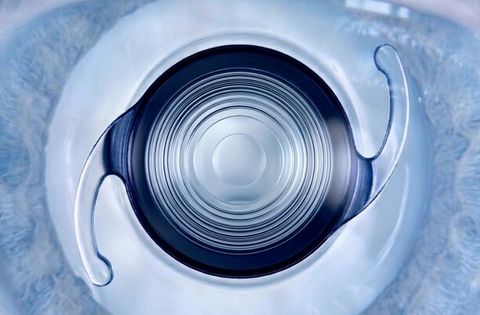
COMPARE IOL OPTIONS
Compare available IOLs based on near, intermediate and distance vision, spectacle dependence and possible night vision considerations.
| Types Of IOL | Near Vision |
Intermediate Vision |
Distance Vision |
Astigmatism Correction |
Glasses Dependence |
Night Vision / Halos |
ReLACS Compatibility |
Best For |
|---|---|---|---|---|---|---|---|---|
| Monofocal Toric |
× | × | ✓ | Minimal | Best | Best | ✓ | Clear Distance Vision |
| Trifocal | ✓ | ✓ | ✓ | More Common | Slightly Reduced |
Moderate | × | Reading, Computer Work, And Distance Vision |
| Most Popular Trifocal Toric |
✓ | ✓ | ✓ | More Common | Slightly Reduced |
Moderate | ✓ | Reading, Computer Work, Distance Vision, And Astigmatism Correction |
| Extended Depth Of Focus (EDOF) |
× | ✓ | ✓ | Minimal | Best | Best | × | Screens, Computer Work, And Night Driving |
| EDOF Toric |
× | ✓ | ✓ | Minimal | Best | Best | ✓ | Screens, Computer Work, Night Driving, And Astigmatism Correction |
| Full Range Of Vision (FRV) |
✓ | ✓ | ✓ | Less Than Trifocal | Better Than Trifocal |
Good | × | Maximum Freedom From Glasses & Occasional Night Driving |
| Full Range Of Vision (FRV) Toric |
✓ | ✓ | ✓ | Less Than Trifocal | Better Than Trifocal |
Good | ✓ | Maximum Freedom From Glasses With Astigmatism Correction & Occasional Night Driving |
2-MINUTE CATARACT SELF-CHECK
Answer a few simple questions to understand whether your vision changes may be related to cataracts. A comprehensive eye evaluation at Surya Eye can help confirm the cause.
If You Answered “Yes” To Any Of These Questions, A Cataract Evaluation May Be Beneficial.
YOUR FLACS SURGERY JOURNEY AT SURYA EYE
A personalised treatment process covering detailed eye assessment, IOL selection, laser-assisted cataract surgery and postoperative monitoring.
Comprehensive eye examinations assess cataract severity, ocular health and FLACS suitability while helping determine the appropriate intraocular lens.
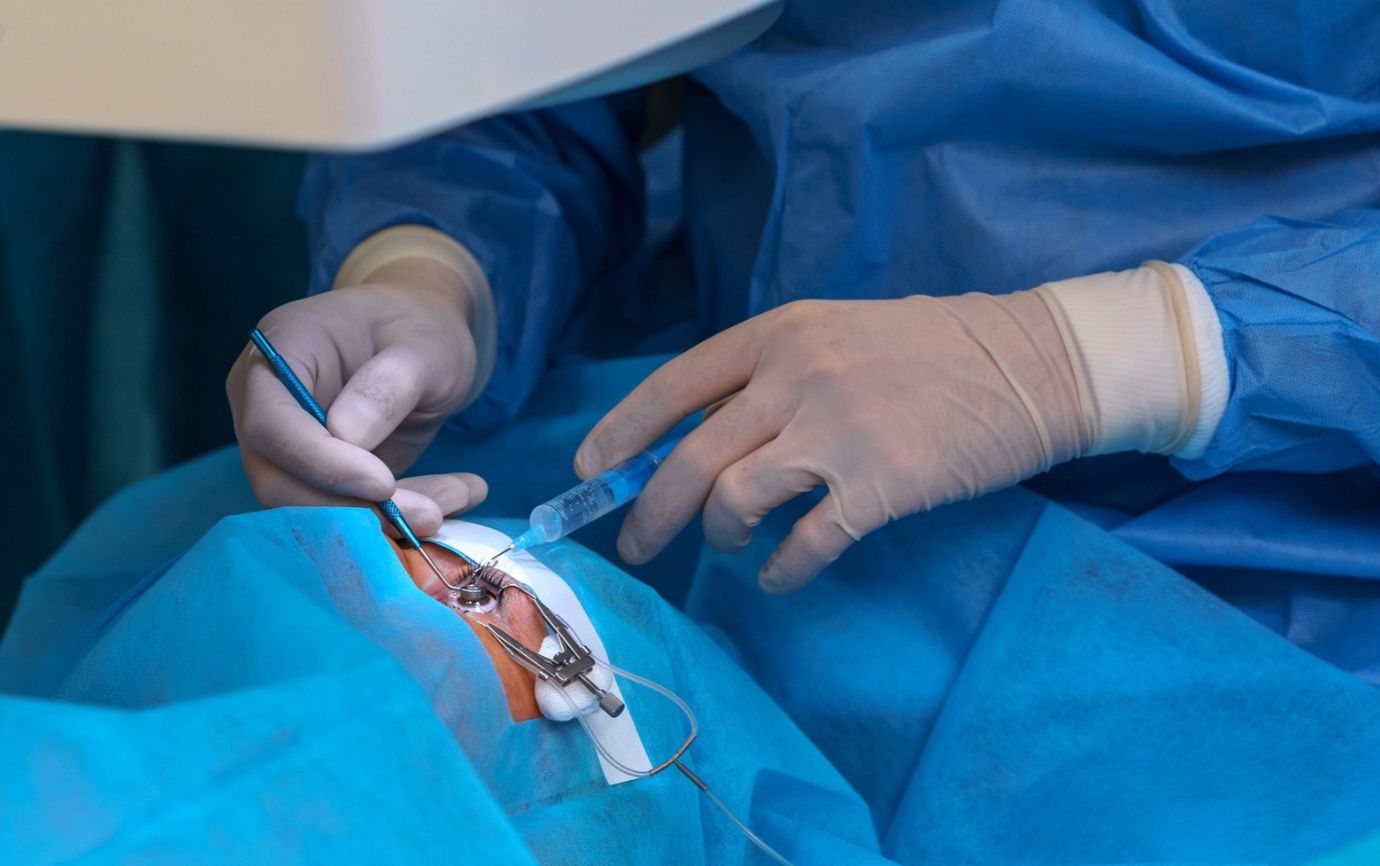
The femtosecond laser assists with corneal incisions, capsulotomy and cataract fragmentation. The surgeon then removes the cloudy lens and implants the selected IOL. The procedure typically takes around 15-20 minutes per eye.
Vision may begin improving within 24-48 hours, while complete healing generally takes approximately 4-6 weeks. Follow-up examinations help monitor recovery and visual improvement.
ADVANCED BLADELESS CATARACT TECHNOLOGY
Surya Eye combines modern diagnostic systems, image-guided planning and femtosecond laser technology to support precise, individualised cataract treatment.
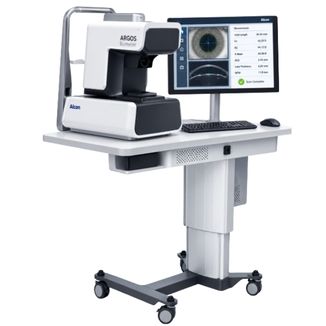
Provides precise eye measurements for IOL power calculation and personalised lens planning before bladeless cataract surgery.
✦ Precision IOL Measurements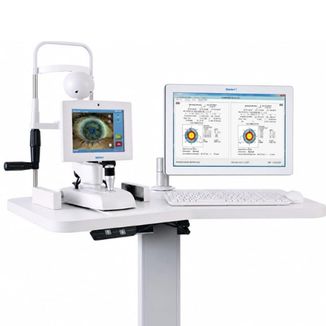
Supports digital surgical planning, precise incision placement, and IOL alignment based on individual eye measurements.
✦ Image-Guided Surgical Planning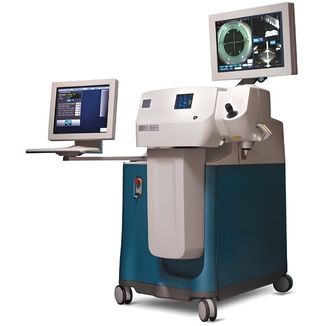
Uses computer-guided laser technology to assist key surgical steps, including precise incisions, capsulotomy, and cataract fragmentation.
✦ Robotic Bladeless Cataract Surgery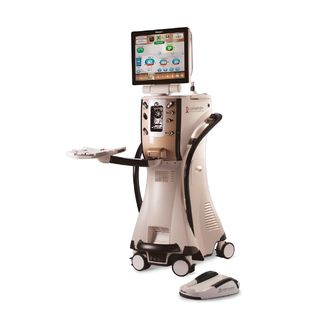
Removes the fragmented cataract through a micro-incision using ultrasound technology before the selected IOL is implanted.
✦ Micro-Incision Cataract RemovalBLADELESS CATARACT SURGERY COST IN KHAR
The cost of FLACS in Khar varies depending on cataract complexity, IOL selection, surgical requirements and individual eye health.
At Surya Eye, We Recommend The Right Lens For Your Eyes, Lifestyle, And Budget - Not Simply The Most Expensive Option.
Per Eye Only.
Cashless Insurance And 0% EMI Options Available*
*Subject To Your Policy Terms.
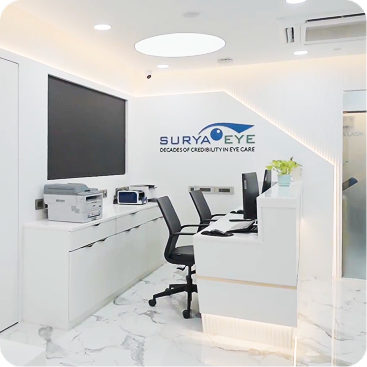
Surya Eye’s Bandra West centre is approximately 2–4 km from Khar, with a typical road travel time of around 10–20 minutes, depending on the starting point and traffic conditions. The centre can be reached by car, taxi, auto-rickshaw, bus, or local train. Patients travelling by train can reach Bandra station and continue to the centre by auto-rickshaw or taxi. Its convenient location makes the Bandra West centre easily accessible for patients travelling from Khar and nearby areas.
Patients can book their eye consultation in advance for a detailed assessment and personalized treatment planning.
HEAR IT FROM OUR SPECIALISTS
Hear our specialists explain treatment options, suitability and recovery.
YOU'RE IN SAFE HANDS
Experienced eye surgeons trusted by patients from India and across the world.






Femto laser cataract surgery uses a computer-guided femtosecond laser to assist with specific stages of cataract removal. The system delivers precisely focused laser pulses to predetermined areas of the eye.
During surgery, the laser helps create corneal incisions, open the lens capsule and divide the cloudy natural lens into smaller fragments. The surgeon subsequently removes the cataract using phacoemulsification and implants the selected intraocular lens.
This technology allows certain surgical steps to be customised according to individual eye measurements and anatomical characteristics.
Conventional cataract surgery involves manually creating corneal incisions and opening the lens capsule. FLACS uses a femtosecond laser to assist with these steps and fragment the cataract before removal.
Both techniques involve replacing the cloudy natural lens with an artificial IOL. Their primary difference lies in how selected surgical stages are performed.
Femto laser cataract surgery may be recommended for individuals whose cataract characteristics, eye anatomy and overall ocular health are suitable for laser-assisted treatment.
During the preoperative evaluation, the ophthalmologist considers:
Patients considering femto assisted cataract surgery in Khar can visit Surya Eye's Bandra West centre for a detailed evaluation to determine whether FLACS is appropriate.
At Surya Eye, femto laser treatment in Khar patients is done with the help of computer-guided technology to support precision and consistency during selected surgical steps.
Potential benefits include:
The advantages of FLACS vary depending on cataract severity, ocular anatomy, selected IOL and individual surgical needs. Laser assistance does not guarantee superior visual outcomes compared with conventional cataract surgery for every patient.
Like other cataract procedures, FLACS carries potential postoperative side effects and complications. Most temporary symptoms gradually improve during recovery.
Possible side effects include:
Less common complications include infection, changes in intraocular pressure, retinal problems and IOL-related issues. Detailed presurgical investigations, careful surgical planning and postoperative monitoring help identify and manage potential complications.
Recovery following femto laser cataract surgery varies between individuals. Many patients notice improving vision within 24-48 hours, although complete healing may take approximately 4-6 weeks.
During recovery, patients should:
The recovery period depends on cataract severity, retinal health, selected IOL and individual healing.
Femto laser cataract surgery is generally considered safe for appropriately selected patients when performed by experienced cataract surgeons. However, like any intraocular procedure, it carries potential risks.
The femtosecond laser assists with certain surgical stages, while the ophthalmologist remains responsible for cataract removal, IOL implantation and overall treatment management.
Comprehensive preoperative examinations, careful patient selection, sterile surgical techniques and postoperative follow-up support safe cataract care.
The femto laser cataract surgery cost in Khar depends on cataract characteristics, selected intraocular lens, surgical technique and individual treatment requirements. Factors influencing the overall cost include:
Patients comparing the bladeless cataract surgery cost in Khar should consider the recommended surgical approach, IOL options and services included in the treatment package.
A detailed consultation at Surya Eye helps determine the appropriate treatment plan and provide an individualised estimate before cataract laser operation in Khar.
Insurance coverage for femto laser cataract surgery depends on policy terms, medical necessity and insurer approval. Although medically necessary cataract surgery may be covered, premium IOLs and the femtosecond laser component may have separate limits or exclusions.
Surya Eye provides cashless treatment facilities through empanelled insurers and TPAs, subject to eligibility and authorisation. Patients should verify their insurance benefits before proceeding.
Surya Eye offers advanced robotic FLACS, experienced cataract surgeons and personalised IOL planning supported by modern diagnostic facilities.
Patients considering bladeless cataract surgery in Khar can undergo comprehensive eye evaluations to assess cataract severity, corneal health, astigmatism and individual visual requirements.
Advanced diagnostic systems, image-guided planning and femtosecond laser technology support precise execution of selected surgical steps. Patients from Khar can contact Surya Eye's Bandra West centre for cataract consultations, suitability evaluations and information about surgical arrangements.
Patients seeking femto cataract surgery in Khar can schedule a consultation at Surya Eye's Bandra West centre. The evaluation may include cataract examination, corneal measurements, axial length testing, IOL power calculations, astigmatism assessment and retinal examination.
These findings help the ophthalmologist recommend an appropriate surgical technique and suitable intraocular lens.
As a reliable eye hospital in Mumbai, Surya Eye offers personalised cataract surgery in Mumbai based on individual eye conditions and visual needs.
FLACS uses a femtosecond laser for selected surgical steps, but conventional instruments are still used to remove the cataract and implant the IOL. It is not an entirely laser-based procedure.
FLACS uses laser assistance for incisions, capsulotomy and cataract fragmentation. Phacoemulsification uses ultrasound to remove the cloudy lens. Both techniques commonly involve phacoemulsification for final cataract removal.
Yes, some patients with diabetes may undergo FLACS. The ophthalmologist evaluates retinal health, blood sugar control, cataract severity and other eye conditions before recommending the appropriate surgical technique.
Yes. FLACS is generally performed as a day-care procedure, allowing most patients to return home after postoperative observation. Overnight hospitalisation is rarely required unless additional monitoring is necessary.
Most FLACS procedures use small, self-sealing incisions that generally do not require stitches. However, sutures may occasionally be necessary depending on surgical findings and wound stability.
Bladeless cataract surgery is generally painless because anaesthetic eye drops numb the eye. Patients may feel mild pressure during the procedure and temporary irritation or discomfort afterwards.
Many patients notice improved vision within 24-48 hours after surgery. However, complete healing may take 4-6 weeks, depending on cataract severity, eye health and individual recovery.
Most patients remain awake during surgery under local anaesthesia, usually administered through eye drops. Mild sedation may be considered when appropriate to improve comfort.
Intraocular lenses are designed to remain in the eye permanently and generally last a lifetime. Replacement is uncommon, although other eye conditions may affect vision later.
Short journeys may be possible soon after surgery, depending on recovery. Longer travel plans should be discussed with the ophthalmologist to ensure appropriate postoperative care and follow-up.
Patients from Khar can schedule a cataract consultation at Surya Eye's Bandra West centre. The ophthalmologist will assess FLACS suitability, discuss IOL options and recommend appropriate treatment.









OUR CENTRES

805 - 807, 8th Floor, Supreme Headquarters, 14th Road, Bandra West, Off Linking Road, MH - 400050
See Centre↗
104, Aroto House, Purushottam Kheraj Rd, Saidham, Mulund West, Mumbai, MH - 400080
See Centre↗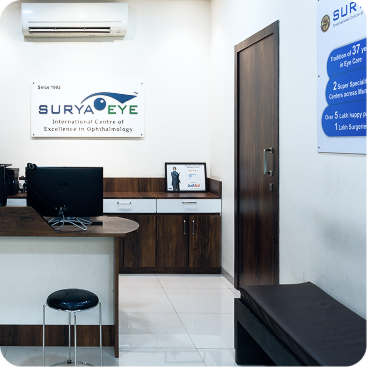
1st Floor, Superior Micron Heights, Sector - 7, Near Apple Hospital & London Shakes, Airoli, Navi Mumbai, MH - 400701
See Centre↗FEATURED

Trusted by 5 Lakh+ Patients.