Comprehensive Myopia Assessment
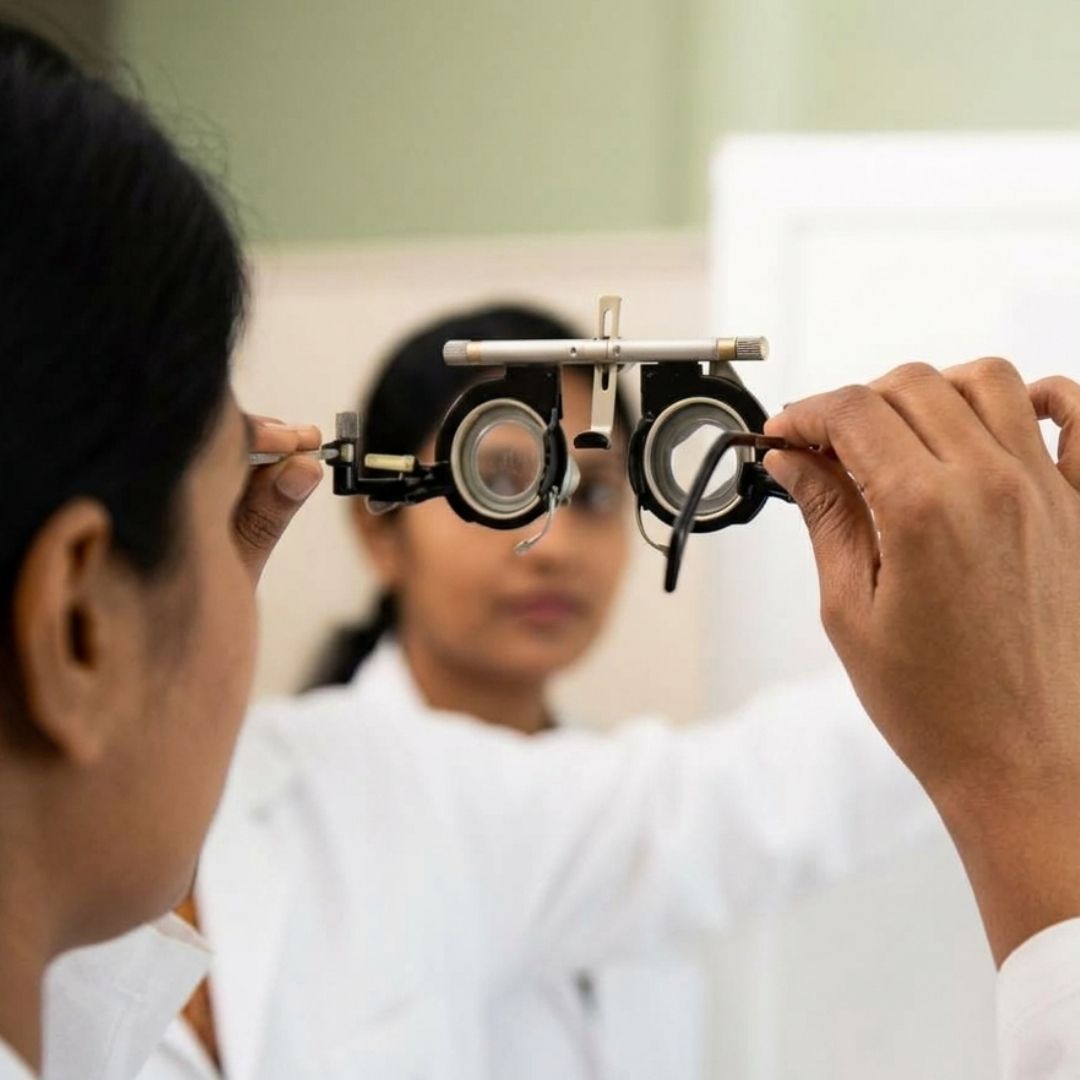
Detailed vision tests and eye measurements help evaluate myopia severity and track progression.

Specialised myopia assessment, personalised vision correction and effective strategies to help slow childhood myopia progression.
Book Myopia Consultation↗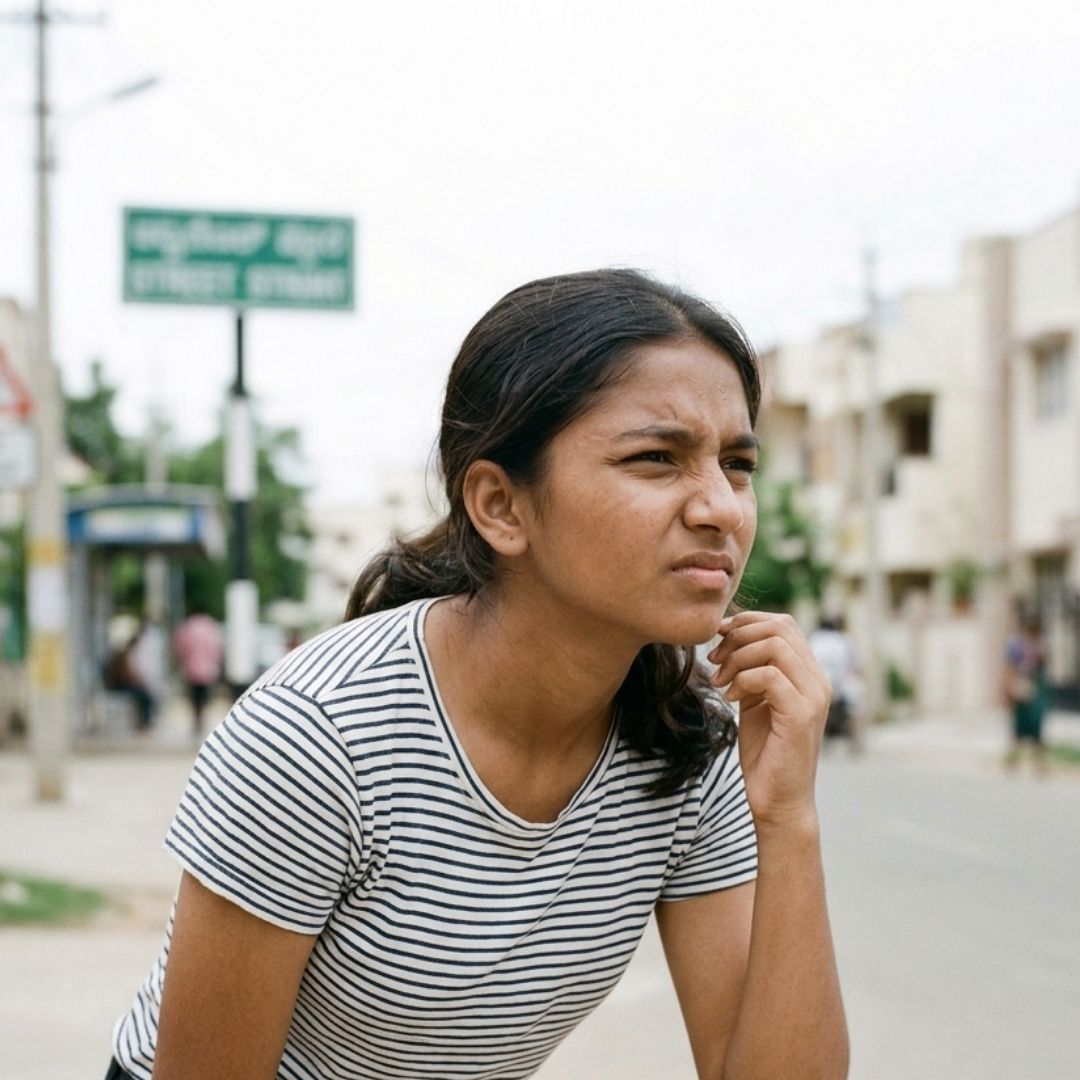
Advanced myopia assessment, individualised treatment and trusted ophthalmic expertise. Discover what makes Surya Eye different.
Detailed vision tests and eye measurements help evaluate myopia severity and track progression.
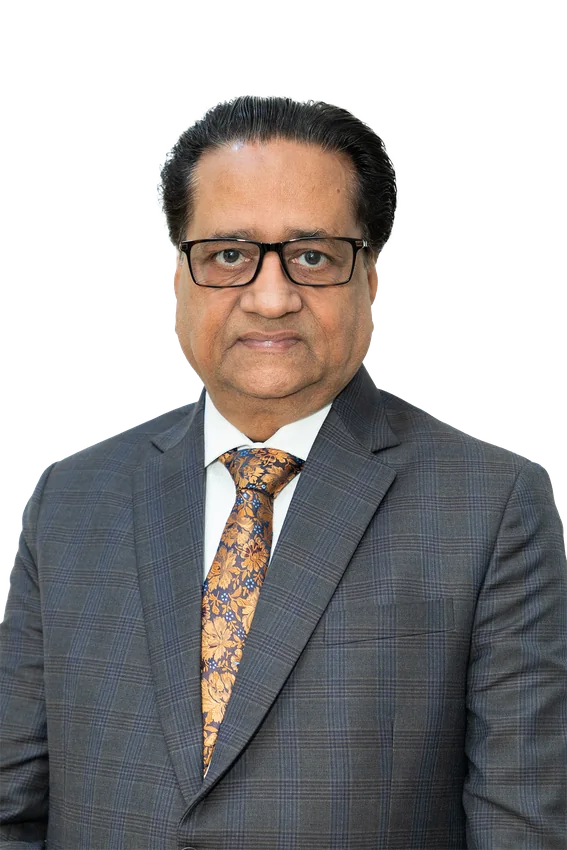
 Dr. Vinod Goyal

Access to multiple ophthalmic specialties for comprehensive vision and eye health management.
 Dr. Jay Goyal

Led by Dr. Vinod Goyal and Dr. Jay Goyal, continuing decades of specialised ophthalmic care.

Regular follow-ups and personalised recommendations support effective long-term myopia management.
Age-appropriate strategies designed to help manage progressive myopia in children and adolescents.
UNDERSTANDING MYOPIA
Myopia, also called nearsightedness or short-sightedness, is a refractive error that makes distant objects appear blurred while nearby objects generally remain clear.
It develops when the eyeball is longer than normal or the cornea has excessive curvature, causing incoming light to focus in front of the retina.
Myopia frequently begins in childhood and can increase during adolescence. Early diagnosis and appropriate treatment may help slow progression and reduce the risk of high myopia.
UNDERSTANDING THE RISK FACTORS
Myopia is influenced by inherited characteristics, eye growth and environmental factors. Recognising these risks can help identify children who need closer monitoring.
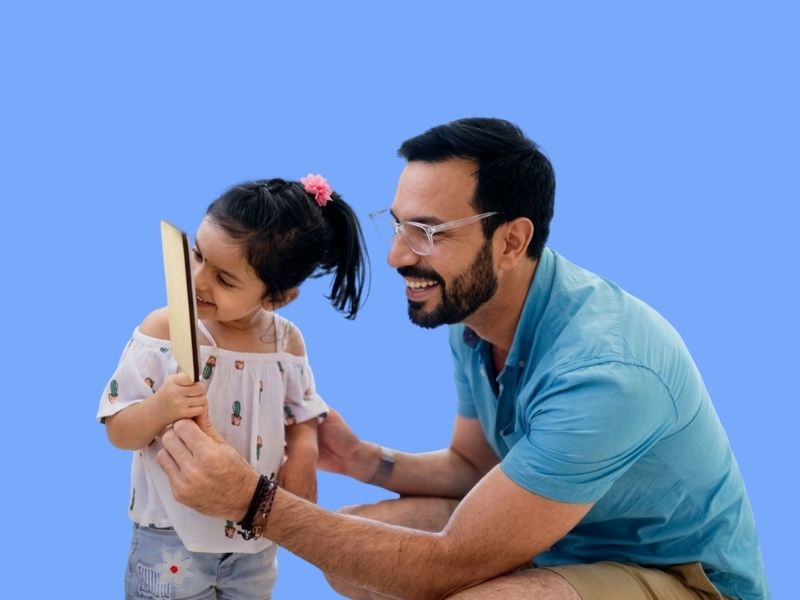
Children with myopic parents have an increased likelihood of developing nearsightedness.

Extended reading, studying and other near-vision activities may increase myopia risk.
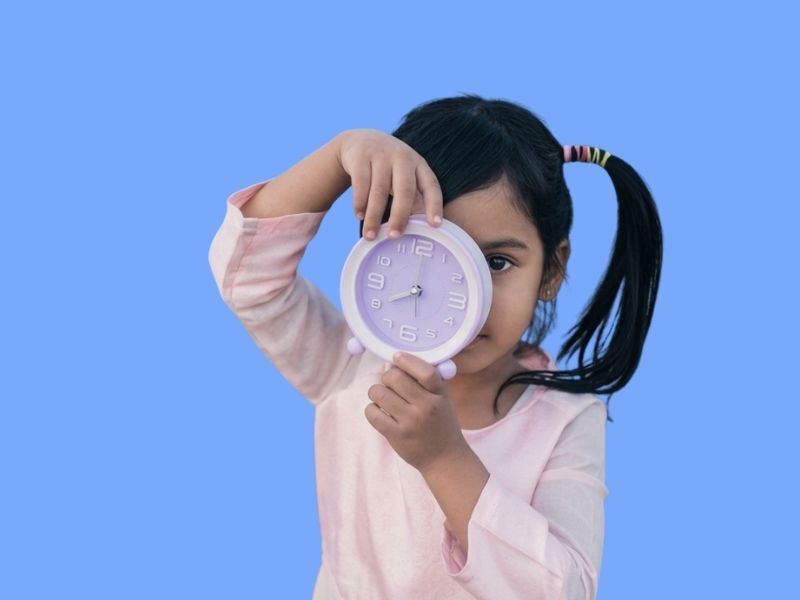
Limited time outdoors is associated with a greater likelihood of developing childhood myopia.

Prolonged close-up screen use may contribute to myopia risk, particularly alongside reduced outdoor exposure.
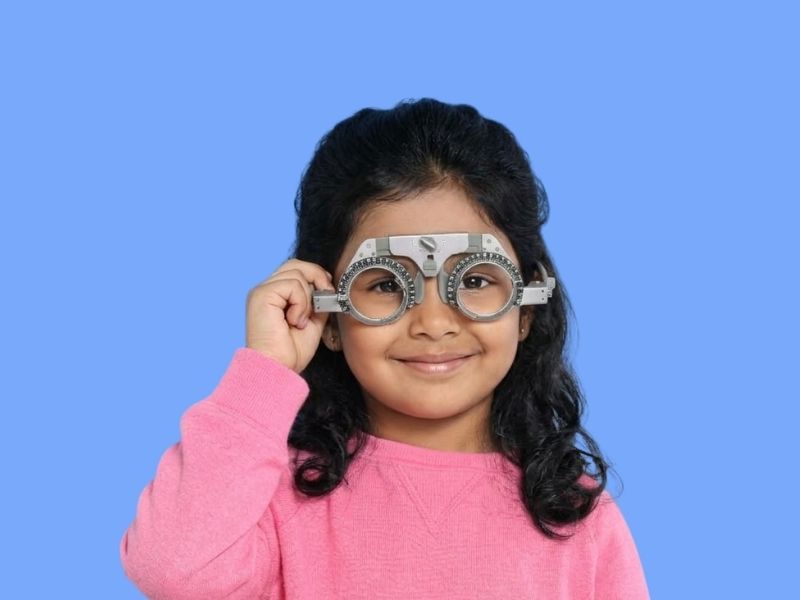
Early-onset myopia increases the likelihood of greater progression and high myopia.
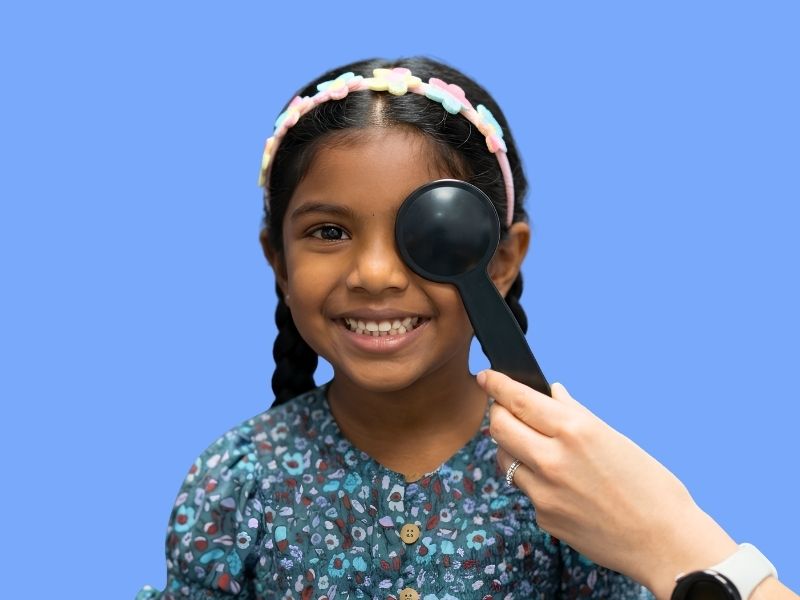
Increased axial length causes light to focus before the retina and contributes to progressive myopia.
KNOW WHEN TO SEEK HELP
Identifying changes in distance vision early allows timely prescription correction and appropriate myopia management.

Road signs, distant faces or classroom boards may appear unclear.
Frequently narrowing the eyes to improve distance vision.
Sitting unusually close to televisions or other displays to see better.
Recurring visual fatigue or headaches associated with difficulty seeing clearly.
Children may request front-row seating or struggle to follow distant classroom instructions.
ADVANCED MYOPIA DIAGNOSTICS
Specialised examinations help evaluate refractive errors, measure eye growth and support individualised myopia treatment planning.
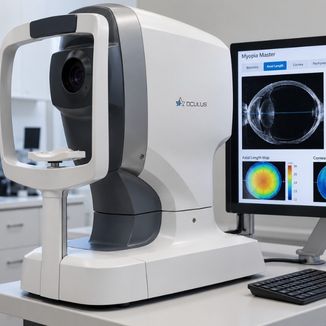
Combines axial length, refraction and corneal curvature measurements for comprehensive myopia assessment.
✦ Advanced 3-in-1 Technology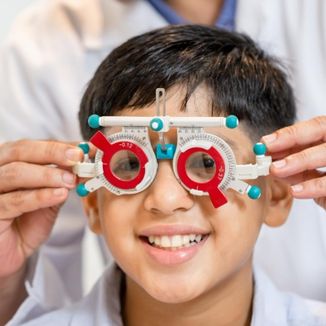
Measures distance vision clarity to assess visual performance and identify blurred vision.
✦ Accurate Vision Assessment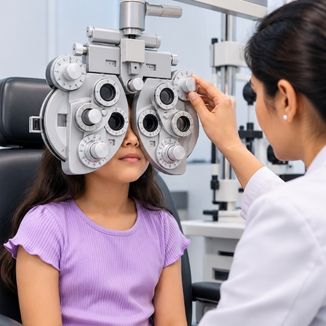
Uses eye drops to relax focusing for accurate prescription assessment, particularly in children.
✦ Precise Prescription Evaluation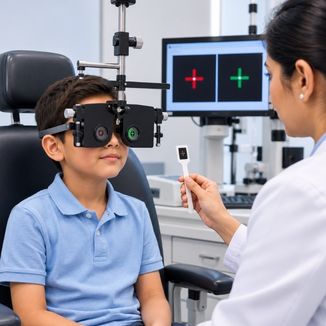
Evaluates eye coordination and focusing ability to identify associated visual difficulties.
✦ Eye Coordination Assessment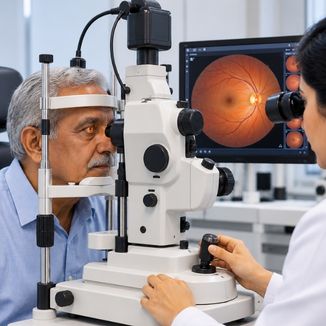
Examines retinal health and identifies potential complications, particularly in high myopia.
✦ Comprehensive Retinal Evaluation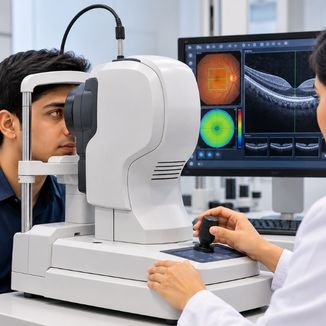
Provides detailed retinal images when myopia-related structural changes or complications are suspected.
✦ Detailed Retinal ImagingPERSONALISED MYOPIA CARE
Treatment recommendations depend on age, prescription, progression rate, eye health and individual visual requirements.

Correct blurred distance vision, with specialised myopia-control lenses available for suitable children.
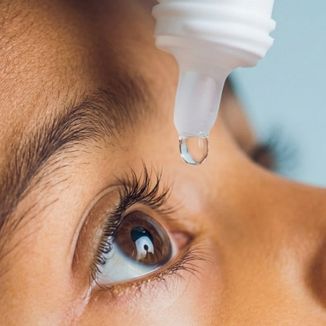
Prescription eye drops used to help slow myopia progression in children.

Specialised overnight contact lenses that temporarily reshape the cornea and may slow myopia progression.
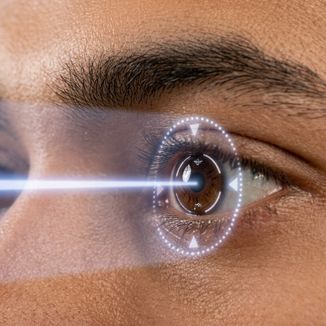
Laser procedures that reshape the cornea to correct myopia in eligible adults.
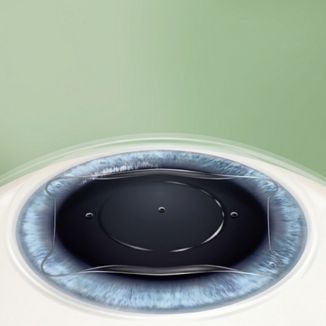
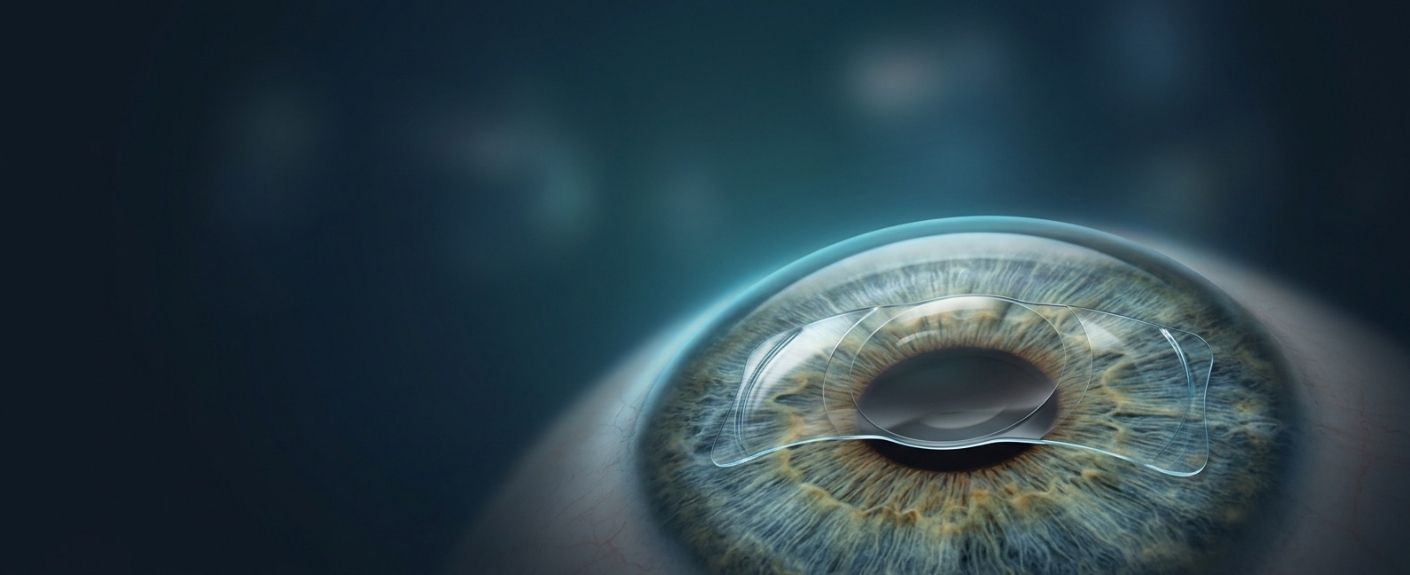
An implantable lens that corrects myopia in selected adults, particularly when laser surgery is unsuitable.
PATIENT JOURNEY
Five structured steps, from initial consultation and diagnostic evaluation to personalised treatment and continued progression monitoring.
Your vision concerns, family history, daily activities and previous prescriptions are reviewed.
Refraction, vision testing and relevant eye measurements assess myopia severity and progression risk.
A management plan is developed according to age, eye health, prescription and progression patterns.
Appropriate optical correction or myopia-control treatment is recommended and initiated.
Scheduled examinations track prescription changes, axial length and treatment response.
MEET OUR TEAM
Our ophthalmologists combine extensive clinical experience with advanced diagnostic assessments to provide personalised myopia treatment and long-term eye care.














Myopia is a refractive condition measured in negative dioptres (D). Increasing negative prescription values generally indicate greater nearsightedness.
At Surya Eye, patients seeking myopia treatment in Bandra can undergo comprehensive eye examinations to assess their prescription, identify associated visual concerns and determine appropriate management.
For children with progressive nearsightedness, monitoring prescription changes and eye growth is particularly important. A myopia specialist in Bandra can recommend suitable treatment based on age, progression and individual eye health.
Myopia develops through a combination of genetic predisposition, structural eye changes and environmental influences.
When the eyeball becomes excessively elongated, incoming light focuses before reaching the retina. Measuring axial length helps assess eye growth and monitor progressive myopia.
Having one or both parents with myopia increases a child's likelihood of developing nearsightedness. However, myopia can also occur without a family history.
Extended reading, studying and close-up screen activities may contribute to myopia development, particularly when children spend limited time outdoors.
Children who spend less time outdoors have a higher risk of developing myopia. Regular outdoor activities may help reduce the likelihood of onset.
Myopia can be categorised into different types like simple myopia, high myopia, pathological myopia and childhood myopia according to prescription severity, age of onset and associated structural changes.
A common type of nearsightedness in which distant objects appear blurred. Prescription glasses or contact lenses generally provide effective vision correction.
High myopia is commonly defined as a refractive error of −6.00 dioptres or more. It is associated with an increased risk of certain retinal and other ocular complications.
This form involves progressive structural changes, particularly at the back of the eye, that may affect retinal health and visual function.
Childhood myopia often progresses as the eyes grow. Regular monitoring helps identify worsening prescriptions and determine whether myopia-control treatment is appropriate.
The most recognisable symptom of myopia is difficulty seeing distant objects clearly. Additional signs may become noticeable during school, outdoor activities or everyday tasks.
Distant objects appear unclear, while near vision may remain relatively sharp.
Narrowing the eyes may temporarily improve clarity when viewing distant objects.
Some patients experience visual fatigue or headaches, although these symptoms may also arise from other eye conditions.
Children may have trouble reading classroom instructions or following lessons from the back of the room.
Road signs, faces and other objects at a distance may become difficult to identify.
Patients experiencing these symptoms can consult a myopia doctor in Bandra for a detailed assessment and appropriate prescription correction.
A comprehensive examination helps determine the degree of nearsightedness, assess progression and identify other eye health concerns.
Standardised eye charts measure how clearly a patient can see objects at different distances.
Refraction determines the appropriate prescription for clear vision. Cycloplegic drops may be used in children to improve measurement accuracy.
Axial length testing measures the length of the eyeball and helps track eye growth in progressive myopia.
This examination measures corneal curvature and provides additional information for refractive assessment.
The Myopia Master combines axial length measurement, refraction and keratometry in a single diagnostic system.
Patients undergoing assessment with a Myopia Master in Bandra at Surya Eye can discuss how these measurements may help monitor childhood myopia and guide treatment decisions.
Myopia control refers to evidence-based treatments intended to slow the progression of nearsightedness, particularly in children. Unlike standard vision correction, which primarily improves clarity, the approaches used at Surya Eye for myopia control in Bandra aim to reduce the rate at which the prescription or axial length increases.
Slowing childhood myopia progression may reduce the likelihood of developing high myopia and its associated long-term eye health risks.
Regular refraction and axial length assessments help identify changes and evaluate the effectiveness of prescribed treatment.
Myopia control for children in Bandra may involve specialised spectacle lenses, myopia-control contact lenses, low-dose atropine or other suitable approaches. Treatment selection depends on the child's age, prescription, progression rate and clinical findings.
At Surya Eye, myopia treatment in Bandra focuses on improving vision and, where appropriate, slowing childhood myopia progression. Treatment varies according to age, prescription stability, eye health and individual suitability.
Spectacles correct blurred distance vision. Specialised myopia-control spectacle lenses may also help slow progression in eligible children.
Contact lenses offer an alternative to spectacles. Appropriate fitting, hygiene education and regular follow-up at a contact lens clinic are essential for safe use.
Certain spectacle and soft contact lens designs use specialised optics to help reduce childhood myopia progression.
Ortho-K uses specially fitted lenses worn during sleep to temporarily reshape the cornea. It may also help slow myopia progression in suitable children.
Prescription atropine drops can reduce myopia progression in some children. The concentration and treatment schedule require ophthalmologist supervision.
Laser vision correction and implantable lens procedures may correct myopia in eligible adults with stable prescriptions. Patients considering LASIK eye surgery in Mumbai can undergo a detailed evaluation to determine whether surgical correction is appropriate.
Childhood myopia management involves more than prescribing glasses. It also includes assessing progression risk and identifying opportunities to slow worsening nearsightedness.
At Surya Eye, myopia treatment for children in Bandra is personalised according to age, prescription, eye growth and overall visual development.
Routine pediatric eye care examinations help detect refractive errors, particularly in children who squint, sit close to screens or struggle to read classroom boards.
Regular follow-up appointments help determine whether spectacle power or axial length is increasing over time.
Suitable treatments may include specialised lenses, low-dose atropine or orthokeratology, depending on clinical findings. Parents seeking child myopia treatment in Bandra should arrange an examination at Surya Eye rather than relying solely on changes in screen time or visual habits.
High myopia increases the lifetime risk of certain eye conditions, including retinal detachment, glaucoma and myopic macular degeneration.
Highly myopic eyes may develop retinal thinning, tears or other structural abnormalities. Sudden flashes, new floaters or a dark shadow across the field of vision require urgent ophthalmic assessment at a trusted retina clinic in Mumbai.
Dilated retinal examinations and additional imaging, when indicated, help identify changes that may require further investigation or treatment.
Established axial myopia cannot currently be permanently reversed through eye exercises, medication or lifestyle changes. Prescription glasses and contact lenses correct blurred vision without eliminating the underlying refractive error.
Myopia-control treatments may slow progression during childhood, while LASIK, other laser procedures or implantable lenses can reduce spectacle dependence in eligible adults.
The most suitable approach depends on age, prescription stability, corneal characteristics and overall eye health.
Healthy visual habits can complement prescribed myopia-control treatment, although they cannot guarantee prevention or reversal of nearsightedness.
Aim for approximately two hours of outdoor activity daily when practical. Outdoor exposure is associated with a reduced risk of developing childhood myopia.
Encourage children to hold books and digital devices approximately 30–40 cm from their eyes and avoid prolonged viewing at very close distances.
After every 20 minutes of near work, look approximately 20 feet away for 20 seconds. This may reduce eye strain but is not proven to slow myopia progression.
Provide adequate lighting for reading and studying to improve visual comfort and reduce unnecessary strain.
Use recommended glasses, contact lenses or medications consistently. Avoid modifying treatment without consulting the ophthalmologist.
Periodic assessments help detect progression and determine whether treatment adjustments are required. Eye exercises cannot reverse established myopia reliably.
The myopia treatment cost in Bandra depends on the diagnostic tests required, prescription correction, selected myopia-control treatment and follow-up schedule. Standard prescription glasses, specialised lenses, atropine therapy and orthokeratology involve different costs.
A comprehensive consultation helps determine the most appropriate treatment and its estimated expenses.
Diagnostic charges vary depending on whether the assessment requires refraction, cycloplegic examination, axial length measurements or additional retinal imaging.
Coverage depends on the insurance policy and treatment involved. Routine spectacles, contact lenses and outpatient myopia-control therapies are commonly excluded. Patients should confirm eligibility and reimbursement conditions with their insurance provider.
Choosing a suitable myopia clinic in Bandra involves considering specialist experience, diagnostic facilities, available treatment options and access to regular monitoring.
Surya Eye provides comprehensive ophthalmic services supported by experienced specialists and advanced diagnostic assessments. As an established eye hospital in Mumbai, Surya Eye offers coordinated eye care for children and adults with myopia and associated visual concerns.
Its Bandra West centre provides a convenient location for patients seeking specialised myopia assessment and ongoing care.
Patients seeking trusted eye specialists in Mumbai can schedule a consultation at Surya Eye to discuss blurred distance vision, increasing spectacle power or childhood myopia progression.
The ophthalmologist will assess the prescription, relevant eye measurements and overall ocular health before recommending suitable management.
Patients are encouraged to bring previous spectacle prescriptions, existing treatment details and relevant eye examination records.
YOUR QUESTIONS, ANSWERED
Answers to common questions about myopia treatment.
Myopia develops when the eye grows too long or the cornea is excessively curved, causing blurred distance vision. Genetics, prolonged near work and limited outdoor time can contribute to its development.
If distant objects appear blurry while nearby objects remain clear, you may have myopia. An eye examination, including vision testing and refraction, can confirm the diagnosis and determine your prescription.
Myopia commonly progresses during childhood and adolescence before stabilising in early adulthood. However, progression varies between individuals, making regular eye examinations important, particularly for children with changing spectacle prescriptions.
The most suitable treatment depends on age, prescription and progression. Glasses or contact lenses correct vision, while specialised lenses, atropine or orthokeratology may help slow childhood myopia progression.
Regular prescription glasses improve distance vision but do not necessarily prevent myopia progression. Specialised myopia-control spectacle lenses may help slow progression in children when prescribed following a detailed eye examination.
Laser vision correction or implantable lenses may provide long-lasting refractive correction in eligible adults. However, these procedures do not reverse underlying eye elongation or eliminate all future eye health risks.
Evidence-based myopia-control treatments are generally considered safe when appropriately selected and monitored. The ophthalmologist evaluates the child's age, prescription, eye health and potential side effects before recommending treatment.
Regular outdoor activities, appropriate reading distances and prescribed myopia-control treatments may help manage progression. Periodic eye examinations are essential for monitoring changes and adjusting treatment when necessary.
Myopia correction with glasses provides immediate improvement in vision. Childhood myopia-control treatment generally continues over several years, with regular follow-ups to assess progression and determine whether adjustments are necessary.
You can schedule a consultation at Surya Eye's Bandra West centre for comprehensive myopia assessment. The ophthalmologist evaluates your prescription, eye health and treatment requirements before recommending suitable management options.
OUR CENTRES

805 - 807, 8th Floor, Supreme Headquarters, 14th Road, Bandra West, Off Linking Road, MH - 400050
See Centre ↗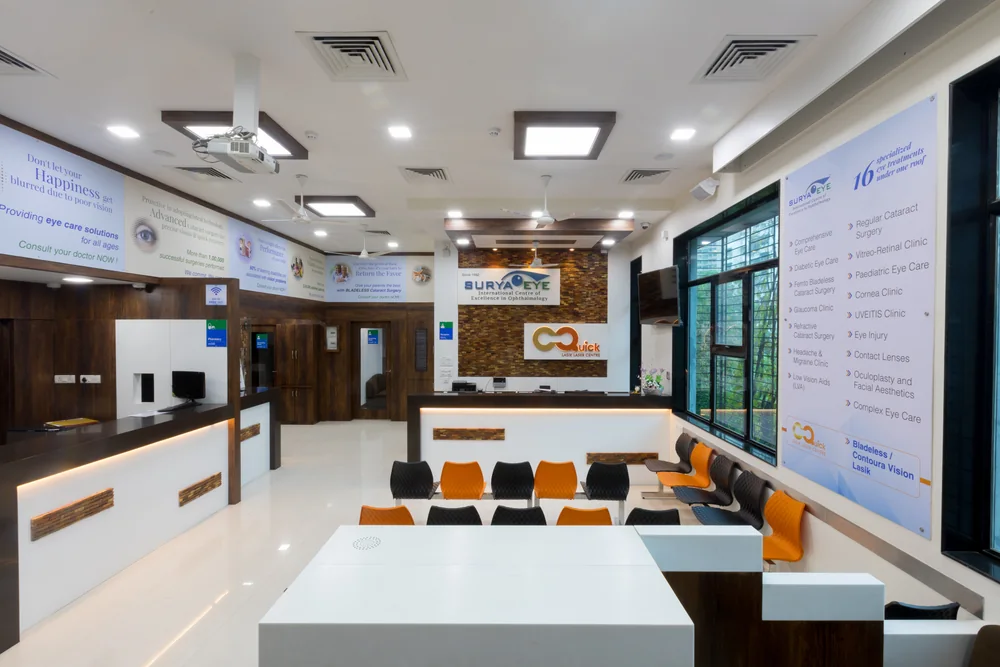
104, Aroto House, Purushottam Kheraj Rd, Saidham, Mulund West, Mumbai, MH - 400080
See Centre ↗ Center 1.png)
1st Floor, Superior Micron Heights, Sector -7, Near Apple Hospital & London Shakes, Airoli, Navi Mumbai, MH - 400701
See Centre ↗Trusted by 5 Lakh+ Patients.