


We grow older, and it is certain our body will change, and so will our vision. Lots of individuals notice the gradual changes in their vision as they enter their more mature years after the age of 45. Although not all of these changes can be considered dangerous, they might become an indication of a widespread age-related process called cataracts.
Cataracts are a vision impairment associated with millions of persons worldwide, and one of the most common causes of loss of sight among the elderly. Dr. Jay Goyal, who is a well-known ophthalmologist, states that early screening of cataracts is considered the major factor in avoiding serious vision impairments on a long-term basis.
What Are Cataracts?
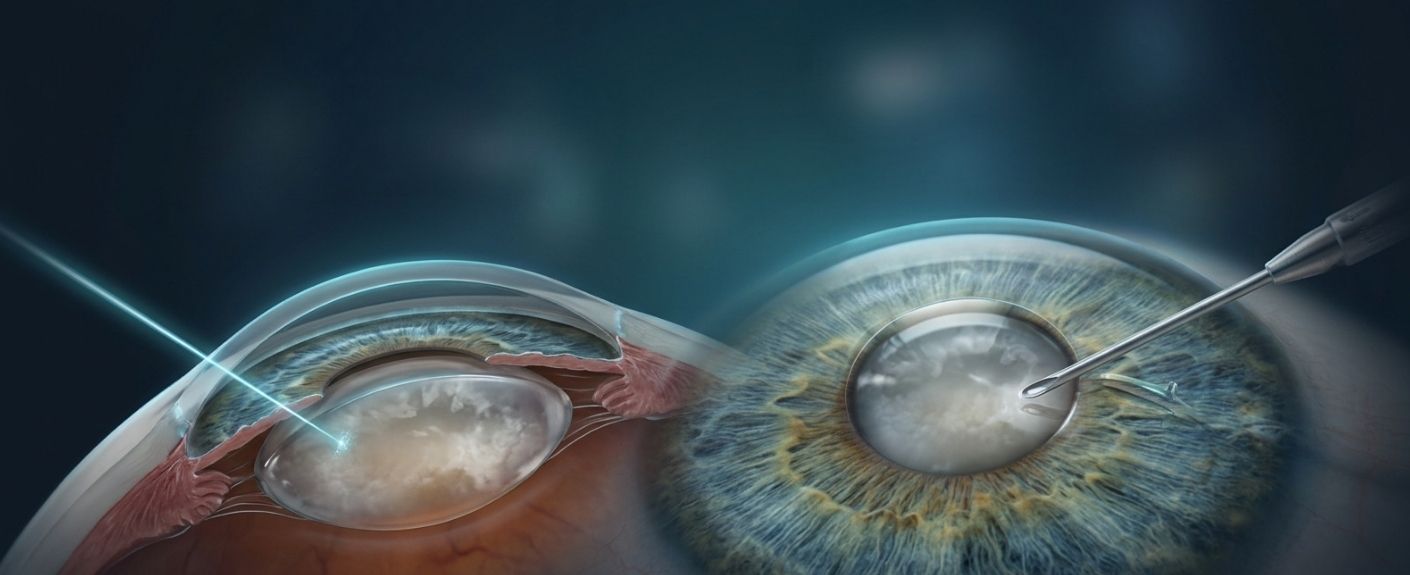
Cataracts involve the clouding of the natural lens in the eye to cause blurred or haziness of the vision. This is a lens usually clear in order to provide a focus of light to the retina to enable us to see clearly. Eventually, lens proteins will begin to break apart and stick together to create a clouded portion of the lens, or cataract.
How Cataracts Form
The formation of cataracts is a slow process. It does not manifest itself in a day; it is, therefore, vital to detect it as early as possible. At first, you may not experience any symptoms. However, as the cataract advances, it starts to affect daily chores such as reading, driving or face recognition.
Types of Cataracts
According to Dr. Goyal, cataracts vary depending on the parts where they develop in the lens:
- Nuclear Cataracts- Occurs in the centre of the lens, caused by age.
- Cortical Cataracts- Begin on the surfaces and then travel towards the core.
- Posterior Subcapsular Cataracts – Form at the posterior of the lens and are more likely to disrupt the near vision instantaneously.
Early Signs of Cataracts After 45
At the early stages, cataracts may be deceitful. The following are the most common symptoms, particularly after the age of 45:
1. Blurry or Cloudy Vision
It could come to your attention that you can no longer see clearly and as well as before. You may get the impression you have a foggy window or a movie in front of your eyes. It is this blurriness that may be applied to near and long-sightedness.
2. Difficulty Seeing at Night
It is even difficult to drive at night. In case of cataracts, the light going into your eye may become dispersed, thus making it more difficult to see in dim light. Headlights and streetlights are too bright or get halos superimposed.
3. Sensitivity to Light and Glare
Direct light or a source of light indoors will be irritating. You can even squint or may require wearing sunglasses more frequently. High amount of glare-sensitivity related to early cataract onset.
4. Fading or Yellowing of Colours
Colours can be dull, faded or yellowish. Such a shift happens because some of the wavelengths of light, particularly blue and violet colours, are eliminated by the clouded lens.
Causes and Risk Factors
Cataracts are age-related diseases, although there are factors that predispose them.
1. Ageing
The greatest risk factor is age. The majority of individuals past the age of 60 would develop some form of cataract, even though not all of them would be problematic to the extent of undergoing surgical procedures.
2. Diabetes
Individuals affected by diabetes develop cataracts earlier. The lens of the eye may change due to high blood sugar, thus becoming cloudy.
3. Smoking
Usage of tobacco enhances oxidative stress to the eye, leading to faster development of cataract. Research indicates that smokers are twice as prone to get cataracts in comparison with non-smokers.
4. Prolonged UV Exposure
The ultraviolet (UV) rays in sunlight can cause injury to the proteins of the lens. Through the use of UV-protective sunglasses, this risk can be eliminated.
Diagnosis and Screening
How Eye Specialists Detect Cataracts
Dr. Goyal reports that eye diagnosis should be emphasised twice a year after the age of 45. The following are the methods through which an ophthalmologist identifies cataracts:
- Visual Acuity Test: Tests the extent to which you see at different distances.
- Slit-Lamp Examination: A microscope and a bright light are used to examine the structures of the eye.
- Retinal Examination: The doctor can see the retina and lens through the pupil after it is dilated to check for cataracts.
- Tonometry: This tests the pressure of the eye to eliminate other eye problems.
Such tests are painless and typically take 30 to 45 minutes.
Noticing changes in your vision after 45? Don’t delay - book an Eye Check-up in Mumbai with our cataract specialists at Sura Eye Hospital.
Treatment Options
Medications, diets, or eye drops cannot reverse cataracts. Surgery is the only solution, and it is not necessary for everyone at once.
When Is Surgery Needed?
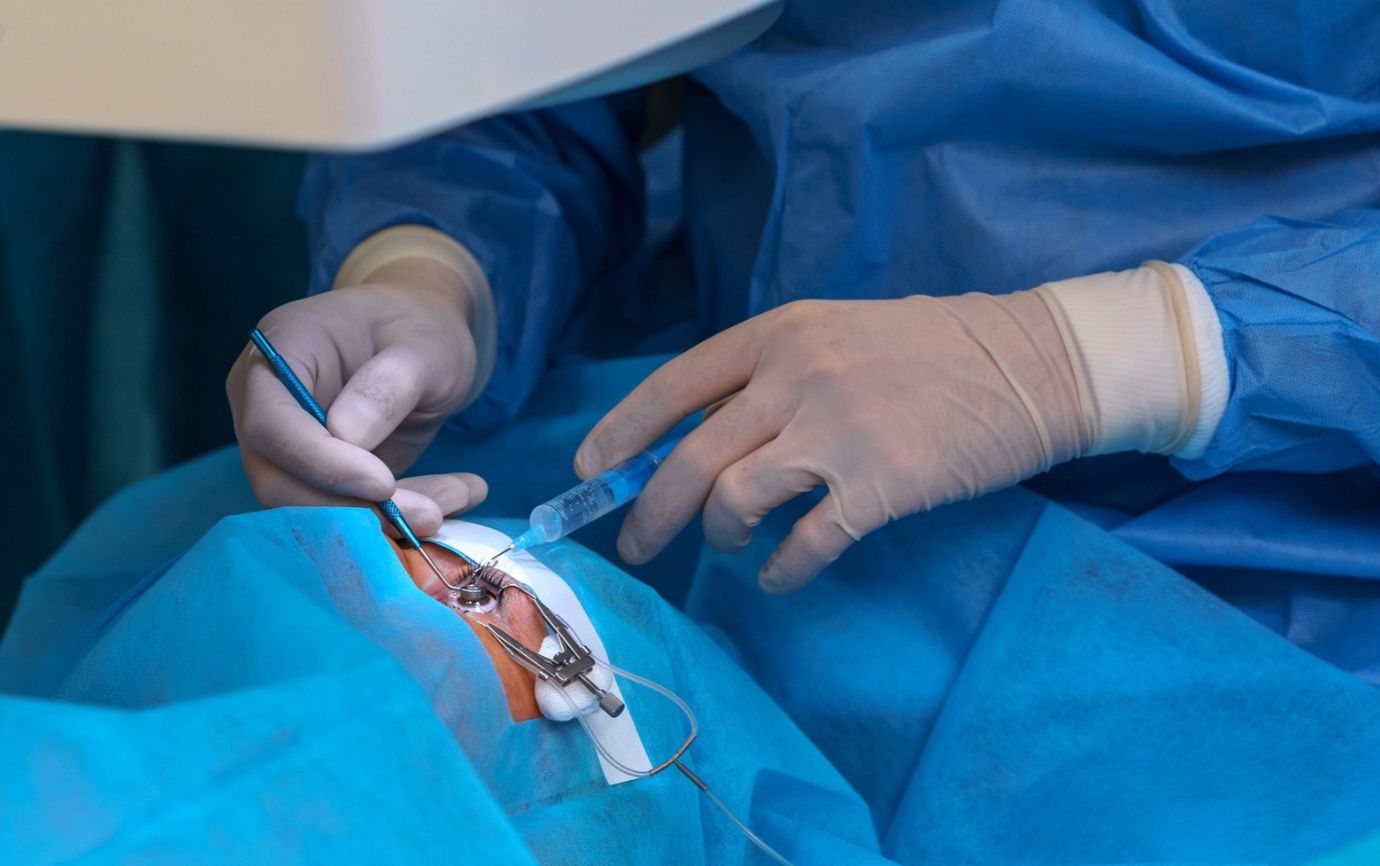
Dr. Goyal recommends surgery when the cataract starts to send you interference in your life. When your difficulties with reading, driving or following your hobbies that you used to enjoy, surgery can be the next right step.
Modern Advancements in Cataract Surgery
Due to technology, cataract surgeries are safer and more efficient now than ever. The major developments have been:
1. Phacoemulsification:
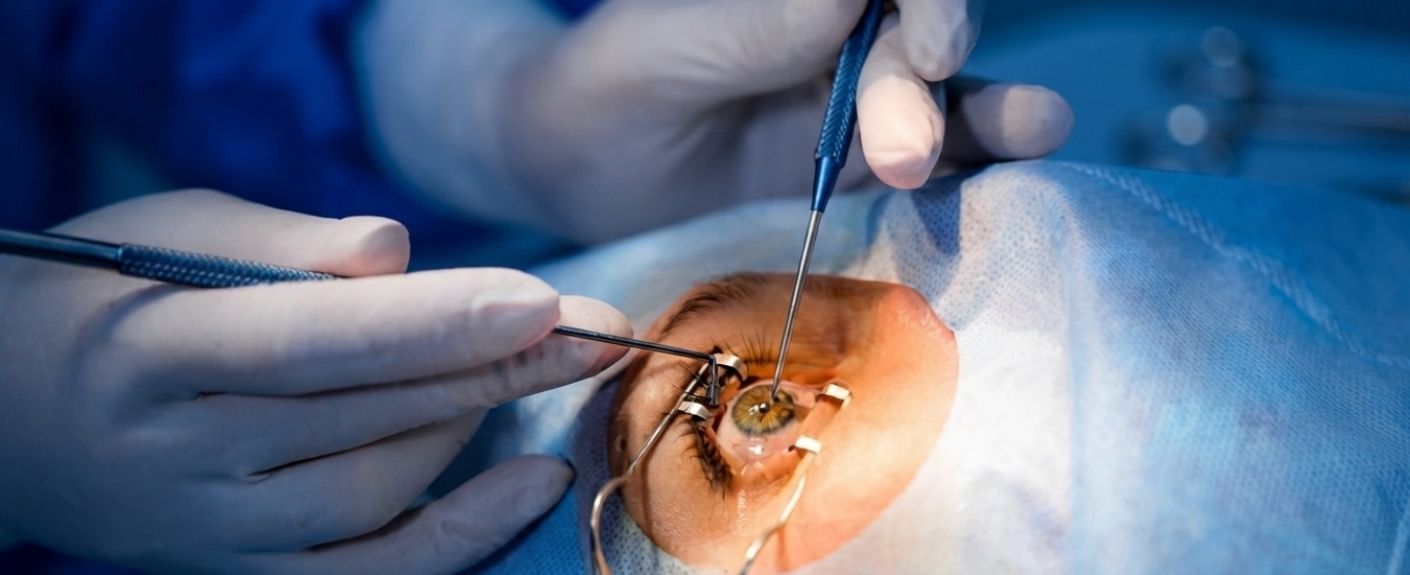
It is a new type of minimum invasive surgery to remove the cataract in a relatively painless process through sound waves splitting the cloudy lens into small pieces. The suction of these fragments is then made through a small incision.
2. Femtosecond Laser-Assisted Surgery:
The process is an innovative surgery process that employs the application of a computer-controlled femtosecond laser to make accurate, bladeless cuts in the eye. It provides better precision in the removal of cataract and implantation of the lens, thereby minimising complications.
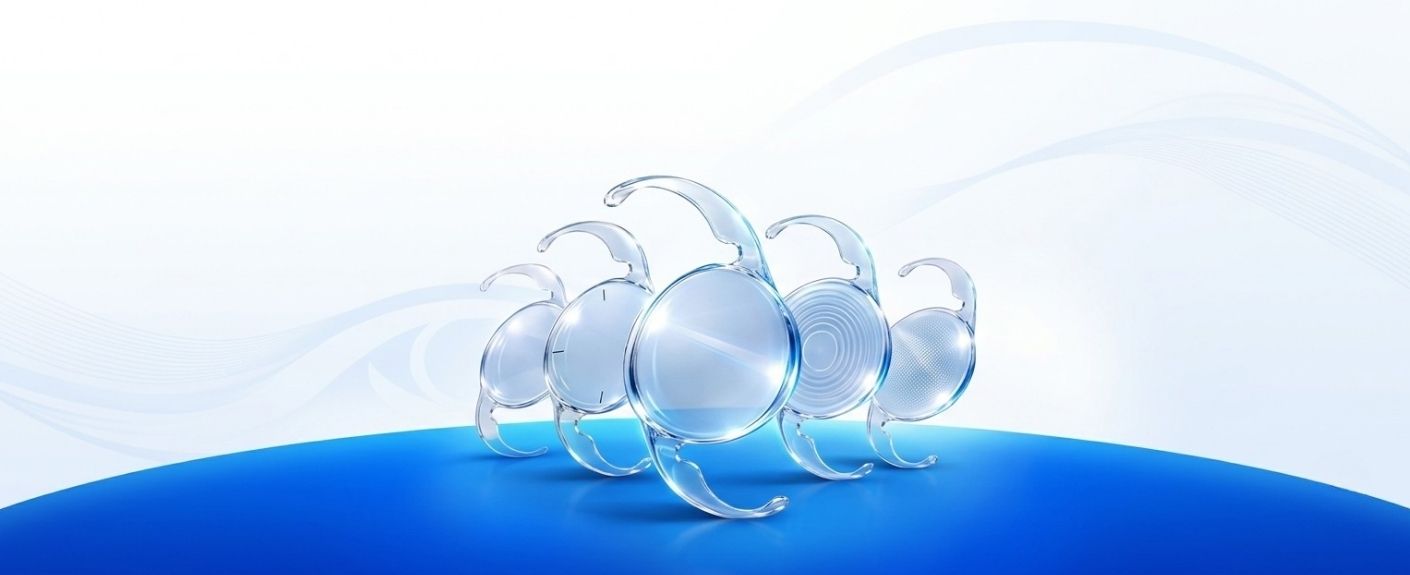
3. Intraocular Lenses (IOLs):
Once the cataract is removed, the surgeon inserts an artificial lens referred to as intraocular lens (IOL) within the eye. These are vision correcting lenses which are available in different forms, such as those that enable one to see at a single distance (monofocal), those ones that enable them to see near and far (multifocal) and those that individually treat astigmatism (toric).
Dr. Jay Goyal’s Expert Recommendations
Dr. Goyal, being one of the top eye specialists, believes in awareness and taking care of your eyes proactively.
1. Regular Eye Exams Are Crucial
Once you are past age 45, remember to have your eyes examining once after every 12 months-2 years, whether you wear glasses or not. Cataracts are easy to detect at an early stage, and even before symptoms appear more clearly during regular checkups.
2. Lifestyle Habits to Delay Cataracts
Healthy habits can assist in slowing down the advancement of cataracts:
- Use UV sunglasses when out in the sun.
- Stop smoking to diminish oxidative injuries.
- Manage blood sugar when being diabetic.
- Consume high antioxidant foods such as vitamin C and E, which are abundant in fruits and vegetables, and nuts.
- Reduce alcohol intake since alcohol may enhance oxidative stress in the eyes.
Conclusion
Cataracts are an aspect of aging, and this does not imply that you must accept deteriorating vision. Knowing the initial symptoms, such as blurred vision, glare, and colour fading, you may learn to address the symptoms promptly. Sight loss because of cataract is largely avoidable with contemporary diagnostic equipment and surgical procedures.Don't wait, especially after you are past 45. Get an eye check and start the journey of protecting what you see in the future.
Early detection helps plan timely cataract surgery in Mumbai.
FAQs
Can early cataracts be present without any noticeable symptoms?
Yes. Early cataracts may cause very subtle changes or no noticeable symptoms at all. They may sometimes be identified during a routine eye examination before they begin significantly affecting everyday vision.
Can frequent changes in my glasses prescription be a sign of cataracts?
Yes, cataracts can sometimes cause changes in refractive power, leading to more frequent changes in spectacle prescription. If your prescription is changing repeatedly after 45, an eye examination can help determine the underlying reason.
Can cataracts develop in only one eye?
Yes. Cataracts can develop in one or both eyes, and they do not necessarily progress at the same rate. One eye may therefore experience more noticeable vision changes than the other.
How quickly can a cataract progress after it begins?
There is no fixed rate of progression. Some cataracts remain mild for years, while others progress more quickly. The rate can depend on the type of cataract, overall eye health and individual health factors.
Can changing my glasses help if I have an early cataract?
A new spectacle prescription may temporarily improve vision in some people with early cataracts. However, as the lens becomes progressively cloudier, changing glasses may no longer provide adequate improvement.
Do I need cataract surgery as soon as a cataract is detected?
No. Detecting a cataract does not automatically mean you need immediate surgery. If your vision remains adequate for your daily activities, your ophthalmologist may recommend monitoring it through regular eye examinations.
Can cataracts return after cataract surgery?
The cataract itself cannot return because the cloudy natural lens is removed during surgery. However, the capsule behind the artificial lens can sometimes become cloudy later, causing blurred vision that may require additional treatment.
Can I have cataract surgery in only one eye?
Yes. If only one eye has a cataract that significantly affects vision, surgery may be performed on that eye. When both eyes require treatment, they are generally operated on separately as advised by the ophthalmologist.
Can cataracts cause permanent blindness if left untreated?
Advanced cataracts can cause severe vision impairment if they are not treated. However, vision loss caused solely by cataract can often be improved with surgery, provided there are no other significant eye conditions affecting vision.
Should I see an eye doctor if my vision changes after 45 even if the problem is mild?
Yes. New or persistent vision changes should be evaluated rather than assumed to be a normal part of ageing. An eye examination can determine whether the change is due to cataracts or another eye condition.
Get expert guidance on lens choices, surgery planning and the approach suited to your vision needs.