


After the age of 40, many people find themselves holding books, newspapers, or mobile phones farther away to read comfortably. Small print begins to look blurry, reading in dim light becomes more difficult, and prolonged close work may lead to eye strain or headaches. These changes are usually caused by presbyopia, a natural age-related loss of the eye's ability to focus on nearby objects.
Whether you need prescription reading glasses or wish to explore advanced vision correction procedures, consulting a skilled vision correction specialist in Mumbai at Surya Eye Hospital can help you make an informed decision.
This article discusses the 10 common signs that you may need reading glasses after 40, explains why these changes occur, and outlines the treatment options available to restore comfortable near vision.
Why Do People Need Reading Glasses After 40?
Most people need reading glasses after 40 because the eye's natural lens gradually loses flexibility. As a result, focusing on nearby objects becomes more difficult, even if distance vision remains clear.
Inside the eye, the crystalline lens changes shape to focus on objects at different distances. With age, the lens becomes stiffer and the surrounding muscles become less effective at changing its shape. This gradual decline leads to presbyopia, a normal part of aging rather than a disease.
Several factors may influence when symptoms appear, including:
- Family history
- Existing refractive errors such as farsightedness
- Occupations involving prolonged near work
- Certain medical conditions, including diabetes
According to evidence published in peer-reviewed ophthalmology research, presbyopia affects nearly everyone as they age, with symptoms commonly beginning between 40 and 45 years.
10 Signs You May Need Reading Glasses After 40
The symptoms of presbyopia usually develop gradually. Many people adjust their habits without realizing their vision has changed. If you notice one or more of the following signs, it is time to schedule a comprehensive eye examination.
| Sign | What You May Notice |
| Blurred near vision | Difficulty reading books, labels, or phone screens |
| Holding reading material farther away | Extending your arms to improve focus |
| Eye strain | Discomfort after reading or computer work |
| Frequent headaches | Headaches after prolonged close-up tasks |
| Difficulty reading in dim light | Need for brighter lighting |
| Trouble switching focus | Slow adjustment between near and distant objects |
| Small print becomes challenging | Menus and medicine labels become difficult to read |
| Increased screen fatigue | Eyes feel tired after digital device use |
| Reduced productivity | Near tasks take longer than before |
| Frequent squinting | Squinting helps improve temporary focus |
1. Blurred Vision While Reading
If words appear blurry at normal reading distance, your eyes may be struggling to focus on nearby objects. This is one of the earliest signs of presbyopia.
Many people first notice this while reading books, newspapers, food labels, or smartphone messages. Distance vision usually remains unaffected during the early stages.
The blur may improve briefly if you increase the distance between your eyes and the reading material.
2. Holding Books or Phones Farther Away
Extending reading material farther from your face is a classic sign of age-related near vision changes. Increasing the distance helps your eyes achieve better focus temporarily.
Many people unconsciously stretch their arms while reading messages or restaurant menus. Eventually, even maximum arm length no longer provides clear vision.
3. Eye Strain After Reading
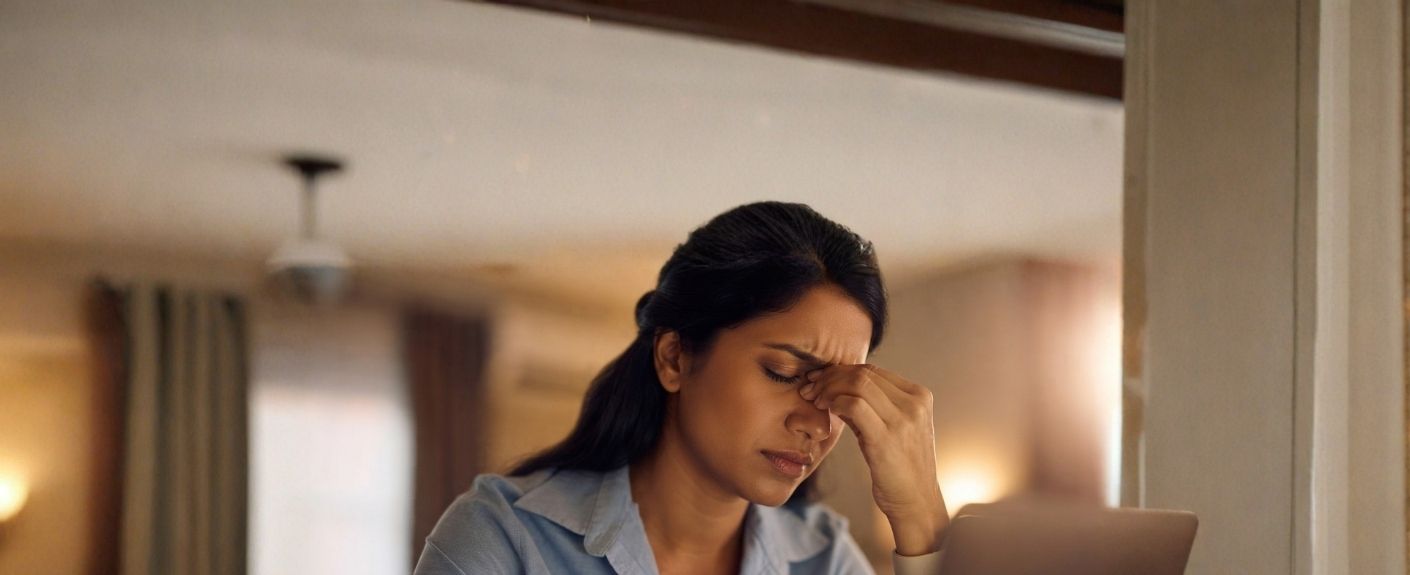
Persistent eye strain after close work may indicate that your eyes are working harder to maintain focus. The extra effort can leave your eyes feeling tired or uncomfortable.
Symptoms may include:
- Aching around the eyes
- Feeling of heaviness
- Burning sensation
- Difficulty concentrating during prolonged reading
Taking frequent breaks may reduce discomfort, but it does not correct the underlying focusing problem.
4. Frequent Headaches During Close Work
Headaches that develop after reading or computer use can result from continuous focusing effort. These headaches commonly affect the forehead or the area around the eyes.
People may notice headaches after:
- Reading for long periods
- Sewing or knitting
- Working on laptops
- Reviewing paperwork
- Using smartphones
An eye examination can determine whether presbyopia or another vision problem is contributing to these headaches.
5. Needing Brighter Light to Read
Requiring brighter lighting for reading is another common sign of presbyopia. Better illumination increases contrast and helps compensate for reduced focusing ability.
You may notice this when:
- Reading restaurant menus
- Reading medication labels
- Using your phone at night
- Reading newspapers indoors
Although brighter light improves visibility, it cannot restore the eye's natural focusing ability.
6. Difficulty Reading Small Print
Small text becomes harder to read because presbyopia reduces the eye's ability to focus on fine details at close distances. This difficulty may gradually affect daily activities.
Examples include:
- Prescription bottles
- Product labels
- Bank statements
- Mobile applications
- Instruction manuals
If you frequently enlarge text on digital devices, it may be time for an eye examination.
7. Trouble Switching Between Near and Far Vision
The eyes may take longer to adjust when shifting focus between distant and nearby objects. This delay becomes more noticeable as presbyopia progresses.
For example, you may look away from your computer screen to speak with someone across the room and experience temporary blur before your distance vision clears.
This change may become more noticeable while driving, working, or reading.
8. Increased Eye Fatigue After Using Digital Screens
Feeling tired after using a computer, tablet, or smartphone may indicate that your near vision needs correction. Presbyopia forces the eyes to work harder during prolonged screen use, leading to visual fatigue.
Common symptoms include:
- Tired or heavy eyes
- Difficulty maintaining focus
- Blurred text after extended screen time
- Need for frequent breaks
- Mild burning or watering of the eyes
Although digital eye strain and presbyopia are different conditions, they can occur together and make screen-related discomfort worse. Following the 20-20-20 rule and maintaining an appropriate screen distance may help reduce symptoms, but these measures do not replace proper vision correction.
9. Reduced Comfort During Hobbies That Require Close Vision
Activities that once felt effortless may become frustrating because near objects no longer appear sharp. Many people first notice presbyopia while enjoying hobbies rather than during routine work.
You may experience difficulty with:
- Sewing or embroidery
- Craft work
- Painting
- Model building
- Reading music sheets
- Crossword puzzles
If these activities require more effort than before, your eyes may need additional focusing support.
10. You Frequently Squint to See Clearly
Squinting temporarily improves focus by reducing the amount of light entering the eye. While this may sharpen vision for a moment, it is not a long-term solution.
Frequent squinting may indicate that your eyes are compensating for reduced near focusing ability. If you find yourself doing this regularly while reading, schedule a comprehensive eye examination instead of relying on temporary adjustments.
When Should You Visit an Eye Specialist?
You should schedule an eye examination as soon as you notice persistent difficulty reading, eye strain, or headaches during near work. Early evaluation confirms whether presbyopia is responsible and helps rule out other eye conditions.
Seek professional care if you experience:
- Sudden changes in vision
- Double vision
- Eye pain
- Flashes of light or floaters
- Persistent headaches despite wearing reading glasses
- Difficulty performing daily tasks because of blurred near vision
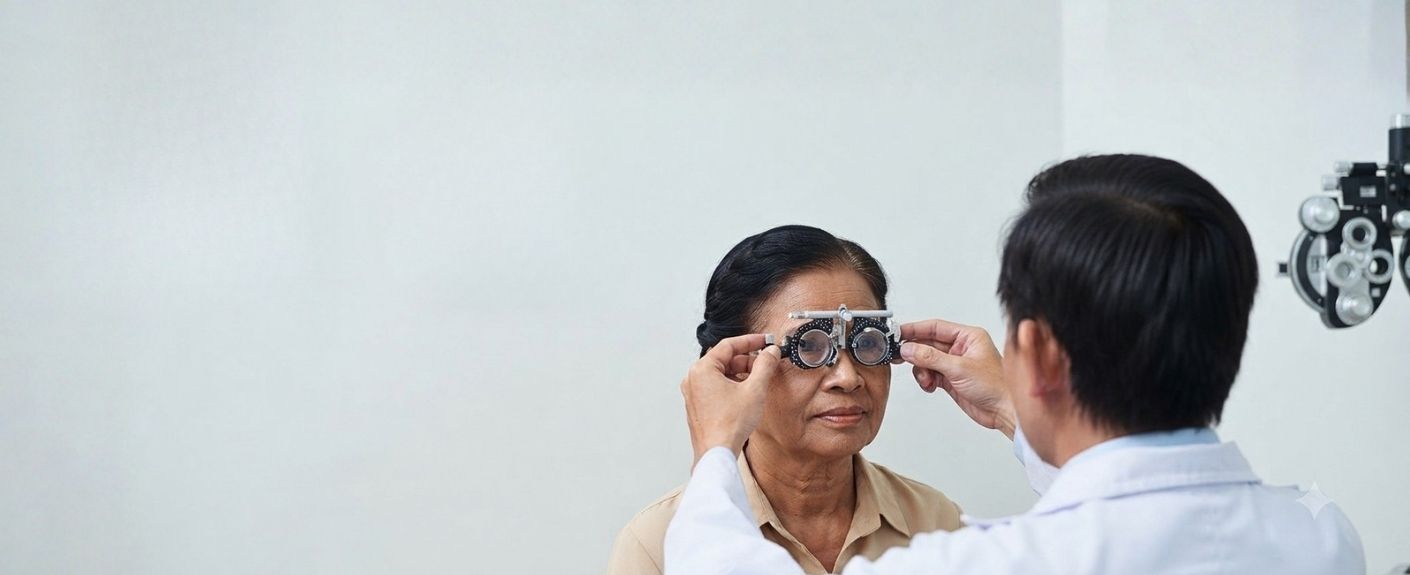
A comprehensive eye examination may include:
- Visual acuity testing
- Refraction assessment
- Near vision evaluation
- Eye pressure measurement
- Dilated retinal examination when required
Regular eye examinations also help detect glaucoma, cataracts, diabetic eye disease, and macular degeneration before symptoms become severe.
What Are the Treatment Options for Presbyopia?
Treatment depends on your vision needs, lifestyle, and overall eye health. Reading glasses remain the simplest solution, but several other options are available for suitable candidates.
| Treatment Option | Best For | Advantages |
| Reading glasses | Occasional near work | Affordable, easy to use |
| Bifocal or progressive glasses | Multiple vision needs | Correct near and distance vision together |
| Multifocal contact lenses | Active lifestyle | Freedom from spectacles |
| Monovision contact lenses | Selected patients | One eye for distance, one for near vision |
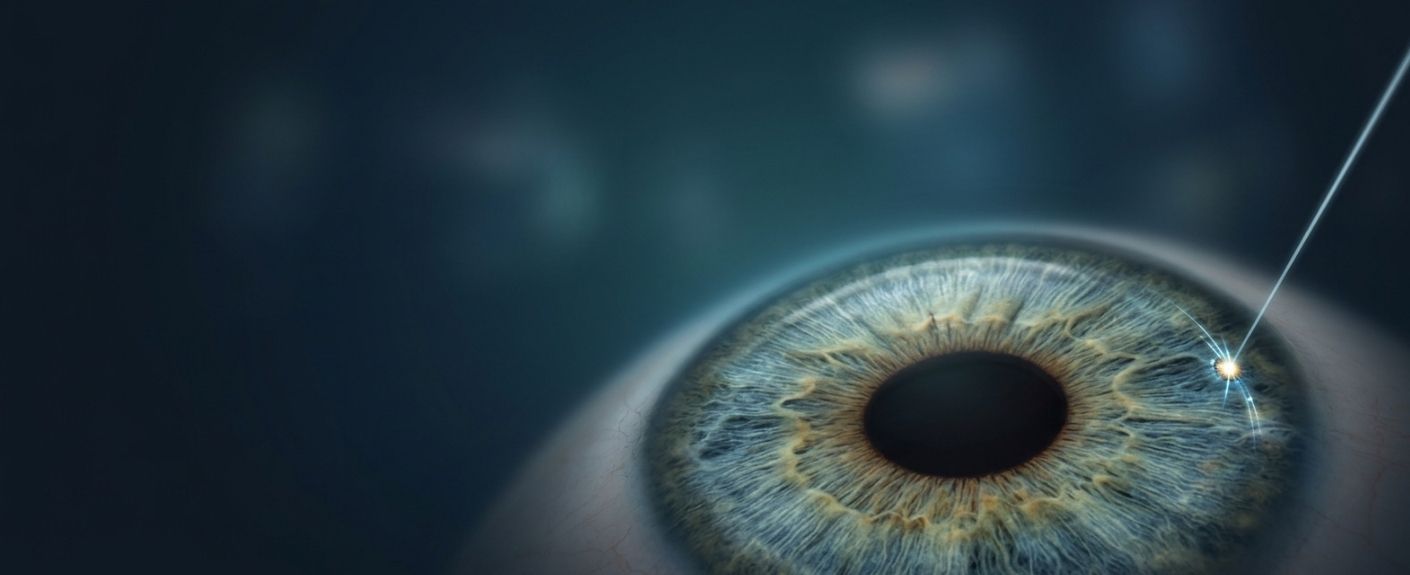
| Corneal inlays or laser procedures | Selected candidates | Reduced dependence on glasses |
| Lens replacement surgery | Patients with cataracts or significant refractive errors | Long-term vision correction |
If you want to reduce your dependence on reading glasses, reading glasses alternative treatment options such as advanced refractive procedures may be worth considering. However, these treatments are not suitable for everyone, and an eye specialist can determine the best approach based on your individual needs.
Can Presbyopia Be Prevented?
Presbyopia cannot be prevented because it is a natural age-related change in the eye's lens. However, healthy habits can support overall eye health and reduce unnecessary visual discomfort.
Consider these measures:
- Schedule routine comprehensive eye examinations.
- Use adequate lighting while reading.
- Take regular breaks during screen use.
- Maintain a balanced diet rich in leafy vegetables and omega-3 fatty acids.
- Control diabetes and high blood pressure.
- Wear sunglasses with UV protection outdoors.
- Avoid smoking.
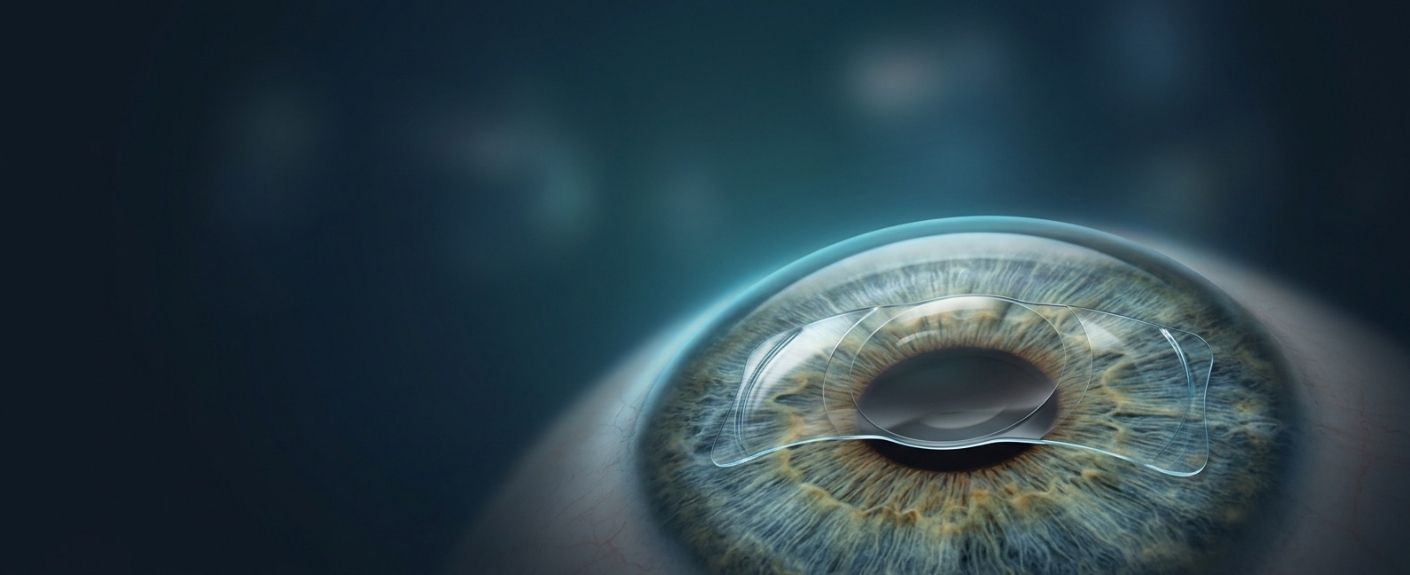
If presbyopia is affecting your daily activities despite using reading glasses, your ophthalmologist may discuss advanced vision correction options. For suitable candidates with presbyopia, PRELEX surgery in Mumbai at Surya Eye Hospital may help reduce dependence on reading glasses by replacing the eye's natural lens with an advanced intraocular lens.
Conclusion
Needing reading glasses after 40 is a normal part of aging and affects nearly everyone over time. Blurred near vision, eye strain, headaches, and difficulty reading small print are early signs that your eyes may need additional focusing support.
The good news is that effective solutions are available, ranging from simple reading glasses to advanced surgical procedures for eligible individuals. If you have noticed these symptoms, do not ignore them. A timely eye examination can improve your visual comfort, protect your eye health, and help you choose the most appropriate treatment for your needs.
Frequently Asked Questions
At what age do most people need reading glasses?
Most people begin needing reading glasses between 40 and 45 years of age. The exact timing varies depending on individual eye characteristics and existing refractive errors. Symptoms usually progress gradually over several years as the eye's natural lens becomes less flexible.
Can I buy reading glasses without an eye examination?
Over-the-counter reading glasses may work for mild presbyopia, but they do not replace a comprehensive eye examination. An eye specialist can identify the correct prescription and detect conditions such as glaucoma, cataracts, or retinal disease that may otherwise go unnoticed.
Is presbyopia the same as farsightedness?
No. Presbyopia and farsightedness are different conditions. Presbyopia develops because the eye's natural lens loses flexibility with age, while farsightedness is a refractive error related to the shape of the eye. A person may experience both conditions simultaneously.
Can screen use cause presbyopia?
No. Screen use does not cause presbyopia. The condition develops naturally with aging. However, prolonged digital device use can worsen eye fatigue and make existing presbyopia symptoms more noticeable, especially during extended periods of close work.
Are surgical treatments permanent?
Many surgical procedures provide long-lasting vision correction, but natural aging changes continue throughout life. The most appropriate procedure depends on your eye health, prescription, and lifestyle. Your ophthalmologist can explain expected outcomes, benefits, and possible limitations before treatment.
How often should adults over 40 have their eyes examined?
Adults over 40 should undergo regular comprehensive eye examinations even if they do not notice vision problems. The frequency depends on age, existing eye conditions, and general health. Routine examinations help detect presbyopia and other eye diseases at an early stage.
Get clear, personalized guidance on your symptoms, diagnosis or recommended treatment.