


Cataract surgery has advanced far beyond simply removing a cloudy lens. Today, premium intraocular lenses (IOLs) can also reduce dependence on glasses by correcting vision at multiple distances and, in some cases, astigmatism. Choosing the right lens depends on your lifestyle, visual needs, eye health, and budget.
If you are considering premium IOL cataract surgery in Mumbai, experienced ophthalmologists at Surya Eye Hospital can help you understand the available lens options and recommend the most suitable choice based on a detailed eye examination.
Understanding the different types of premium IOLs, their benefits, limitations, and costs can help you make an informed treatment decision.
What are Premium Intraocular Lenses (IOLs)?
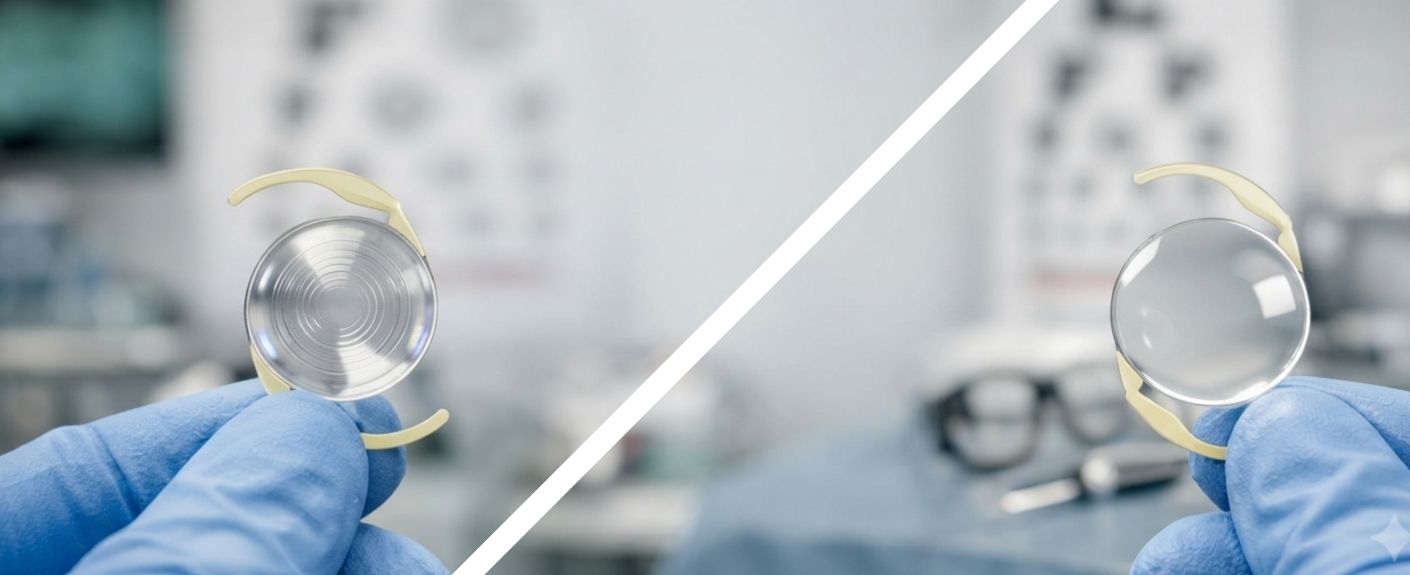
Premium intraocular lenses are advanced artificial lenses implanted during cataract surgery to replace the eye's cloudy natural lens. Unlike standard monofocal lenses, they can provide clear vision at multiple distances or correct additional refractive errors.
After removing the cataract, the surgeon places an IOL inside the lens capsule. Premium IOLs are designed to improve overall visual quality and reduce the need for prescription glasses after surgery.
Compared with conventional monofocal lenses, premium IOLs may help patients:
- See clearly at near, intermediate, and distance ranges
- Correct astigmatism in suitable candidates
- Improve visual independence for daily activities
- Reduce dependence on bifocal or progressive spectacles
The right lens choice depends on several factors, including corneal health, retinal condition, pupil size, occupation, and visual expectations.
Types of Premium Intraocular Lenses
Several types of premium IOLs are available. Each lens serves different visual needs and offers unique advantages.
1. Multifocal IOLs
Multifocal IOLs provide vision at both near and distance, with some models also improving intermediate vision. They reduce the need for glasses in many daily activities.
These lenses divide incoming light into multiple focal points, allowing patients to perform activities such as:
- Reading books
- Using smartphones
- Watching television
- Driving during the day
Some people may notice halos or glare around lights at night during the initial adaptation period.
2. Trifocal IOLs
Trifocal IOLs provide clear vision at near, intermediate, and far distances. They are designed to offer a broader range of functional vision than traditional multifocal lenses.
These lenses benefit people who frequently switch between different viewing distances, including:
- Computer users
- Professionals
- Teachers
- People with active lifestyles
Many patients achieve greater freedom from glasses for everyday tasks after successful implantation.
3. Extended Depth of Focus (EDOF) IOLs
EDOF lenses create a continuous range of focus instead of multiple distinct focal points. They offer excellent distance and intermediate vision with fewer visual disturbances in selected patients.
Patients may experience:
- Better computer vision
- Good driving vision
- Reduced glare compared with some multifocal lenses
- Less dependence on glasses for intermediate tasks
Reading glasses may still be needed for very small print.
4. Toric Premium IOLs
Toric IOLs correct cataracts and pre-existing corneal astigmatism during the same surgery. They provide sharper distance vision without requiring additional astigmatism correction.
These lenses are recommended for patients with significant regular corneal astigmatism. Proper alignment during surgery is essential for achieving optimal visual outcomes.
Comparison of Premium IOL Types
| IOL Type | Distance Vision | Intermediate Vision | Near Vision | Astigmatism Correction |
| Multifocal | Excellent | Good | Excellent | Selected models |
| Trifocal | Excellent | Excellent | Excellent | Selected models |
| EDOF | Excellent | Excellent | Good | Available in toric versions |
| Toric | Excellent | Depends on lens design | Depends on lens design | Yes |
Who is a Good Candidate for Premium IOLs?
Premium IOLs are suitable for many cataract patients who want greater freedom from glasses. However, not everyone is an ideal candidate.
Your ophthalmologist evaluates several factors before recommending a premium lens, including:
- Overall eye health
- Severity of cataract
- Corneal shape
- Presence of astigmatism
- Retinal diseases such as macular degeneration
- Glaucoma or diabetic eye disease
- Daily visual requirements
Patients with healthy eyes and realistic expectations usually experience the best outcomes. A detailed consultation with a cataract specialist in Mumbai at Surya Eye Hospital helps determine whether a premium lens is appropriate for your specific condition.
Benefits of Premium Intraocular Lenses
Premium IOLs offer several advantages beyond cataract removal. They improve functional vision while reducing the need for corrective eyewear in many patients.
Some important benefits include:
- Greater independence from glasses
- Improved vision across multiple distances
- Better quality of life
- Simultaneous correction of cataract and astigmatism with toric lenses
- Enhanced performance during everyday activities
- Long-lasting visual correction after implantation
Many patients can comfortably perform activities such as driving, reading menus, shopping, using digital devices, and participating in hobbies without frequently changing spectacles.
Modern premium lenses are manufactured using advanced optical designs that improve image quality while maintaining long-term stability inside the eye.
What Happens During Premium IOL Cataract Surgery?
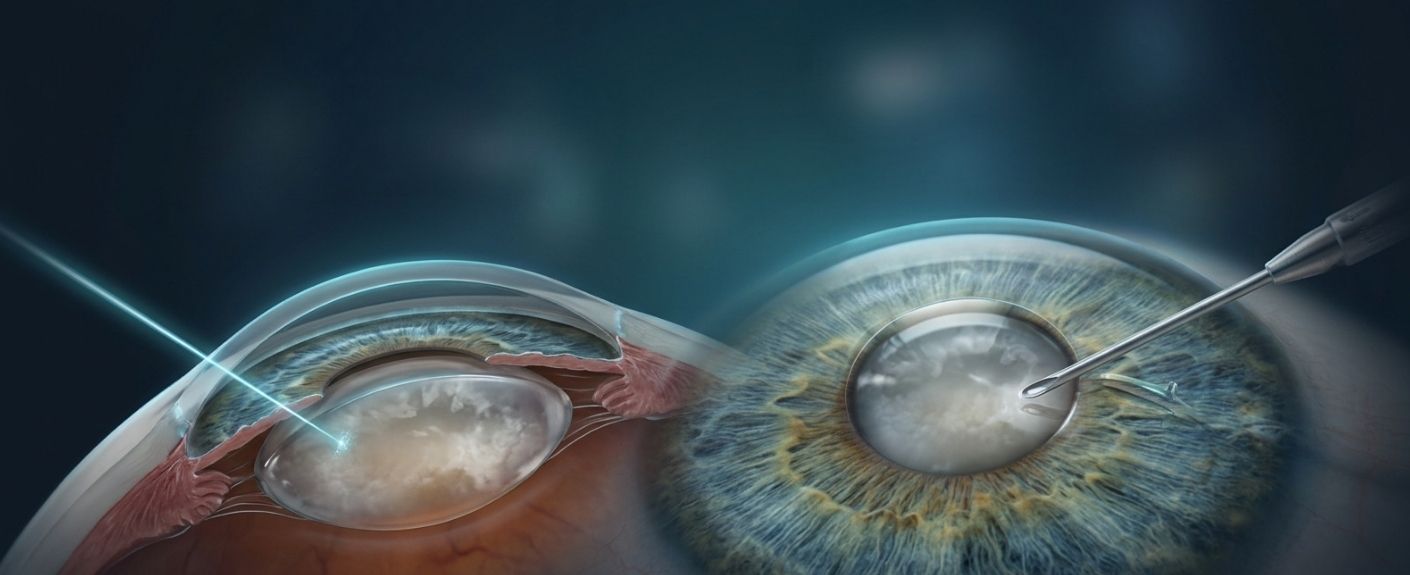
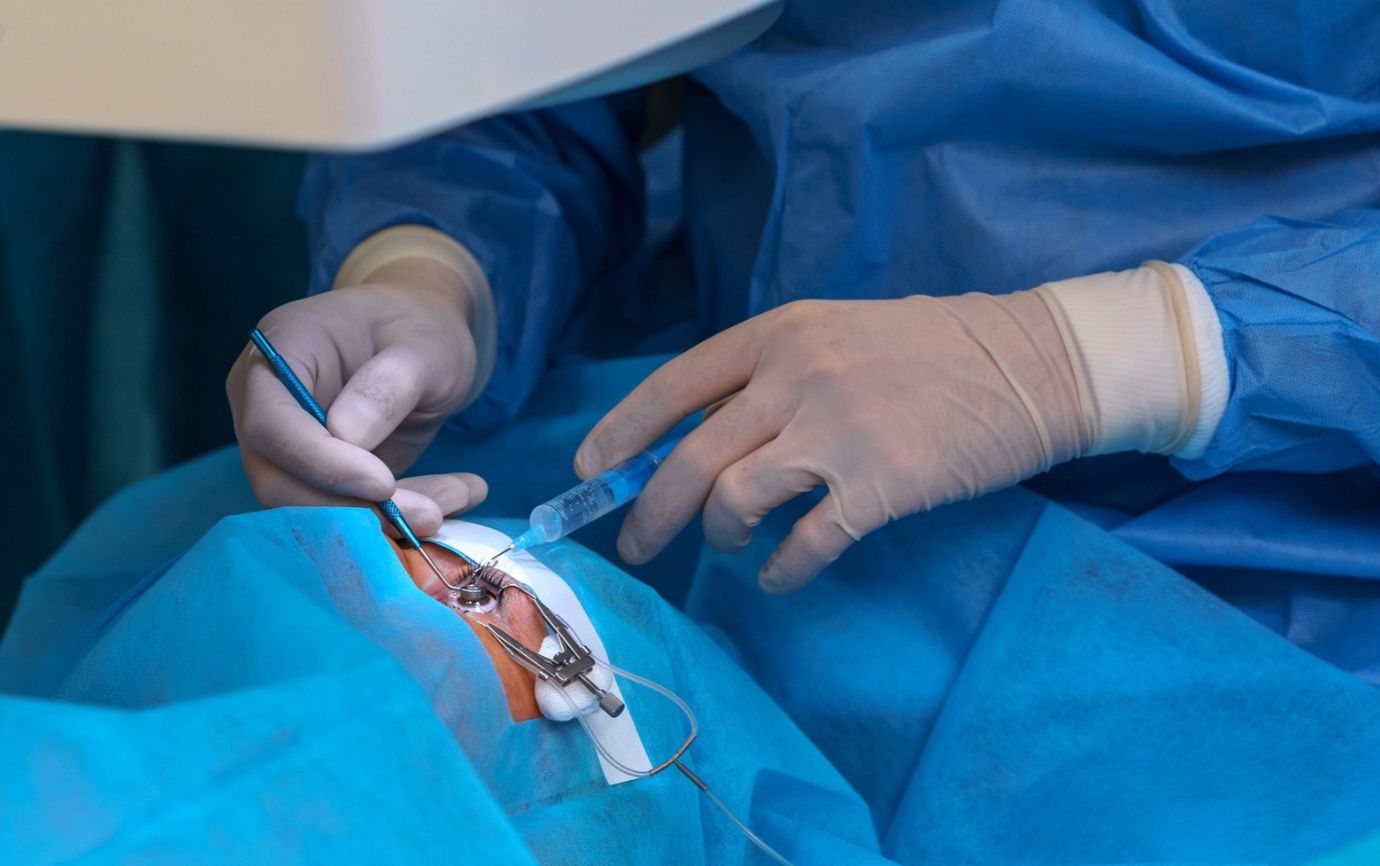
Premium IOL implantation follows the same basic surgical steps as standard cataract surgery. The main difference is the advanced artificial lens placed inside the eye.
The procedure generally includes:
- Local anaesthesia using eye drops or injections.
- A small corneal incision.
- Removal of the cloudy natural lens using phacoemulsification or laser-assisted techniques.
- Placement of the selected premium IOL.
- Self-sealing incision without stitches in most cases.
The surgery usually takes 15 to 30 minutes per eye and is performed as a day-care procedure. Most patients return home within a few hours.
Many patients also choose laser cataract surgery in Mumbai at Surya Eye Hospital, where advanced imaging and laser technology may improve precision during selected stages of cataract surgery.
Are There Any Limitations or Side Effects of Premium IOLs?
Premium IOLs provide excellent visual outcomes for many patients, but they are not suitable for everyone. Some people may experience temporary visual disturbances or still require glasses for specific tasks.
Possible limitations include:
- Halos around lights, especially at night
- Glare during nighttime driving
- Reduced contrast sensitivity in some multifocal lens users
- Need for reading glasses in certain situations, depending on the lens type
- Higher cost compared with standard monofocal lenses
Most patients adapt to these visual effects over several weeks or months as the brain adjusts to the new optical system. Careful patient selection significantly improves satisfaction after surgery.
How Much Do Premium IOLs Cost?
Premium IOLs cost more than standard monofocal lenses because they use advanced optical technology and require detailed preoperative planning. The total treatment cost varies depending on the type of lens, surgical technique, hospital facilities, and surgeon's experience.
Factors that Influence premium IOL costs include:
| Factor | Impact on Cost |
| Type of premium IOL | Multifocal, trifocal, toric, and EDOF lenses have different prices |
| Brand of IOL | International premium brands generally cost more |
| Surgical technology | Laser-assisted surgery may increase the overall cost |
| Diagnostic investigations | Advanced eye measurements add to treatment planning |
| Hospital infrastructure | Costs vary between hospitals and cities |
| Surgeon's expertise | Highly experienced cataract surgeons may charge higher professional fees |
While premium IOLs require a higher initial investment, many patients value the reduced dependence on spectacles and improved convenience in daily life.
Recovery After Premium IOL Cataract Surgery
Recovery after premium IOL implantation is generally quick. Most patients notice improved vision within a few days, although complete visual stabilization may take several weeks.
During recovery:
- Use prescribed eye drops as instructed.
- Avoid rubbing the operated eye.
- Protect the eye from dust and contaminated water.
- Avoid heavy lifting for the first few weeks.
- Attend all scheduled follow-up visits.
Vision continues to improve as healing progresses and the brain adapts to the new lens, especially after multifocal or trifocal IOL implantation.
How to Choose the Right Premium IOL
The best premium IOL depends on your eye health, lifestyle, occupation, and visual expectations. There is no single lens that is ideal for every patient.
During your consultation, your ophthalmologist will assess:
- Corneal measurements
- Eye power calculations (biometry)
- Presence of astigmatism
- Retina and optic nerve health
- Dry eye disease
- Daily visual activities
- Personal expectations regarding spectacle independence
For example:
- Frequent readers may benefit from trifocal lenses.
- Office professionals may prefer EDOF lenses for computer work.
- Patients with significant astigmatism usually benefit from toric IOLs.
- Those with retinal disorders may achieve better results with monofocal lenses instead of premium options.
Discussing your routine activities and expectations helps your surgeon recommend the most appropriate lens.
When Should You Consider Premium IOLs?
Premium IOLs may be worth considering if you want better visual independence after cataract surgery. They are particularly beneficial for people who wish to reduce their reliance on glasses for daily activities.
You may be a suitable candidate if you:
- Have cataracts affecting daily life
- Want clear vision at multiple distances
- Have healthy retinas and optic nerves
- Have realistic expectations regarding visual outcomes
- Understand the advantages and possible limitations of premium lenses
A comprehensive eye examination remains the best way to determine whether a premium IOL is the right choice for you.
Conclusion
Premium intraocular lenses have expanded the possibilities of cataract surgery by improving vision beyond simple cataract removal. Depending on the lens selected, they can provide excellent distance, intermediate, and near vision while reducing dependence on spectacles. However, choosing the right lens requires careful evaluation of your eye health, lifestyle, and visual expectations.
Consulting an experienced cataract surgeon ensures that the selected IOL matches your individual needs and long-term vision goals. At Surya Eye Hospital, patients receive personalized recommendations based on comprehensive eye assessments, helping them make informed decisions about premium cataract surgery.
Frequently Asked Questions
Are premium IOLs better than standard monofocal lenses?
Premium IOLs offer a wider range of vision than standard monofocal lenses and may reduce dependence on glasses. However, they are not automatically better for every patient. The ideal choice depends on your eye health, lifestyle, visual expectations, and your ophthalmologist's clinical assessment.
Can premium IOLs completely eliminate the need for glasses?
Many patients require glasses much less frequently after premium IOL implantation. However, complete freedom from spectacles cannot be guaranteed. Some people may still need reading glasses for fine print or glasses for specific activities, depending on the lens type and individual healing.
How long do premium intraocular lenses last?
Premium IOLs are designed to remain inside the eye permanently. They do not wear out or require routine replacement. Once implanted successfully, the lens usually lasts for life unless another uncommon eye condition requires additional surgical intervention.
Is premium IOL cataract surgery painful?
No. Cataract surgery with premium IOL implantation is generally painless because local anaesthesia numbs the eye before the procedure. Most patients experience only mild pressure or discomfort during surgery and recover quickly with prescribed eye drops and follow-up care.
Can patients with diabetes receive premium IOLs?
Some diabetic patients can receive premium IOLs if their retinal health remains good. However, advanced diabetic retinopathy or macular disease may affect visual outcomes. A detailed retinal examination helps determine whether a premium lens is the most appropriate option.
Are premium IOLs covered by health insurance?
Insurance coverage varies depending on the policy and provider. Many insurance plans cover standard cataract surgery but may not fully cover the additional cost of premium IOLs. Patients should confirm their benefits with both their insurer and the treating hospital before surgery.
Get expert guidance on lens choices, surgery planning and the approach suited to your vision needs.