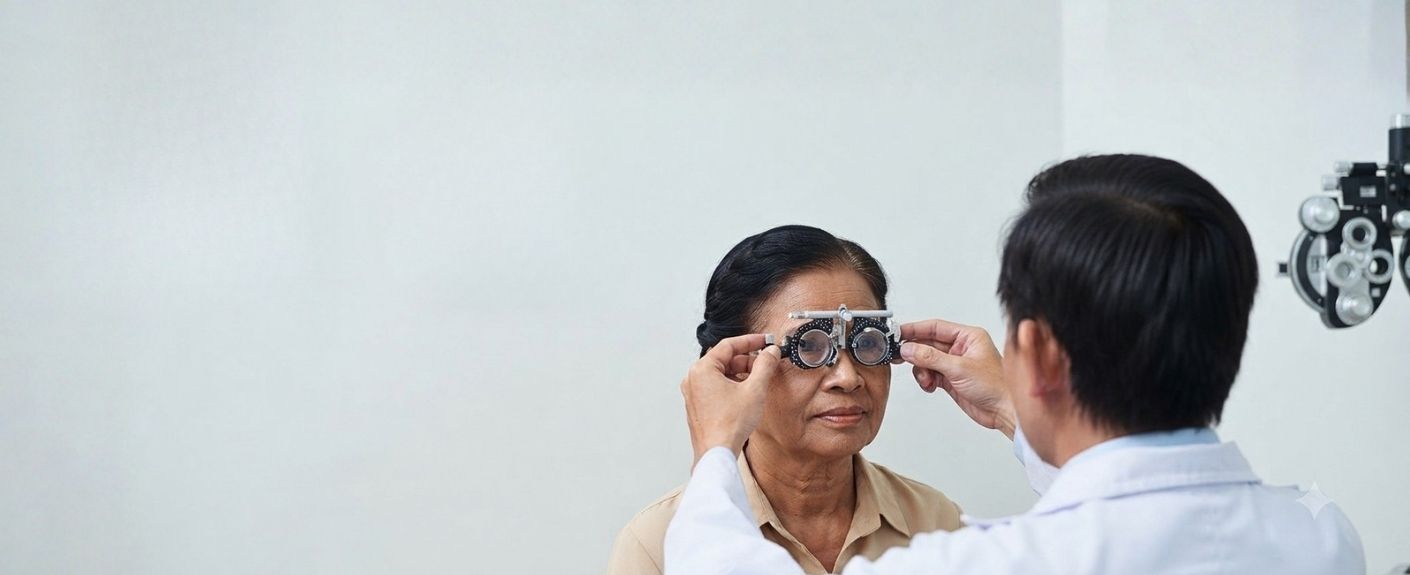



Eyes are very delicate and laborious organs of the human body. The eyes work continuously to process information, as we have to adapt to light, enabling us to communicate with the world, whether we are waking up or sleeping. In the digital era, eye health is experiencing additional stress due to long screen time, pollution, stress, and unhealthy lifestyle choices.
Although it is important to check your eyes regularly and adopt appropriate screen habits, nutrition is the cornerstone of having healthy vision. Food consumption has a direct impact on eye performance, the prevention of diseases, and the function of repairing damaged tissues. Examples of some of the common eye issues that can be prevented by a nutrient-rich diet include eye strain, dryness, cataracts, and vision loss caused by old age.
This article discusses the benefits of good nutrition in keeping your eyes healthy, the key nutrients to know of, and the practical eating habits to ensure that your eyes remain healthy and strong all your life.
Why Eye Nutrition Matters More Than You Think
There is a close relationship between eye health and nutrition. Vitamins, minerals, and other antioxidants have to be continually supplied to the eyes to help keep the eyes working and to prevent the damage caused by aging.
Poor nutrition can lead to:
- Early eye fatigue and strain
- Dry, irritated, or red eyes
- Diffused or unsteady vision
- Higher chances of cataracts and macular degeneration
Modern lifestyle places more nutritional pressure on the eyes because of:
- Excessive screen exposure
- Artificial lighting
- Environmental pollution
- Irregular eating patterns
Good nutrition supports:
- Normal optic nerve and retina.
- Oxidative damage protection.
- Increased attention and visual acuity.
- Delayed vision impairment with aging.
Food not only helps, but it is also preventive eye care.
Watch this:
Essential Nutrients Required for Healthy Eyes
There is a set of nutrients that structures, protects, and sustains the use of the eyes. The nutrients supply every aspect of the visual system.
The most important eye-supporting nutrients are:
- Vitamin A - Supports night vision and cornea.
- Vitamin C - Safeguards eye capillaries.
- Vitamin E - Stops cell damage.
- Zinc- Aids in the transportation of vitamin A to the retina.
- Omega-3 fatty acids - Helps the tear film and the retina.
- Lutein and Zeaxanthin - Filters the harmful blue light.
The lack of these nutrients can lead to:
- Poor night vision
- Increased eye infections
- Dry eye syndrome
- Accelerated eye aging
These nutrients are readily provided through a well-balanced diet.
Role of Vitamins in Maintaining Vision Health
Vitamins are vital in visual performance and eye protection. The vitamins play specific roles in eye health.
Vitamin A
- Important for day and night vision.
- Keeps the eyes hydrated.
- Prevents corneal damage
- Sources: carrots, sweet potatoes, pumpkin, spinach.
Vitamin C
- Powerful eye tissue antioxidant.
- Reduces cataract risk
- Promotes blood vessels in the eyes.
- Sources: oranges, amla, kiwi, bell peppers.
Vitamin E
- Protects eye cells from radical damage.
- Retards eye degeneration with age.
- Sources: almonds, sunflower seeds, peanuts.
When there is enough vitamin, there will be healthy, comfortable, and strong eyes.
For personalized eye care advice, book an appointment with an eye specialist in Mumbai to assess your nutritional eye health needs.
Importance of Antioxidants for Eye Protection
Oxidative stress on the eyes as a result of light, pollution, and aging is extremely sensitive. The protective functions of antioxidants are neutralizing the harmful radicals.
The most significant eye antioxidants are:
- Lutein
- Zeaxanthin
- Beta-carotene
Benefits of antioxidants:
- Defend retina against light damage.
- Lessen the risk of macular degeneration.
- Improve visual contrast
- Shield eyes from blue light
The rich food sources comprise:
- Spinach, kale, and broccoli
- Corn and peas
- Egg yolk
Ingestion of antioxidants regularly enhances long-term eye protection.
Omega-3 Fatty Acids and Their Impact on Eye Health
Fatty acids, which are important in the body, are omega-3 fatty acids that are significant in keeping the eyes moist and the retina healthy.
Key benefits:
- Improves tear quality
- Reduces dry eye symptoms
- Supports retinal cell structure
- Lowers inflammation
Omega-3 deficiency may cause:
- Dry, itchy eyes
- Eye fatigue
- Increased irritation
Best sources:
- Salmon and sardines
- Flaxseeds and chia seeds
- Walnuts
The omega-3s are particularly beneficial to individuals who spend a lot of time in front of screens.
Best Foods to Include for Strong and Healthy Eyes
Eating whole foods gives a balance of nutrients that is impossible to replace using supplements.
Top eye-friendly foods:
- Carrots & sweet potatoes – Beta-carotene
- Leafy greens – Lutein and zeaxanthin
- Citrus fruits – Vitamin C
- Eggs – Zinc and antioxidants
- Nuts & seeds – Vitamin E
- Fish – Omega-3 fatty acids
Tips for better absorption:
- Combine healthy fats with a pair of fat-soluble vitamins.
- Eat a variety of colors daily.
- Favour fresh and less processed foods.
Variety in diet translates to better eye nutrition.
Hydration and Its Role in Eye Comfort
The hydration is necessary to maintain a healthy tear film and to avoid dryness.
Ocular impacts of dehydration:
- Dryness and irritation
- Redness and burning sensation
- Increased eye strain
Hydration benefits:
- Maintains tear balance
- Eliminates toxins from the eye tissues.
- Enhances nutrient delivery
Practical hydration tips:
- Take plenty of water during the day.
- Reduce caffeine and alcohol.
- Include fruits with high water content.
Well-hydrated eyes feel clearer and more comfortable.
Dietary Habits That Can Harm Eye Health
Certain eating habits and lifestyles have adverse effects on the eyes when adhered to.
Harmful dietary factors:
- Too much sugar poses a risk to diabetic eyes.
- Processed foods cause inflammation
- Trans fats affect blood circulation
- Salt builds up, causing puffiness and dryness.
Lifestyle habits impacting nutrition:
- Skipping meals
- Late-night junk food
- Sleep disturbances with caffeine addiction.
These actions help to reduce such habits to help protect vision and the rest of the body.
Regular nutrition is essential for good vision, but combining it with routine eye checkup in Mumbai ensures early detection and long-term eye health.
Practical Nutrition Tips for Long-Term Eye Wellness
Eye nutrition works best when practiced consistently over time.
Simple daily tips:
- Eat seasonal fruits and vegetables
- Include healthy fats in meals
- Avoid extreme dieting
- Maintain regular meal timings
- Support nutrition with eye-friendly habits
Other wellness activities:
- Take screen breaks
- Ensure adequate sleep
- Get routine eye checkups
Lifestyle care and nutrition guarantee long-term eye health.
Conclusion
Vision care does not maintain healthy eyes, but it significantly relies on daily sustenance, hydration, and conscious eating habits. The type of food that we intake has a direct impact on the quality of our eye health, healing, and guards against day-to-day tension and environmental stress.
Vital vitamins like A, C, and E are very important in keeping good vision and guarding the fragile eye tissues. Antioxidants aid in counteracting detrimental free radicals, and omega-3 fatty acids assist in tear creation and retinal well-being, and decrease inflammation and swelling.
Eye comfort also depends on hydration. Ample water intake aids in ensuring that the tear film remains stable, lacks irritation, and the nutrients are delivered efficiently to eye tissues, keeping the eyes fresh and stress-free.
Consuming fewer sugars, processed foods, and unhealthy fats also helps protect vision by slowing down inflammation and preventing the development of conditions that could hasten the development of eye damage over time. Having a balanced diet can not only keep the eyes healthy, but it also helps to maintain good health.
Finally, it is all about consistency. Healthy nutrition is an important and long-term investment in healthy eyesight and wellness, which can be maintained with small, conscious nutritional habits on a daily basis.
FAQs
Can a healthy diet improve eyesight?
A healthy diet supports normal eye function and may help protect the eyes from nutritional deficiencies and age-related damage. However, food cannot usually correct refractive errors such as myopia, hyperopia or astigmatism.
Which foods are best for maintaining healthy eyes?
Leafy green vegetables, carrots, citrus fruits, eggs, nuts, seeds and omega-3-rich fish are good choices. A varied diet is preferable because different foods provide different vitamins, antioxidants, minerals and healthy fats.
Which vitamin is most important for eyesight?
Vitamin A is particularly important for normal vision, especially vision in low-light conditions. However, vitamins C and E, along with zinc, lutein, zeaxanthin and omega-3 fatty acids, also contribute to overall eye health.
Can vitamin deficiency cause vision problems?
Yes. Certain nutritional deficiencies can affect eye health. For example, severe vitamin A deficiency can impair night vision and damage the eye surface. Persistent vision problems should be evaluated rather than assumed to be caused by diet alone.
Are carrots really good for your eyes?
Yes. Carrots contain beta-carotene, which the body converts into vitamin A, an important nutrient for healthy vision. However, eating extra carrots will not eliminate the need for glasses or improve eyesight beyond normal visual function.
Can diet help prevent cataracts and age-related eye problems?
A balanced diet rich in fruits, vegetables, antioxidants and healthy fats may support long-term eye health. However, nutrition cannot guarantee prevention of cataracts, macular degeneration or other age-related eye diseases.
Can omega-3 fatty acids help with dry eyes?
Omega-3 fatty acids support the tear film and overall eye health. Their role in treating dry eye symptoms can vary between individuals, so persistent dryness should be assessed by an eye specialist rather than managed through diet alone.
Do I need supplements for healthy eyes if I eat a balanced diet?
Not necessarily. Many people can obtain essential eye nutrients through a varied, balanced diet. Eye supplements should generally be considered according to individual nutritional needs or specific eye conditions and preferably after professional advice.
Can drinking more water help with dry eyes?
Adequate hydration supports normal body functions, including tear production and eye comfort. However, persistent dry eyes may have several causes and may require lubricating drops or other treatment in addition to maintaining good hydration.
Can nutrition replace regular eye check-ups?
No. Good nutrition supports eye health but cannot replace comprehensive eye examinations. Regular check-ups can detect conditions such as cataracts, glaucoma, diabetic eye disease and retinal problems that may initially cause few or no noticeable symptoms.
Get clear, personalized guidance on your symptoms, diagnosis or recommended treatment.