
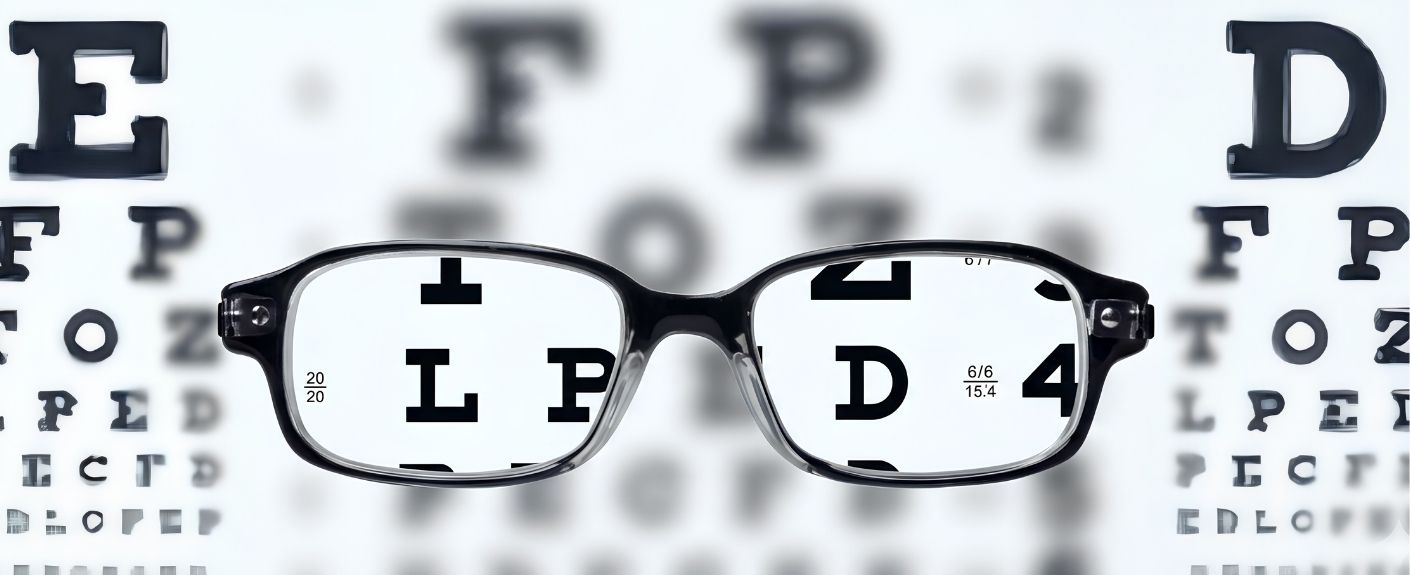

Eye issues are highly prevalent nowadays. Numerous individuals have blurred vision when reading, working with a phone, or viewing distant images. Refractive errors are the cause of most cases of these problems. Refractive errors are observed where the eye fails to focus light properly on the retina, causing blurred vision.
Short sightedness and long sightedness are among the most common refractive errors. The above two conditions impact millions of people globally, and both children and adults may have them. Although they both influence vision, they have an effect on how clearly objects can be viewed at various distances.
Short sight and long sight are different phenomena that need to be understood to diagnose and treat them appropriately. The question is frequently asked, what is near sighted and far sighted, or often they mix up the two. Knowing these forms of sight will make you become aware of the symptoms and seek prompt attention.
This article defines short sighted vs long sighted, their symptoms, cause, diagnosis, and treatment choices.
Brief Overview of Refractive Errors
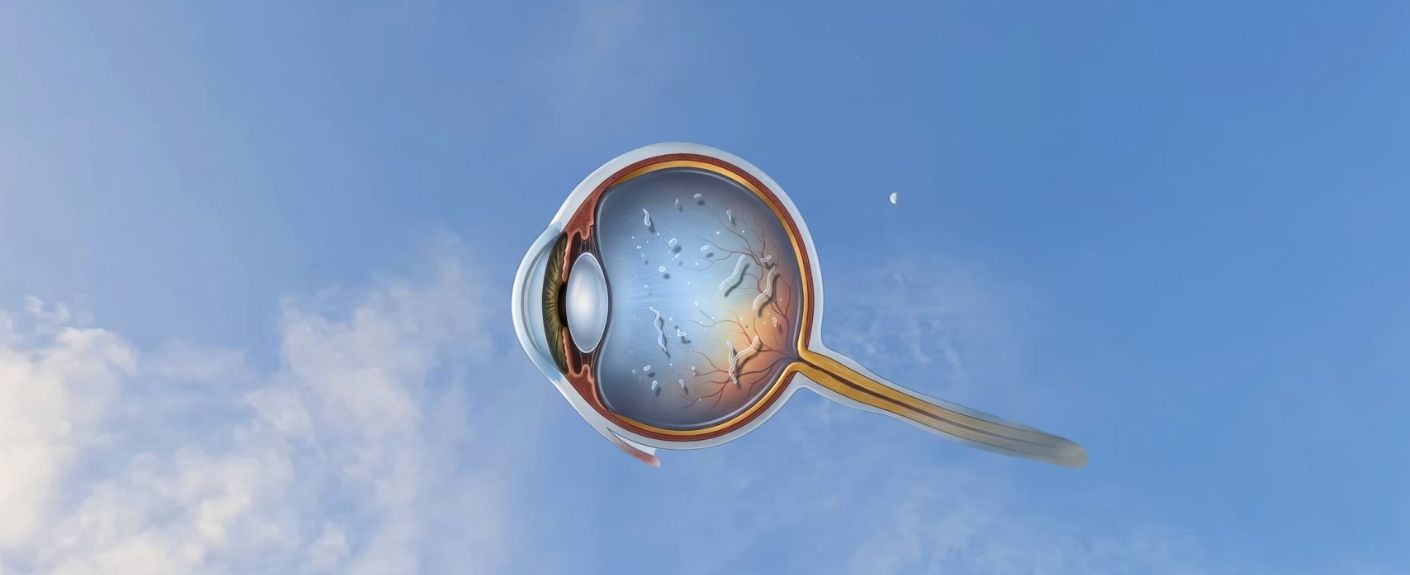
Refractive errors arise when there is a shape defect in the eye so that the light can not focus correctly on the retina. The retina is the light-sensitive layer at the rear part of the eye that transmits visual signals to the brain.
Vision seems clear when the light is properly directed. However, the objects can be blurred or distorted when the point of reference is different. The most prevalent refractive errors include:
- Short sightedness
- Long sightedness
- Astigmatism
- Presbyopia
Of them, the most frequently discussed conditions are short sightedness vs long sightedness. They influence the sharpness of your vision of near and distant objects.
Why Understanding the Difference Matters
There are a lot of individuals experiencing blurred vision, but have no understanding of whether they are long sighted vs short sighted. The distinction is useful in the following ways:
- It enables the timely identification of vision issues.
- It assists physicians in prescribing effective glasses or therapy.
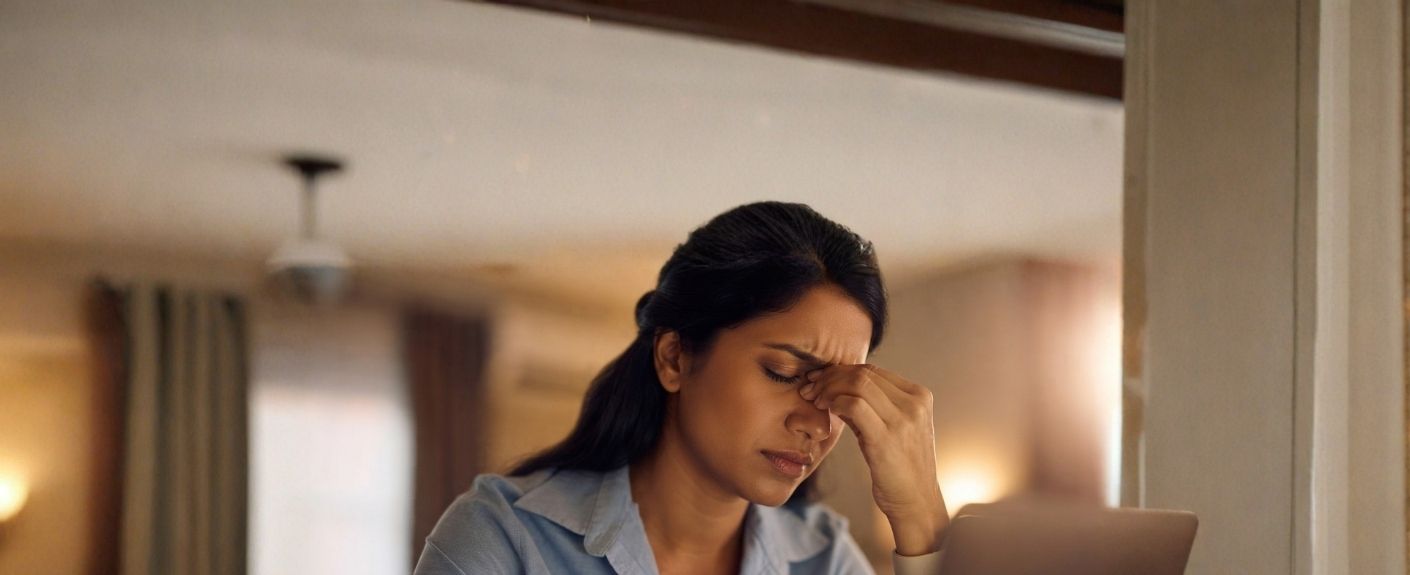
- It avoids the aggravation of eye fatigue or headaches.
- It enhances life quality as a whole.
There are even those who might develop long and short sightedness at various times in their lives. This is why the awareness of these conditions is key to healthy sight.
1. What is Nearsightedness (Myopia)?
Nearsightedness or shortsightedness is a condition in which one can see objects close to them well, but distant objects are blurred.
The question people will ask is what is short sighted vision. In simple terms, it implies that your eyes are more concentrated on what is near and less on what is distant.
How the Eye Focuses Light Incorrectly
In a healthy eye, the wave of light penetrates the eye and falls directly on the retina. This creates a clear image.
Nevertheless, the shape of the eye leads to a short sight effect whereby the light does not refract directly onto the retina, but rather in front of it. This causes blurred distance vision.
This can happen when:
- The eyeball is elongated.
- The cornea is too curved.
- The lens focuses light too heavily.
Therefore, short sighted persons might find it hard to read road signs, classroom boards, or other far-off things.
Common Signs of Shortsightedness
Short sighted people frequently experience symptoms which include:
- Difficulty focusing on far-away objects.
- Squinting to see clearly.
- Poor vision when driving.
- Strain on the eyes focusing on distance.
- Frequent headaches.
Young children who are short sighted will sit too close to the television or too close to their books.
2. What is Farsightedness (Hyperopia)?
Long sightedness, or far sightedness, is the converse. Individuals with this condition generally perceive objects that are farther away than the ones that are nearer.
When you are near sighted and far sighted, farsightedness is the ability to see distant things well as compared to the things that are closer.
How the Eye Focuses Light Incorrectly
The eye refracts light to the retina in long sight rather than making the retina its focal point. This makes close objects blurred out.
This usually occurs when:
- The eyeball is shorter than usual.
- The cornea lacks curvature.
- The lens has a reduced focusing power.
It is due to this focusing problem that reading, writing, or working on a computer can become challenging.
Common Signs of Long Sightedness
Individuals of long sightedness might have:
- Blurry vision when reading.
- Problem focusing on close objects.
- Strain to the eyes when reading or using a screen.
- Prolonged near work leads to headaches.
- Burning or tired eyes.
A person with a mild long sight might not experience the symptoms at once due to the changes in their eyes that focus their attention.
3. Symptoms: How to Tell the Difference
Understanding symptoms helps to diagnose short sighted vs long sighted vision problems.
Although both conditions result in blurred vision, the distance at which vision gets blurred varies.
Nearsightedness Symptoms
The signs and symptoms of short sightedness are:
- Blurred distance vision
- Bad eyesight in the distance.
- Squinting to see clearly
- Strain on the eyes focusing on distance.
- Difficulty reading road signs or classroom boards.
Short sight individuals have no issues in reading books or using their phones.
Farsightedness Symptoms
Long sightedness can manifest itself through symptoms such as:
- Hazy vision during reading or other small duties.
- The problem is with attention to the objects around the person.
- Strain on the eyes when using the computer.
- Headaches after long-term reading.
- Tired or burning eyes.
In other instances, long sight children might not read or study at all because they are uncomfortable.
Overlapping Symptoms
Both conditions may have some symptoms, and it may be hard to diagnose without an eye examination.
The overlapping symptoms are:
- Headaches
- Eye strain
- Squinting
- Fatigue after visual tasks
That is why having a professional eye check is necessary to ascertain the long sightedness vs short sightedness so accurately.
4. Causes & Risk Factors
Short sightedness and long sightedness may develop due to a variety of factors.
Genetic or Family History
- Genetics is one of the most prevalent causes of short sightedness.
- Children are likely to develop the condition if both parents are short-sighted.
- On the same note, long sightedness may also be familial.
Eye Shape Abnormalities
Eye shape significantly influences the type of sightedness.
For example:
- A longer eyeball may lead to short sightedness.
- A shorter eyeball may lead to long sightedness.
The light can also be focused by corneal shape and lens curvature.
Age-Related Factors
- As we grow old, our vision changes.
- Later in life, many adults acquire long sight owing to decreased plasticity of the lens of the eye. This is known as presbyopia.
- Although the condition is not related to hyperopia, presbyopia may have comparable symptoms.
Lifestyle Factors
Contemporary ways of life can also contribute to vision defects.
Risk factors include:
- Excessive screen time.
- Prolonged reading or near work.
- Limited outdoor activity.
- Poor lighting conditions.
According to studies, children with reduced time spent outdoors might have an increased risk of developing short sightedness.
5. Diagnosis
Diagnosis should be done properly to determine whether an individual is short sighted or long sighted.
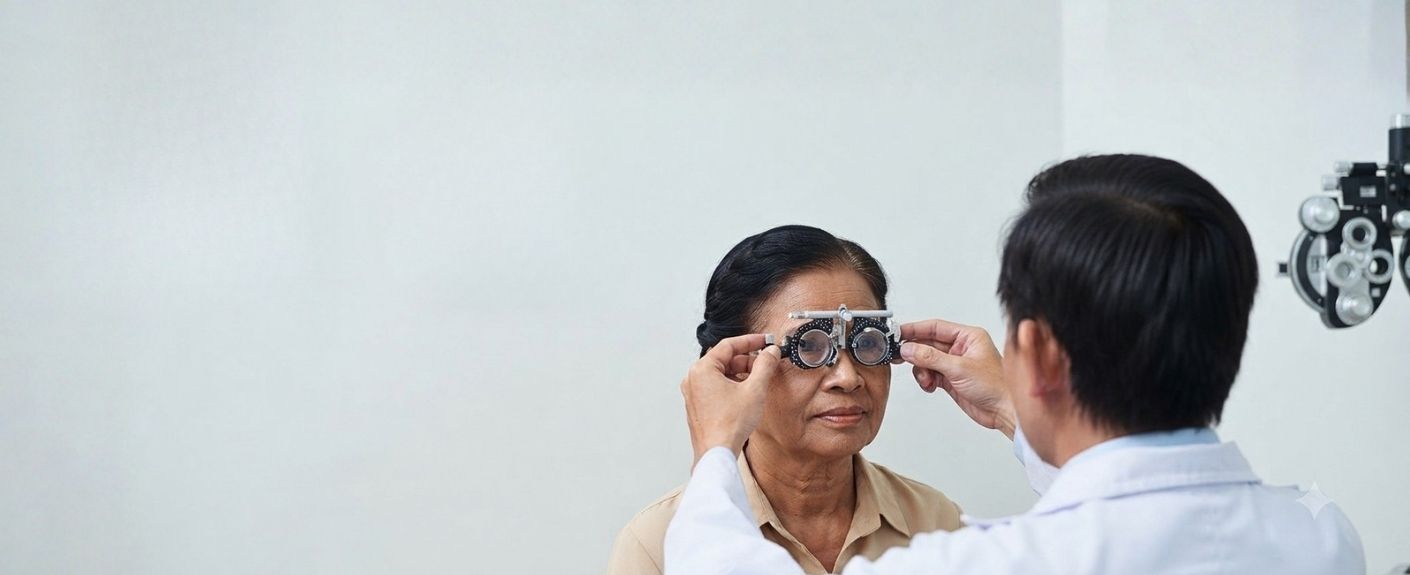
A thorough eye examination by eye doctors involves a number of tests.
Comprehensive Eye Examination
A full eye test usually involves:
- Vision testing
- Eye focusing tests
- Retinal examination
- Measurement of refractive error
The tests are used to identify either the long sighted vs short sighted vision issues in the patient.
Vision Tests Used at Surya Eye Hospital
Refractive errors are assessed in specialized eye hospitals that have superior diagnostic tools.
These may include:
- Digital vision testing
- Refraction tests
- Corneal mapping
- Retinal imaging
Proper diagnosis secures the correct treatment protocol of short sightedness vs long sightedness.
6. Treatment Options
Due to good fortune, both short sightedness and long sightedness are amenable to treatment. Treatment varies according to how severe the condition has become in the lifestyle of the patient.
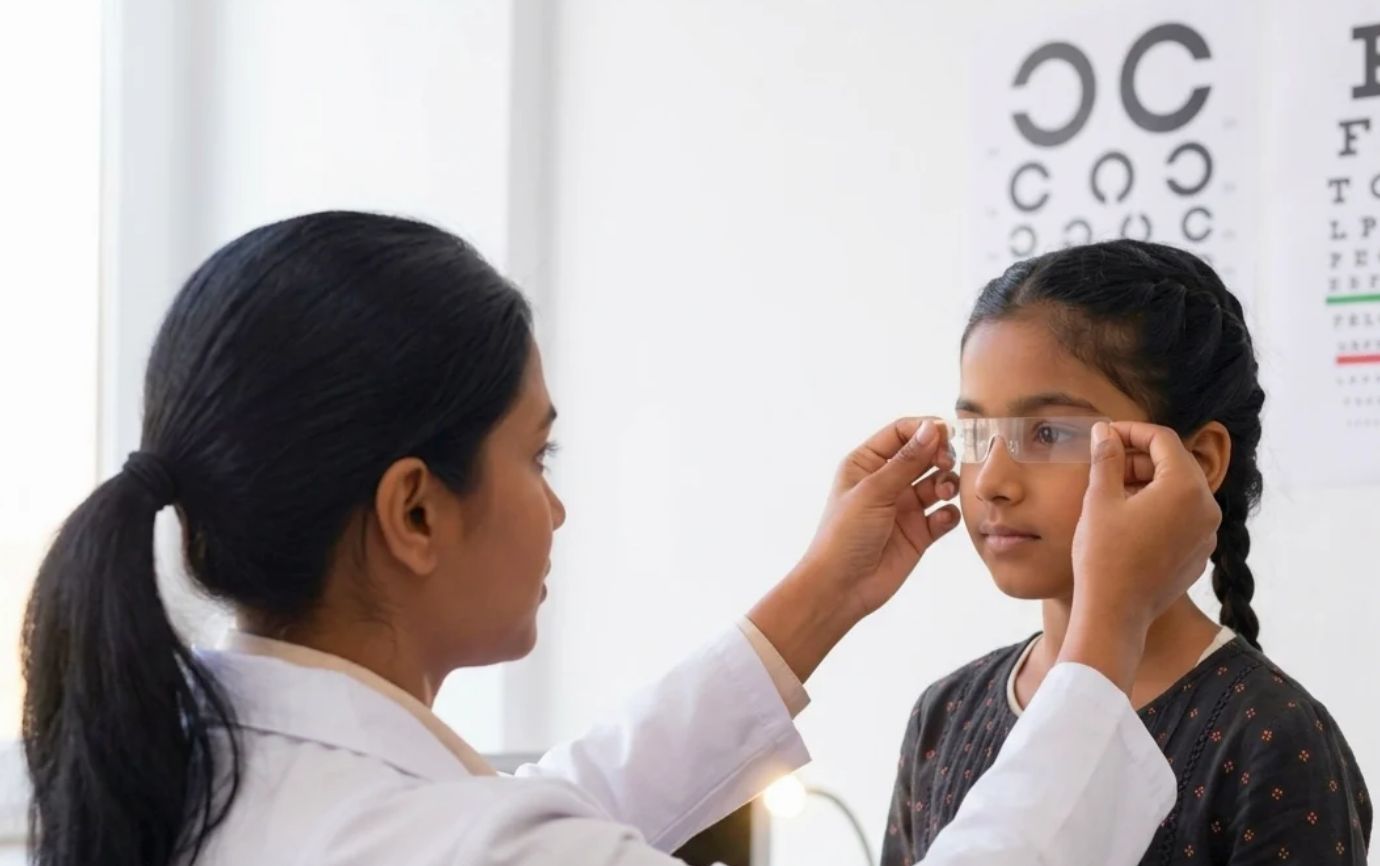
Eyeglasses
The most common form of treatment for short-sightedness and long-sightedness is glasses. Corrective lenses realign the light once it enters an eye to ensure that it focuses on the retina correctly.
Benefits include:
- Safe and non-invasive
- Easy to use
- Effective for all age groups
Contact Lenses
Another popular choice of long vs short sightedness correction is contact lenses.
They are placed directly on the surface of the eye and offer a better field of vision than glasses.
Advantages include:
- Natural vision correction
- No frames blocking vision
- Suitable for active lifestyles
But, contact lenses must be used following proper hygiene and eye examination.
Refractive Surgery
Refractive surgery can be considered as an option for those who need a lasting vision correction.
Common procedures include:
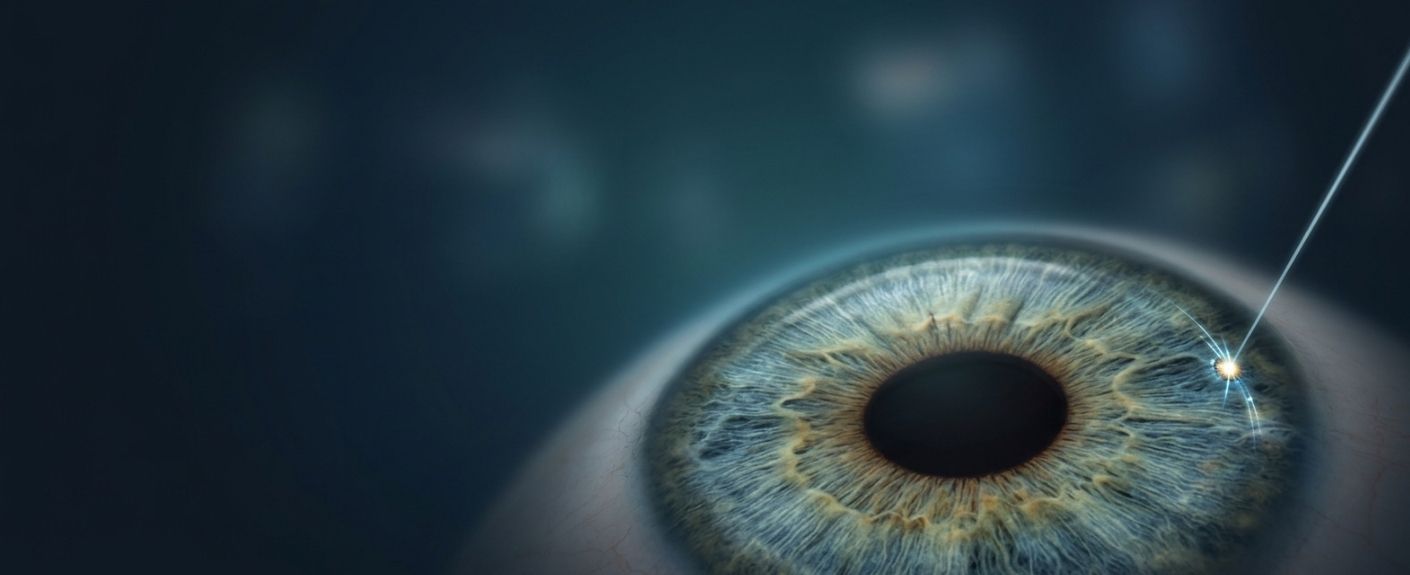
LASIK
LASIK involves a laser-based reshaping of the cornea in order to ensure that light focuses appropriately on the retina. It is among the most common surgeries conducted on short sightedness.
PRK
PRK resembles LASIK except that the outer corneal layer is removed, followed by cornea re-shaping. It is frequently prescribed to thin-corner patients.
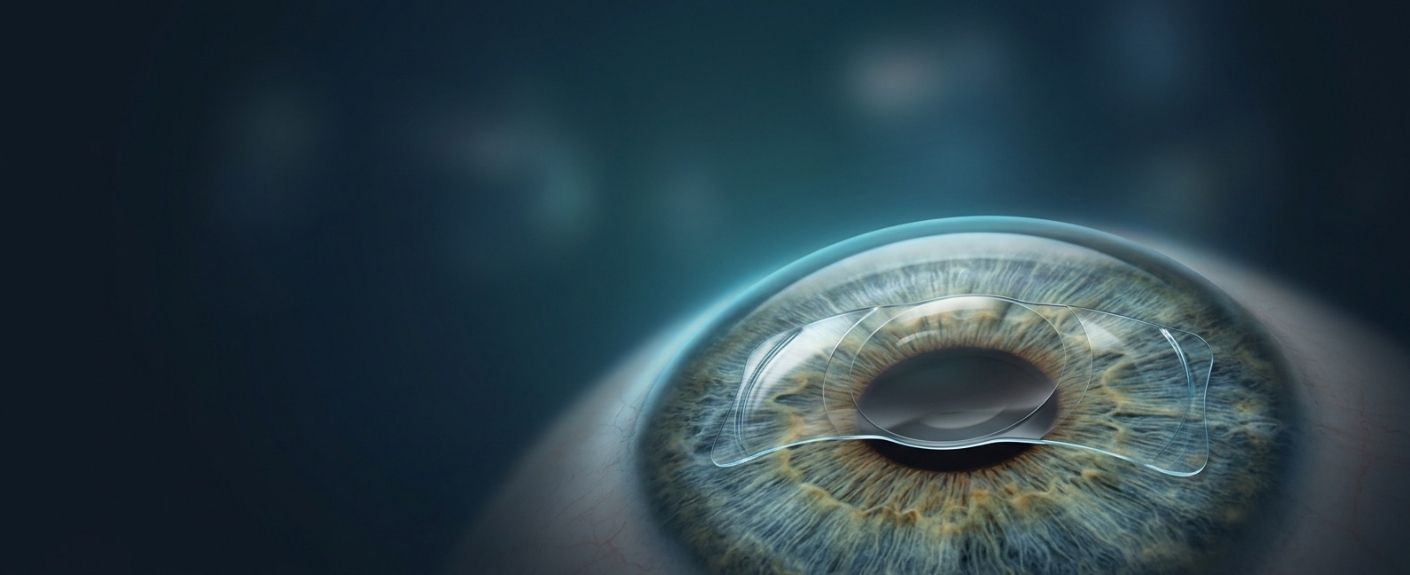
ICL
The surgery of Implantable Collamer Lens (ICL) entails implanting a special lens within the eye to rectify refractive errors. The process is appropriate for short-sighted patients.
Expertise at Surya Eye Hospital
Modern technology and skilled specialists to treat long sightedness vs short sightedness are provided in advanced eye hospitals such as Surya Eye Hospital.
Patients benefit from:
- Advanced diagnostic tools
- Experienced ophthalmologists
- Individualized treatment strategies
- Safe surgical procedures
7. When Should You See a Doctor?
Early vision problems are overlooked by many people. But with a quick intervention, it is possible to avoid complications and provide a better quality of life.
Warning Signs Not to Ignore
You should contact an eye doctor in case you feel:
- Frequent headaches.
- Blurred vision.
- Problems with reading or perceiving objects at a distance.
- Straining eyes during day-to-day living.
- Squinting frequently.
Children with reading or performance difficulties at school can also require an eye test.
Importance of Regular Eye Check-ups
Even without symptoms, periodic eye checks are noteworthy.
Eye doctors recommend:
- Adults: eye check-ups annually or biannually.
- Periodic eye examinations among children.
- Emergency consultation in case of vision changes.
Periodic examination aids in early detection of long vs short sightedness and early treatment.
Conclusion
Short sightedness and long sightedness are very common and manageable issues of vision. Learning the distinction between short sighted vs long sighted conditions will enable people to distinguish symptoms and find the appropriate treatment.
Short sightedness is to the distant objects and long sightedness to nearby objects. Both disorders are attributed to the fact that the eye fails to focus the light well on the retina.
Luckily, glasses, contact lenses, and refractive surgeries have been invented to offer constructive solutions to such vision difficulties. Simple eye check-ups and early diagnosis are important to healthy vision.
It is vital to seek the assistance of an eye specialist in case you have any signs of long vs short sightedness.
Make an appointment at the Surya Eye Hospital and receive the full eye care check and professional advice to see clearly and stay healthy in the long term.
FAQs
What is the main difference between nearsightedness and farsightedness?
Nearsightedness (myopia) mainly makes distant objects appear blurry, while nearby objects are generally clearer. Farsightedness (hyperopia) can make it more difficult to focus clearly on nearby objects, although the effect can vary depending on age and severity.
Are nearsightedness and farsightedness hereditary?
Yes. Genetics can contribute to both conditions. Having family members with refractive errors may increase a person’s likelihood of developing them, although other factors can also influence their development.
Can nearsightedness or farsightedness get worse with age?
Yes. Refractive errors can change over time. Adults may also develop presbyopia with age, which reduces the eye’s ability to focus on nearby objects and is different from farsightedness caused by hyperopia.
Can children have nearsightedness or farsightedness?
Yes. Both refractive errors can occur in children. Signs such as frequent squinting, sitting very close to screens, difficulty seeing the classroom board or discomfort while reading may indicate the need for an eye examination.
Do glasses permanently correct nearsightedness or farsightedness?
No. Glasses correct how light enters the eye while they are worn, allowing clearer vision, but they do not permanently change the underlying shape of the eye responsible for the refractive error.
Can LASIK correct both nearsightedness and farsightedness?
LASIK and other refractive procedures may be considered for suitable patients with refractive errors. Eligibility depends on factors such as prescription stability, corneal characteristics, age and overall eye health and requires a detailed evaluation.
When should I get my vision checked for a refractive error?
An eye examination is advisable if you experience persistent blurred vision, frequent squinting, headaches, eye strain or difficulty seeing clearly at near or far distances. Regular eye examinations can also identify refractive errors before they significantly affect daily activities.
Get clear, personalized guidance on your symptoms, diagnosis or recommended treatment.