

What is Amblyopia or Lazy Eye?
Amblyopia is a visual disability that is caused when the brain gives preference to one eye over the other, impairing the vision of the underutilised eye. In the course of time, the brain can learn to totally neglect the input of the lazy eye. This is because it is not a structural complication with the clearest of the eye; rather, there is a breakdown in the functional relationship between the brain and the eye.
This eye problem may vary in severity ranging from mild to severe, and usually happens in one eye, but in other exceptional instances, both eyes can be affected. Owing to the fact that it usually progresses without distinct symptoms, regular eye tests among young children are paramount.
Why Early Diagnosis Matters
Amblyopia should be diagnosed as early as possible, since the initial years in life are the most crucial when it comes to the brain-eye relationship. When the condition is detected and treated earlier than age 7-9, the improvement in normal vision is highly probable. Once this window passes, the visual system changes are less flexible, and it becomes unresponsive to improvement.
In adults, treatment does not necessarily lead to total recovery, but some action can be taken to contain the condition and bring improvement in the quality of life.
Understanding Amblyopia
How it Develops
Amblyopia usually occurs when the brain receives incompatible images from the two eyes. Rather than attempt to synergise this disparity, the brain masks the image of the weaker eye. This repression eventually results in a failing development of the visual processing pathways associated with that eye.
The most frequent causes of this distortion of input would be a discrepancy between the prescriptions of the two eyes (anisometropia), a physical blockage such as a cataract, or a muscle imbalance in the eyes.
Difference Between Lazy Eye and Squint
| Feature | Lazy Eye (Amblyopia) | Squint (Strabismus) |
| Definition | Reduced vision in one eye due to improper visual development | Misalignment of one or both eyes |
| Cause | Poor coordination between the eye and the brain | Muscle imbalance or nerve issues affecting eye movement |
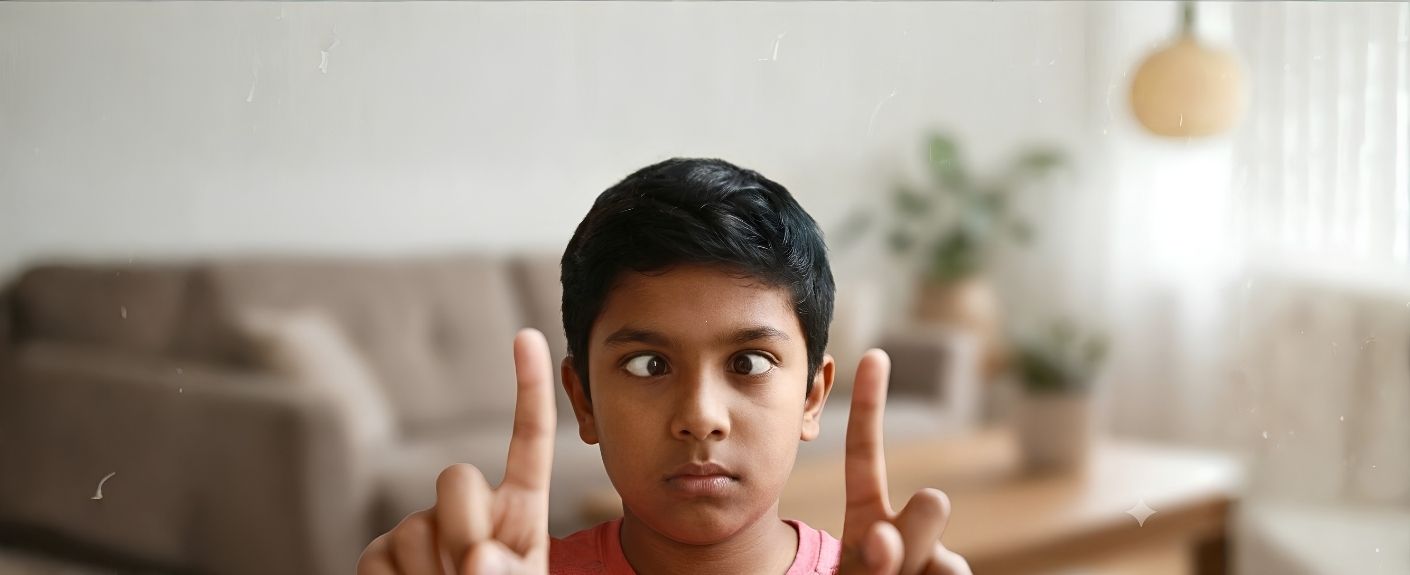
| Appearance | The eye may look normal, but it has poor vision | One or both eyes may point in different directions |
| Vision | Affected in one eye | May or may not affect vision |
| Common in | Children | Children (can also occur in adults) |
| Treatment | Eye patching, glasses, and vision therapy | Glasses, eye exercises,and surgery |
Common Causes
1. Strabismus: Strabismus is a typical trigger of amblyopia in children, where there is misalignment of the eyes. The brain gets rid of the picture of the unaligned eye and causes amblyopia to prevent seeing in doubles.
2. Refractive Errors: Unequal refractive errors of the eyes (anisometropia) can lead to amblyopia when one eye is more myopic or hyperopic. The stronger eye might be preferentially seen by the brain, and the weaker eye neglected.
3. Deprivation: This extreme form is manifested when light cannot enter the eye, early in the developing process, as a result of a cataract, ptosis or opacities of the cornea. It requires early intervention to avoid permanent blindness.
Symptoms to Watch For
Without a comprehensive eye examination, amblyopia might be hard to detect, and young children may be the worst subjects. Nevertheless, there are certain signs and symptoms that might be involved:
1. Poor Depth Perception
In children with amblyopia, these spatial functions, such as ball catching, pouring liquids, or walking down the stairs, might be impaired. These difficulties stem from the brain’s inability to use both eyes together effectively, impairing depth perception.
2. Eyes That Don’t Work Together
The eyes will not always be visibly misaligned, even though amblyopia does not mean the eyes do not function as a team. Certain children squint, tilt their head, or cover one of their eyes in order to see better. This can cause eye strain, fatigue or headaches during demanding tasks in adults.
How It’s Diagnosed
Pediatric Eye Screening
Regular examinations carried out during infancy and early childhood are essential to identify amblyopia. A red reflex test may be conducted by pediatricians and children can be referred to an ophthalmologist in case of vision issues. In several states, school health programs include vision screening, however, which can identify the condition before it becomes serious.
A thorough eye examination will test:
- Visual acuity of each eye
- Alignment and movements of the eyes
- Refractive errors (glasses necessary)
- Lightness and response of the eyes
Adult Diagnosis
In adults, amblyopia is typically diagnosed when the patient complains about their blurred vision in one eye, which does not go away, even with spectacles. Adults are usually diagnosed late because they have already passed the critical period of neuroplasticity. However, there are special tests which can estimate the level of visual impairment and ascertain its cause.
Treatment Options
1. Eye Patch Therapy
This is one of the most conservative and successful treatments. A patch is applied on the stronger eye to compel the brain to operate the weaker eye. Patching can be necessary several days a week for several months, depending on the severity and age of the patient.
2. Eye Drops
Other times, a patch may be substituted with atropine drops. Such drops momentarily impair vision in the dominant eye to entice the brain into employing the weak one. The technique can be more bearable than using a patch when applied to small children.
3. Vision Therapy
Vision therapy is a form of eye exercise that is conducted in a systematic pattern to enhance coordination, focus, as well as brain-eye integration. It is applied together with patching or drops and under the control of a specialist.
4. Surgery (in Some Cases)
Amblyopia that is related due to vision interference by cataracts, drooping eyelids, or worse strabismus may need surgical fixing. In the case of strabismus, surgery is beneficial to fix the position of the eyes, but therapy is normally required outside surgery to enhance seeing with the weaker eye.
Dr. Jay Goyal’s Clinical Perspective
Dr. Jay Goyal is a reputed pediatric ophthalmologist and has cured many cases of amblyopia with high success rate. He insists on treatment at an early age as the majority of children below 7 years of age are receptive to conservative forms of treatment such as patching and vision therapy.
One case involved a 4-year old patient with severe anisometropic amblyopia. The vision in the weaker eye has improved after six months of patching and vision therapy to 20/30 after a since consistency. Dr. Goyal also emphasizes the helping hand of parents stating that a plan of treatment is vital to the recovery.
In the adult patients, Dr. Goyal also uses newer therapies such as perceptual learning and neuro visual therapy to stimulate the weaker eye.
Conclusion
Lazy eyes can be regarded as minor, but when not treated it may result in the loss of vision irreversibly and crucially impact the quality of life. Luckily, amblyopia can be reversed in most cases thanks to early diagnosis and proper therapy, mainly with children.
Caregivers and parents must focus on routinely having their children checked by eye doctors, especially before the age of 5. A specialist should also be consulted by adults who have problems with one eye.
Early intervention = better prognosis
There is no time to waste so see a pediatric ophthalmologist should you see any indications of lazy eye in your child or in yourself.
Amblyopia management should begin with an eye specialist in Mumbai.
FAQs
Is lazy eye the same as amblyopia?
Yes. Lazy eye is the commonly used term for amblyopia, a condition in which vision does not develop properly because the brain increasingly relies on one eye and reduces its use of visual information from the weaker eye.
Is lazy eye the same as squint?
No. Lazy eye and squint are different conditions. Amblyopia refers to reduced vision due to abnormal visual development, while squint or strabismus refers to misalignment of the eyes. However, strabismus can sometimes lead to amblyopia.
Can a child have lazy eye even if both eyes look normal?
Yes. Amblyopia may not cause any obvious change in the appearance of the eyes. A child can have reduced vision in one eye while both eyes appear normal, which is why routine childhood vision screening is important.
What age is best for treating lazy eye?
Treatment is generally most effective when amblyopia is detected during early childhood, while the visual system is still developing. Children tend to respond particularly well when treatment is started before approximately 7-9 years of age.
Can lazy eye be completely corrected in children?
Many children can achieve significant improvement when amblyopia is detected and treated early. The amount of improvement depends on factors such as the child’s age, severity and cause of amblyopia, and adherence to the prescribed treatment.
Can lazy eye be treated in adults?
Yes. Treatment may still be considered in adults, although improvement is generally less predictable than in young children. Perceptual learning and neuro-visual therapy may be considered for selected adult patients.
How long does lazy eye treatment take?
Treatment may continue for several months or longer depending on the severity of amblyopia, the child’s age and response to treatment. Regular follow-ups help the ophthalmologist assess progress and modify treatment when required.
Does wearing an eye patch permanently correct lazy eye?
Patching can help improve vision in the weaker eye by encouraging the brain to use it. However, treatment duration and results vary, and glasses, eye drops, vision therapy or treatment of the underlying cause may also be required.
Can lazy eye come back after successful treatment?
Yes. Amblyopia can sometimes recur after treatment, particularly in children. Follow-up eye examinations are therefore important, and treatment should not be stopped or changed without the ophthalmologist’s advice.
What happens if amblyopia is left untreated?
Untreated amblyopia can result in persistent reduced vision in the affected eye because normal visual development has not occurred. Early identification and treatment provide a better opportunity for improving vision during childhood.
Get clear, personalized guidance on your symptoms, diagnosis or recommended treatment.