

Being able to see clearly is a big part of life. Contact lenses and glasses are helpful, but most individuals want a lasting solution. Laser vision correction has been developed to fulfill this requirement using safer and more precise methods.
Of these developments, the most radical has been the blade-free LASIK surgery, which is femtosecond laser eye surgery. It is more precise, safer, and predictable than older procedures.
This technology has transformed the way in which eye surgeons adjust refractive errors and enhanced patient comfort and confidence. Now, people who prefer to be quite free in terms of spectacles wear them all over the world.
What is Femtosecond Laser Technology
The Femtosecond laser is characterized by high speed and microscopic precision. It operates with time units, which are so small that they are quantified in quadrillionths of a second.
Advantages of the femtosecond laser technology are:
- Very short laser pulses.
- Computer-guided precision
- Minimal heat generation
- No cutting tools of a mechanical character.
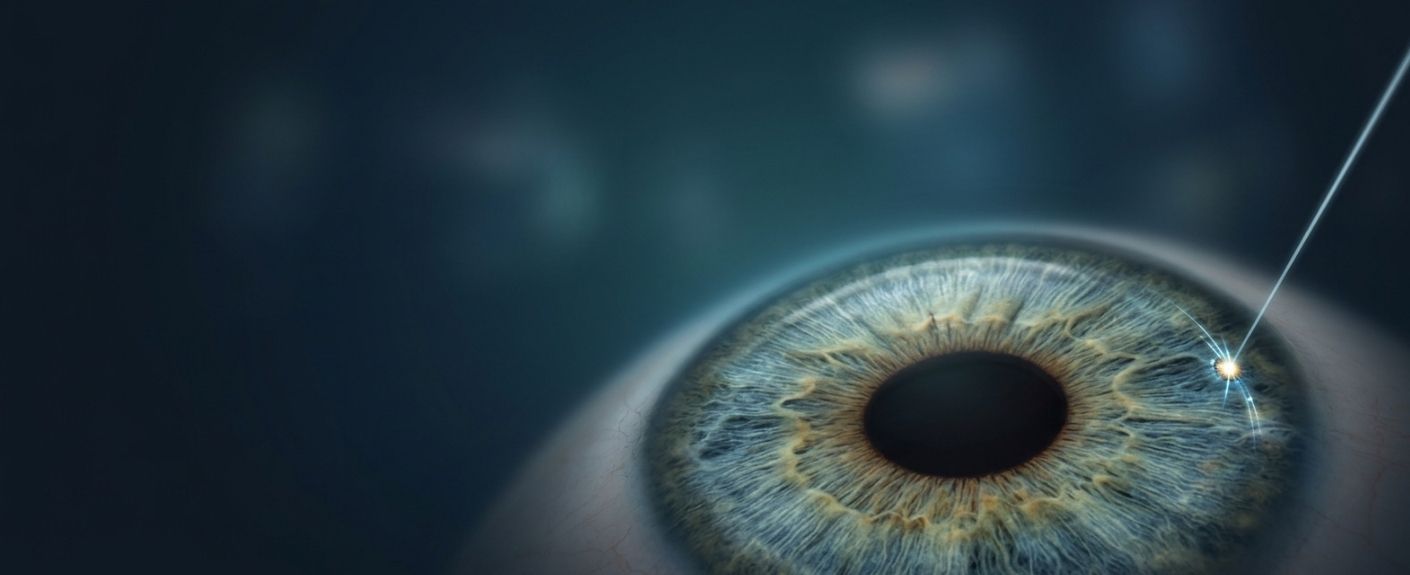
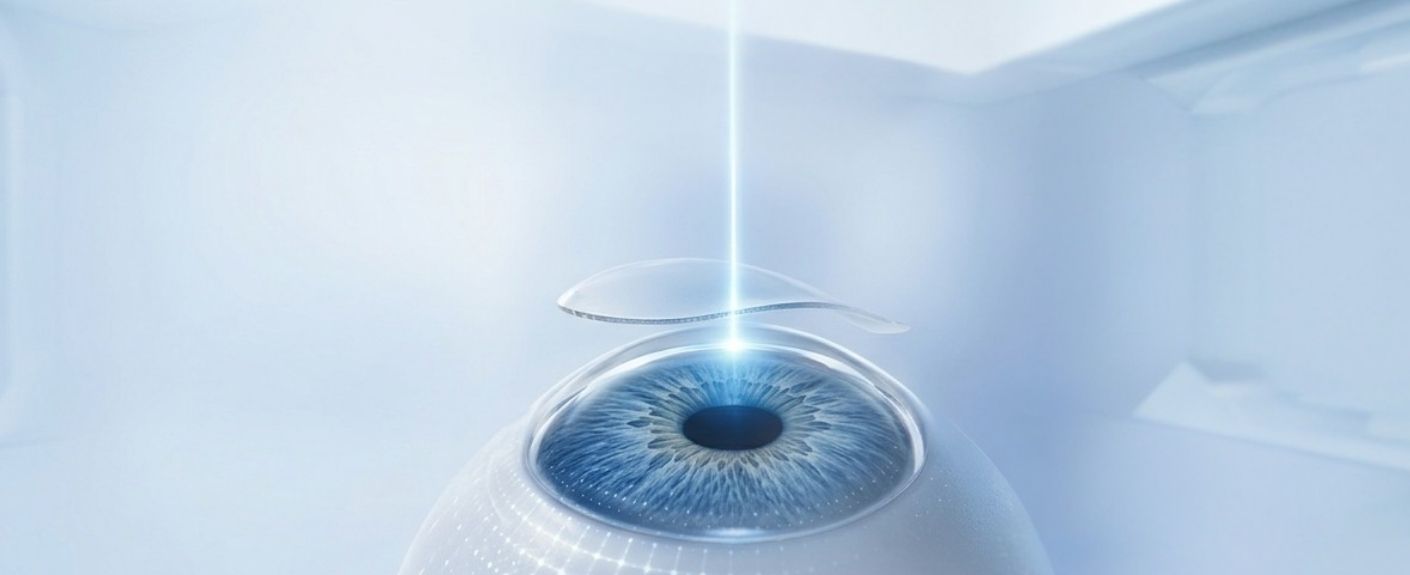
Femtosecond laser eye surgery involves the laser producing small bubbles in the corneal tissue. These bubbles separate the layers of tissue and do not harm the surrounding areas.
Such a level of control enables surgeons to make extremely uniform and personalized corneal flaps that could not easily be made using traditional blades.
Bladefree LASIK: How the Procedure Works
Bladefree LASIK is a highly methodical, technologically inclined vision corrective procedure. Each phase is digitally driven to enhance accuracy, safety, and uniformity, decreasing the reliance on manual tools.
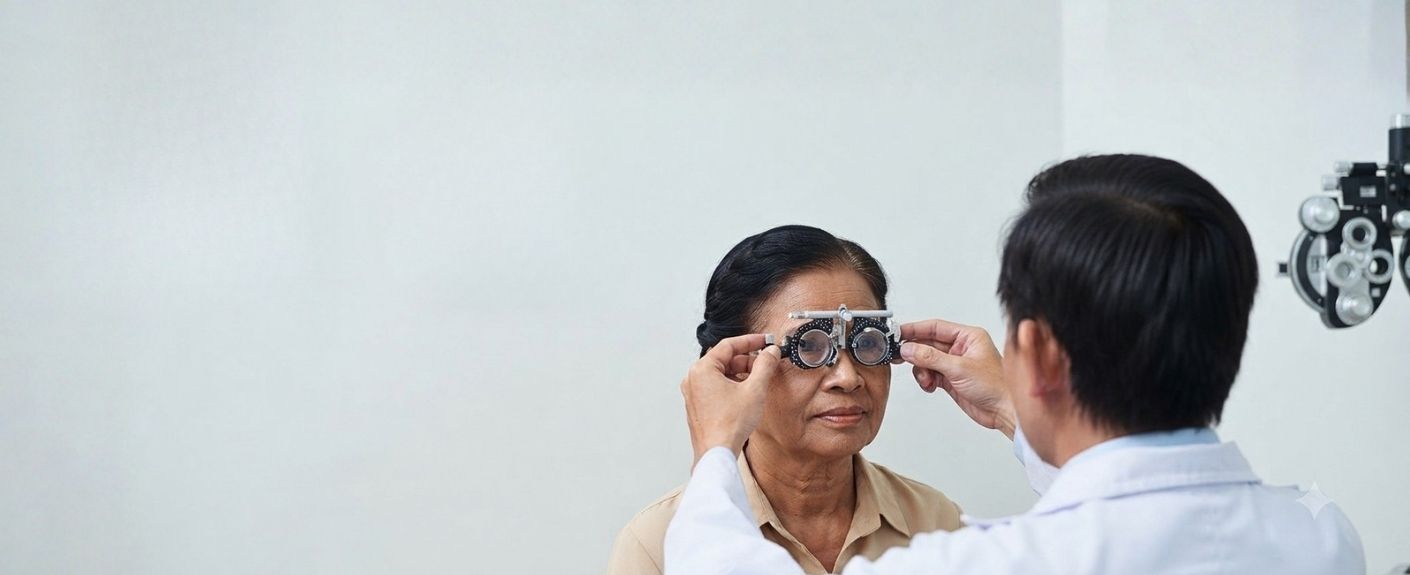
Eyes are carefully examined before surgery to develop a personalized treatment program. The use of state-of-the-art diagnostic equipment allows laser parameters to be specific to the patient's corneal structure.
Step 1: Detailed Eye Mapping
High-resolution corneal topography is used to map the surface, curvature, and irregularities of the cornea.
Step 2: Measuring the Corneal Thickness
Accurate determination of corneal thickness and shape allows safe flap development and maximum laser correction.
Step 3: Laser-Fabricated Flap
A blade-free coronary flap is produced in a corneal layer with a femtosecond laser. The depth and diameter of the flap are fully adjusted.
Step 4: Vision Correction
An excimer laser is used to re-shape the cornea with the help of the laser to correct refractive defects such as myopia, hyperopia, or astigmatism.
Step 5: Flap Repositioning
The flap is reset so mannily, where it instinctively sticks together without sewing.
Femtosecond laser eye surgery reduces the variability between traditional techniques, leading to enhanced corneal stability, fewer complications, and improved, predictable visual outcomes.
Blade-Free LASIK Procedure Overview
| Step | Procedure Stage | What Happens in This Step |
| Step 1 | Comprehensive Eye Mapping | • Digital mapping of corneal surface• Measurement of curvature and alignment• Detection of corneal irregularities |
| Step 2 | Corneal Thickness & Shape Assessment | • Accurate measurement of corneal thickness• Evaluation of corneal shape and strength• Confirmation of laser safety parameters |
| Step 3 | Femtosecond Laser Flap Creation | • Blade-free creation of corneal flap• Controlled flap depth and diameter• Minimal tissue disturbance |
| Step 4 | Excimer Laser Vision Correction | • Reshaping of corneal tissue• Correction of refractive errors• Computer-guided laser accuracy |
| Step 5 | Flap Repositioning & Natural Healing | • Gentle repositioning of corneal flap• Natural adhesion without stitches• Faster healing and visual recovery |
Major Benefits of Femtosecond Laser Eye Surgery
The overall advantages of the traditional LASIK over femtosecond laser eye surgery make it a popular choice among patients.
Enhanced Precision
- Laser-guided flap creation
- Uniform corneal thickness
- Reduced human error
Improved Safety Profile
- No blade-related risks
- Reduced risk of partial or lumpy flaps
- Increased corneal nerve protection
Faster Visual Recovery
- Minimal tissue trauma
- Early increase in clarity
- Faster recovery time.
Better Visual Quality
- Sharper vision outcomes
- Reduced glare and halos
- Better night driving comfort
These advantages make the process applicable to patients who want the best vision correction.
Who Should Consider This Procedure?
Laser eye surgery is not suitable to all individuals; however the highly developed method has expanded eligibility.
Ideal applicants usually consist of:
- Adults aged 18 years or older
- At least 12 months of stable prescription of spectacles.
- Healthy corneal structure
- No active eye diseases
Femtosecond laser eye surgery is particularly beneficial to:
- Thinner corneas in patients.
- People with severe optical anomalies.
- Individuals who fear using blades.
- Individuals who desire greater safety margins.
Surgery is a safe procedure only when an individual is thoroughly tested beforehand.
Safety, Risks, and Clinical Success Rates
Safety is one of the biggest reasons this technology is trusted worldwide.
Proven Safety Standards
- FDA-approved technology.
- Supported by decades of clinical evidence.
- Millions of procedures worldwide use it.
Side Effects
- Mild dryness of the eyes
- Light sensitivity
- Temporary halos or glare
- The effects tend to improve with age and eye drops.
Rare Complications
- Flap-related issues
- Inflammation
- Under-correction or over-correction.
The complication rates are very low with an experienced surgeon during the femtosecond laser eye surgery.
Recovery Timeline and Post-Surgery Care
The healing process is generally rather painless and easy.
Immediate Post-Procedure Experience
- Within 24-48 hours, vision is enhanced.
- Mild irritation or watering
- No surgery or hospitalization necessary.
Short-Term Recovery
- Return to normal functioning in a few days.
- At first, avoid swimming and eye makeup.
- Use protective eye shields at night.
Aftercare Instructions
- Apply prescribed lubricating drops and antibiotics.
- Avoid rubbing the eyes
- Attend follow-up check-ups
Relevant aftercare helps to sustain long-term visual outcomes.
Is Blade-Free LASIK the Right Choice?
Blade-free LASIK is a reliable solution for those who need accurate, safe, and long-lasting vision correction. The latest method employs a laser rather than surgical blades and has more control and precision in the procedure. Consequently, patients tend to find a lot of confidence and comfort as they undergo their treatment process.
The advantage of its surgical approach, which is blade-free, is among the largest factors that patients opt for this alternative. Laser-based technology dramatically lowers the risks involved in using manual tools and opens the possibility of a controllable, predictable result. Such accuracy adds to the sharper vision and stability.
The other significant benefit is rapid healing. Most patients can experience rapid visual improvement in a short amount of time, and this enables the patient to resume normal activities earlier compared with the conventional methods. Minimal tissue trauma implies less pain during the healing process.
Further refined customization gains more results. Every procedure is designed according to the individual eye structure of the patient, which would allow the personal correction process and the enhancement of visual quality.
The cost might be a little bit more than a conventional LASIK, but the extra safety, comfort, and peace of mind can be well worth the price. A qualified eye surgeon should also be consulted in order to decide whether this vision correction option will fit your eye health and lifestyle requirements.
FAQs
Is femtosecond laser eye surgery the same as bladeless LASIK?
Yes, femtosecond laser eye surgery is commonly referred to as bladeless LASIK. It uses a femtosecond laser instead of a mechanical blade to create the corneal flap, followed by an excimer laser to reshape the cornea and correct vision.
How is femtosecond LASIK different from traditional LASIK?
The main difference is how the corneal flap is created. Femtosecond LASIK uses a computer-guided laser, while traditional LASIK may use a mechanical blade. The laser allows greater control over the flap’s depth, diameter and uniformity.
Is femtosecond laser eye surgery painful?
The procedure is designed to minimise discomfort and tissue trauma. Some patients may experience mild irritation, watering or sensitivity shortly after surgery, but these symptoms generally improve during the early recovery period.
How soon can I see clearly after femtosecond LASIK?
Many patients notice an improvement in vision within the first 24-48 hours. Vision may continue to stabilise as the eyes heal, and regular follow-up examinations are important to monitor recovery.
Who is a suitable candidate for femtosecond laser eye surgery?
Suitable candidates are generally adults aged 18 or above with a stable spectacle prescription, healthy corneas and no active eye disease. A detailed pre-surgery evaluation is necessary to determine individual eligibility.
What are the possible side effects of femtosecond LASIK?
Temporary dryness, light sensitivity, glare or halos may occur after surgery. Less common complications can include inflammation, flap-related problems and under- or over-correction. Proper patient selection and post-operative care help minimise risks.
What precautions should I follow after femtosecond laser eye surgery?
Patients should use prescribed eye drops, avoid rubbing their eyes and attend scheduled follow-up visits. Swimming and eye makeup should initially be avoided, and protective eye shields may be recommended during the early recovery period.
Are the results of femtosecond laser eye surgery permanent?
The corneal reshaping performed during laser vision correction is permanent. However, natural changes in the eyes can occur with age, so some patients may require glasses later in life despite successful surgery.
Understand your suitability and the right treatment approach before you decide.