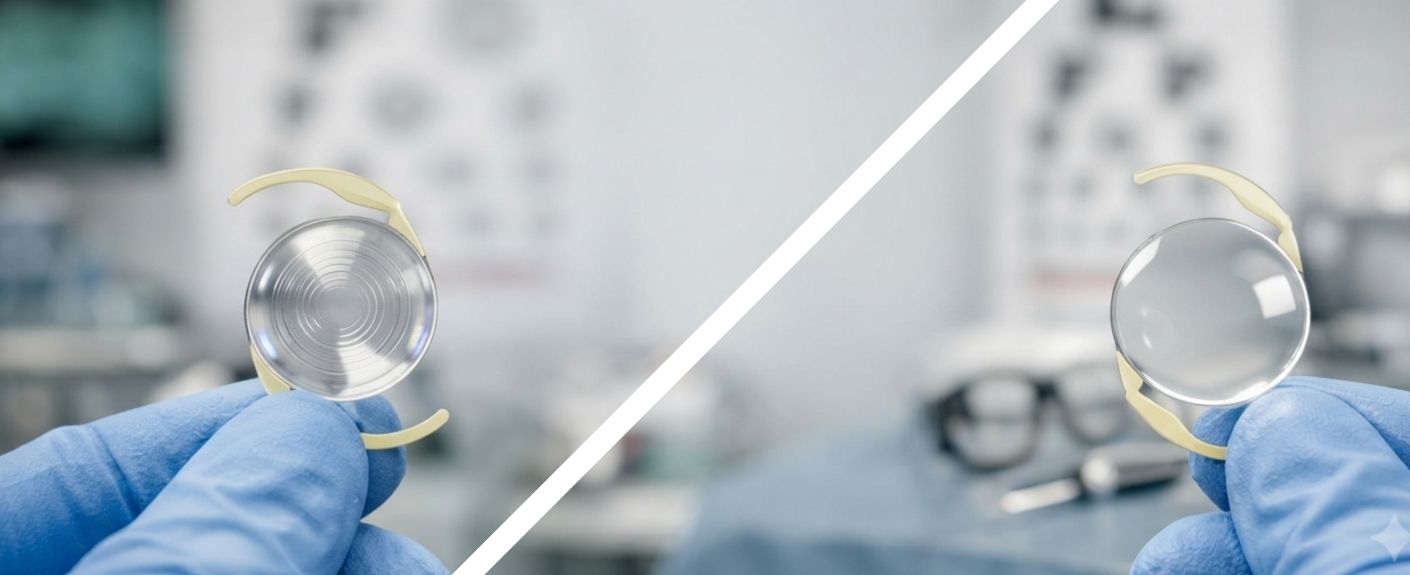


Cataracts develop when the natural lens inside the eye becomes cloudy, gradually affecting clarity, contrast, colour perception and everyday activities such as reading or driving. When cataracts begin interfering with vision, surgery may be considered to remove the cloudy lens and replace it with a clear artificial intraocular lens (IOL).
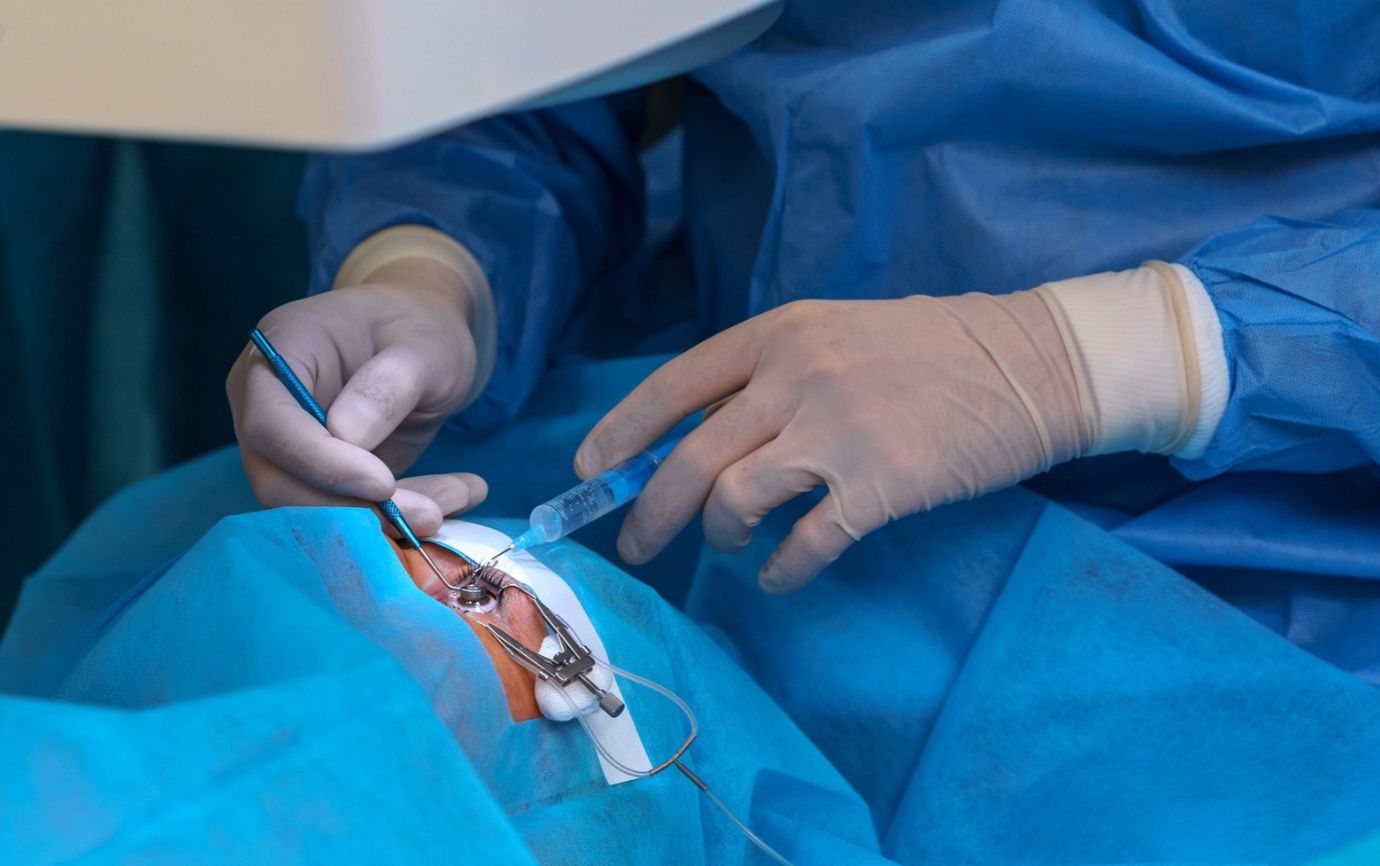
Femto cataract surgery, also known as femtosecond laser-assisted cataract surgery (FLACS), uses a computer-guided laser to perform selected steps of cataract surgery with high precision. It does not replace the ophthalmic surgeon, but assists with parts of the procedure that would otherwise be performed manually.
Surya Eye Hospital provides femtosecond laser-assisted cataract surgery. Before surgery, the eye is assessed to determine cataract severity, eye health, suitable IOL options and whether a laser-assisted approach is appropriate for the individual patient.
What is Femto Cataract Surgery?
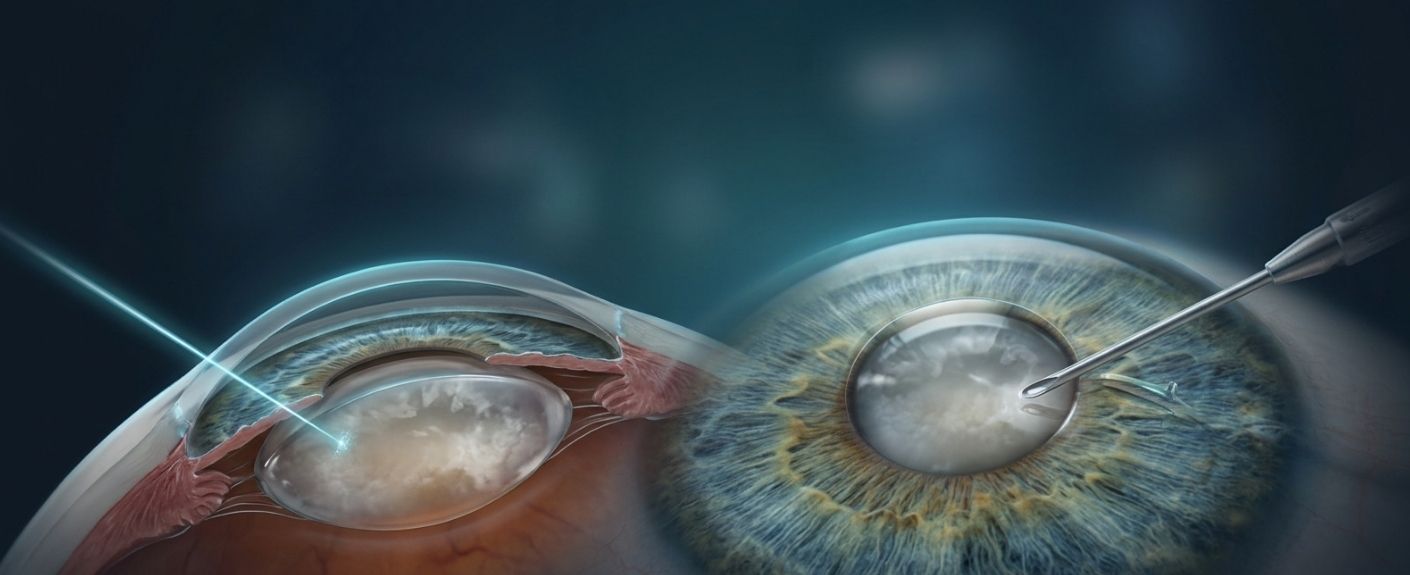
Femto cataract surgery is a form of cataract surgery in which a femtosecond laser assists with selected surgical steps. The laser can help create corneal incisions, open the lens capsule and divide the cloudy lens into smaller fragments before its removal.
In conventional phacoemulsification surgery, the surgeon performs several of these steps manually. With FLACS, imaging and computer-guided laser delivery allow some steps to be planned according to the patient's eye measurements.
A femtosecond laser may assist with:
- Creating planned corneal incisions
- Producing a circular opening in the lens capsule, called a capsulotomy
- Softening and fragmenting the cataractous lens
- Creating selected corneal incisions for astigmatism management when appropriate
How Does Femto Cataract Surgery Work?
Femto cataract surgery follows the same overall goal as conventional cataract surgery: removing the cloudy natural lens and replacing it with an artificial lens. The main difference lies in how some early surgical steps are performed.
Eye Assessment and Surgical Planning
Before Femto cataract surgery, the ophthalmologist evaluates the cataract and measures the eye to plan treatment. These measurements also help determine the power and type of IOL required.
The assessment may include visual testing, examination of the front and back of the eye, corneal measurements and biometric measurements of eye length. Existing conditions such as glaucoma, retinal disease, corneal problems or significant dry eye may also influence treatment planning.
Laser-Assisted Steps
During FLACS, imaging technology helps map structures inside the eye before laser treatment is delivered. The femtosecond laser can then perform the planned capsulotomy and divide the cloudy lens into smaller sections.
Fragmenting the lens before phacoemulsification may reduce the amount of ultrasound energy required during certain operations. However, the extent of this benefit depends on cataract density, surgical technique and individual eye characteristics.
Cataract Removal and IOL Placement
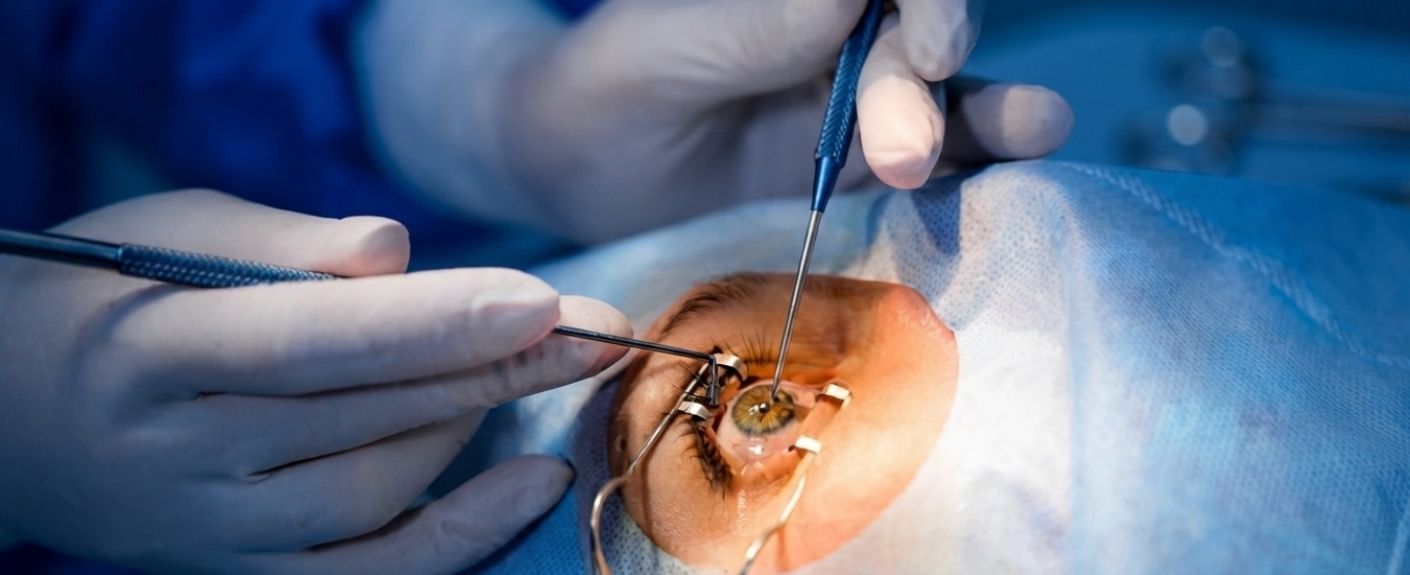
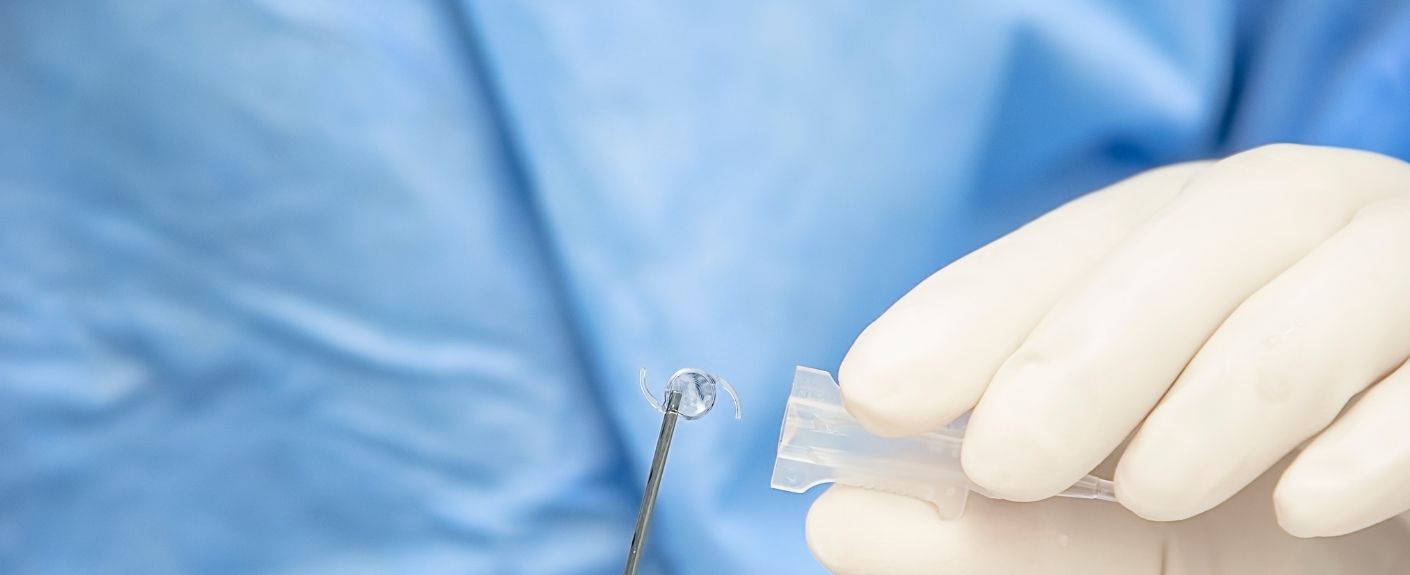
After laser treatment, the surgeon removes the fragmented lens material and implants the selected artificial lens. The IOL remains inside the eye and performs the focusing function of the natural lens that was removed.
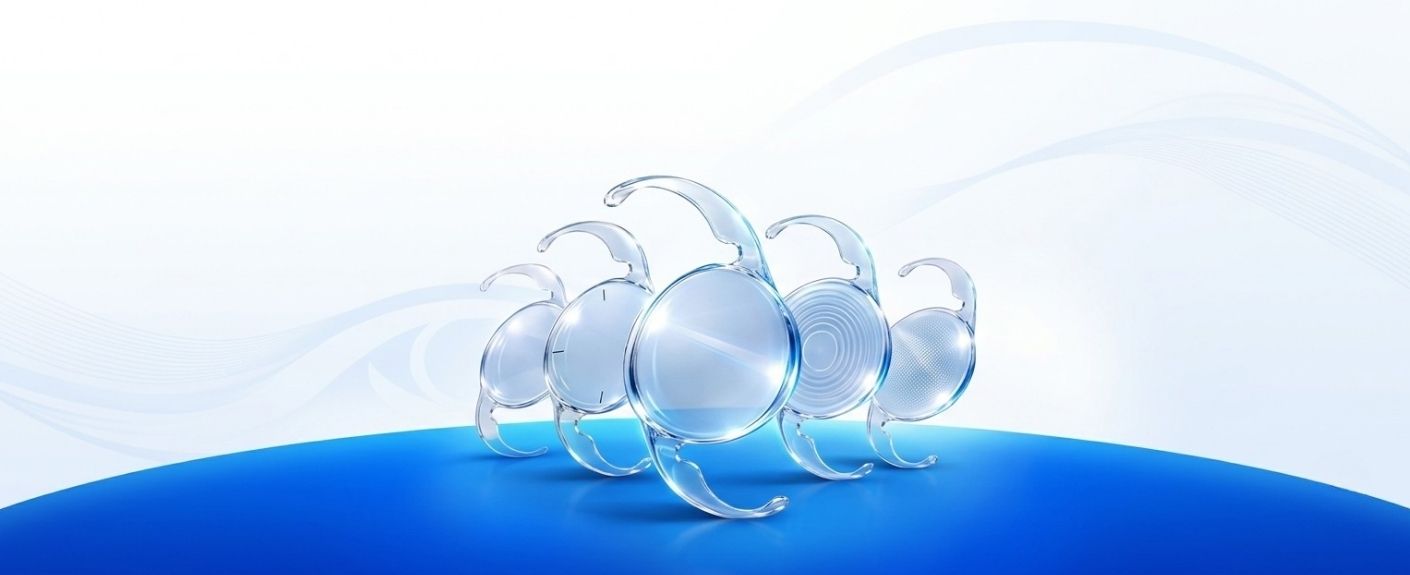
The choice of IOL depends on measurements, eye health and visual requirements. Options may include monofocal, toric or other specialised lenses when clinically suitable.
What Are the Benefits of Femto Cataract Surgery?
The main benefits of Femto cataract surgery relate to the precision and reproducibility of specific surgical steps. These advantages do not mean that FLACS automatically produces better final vision for every patient than conventional cataract surgery.
Precise Capsulotomy
The femtosecond laser can create a planned circular opening in the front of the lens capsule. A well-centred and consistently sized capsulotomy can support predictable positioning of the IOL within the remaining capsule.
Studies comparing FLACS with conventional surgery have found measurable differences in some capsulotomy and IOL-positioning parameters. However, the clinical significance may vary between individual patients.
Computer-Guided Incisions
Laser treatment allows certain corneal incisions to be planned according to imaging and eye measurements rather than relying entirely on manual creation.
This gives the surgeon another level of control over incision location, size and architecture. The clinical benefit still depends on the overall surgical plan and the patient's eye.
Laser Fragmentation of the Cataract
The laser can divide and soften the cataract before the surgeon removes it. Breaking the lens into smaller pieces may allow some cataracts to be removed using less phacoemulsification energy.
Reduced ultrasound requirements can be useful in selected cases, particularly when protecting surrounding eye structures is an important consideration.
Individualised Surgical Planning
FLACS uses imaging to plan laser treatment according to the anatomy of the individual eye. The surgeon can adjust parameters based on cataract characteristics and measurements rather than applying an identical approach to every patient.
This does not remove the need for surgical judgement. Cataract density, corneal health, pupil size, associated eye disease and IOL choice all remain important.
Precise Integration With IOL Planning
Accurate capsulotomy creation and eye measurements may support IOL positioning and refractive planning. This can be particularly relevant when patients are receiving lenses designed to address specific visual needs.
Final vision, however, depends on several factors beyond surgical technology, including retinal health, corneal condition, optic nerve function and the chosen IOL.
Femto Cataract Surgery vs Traditional Cataract Surgery
Both Femto and conventional cataract surgery remove the cloudy natural lens and replace it with an IOL. The key difference is that FLACS uses a femtosecond laser to assist with some steps that conventional surgery performs manually.
| Feature | Femto Cataract Surgery | Conventional Cataract Surgery |
| Corneal incision | May be laser-created | Created manually by the surgeon |
| Capsulotomy | Laser-assisted | Created manually |
| Lens fragmentation | Laser can pre-fragment the cataract | Primarily performed using phacoemulsification |
| Ultrasound energy | May be reduced in some cases | Depends on cataract density and technique |
| IOL implantation | Performed by the surgeon | Performed by the surgeon |
| Visual outcome | Depends on eye health, IOL and surgery | Depends on eye health, IOL and surgery |
| Recovery | Usually gradual over days to weeks | Usually gradual over days to weeks |
Read More:
- Premium Intraocular Lenses (IOLs): Types, Benefits & Costs
- Types of IOL for Cataract Surgery: How Do Different Lens Options Compare?
- Trifocal IOL: How It Works, Benefits, Suitability and What to Expect
Who May Be Suitable for Femto Cataract Surgery?
Femto cataract surgery may be suitable for many patients with visually significant cataracts, but suitability should be determined after a complete eye examination. The laser-assisted approach is not necessary or appropriate in every case.
Before recommending surgery, the ophthalmologist may consider:
- Cataract type and density
- Corneal health and shape
- Pupil size
- Lens and capsule characteristics
- Astigmatism
- Retinal and optic nerve health
- Previous eye surgery
- Other eye conditions
- IOL requirements and visual goals
Some anatomical or medical factors may influence whether the femtosecond laser can be used effectively. Treatment therefore needs to be selected according to clinical findings rather than simply choosing the newest available technology.
Recovery After Femto Cataract Surgery
Recovery after Femto cataract surgery is usually gradual, with many patients noticing visual improvement during the first several days. Complete healing takes longer, and vision may continue to stabilise over the following weeks.
Immediately after surgery, temporary blurring, mild irritation, watering or sensitivity to light can occur. Dilating drops used during surgery may also affect vision for several hours.
Patients are generally prescribed eye drops to control inflammation and reduce infection risk. These should be used exactly as instructed rather than stopped when the eye begins to feel normal.
During early recovery:
- Avoid rubbing or pressing the operated eye.
- Use prescribed eye drops according to schedule.
- Wear an eye shield if instructed, particularly during sleep.
- Protect the eyes from dust and accidental contact.
- Avoid strenuous exercise and heavy lifting until cleared.
- Attend scheduled postoperative examinations.
Driving should be avoided until vision has recovered sufficiently and the ophthalmologist confirms that it is safe. New glasses may also be prescribed after vision has stabilised.
What Should You Avoid During Recovery?
The operated eye needs protection while the incision and internal tissues heal. Activities that increase the chance of eye injury, contamination or unnecessary pressure should therefore be limited during the early recovery period.
Patients are generally advised to avoid:
- Rubbing or touching the eye
- Swimming until medically cleared
- Getting soap or contaminated water directly into the eye
- Heavy lifting and strenuous exercise during early healing
- Eye makeup until permitted
- Dusty or dirty environments without eye protection
- Driving before vision is considered safe
Restrictions vary between patients, so the treating surgeon's postoperative instructions should take priority over general recommendations.
When Should You Contact Your Eye Doctor?
Mild irritation or blurred vision can occur after cataract surgery, but worsening or sudden symptoms require medical assessment. Patients should not simply wait for a scheduled follow-up if their vision changes unexpectedly.
Seek prompt ophthalmic advice for:
- Sudden or significant reduction in vision
- Increasing eye pain
- Marked or worsening redness
- New flashes of light
- A sudden increase in floaters
- A dark curtain or shadow across the field of vision
- Unusual discharge from the operated eye
Sudden flashes, numerous new floaters or a curtain-like shadow can indicate retinal problems and need urgent assessment.
FAQs
Is Femto cataract surgery completely bladeless?
Femto cataract surgery uses a laser for several steps that may otherwise require manual instruments, including capsulotomy and lens fragmentation. However, the surgeon still performs cataract removal, IOL implantation and other necessary parts of the procedure.
Is Femto cataract surgery better than regular cataract surgery?
Not necessarily for every patient. FLACS provides greater automation and precision during selected surgical steps, but conventional phacoemulsification also produces good outcomes. The preferred method depends on eye anatomy, cataract characteristics, IOL requirements and surgical assessment.
How long does recovery take after Femto cataract surgery?
Many patients notice clearer vision within several days, although healing and visual stabilisation continue for several weeks. Recovery differs according to eye health, cataract complexity and other conditions, so postoperative instructions and follow-up appointments remain important.
Will I still need glasses after Femto cataract surgery?
Possibly. Dependence on glasses after surgery is influenced mainly by the IOL selected, existing astigmatism, retinal and corneal health, and refractive outcome. Femto technology alone cannot guarantee complete freedom from spectacles after cataract surgery.
Can cataracts return after Femto cataract surgery?
The removed natural lens cannot develop another cataract. However, the capsule behind the artificial lens may become cloudy months or years later, causing posterior capsule opacification. This can generally be assessed and treated separately by an ophthalmologist.
When should I consult an ophthalmologist about cataract surgery?
Consult an ophthalmologist when cloudy vision begins interfering with reading, driving, work or other daily activities. Surgery is generally considered according to the effect of cataracts on vision and quality of life rather than cataract presence alone.
Get expert guidance on lens choices, surgery planning and the approach suited to your vision needs.