


Driving at night places different demands on vision than driving during daylight. Headlights, streetlights, darker surroundings and reduced contrast can make glare, halos and blurred vision more noticeable. For people considering cataract surgery, these factors can influence which intraocular lens (IOL) is most suitable.
An EDOF lens for night driving may be considered when clear distance and intermediate vision are important. Extended depth of focus lenses are designed to provide a broader continuous range of vision than standard monofocal lenses, although close reading glasses may still be needed.
At Surya Eye Hospital, lens selection is based on eye health, visual requirements and everyday activities such as reading, screen use and driving. Patients who regularly drive after dark can mention this during cataract assessment, as night-vision priorities can influence IOL selection.
In this article, we explain how EDOF lenses affect night driving, including their benefits, possible glare or halos, and the factors that determine whether they are suitable for you.
What is an EDOF Lens?
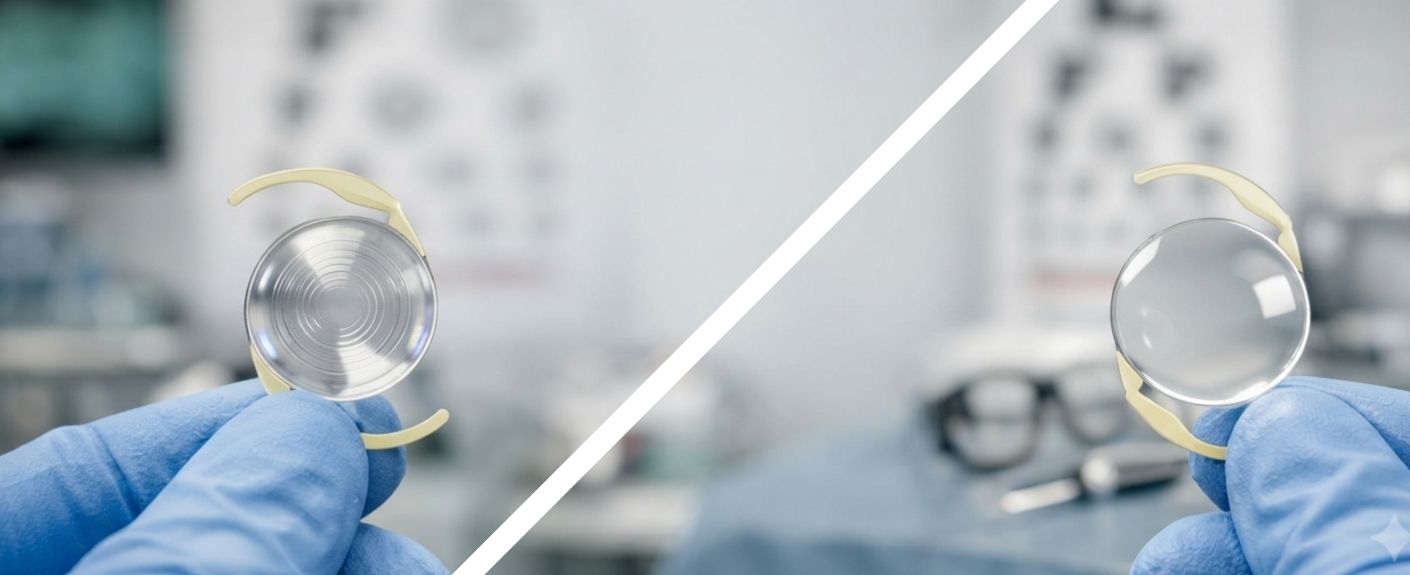
An extended depth of focus or EDOF lens is an intraocular lens designed to extend the range of clear vision after cataract surgery. It generally provides useful distance and intermediate vision while reducing dependence on glasses for activities such as computer work.
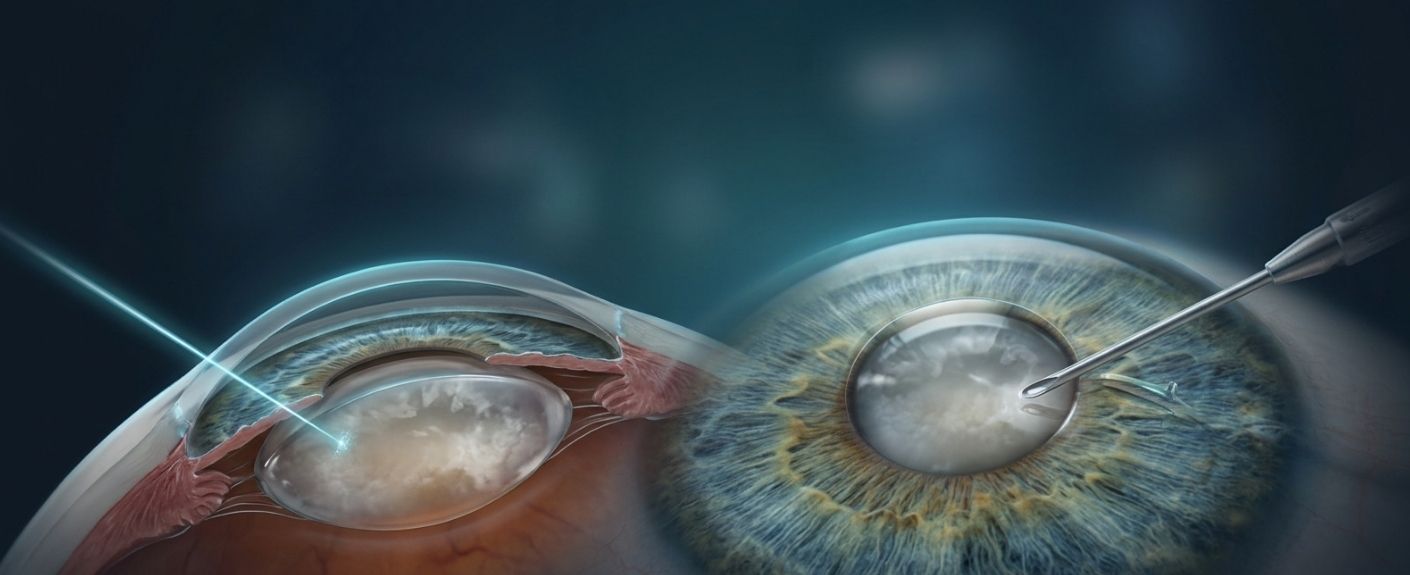
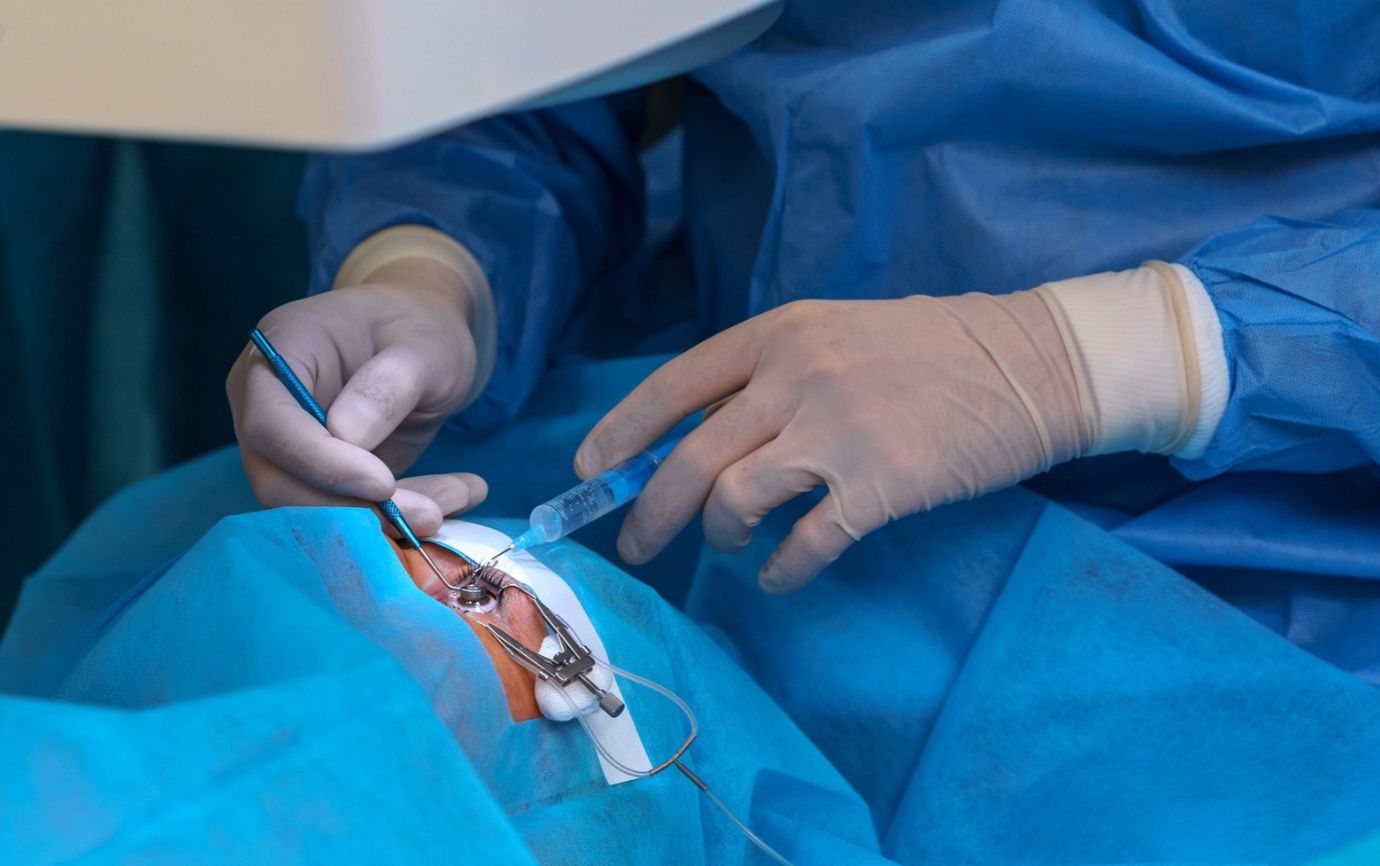
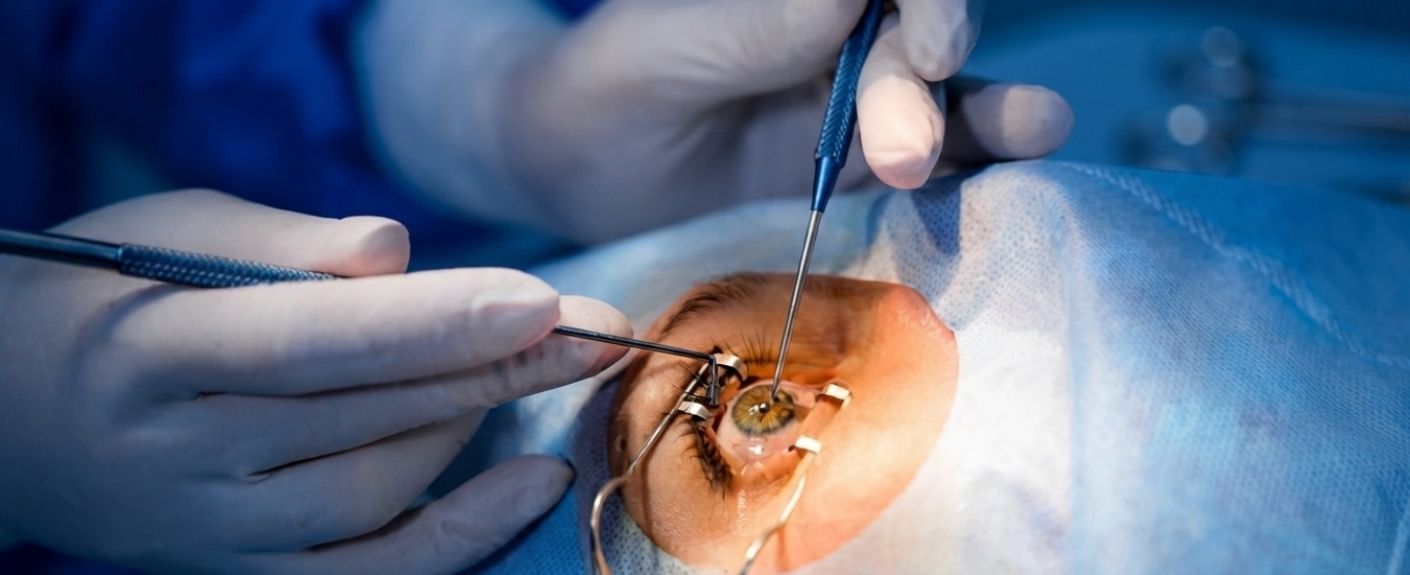
During cataract surgery, the cloudy natural lens is removed and replaced with an artificial IOL. Different IOL designs distribute or manipulate light differently, which affects the range of vision they can provide.
With an EDOF lens, patients may be able to see:
- Road signs and objects at a distance
- Car dashboards and navigation displays
- Computer and laptop screens
- Many objects at arm's length
Very close tasks, such as reading small print or threading a needle, may still require reading glasses. The exact visual range also differs between individual EDOF lens designs and patients.
Are EDOF Lenses Good for Night Driving?
EDOF lenses can be suitable for some people who regularly drive at night because they provide distance vision along with useful intermediate vision. However, suitability depends on eye health, visual expectations and tolerance for possible glare or halos.
Night driving relies on more than standard distance visual acuity. Drivers also need sufficient contrast sensitivity to identify pedestrians, lane markings and objects when illumination is limited.
EDOF lenses can support two particularly relevant visual ranges:
- Distance vision: Helps with road signs, traffic signals and vehicles ahead.
- Intermediate vision: Helps with the dashboard, navigation system and other controls inside the car.
EDOF lens should not be selected simply because someone drives at night. The ophthalmologist also needs to assess the eye and understand how frequently and under what conditions the person drives.
Can EDOF Lenses Cause Halos or Glare at Night?
Yes. Some patients may notice halos, glare or starburst-like effects around headlights and streetlights after receiving an EDOF lens. Their frequency and intensity vary with the lens design, eye characteristics and individual visual adaptation.
These effects become particularly noticeable at night because the surroundings are dark while vehicle headlights and other light sources are bright.
Patients may describe:
- Halos: Rings around headlights or other lights
- Glare: Excess brightness that makes surrounding objects harder to see
- Starbursts: Rays extending outward from a light source
- Reduced contrast: Difficulty distinguishing an object from a dark background
Some people also adapt to visual phenomena over time as the visual system becomes accustomed to the new optical pattern. Persistent or troublesome symptoms should still be assessed rather than assumed to be part of normal adaptation.
EDOF vs Trifocal vs Monofocal Lenses for Night Driving
Monofocal, EDOF and trifocal IOLs offer different balances between visual range and spectacle independence. For frequent night drivers, the choice involves considering distance vision, intermediate requirements and the possibility of light-related visual disturbances.
| Lens Type | Distance Vision | Intermediate Vision | Near Vision | Night-Vision Consideration |
| Monofocal | Good at the chosen distance | Glasses may be required | Reading glasses usually required | Generally fewer light-related visual phenomena |
| EDOF | Good | Good | Reading glasses may be needed for small print | Halos or glare can occur; design matters |
| Trifocal | Good | Good | Good | Halos and glare may be more noticeable in some patients |
EDOF and trifocal lenses should not be treated as interchangeable. Trifocal lenses aim to provide distance, intermediate and near focal ranges, which may reduce dependence on reading glasses.
EDOF lenses generally place greater emphasis on maintaining a continuous range from distance into intermediate vision. A person who spends considerable time reading without glasses may therefore have different priorities from someone who frequently drives after dark and works on a computer.
What Affects Night Vision After EDOF Lens Surgery?
Night vision after EDOF implantation depends on the entire visual system, not only the type of artificial lens. Residual spectacle power, astigmatism, the corneal surface and retinal health can all affect visual quality in low light.
Factors that may contribute include:
- Residual refractive error: Even a small remaining spectacle prescription can affect sharpness, particularly at night.
- Astigmatism: Uncorrected astigmatism may cause blurred or distorted lights.
- Dry eye: An unstable tear film can cause fluctuating vision and increased glare.
- Corneal irregularities: Changes in the corneal surface can interfere with how light enters the eye.
- Pupil size: Pupil changes in dim conditions may influence how some optical effects are perceived.
- Posterior capsule opacification: Clouding behind the IOL can develop after cataract surgery and reduce visual clarity.
- Retinal or optic nerve disease: Conditions affecting these structures may reduce contrast or visual quality even when the IOL itself is functioning correctly.
For this reason, troublesome night vision after cataract surgery should be evaluated rather than automatically attributed to the EDOF lens.
How is the Right Lens Selected Before Cataract Surgery?
The right IOL is selected after examining the eye and discussing how the patient uses their vision in everyday life. Driving habits, computer use, reading needs, existing eye conditions and expectations about glasses should all form part of the decision.
Before recommending an EDOF or another type of lens, assessment may include:
- Measurement of the eye for IOL power calculation
- Corneal evaluation
- Assessment of astigmatism
- Examination of the retina and optic nerve when indicated
- Evaluation of the ocular surface
- Discussion of previous eye surgery or other eye disease
Surya Eye Hospital offers EDOF, trifocal, toric, and other IOL options as part of its cataract services and states that lens and surgical approach are selected during patient evaluation. Its cataract facilities also list optical biometry and other diagnostic systems used in preoperative eye assessment.
What Should You Expect When Driving at Night After Cataract Surgery?
Night driving should resume only after vision has recovered adequately and the treating ophthalmologist considers it safe. Temporary blur, glare, light sensitivity or altered perception of lights may occur during the early recovery period.
Patients should not assume that being comfortable indoors means their vision is ready for driving after dark. Night conditions place additional demands on contrast and light adaptation.
Before returning to night driving:
- Attend the recommended postoperative examinations.
- Use prescribed eye drops as directed.
- Wear glasses if a residual prescription is advised.
- Avoid driving when vision still feels blurred or unstable.
- Discuss persistent halos or glare with the ophthalmologist.
Recovery varies between patients, so a fixed number of days cannot determine when every person can safely drive.
When Should Night-Vision Problems Be Checked?
Persistent or worsening glare, blurred vision, reduced contrast or difficulty seeing safely at night should be evaluated by an ophthalmologist. These symptoms do not necessarily mean that the EDOF lens itself is unsuitable.
Dry eye, remaining refractive error, astigmatism or posterior capsule opacification can sometimes affect vision after surgery. Other corneal, retinal or optic nerve conditions may also contribute.
Sudden loss of vision, increasing eye pain, marked redness, new flashes or a sudden increase in floaters require prompt medical assessment rather than waiting for a routine follow-up.
Frequently Asked Questions
Do EDOF lenses cause halos while driving at night?
Yes, some people may notice halos, glare or starbursts around headlights after EDOF lens implantation. Their severity varies between lens designs and individuals, and some symptoms may become less noticeable as visual adaptation occurs after surgery.
Are EDOF lenses better than trifocal lenses for night driving?
Neither lens is universally better for every night driver. EDOF lenses generally emphasise distance and intermediate vision, while trifocal lenses add stronger near vision. The appropriate choice depends on night-driving frequency, reading requirements, eye health and visual expectations.
Can I drive at night immediately after EDOF cataract surgery?
No. Driving should resume only after vision has recovered sufficiently and your ophthalmologist considers it safe. Early postoperative blur, light sensitivity or glare may interfere with driving, even if vision already seems comfortable during normal daytime activities.
Will I need glasses for driving after getting an EDOF lens?
Some patients can drive without glasses after EDOF lens implantation, but this cannot be guaranteed. Residual refractive error or astigmatism may require glasses to optimise distance vision, particularly when clear, high-quality vision is needed after dark.
How long does it take to adjust to an EDOF lens?
Adjustment varies between individuals and depends partly on the EDOF design and visual system. Some patients notice visual phenomena early after surgery that become less bothersome with adaptation, while persistent glare, halos or blur should be clinically evaluated.
Get expert guidance on lens choices, surgery planning and the approach suited to your vision needs.