

Vision correction helps people see clearly and manage daily activities comfortably. Many people compare contact lenses vs glasses before choosing the right option for their lifestyle, work needs, and eye health. Both options improve vision effectively, but each comes with unique advantages and limitations.
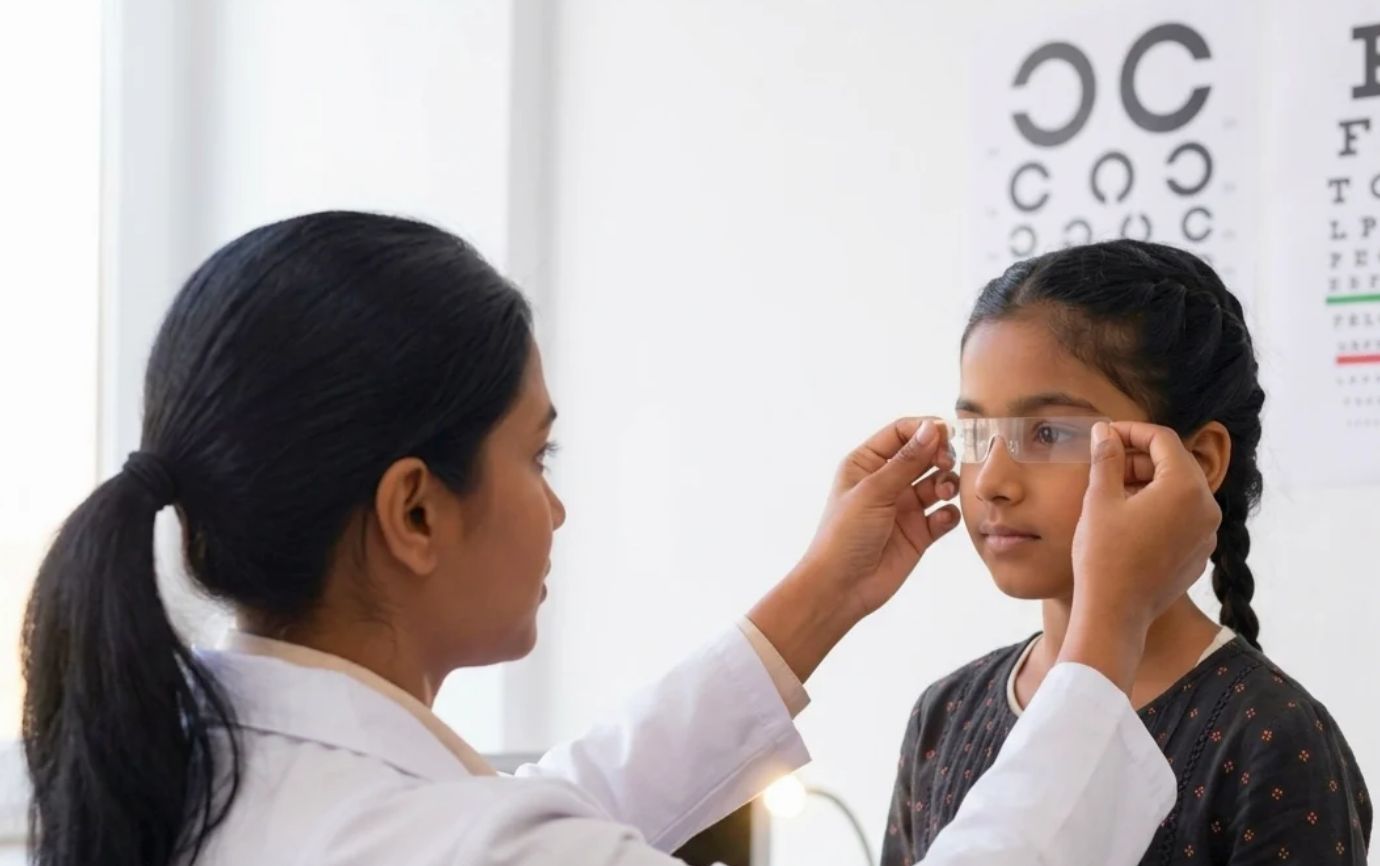
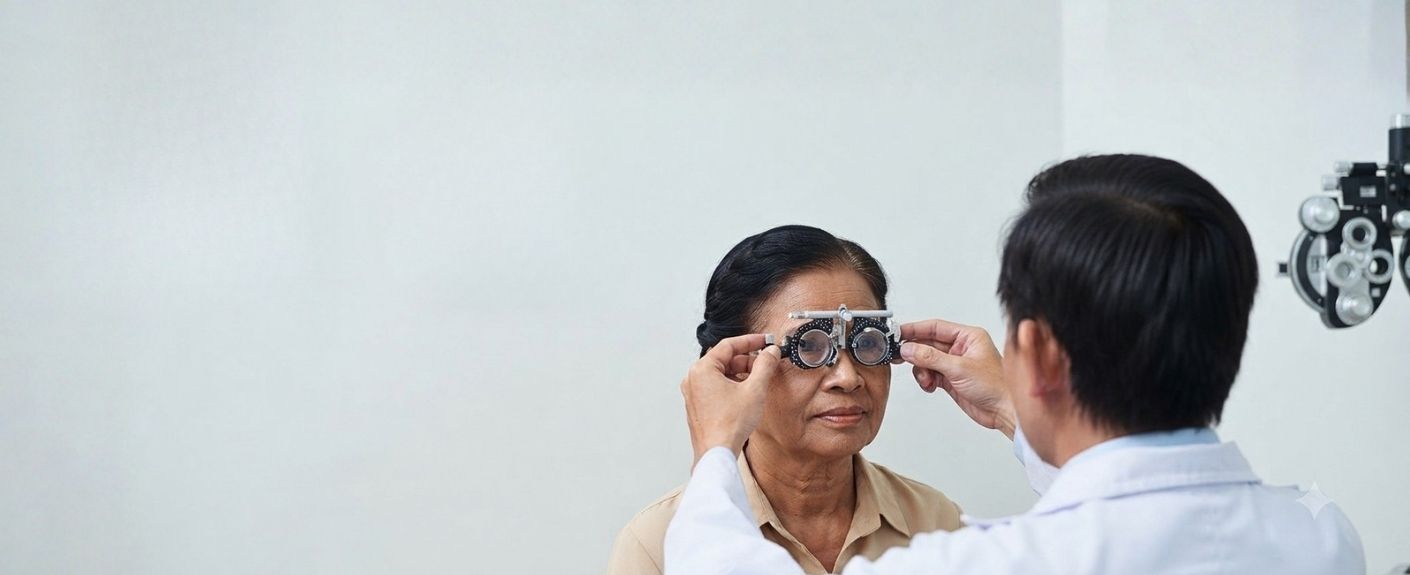
A professional eye examination remains important before selecting either option. Many patients consult a trusted eye specialist in Mumbai at Surya Eye Hospital to determine which vision correction method best suits their lifestyle and eye condition.
This article explains the benefits, drawbacks, costs, safety factors, and suitability of each option. It also answers common concerns about eye health and long-term use.
Contact Lenses vs Glasses: What Is the Difference?
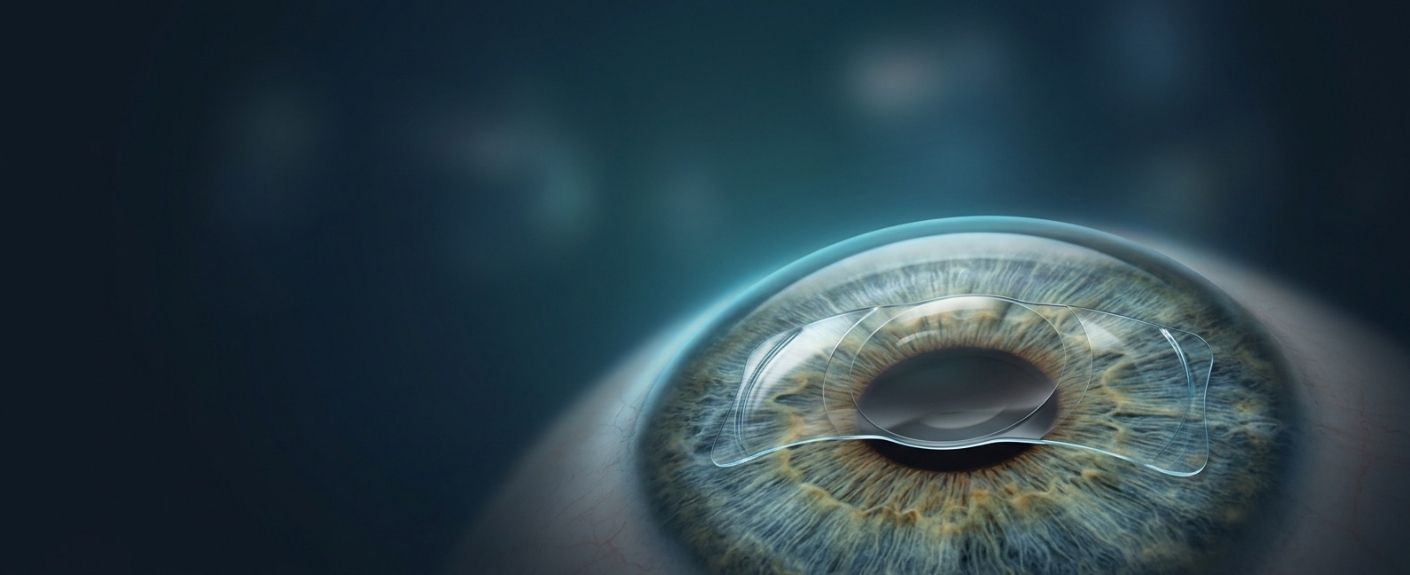
Contact lenses sit directly on the eye surface, while glasses rest on the nose and ears. Both correct refractive errors such as nearsightedness, farsightedness, and astigmatism.
Glasses use external lenses placed in front of the eyes. Contact lenses float on the tear film covering the cornea. Since contact lenses move with the eye, they provide a natural field of vision.
Both glasses and contact lenses can correct:
- Myopia (nearsightedness)
- Hyperopia (farsightedness)
- Astigmatism
- Presbyopia (age-related near vision problems)
Eye specialists recommend different options depending on eye condition, age, and lifestyle.
Are Contact Lenses Better Than Glasses?
When people wonder, “Are Contact Lenses Better Than Glasses?”, the answer mainly depends on comfort, convenience, and individual eye health.
Contact lenses provide wider peripheral vision and do not fog during temperature changes. Glasses remain easier to maintain and may reduce eye irritation risk. Neither option is universally better for everyone.
Contact lenses may work better for:
- Sports and physical activities
- Outdoor work
- Cosmetic preferences
- Wide-angle vision needs
- Wearing sunglasses easily
Glasses may suit people who:
- Have dry eyes
- Experience eye allergies
- Prefer low-maintenance vision correction
- Spend long hours on screens
- Want a more affordable long-term option
Benefits of Contact Lenses
Contact lenses provide natural vision correction without frames blocking side vision. Many users prefer them for appearance and active lifestyles. Some advantages of using contact lenses may be as follows:
- Wider field of vision
- Better compatibility with sports helmets and protective gear
- No fogging during weather changes
- No pressure marks on the nose
- More natural appearance
- Better performance during exercise
Types of Contact Lenses
Different contact lenses serve different vision needs.
| Type of Contact Lens | Purpose |
| Soft lenses | Daily comfort and flexible wear |
| Rigid gas permeable lenses | Sharper vision correction |
| Toric lenses | Astigmatism correction |
| Multifocal lenses | Age-related near vision problems |
| Daily disposable lenses | Reduced cleaning needs |
Benefits of Glasses
Glasses provide simple and reliable vision correction. They require less direct eye contact and lower infection risk. Some advantages of using glasses may be as follows:
- Easy to wear and remove
- Lower maintenance requirements
- No direct contact with the eye surface
- Reduced risk of eye infections
- Stylish frame options
- Long-term durability
Many people also use glasses to reduce screen glare through blue-light filtering lenses.
Contact Lenses vs Glasses: Maintenance Comparison
Contact lenses require daily cleaning, proper storage, and regular replacement to prevent eye infections. Glasses need less maintenance and usually only require occasional cleaning and frame adjustments.
The following table compares contact lenses and glasses based on their maintenance:
| Feature | Contact Lenses | Glasses |
| Cleaning routine | Daily cleaning required | Basic lens wiping |
| Replacement schedule | Frequent replacement needed | Long-lasting |
| Infection risk | Higher if hygiene is poor | Very low |
| Portability | Small and travel-friendly | Easier to misplace |
| Maintenance cost | Recurring expenses | Lower recurring cost |
Are Contact Lenses Safe for Everyday Use?
Yes, contact lenses are safe when used correctly and under medical guidance. Proper hygiene reduces infection risk significantly.
Eye specialists advise:
- Washing hands before handling lenses
- Avoiding overnight wear unless prescribed
- Replacing lenses as directed
- Cleaning storage cases regularly
- Avoiding water exposure while wearing lenses
Ignoring lens care instructions may increase the risk of corneal infections.
Who Should Avoid Contact Lenses?
Some people may not tolerate contact lenses comfortably. Eye conditions and lifestyle habits influence suitability. People who may struggle with contact lenses include:
- Individuals with severe dry eyes
- People with frequent eye infections
- Patients with uncontrolled allergies
- Those unable to maintain proper hygiene
- People working in dusty environments
An eye specialist can determine the safest option after a detailed eye examination.
Cost Comparison: Contact Lenses vs Glasses
Both contact lenses and glasses involve different long-term expenses. Glasses usually require a one-time investment, while contact lenses need regular replacements and cleaning products. The total cost depends on prescription type, lens quality, replacement frequency, and brand selection.
The following table compares the overall costs, maintenance needs, and long-term expenses associated with contact lenses and glasses.
| Expense Factor | Contact Lenses | Glasses |
| Initial Cost | Lower starting cost | Higher upfront cost |
| Replacement Frequency | Regular replacement required | Replaced less frequently |
| Maintenance Products | Cleaning solution and cases needed | Minimal maintenance products |
| Long-Term Cost | Higher recurring expenses | More cost-effective long term |
| Eye Check-Ups | Frequent lens fitting checks may be needed | Routine eye exams mainly required |
| Risk of Damage | Lenses can tear or get lost easily | Frames or lenses may break |
| Customization Costs | Specialty lenses increase cost | Premium frames and coatings increase cost |
Can You Use Both Contact Lenses and Glasses?
Yes, many people use both options together for convenience and eye comfort. This combination gives flexibility for different situations.
For example:
- Contact lenses for outdoor activities
- Glasses for screen work at home
- Glasses during eye irritation episodes
- Contacts during social events
Eye specialists may recommend alternating between both to reduce eye strain.
Tips for Choosing Between Contact Lenses and Glasses
Choosing between contact lenses and glasses depends on your lifestyle, comfort, and eye health. Contact lenses may suit active individuals, while glasses offer easier maintenance and a lower risk of eye irritation.
Consider contact lenses if you:
- Play sports regularly
- Prefer a frameless appearance
- Need unrestricted side vision
- Wear protective headgear frequently
Consider glasses if you:
- Have sensitive or dry eyes
- Want simpler maintenance
- Prefer lower infection risk
- Need affordable long-term correction
Conclusion
The discussion around contact lenses vs. glasses does not have a single correct answer. Both options provide effective vision correction and improve daily life significantly.
Contact lenses offer flexibility, natural vision, and cosmetic benefits. Glasses provide convenience, safety, and easier maintenance. The best choice depends on your eye health, comfort, work environment, and personal preference.
An eye specialist can help determine the safest and most comfortable option through a complete eye evaluation.
FAQs
Are contact lenses better than glasses for daily use?
Contact lenses may feel more convenient for active lifestyles and sports. Glasses remain easier to maintain and safer for people with sensitive eyes. Daily suitability depends on eye health, comfort, hygiene habits, and work requirements. Many people use both options together for flexibility and better visual comfort.
Can contact lenses damage the eyes permanently?
Contact lenses rarely cause permanent damage when used correctly. Problems mainly develop due to poor hygiene, overwearing, or sleeping with lenses improperly. Serious infections can affect the cornea if ignored. Regular eye check-ups and proper lens care help maintain eye safety and reduce complications significantly.
Which is more affordable: contact lenses or glasses?
Glasses usually cost less over several years because they last longer with minimal maintenance. Contact lenses require recurring purchases, cleaning solutions, and replacements. However, total expenses vary depending on lens type, brand, frame selection, and prescription changes over time for each individual.
Can children wear contact lenses safely?
Yes, children can wear contact lenses safely under supervision and proper hygiene practices. Eye specialists evaluate maturity, responsibility, and eye health before recommending them. Daily disposable lenses may reduce infection risk. Glasses remain a preferred option for many younger children because maintenance is easier.
Do contact lenses provide better vision than glasses?
Contact lenses may provide sharper peripheral vision because they move with the eye naturally. Glasses can sometimes distort side vision slightly due to frame positioning. Vision quality also depends on prescription accuracy, lens material, and eye condition. Both options effectively correct common refractive errors safely.
Is it okay to switch between glasses and contact lenses?
Yes, switching between glasses and contact lenses is completely safe for most people. Many individuals alternate depending on comfort, activities, or screen usage. Wearing glasses occasionally may also help reduce dryness and irritation from prolonged contact lens use while giving the eyes time to rest.
Get clear, personalized guidance on your symptoms, diagnosis or recommended treatment.