

Cataracts and glaucoma are two of the most common eye conditions that affect adults as they grow older. Many people develop both conditions at the same time, which can make treatment planning more complicated.
Cataracts cause cloudy vision, while glaucoma damages the optic nerve because of increased pressure inside the eye. Since both conditions affect eyesight in different ways, patients wonder whether cataract surgery is safe if they already have glaucoma.
Cataract surgery can improve vision and, in some cases, even help reduce eye pressure. However, the treatment approach depends on the type and severity of glaucoma. Eye specialists carefully examine the patient’s condition before deciding on the best surgical plan.
Some people may only need cataract surgery, while others may benefit from combined procedures that treat both cataracts and glaucoma. best for them.
Cataracts and Glaucoma
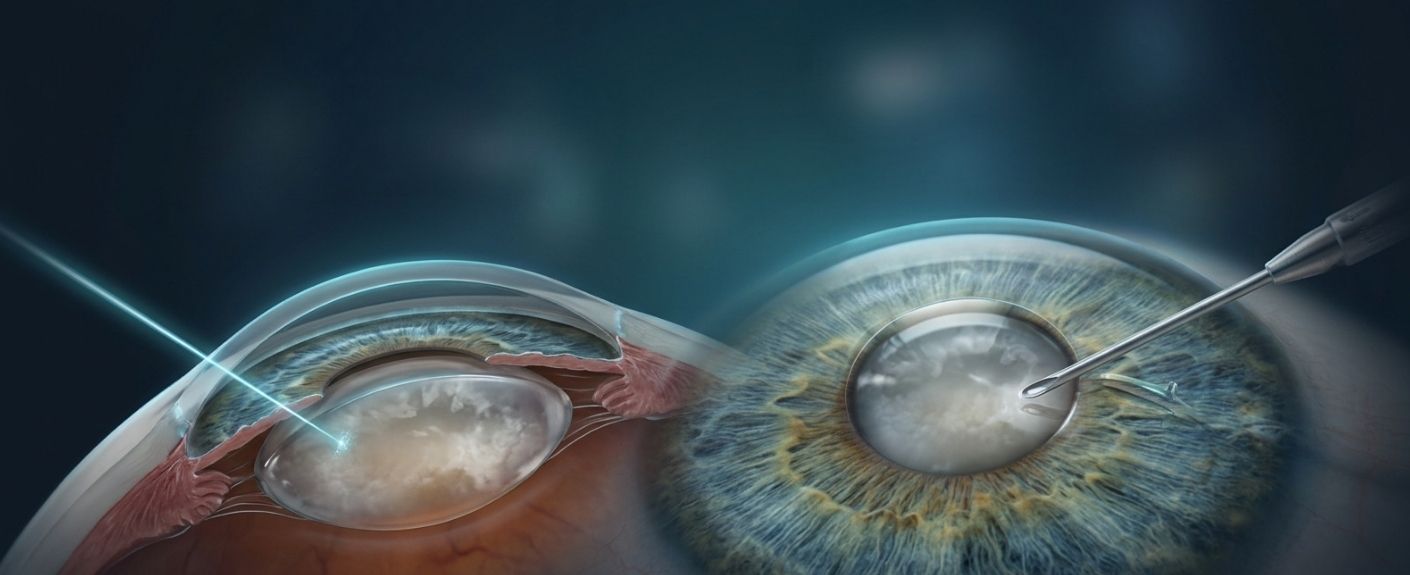
A cataract develops when the natural lens inside the eye becomes cloudy. This cloudiness blocks light from passing clearly through the lens, which leads to blurry or dull vision. Cataracts usually form slowly and may affect one or both eyes.
Glaucoma is different. It damages the optic nerve, which sends visual signals from the eye to the brain. High pressure inside the eye is one of the main causes, though some people can develop glaucoma even with normal eye pressure.
Both conditions become more common with age. Diabetes, family history, eye injury, and long-term steroid use can also increase the risk.
Can Cataract Surgery Be Done in Patients with Glaucoma?
Yes, cataract surgery can usually be done safely in patients with glaucoma. In fact, many glaucoma patients experience clearer vision and mild pressure reduction after surgery.
However, the success of surgery depends on several factors, including:
- The type of glaucoma
- The stage of optic nerve damage
- Current eye pressure
- Previous eye surgeries
- Overall eye health
An eye specialist evaluates all these details before recommending surgery. Patients with mild or well-controlled glaucoma respond very well to cataract surgery.
How Cataract Surgery Affects Eye Pressure
Cataract surgery may help lower eye pressure in some patients. This effect is more noticeable in people with angle-closure glaucoma, where the cataract itself contributes to pressure buildup.
During surgery, the cloudy lens is removed and replaced with an artificial lens. This creates more space inside the eye, which can improve fluid drainage and reduce pressure.
Still, cataract surgery is not considered a permanent glaucoma treatment. Some patients may continue to need eye drops or other glaucoma procedures even after surgery.
Types of Glaucoma and Their Impact on Surgery
Glaucoma can be of different types, and the way the types affect the treatment or recovery pattern is not the same for all cases.
1. Open-Angle Glaucoma
This is the most common type of glaucoma. The drainage angle remains open, but fluid does not drain properly. Patients with open-angle glaucoma undergo routine cataract surgery with good outcomes.
In some cases, doctors may combine cataract surgery with minimally invasive glaucoma surgery to better control pressure.
2. Angle-Closure Glaucoma
Angle-closure glaucoma occurs when the drainage angle becomes blocked. Cataracts can worsen this blockage because the lens becomes thicker with age.
Cataract surgery helps these patients significantly because removing the lens opens up the drainage angle and lowers pressure.
3. Advanced Glaucoma
Patients with severe optic nerve damage need extra care during surgery. Even small pressure fluctuations during or after surgery can affect the remaining vision.
Doctors monitor these patients closely before and after the procedure.
What Happens During Cataract Surgery?
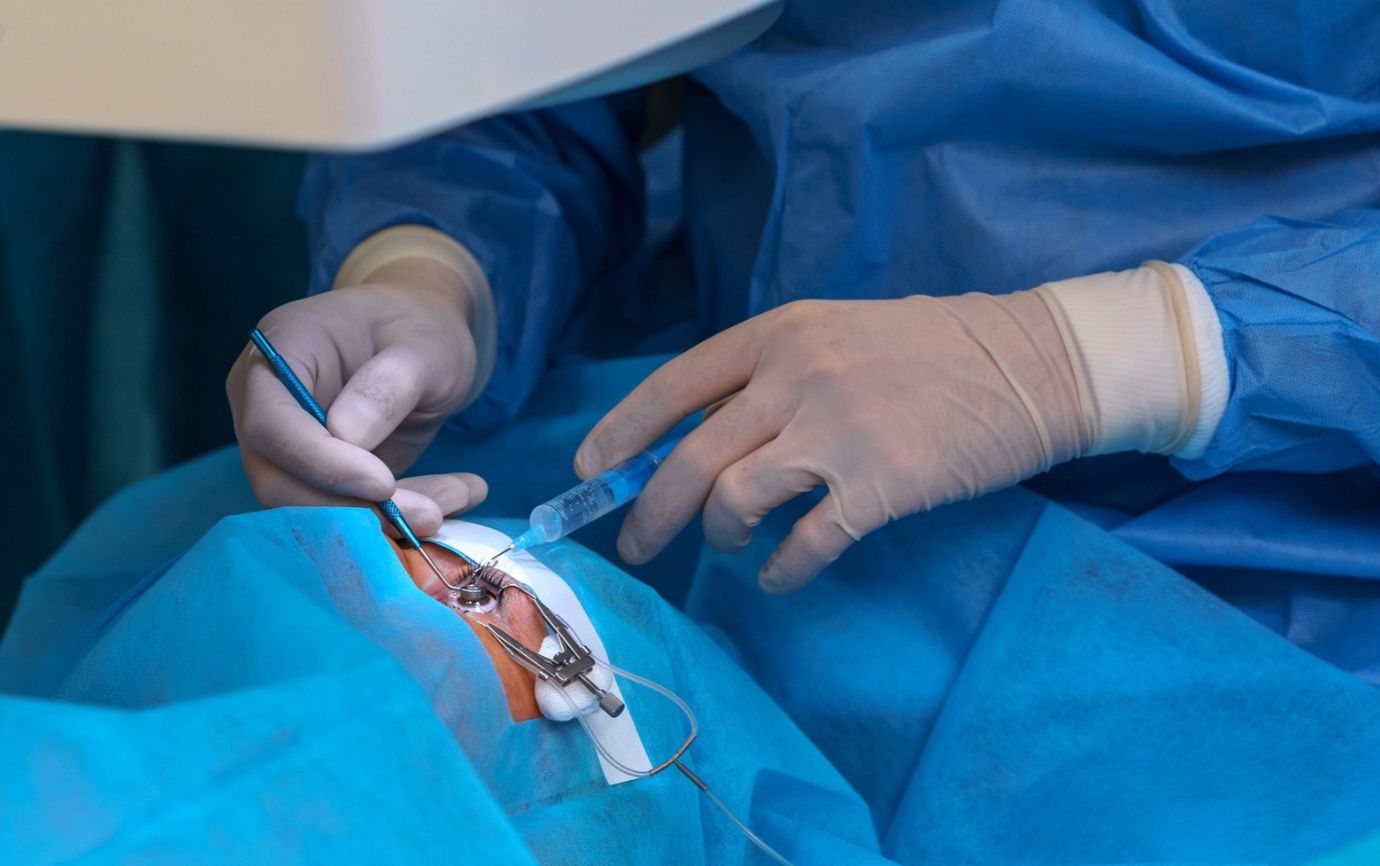
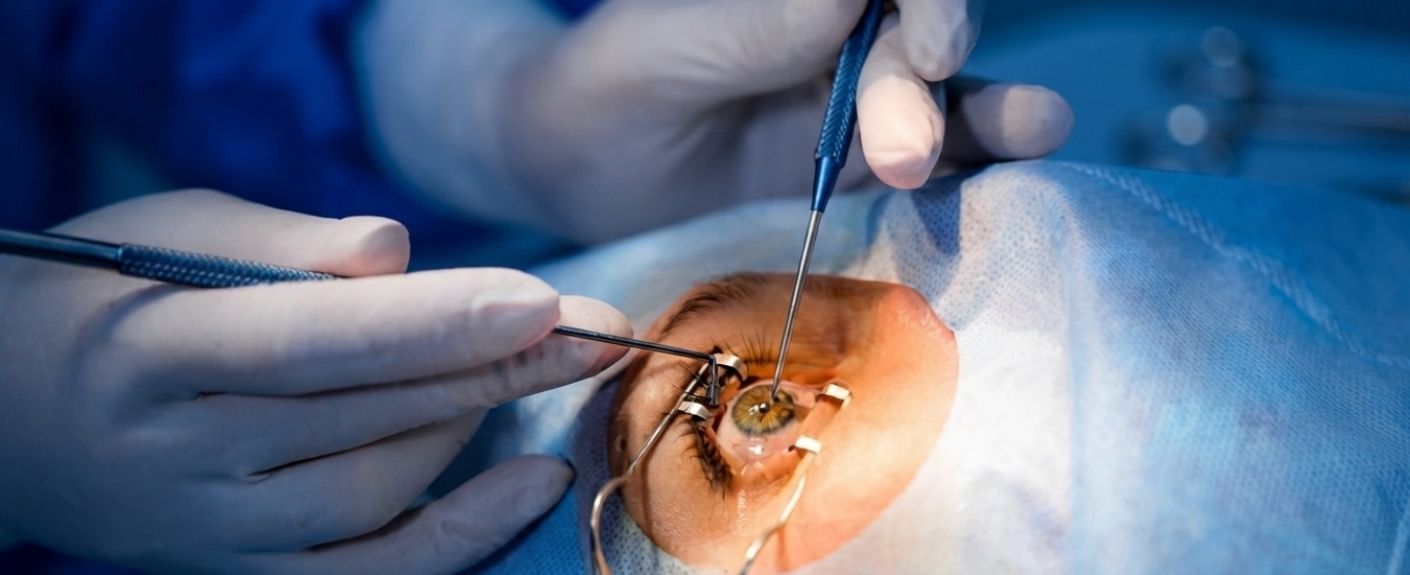
Cataract surgery is usually a quick outpatient procedure. Most surgeries take about 15 to 30 minutes.
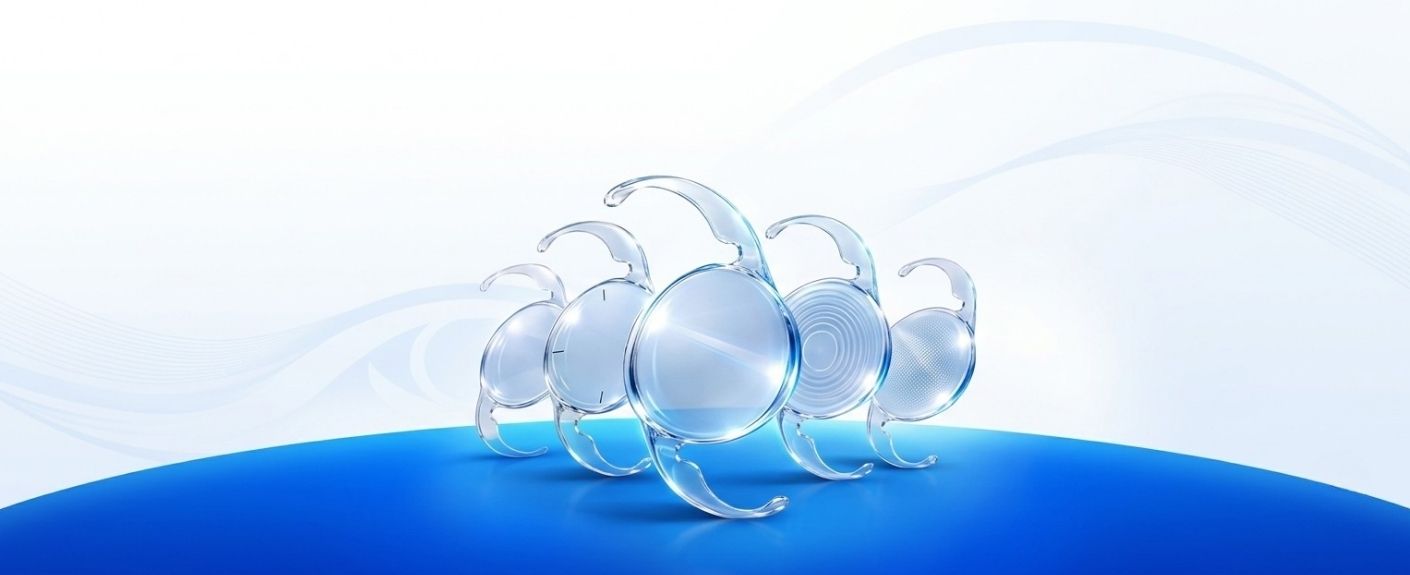
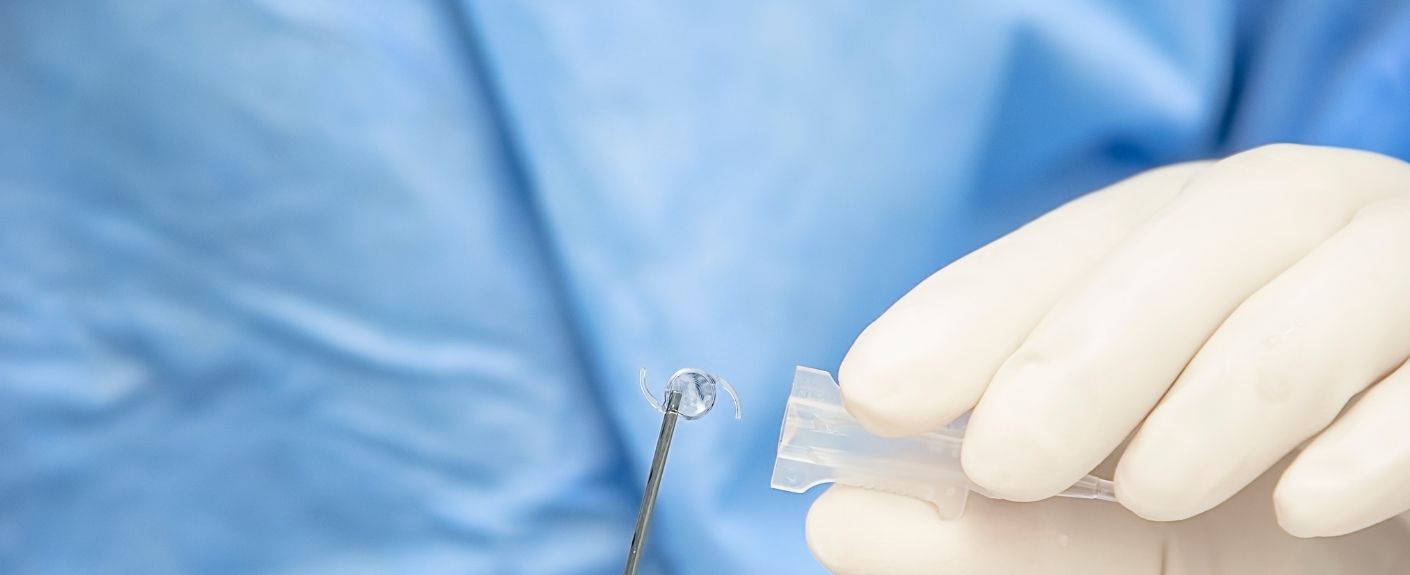
The surgeon removes the cloudy lens through a tiny incision and replaces it with a clear artificial lens called an intraocular lens.
Patients remain awake during surgery but receive numbing eye drops and mild sedation for comfort.
Recovery is generally smooth, though glaucoma patients may require closer follow-up visits.
Combined Cataract and Glaucoma Surgery
Some patients benefit from treating both conditions during the same operation. This approach can reduce the need for multiple surgeries and may help lower long-term eye pressure.
Common combined procedures include:
- Cataract surgery with trabeculectomy
- Cataract surgery with glaucoma drainage devices
- Cataract surgery with minimally invasive glaucoma surgery
The choice depends on the severity of glaucoma and the patient’s pressure goals.
What Is Minimally Invasive Glaucoma Surgery?
Minimally invasive glaucoma surgery, or MIGS, includes newer procedures designed to lower eye pressure with less tissue damage and faster recovery.
Doctors perform MIGS along with cataract surgery in patients with mild to moderate glaucoma.
Benefits may include:
- Reduced dependence on eye drops
- Lower risk compared to traditional glaucoma surgery
- Faster healing
- Better pressure control
Not every patient is a candidate for MIGS, so a detailed eye examination is important.
Preparing for Cataract Surgery with Glaucoma
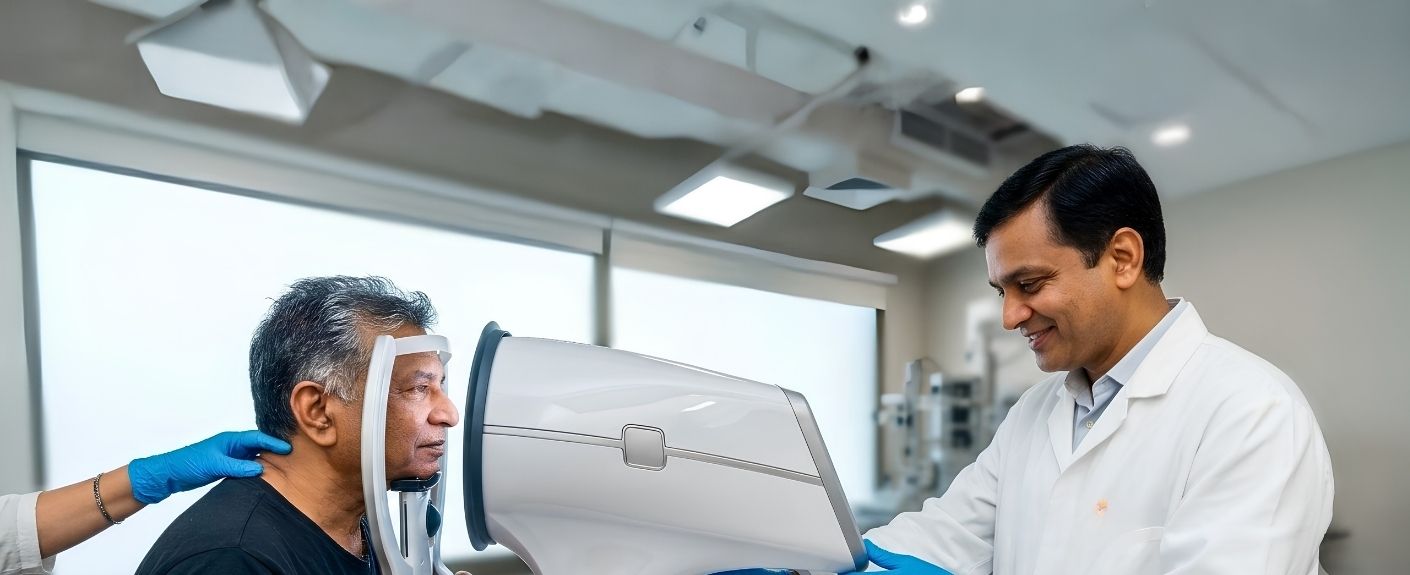
Patients need a complete eye evaluation before surgery. The doctor checks vision, eye pressure, optic nerve health, and the condition of the retina.
Patients should inform the surgeon about:
- All eye medications
- Previous eye surgeries
- Other health conditions, like diabetes or hypertension
- Allergies to medicines
Some glaucoma medications may need adjustment before surgery.
Recovery After Cataract Surgery
Most patients notice better vision within a few days, though complete healing may take several weeks.
Doctors usually prescribe:
- Antibiotic eye drops
- Anti-inflammatory drops
- Pressure-lowering medications, if needed
Patients should avoid heavy lifting, rubbing the eyes, and swimming during recovery.
Follow-up appointments are especially important for glaucoma patients because eye pressure can fluctuate after surgery.
Possible Risks and Complications
Cataract surgery is generally safe, but glaucoma patients may face certain additional risks.
These can include:
- Temporary increase in eye pressure
- Inflammation
- Swelling inside the eye
- Infection
- Progression of glaucoma damage
Patients with advanced glaucoma have a higher risk of vision loss if pressure spikes occur after surgery. This is why regular monitoring is essential.
Will Cataract Surgery Cure Glaucoma?
No cataract surgery can cure glaucoma. It may help lower eye pressure in some cases, but glaucoma remains a lifelong condition that requires ongoing care.
Patients should continue regular eye checkups even if their vision improves after surgery.
Early diagnosis and consistent treatment remain the best ways to protect eyesight from glaucoma damage.
Signs You May Need Cataract Surgery
Many people delay treatment because cataracts develop slowly. However, surgery may become necessary if vision problems begin affecting daily life.
Common signs include:
- Blurry or cloudy vision
- Difficulty reading
- Trouble driving at night
- Increased glare from lights
- Frequent changes in eyeglass prescription
- Faded colors
If glaucoma is also present, doctors may recommend earlier cataract surgery to help manage pressure and preserve vision.
Choosing the Right Eye Surgeon
An experienced eye surgeon is very important, especially for patients with both cataracts and glaucoma.
Look for a specialist who:
- Has experience treating glaucoma patients
- Performs combined procedures if needed
- Uses modern diagnostic technology
- Explains risks and benefits clearly
Patients should feel comfortable asking questions and discussing treatment options in detail.
Read More:
- Cataract: Causes, Symptoms & Treatment
- 3 Types of Cataract Surgery: Phaco vs Laser vs Manual (Which One is Right?)
Lifestyle Tips After Surgery
Healthy habits can support long-term eye health after surgery. Patients should:
- Use medications regularly
- Attend all follow-up visits
- Wear sunglasses outdoors
- Control diabetes and blood pressure
- Avoid smoking
- Eat foods rich in vitamins and antioxidants
These steps help protect vision and support overall eye health.
Conclusion
Cataract surgery for patients with glaucoma requires careful planning, but it can greatly improve quality of life when done at the right time. Advances in eye care now allow doctors to treat cataracts and glaucoma together in many cases, which can improve vision and help control eye pressure more effectively.
The key is early diagnosis, regular monitoring, and choosing the right treatment approach based on the patient’s individual eye condition. Patients should not ignore changes in vision or delay medical care out of fear.
Frequently Asked Questions
Can glaucoma get worse after cataract surgery?
In some cases, eye pressure can temporarily rise after cataract surgery, which may affect glaucoma control. Your ophthalmologist will monitor your eye pressure and overall eye health closely after the procedure.
Is cataract surgery more risky for glaucoma patients?
Glaucoma patients may have additional considerations during and after cataract surgery, particularly when glaucoma is advanced. However, with appropriate planning and monitoring, cataract surgery can be safely performed in many patients with glaucoma.
Will I still need glaucoma eye drops after cataract surgery?
Many patients may still need glaucoma medications after cataract surgery. However, some people may require fewer eye drops depending on their eye pressure, the type of glaucoma and the treatment performed.
How long does recovery take after cataract surgery?
Many people notice an improvement in vision within the first few days after surgery, while complete healing and visual stabilisation may take several weeks. Recovery can vary depending on individual eye health and other conditions such as glaucoma.
Can both eyes be operated on together?
Cataract surgery is generally performed on one eye at a time. If both eyes require surgery, the second eye is usually operated on separately after the first eye has been assessed during recovery.
I am 45 and have glaucoma. Am I too young for cataract surgery?
No. Age alone does not determine whether cataract surgery is appropriate. If a cataract is significantly affecting vision or daily activities, your ophthalmologist can assess whether surgery is suitable based on your individual eye condition.
Does cataract surgery improve vision completely in glaucoma patients?
Cataract surgery can improve blurred or cloudy vision caused by a cataract. However, it cannot restore vision that has already been permanently lost due to glaucoma. The final visual outcome also depends on the severity of glaucoma and the overall health of the eye.
Get expert guidance on lens choices, surgery planning and the approach suited to your vision needs.