


Clear vision after cataract surgery is expected to last for many years. If your eyesight becomes blurry again after an initial period of improvement, it does not necessarily mean the surgery has failed or that the cataract has returned. In many cases, the cause is posterior capsule opacification (PCO), a common condition that can develop months or even years after surgery.
In this article, we explain why this happens, how secondary cataracts are diagnosed and treated, and what patients recovering from cataract surgery can expect. Patients considering cataract surgery in Mumbai can also discuss these concerns with the specialists at trusted eye care centres like Surya Eye Hospital before and after their procedure.
Can Cataracts Come Back After Surgery?
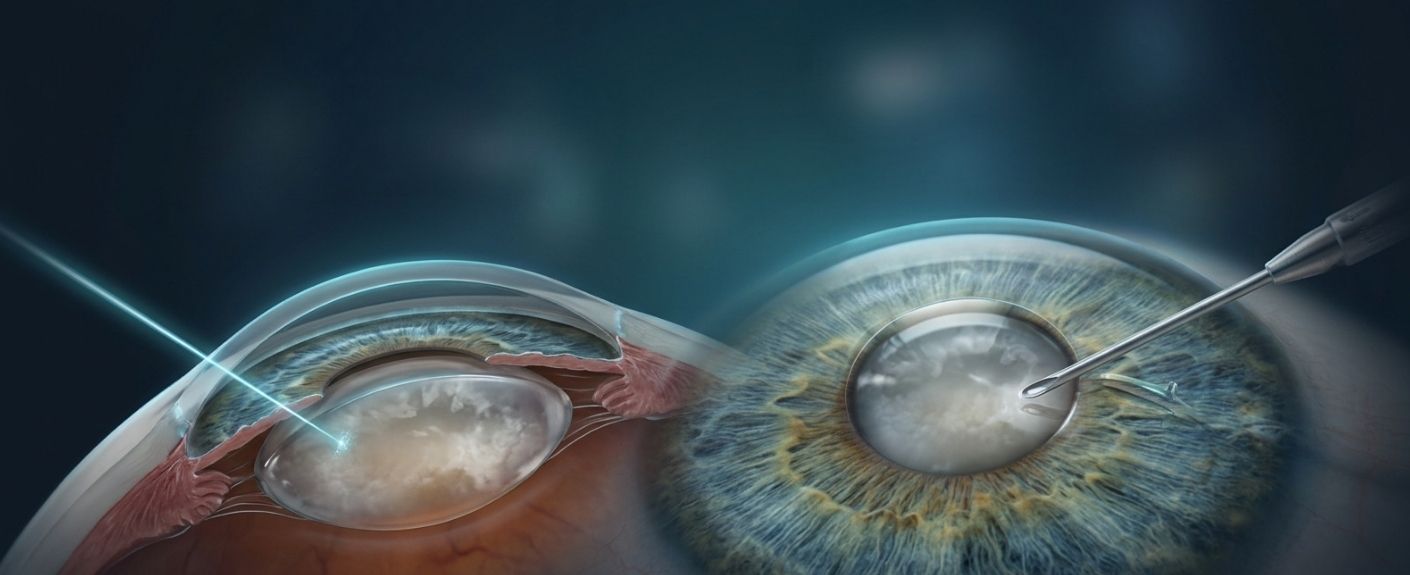
A cataract cannot come back because the cloudy natural lens is completely removed during cataract surgery. What many people call a "second cataract" is actually posterior capsule opacification, a common condition that affects the thin membrane left behind to support the artificial lens.
During cataract surgery:
- The surgeon removes the cloudy natural lens.
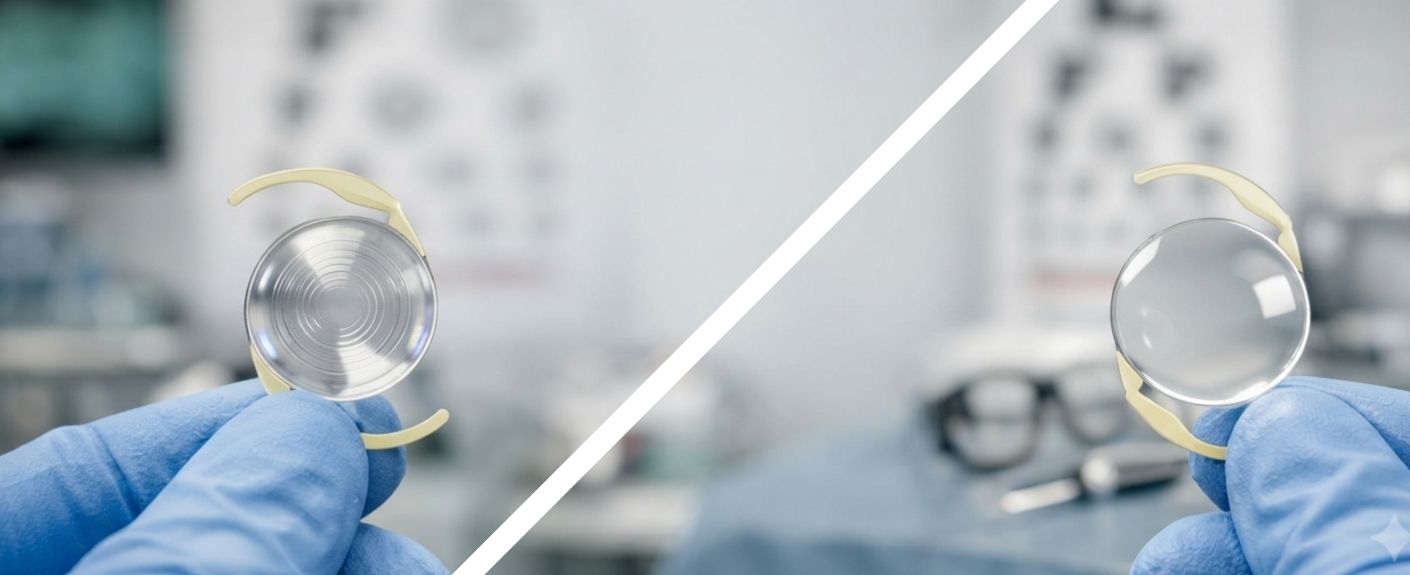
- A clear artificial intraocular lens (IOL) is implanted.
- Part of the natural lens capsule remains in place to hold the new lens securely.
Months or years later, the remaining capsule may become cloudy. This clouding scatters light entering the eye and produces symptoms that closely resemble cataracts, including blurred vision and glare. Since the original cataract has already been removed, this condition is not a new cataract.
Research suggests that posterior capsule opacification remains the most common long-term complication following cataract surgery despite advances in surgical techniques and lens design.
What is a Secondary Cataract?
A secondary cataract is another name for posterior capsule opacification. It develops when cells left behind after cataract surgery grow over the back portion of the lens capsule, making it cloudy.
The condition develops because:
- Lens epithelial cells naturally remain after surgery.
- These cells gradually multiply.
- They migrate across the posterior capsule.
- The capsule loses its transparency and blocks light from reaching the retina efficiently.
Unlike the original cataract, the artificial lens itself does not become cloudy. Instead, the membrane behind the lens causes vision to appear hazy.
Secondary cataracts are not caused by:
- Poor surgical technique
- The artificial lens failing
- Ageing of the implanted lens
- Doing normal daily activities during recovery
They represent a natural biological healing response that can occur even after an uncomplicated operation.
Why Do Secondary Cataracts Develop After Surgery?
Secondary cataracts develop because microscopic lens cells continue to grow after the cataract has been removed. These cells gradually cover the posterior capsule and reduce its clarity.
Several factors influence whether PCO develops.
- Age: Younger patients have more active lens cells, making them more likely to develop posterior capsule opacification.
- Surgical Technique: Modern cataract surgery has significantly lowered the incidence of PCO. Careful removal of lens material and advanced surgical methods reduce the remaining cell population.
- Type of Intraocular Lens: The design and material of the implanted lens influence how easily cells migrate across the capsule. Certain modern lenses have been associated with lower PCO rates.
- Other Eye Conditions: Inflammation inside the eye, diabetes, retinal disorders, or previous eye surgery may increase the likelihood of developing capsule clouding.
Although these factors influence risk, secondary cataracts cannot always be prevented.
When Can a Secondary Cataract Develop?
A secondary cataract may appear within months after surgery or several years later. The timing varies from person to person. Many patients maintain clear vision for years before noticing any changes.
The clouding develops gradually because:
- Lens cells multiply slowly.
- The capsule becomes progressively less transparent.
- Vision changes become noticeable only after enough clouding develops.
Some patients experience symptoms within six months, while others may never develop posterior capsule opacification.
Regular postoperative eye examinations help detect these changes before vision becomes significantly affected.
What Symptoms Should You Watch for During Recovery?
Mild fluctuations in vision are expected during the early recovery period after cataract surgery. However, vision that becomes cloudy again after initially improving deserves an eye examination.
Common symptoms of posterior capsule opacification include:
- Gradually blurred vision
- Reduced sharpness while reading
- Increased glare from headlights
- Halos around lights
- Difficulty driving at night
- Reduced contrast sensitivity
- Colours appearing less vibrant
These symptoms closely resemble those of the original cataract, which explains why many patients believe their cataract has returned.
Normal Recovery vs Secondary Cataract
| Normal Recovery | Secondary Cataract |
| Mild blur improves over days to weeks | Vision becomes blurry again after improving |
| Temporary light sensitivity | Increasing glare over time |
| Healing-related fluctuations | Progressive cloudiness |
| Gradual improvement | Gradual decline in vision |
| Improves with healing | Requires medical treatment |
If blurred vision develops suddenly, is associated with severe pain, flashes of light, or a curtain-like shadow, immediate evaluation is necessary because these symptoms may indicate conditions other than a secondary cataract.
How is a Secondary Cataract Diagnosed?
An ophthalmologist can usually diagnose posterior capsule opacification during a routine eye examination. The evaluation is painless and takes only a few minutes.
The examination may include:
- Visual acuity testing
- Slit-lamp examination
- Dilated retinal examination
- Assessment of the artificial lens position
- Measurement of intraocular pressure when needed
These tests help distinguish PCO from other causes of blurred vision, such as retinal disease, glaucoma, corneal swelling, or age-related macular degeneration.
If you continue to experience blurry vision after healing from surgery, an experienced cataract surgeon in Mumbai at Surya Eye Hospital can determine whether posterior capsule opacification or another eye condition is responsible.
How Are Secondary Cataracts Treated?
Secondary cataracts are treated with a YAG laser capsulotomy. This outpatient laser procedure creates a small opening in the cloudy capsule, allowing light to pass through clearly again.
The treatment is quick and does not involve another surgery because the artificial lens remains in place.
The procedure generally involves:
- Dilating the pupil with eye drops.
- Positioning the patient at a laser machine similar to the one used during eye examinations.
- Using a laser to create an opening in the cloudy posterior capsule.
- Checking the eye pressure after the procedure if required.
Patients who undergo premium cataract surgery in Mumbai at Surya Eye Hospital are advised to attend regular follow-up visits, as these help identify postoperative changes such as posterior capsule opacification early, should they occur.
What is Recovery Like After YAG Laser Treatment?
Recovery after YAG laser capsulotomy is usually fast. Most patients notice clearer vision within a few hours to a few days, although complete improvement may occasionally take longer depending on individual healing.
Immediately after treatment, patients may notice:
- Mild blurring from dilating drops
- Temporary floaters caused by tiny capsule fragments
- Mild light sensitivity for a short period
These symptoms generally settle without additional treatment.
Your ophthalmologist may recommend:
- Using prescribed eye drops if necessary
- Avoiding rubbing the eyes
- Attending a follow-up visit if advised
- Reporting any sudden vision loss or severe pain immediately
Unlike cataract surgery, recovery after laser capsulotomy usually does not involve significant restrictions on reading, walking, or other routine daily activities.
Can Secondary Cataracts Be Prevented?
Secondary cataracts cannot always be prevented because they result from natural healing inside the eye. However, advances in cataract surgery have reduced their frequency.
Several factors may lower the risk:
- Modern surgical techniques that remove more remaining lens cells
- High-quality intraocular lens designs
- Careful postoperative follow-up
- Prompt treatment of eye inflammation when present
Patients cannot prevent posterior capsule opacification through diet, eye exercises, supplements, or lifestyle changes.
Maintaining regular follow-up appointments remains the best way to identify vision changes early.
When Should You Contact Your Eye Surgeon During Recovery?
Most vision changes after cataract surgery improve steadily. However, certain symptoms require prompt medical attention rather than waiting for the next scheduled appointment.
Contact your ophthalmologist immediately if you experience:
- Sudden decrease in vision
- Severe eye pain
- Increasing redness
- Persistent flashes of light
- A large increase in floaters
- A curtain or shadow across your vision
- Significant swelling around the eye
These symptoms may indicate retinal detachment, infection, elevated eye pressure, or other complications rather than a secondary cataract.
Even if symptoms appear months or years after surgery, a comprehensive eye examination can determine the exact cause.
Conclusion
Cataracts do not return after surgery because the cloudy natural lens has already been removed. If your vision becomes blurry again after an initial period of clear sight, posterior capsule opacification is a much more likely explanation than a recurring cataract.
The good news is that secondary cataracts are easily diagnosed and are usually treated with a quick, painless YAG laser procedure that restores vision without another cataract operation. Staying alert to changes in your eyesight, following your recovery instructions, and attending regular follow-up appointments can help ensure the best long-term visual outcome after cataract surgery.
Frequently Asked Questions
How common are secondary cataracts after cataract surgery?
Secondary cataracts are among the most common long-term changes after cataract surgery. Not every patient develops them, and the likelihood depends on factors such as age, surgical technique, and the type of intraocular lens used. Modern surgery has significantly reduced their occurrence.
Can eye drops treat a secondary cataract?
No. Eye drops cannot remove the cloudy posterior capsule. Once posterior capsule opacification affects vision, a YAG laser capsulotomy is the standard treatment. The laser creates an opening in the cloudy membrane, allowing light to reach the retina clearly again.
Is YAG laser treatment painful?
No. YAG laser capsulotomy is generally painless and does not require surgical incisions. Your eye is numbed with anaesthetic eye drops before the procedure. Most patients experience only mild discomfort, if any, and can return home shortly afterwards.
Can a secondary cataract return after laser treatment?
In most cases, no. Once the cloudy portion of the posterior capsule has been opened with a YAG laser, it usually does not become cloudy again. Most patients achieve long-lasting improvement in vision without needing repeat treatment.
Will I need another cataract surgery if I develop a secondary cataract?
No. Secondary cataracts do not require another cataract operation because the artificial lens remains clear and in place. A YAG laser capsulotomy is usually all that is needed to restore vision by treating the cloudy capsule behind the implanted lens.
How soon can I resume normal activities after secondary cataract treatment?
Most patients can resume normal daily activities on the same day or the following day after YAG laser capsulotomy. Your ophthalmologist may recommend avoiding strenuous activity briefly and attending any scheduled follow-up visits to monitor your recovery.
Get expert guidance on lens choices, surgery planning and the approach suited to your vision needs.