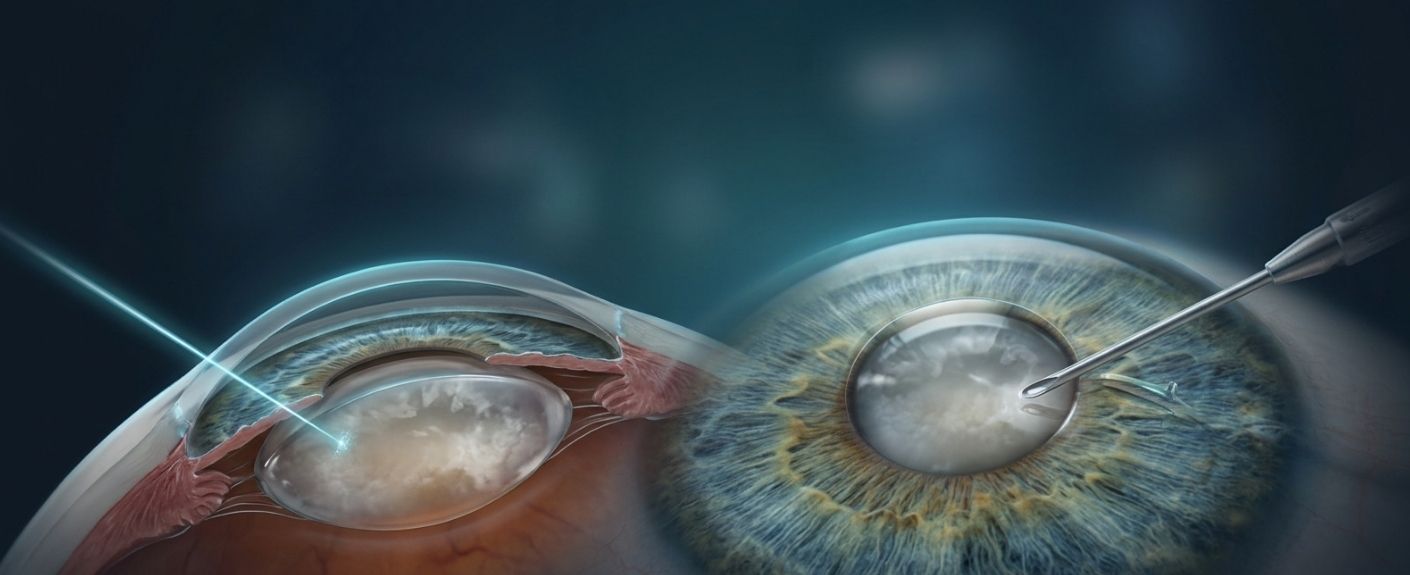


Cataract surgery is a life-changing procedure, offering the promise of restored vision.
Cataract surgery involves removing a clouded lens and replacing it with an artificial intraocular lens (also called an IOL) to improve your vision. There are different lens replacement options. Read on to know which lens is best for cataract surgery in India.
What is an intraocular lens implant?
An intraocular lens implant, also called an IOL, is a clear artificial lens made of a plastic-like material that replaces the natural cataract-affected lens inside the eye during the cataract surgery.
Types of intraocular lens (IOL)
There is a range of advanced intraocular lenses (IOLs) designed to meet diverse visual needs.
Monofocal lenses correct your vision for distance or for near.
- Monofocal lenses have a fixed focal point. This means they provide clear vision at near, intermediate, or distance vision. As a result, many patients require glasses after cataract surgery.
- Combining a clearer distance focus in one eye with a clearer focus at arms’ length is a good option if you have no strong preferences and had good vision in both eyes, with or without glasses before the cataracts developed.
- This option requires careful consideration and may not be suitable for all patients.
- The premium extended monofocal lens offers patients clear distance vision with enhanced intermediate functionality, minimising or eliminating the need for glasses for activities like using a computer or looking at your dashboard whilst driving.
Toric lenses reduce your astigmatism to help improve the quality of your vision.
- These are available for patients who have moderate to high astigmatism.
- A toric lens is made of the same material as a standard lens, but also incorporates astigmatism correction as well.
- The aim is to improve your vision so that the need for distance glasses is minimised but, as with standard lenses, you will still need to wear glasses for close up work.
- Toric lenses can be combined with monofocal, premium or trifocal lenses.
Trifocal lenses are specifically designed to provide clear vision at three distinct distances.
- These lenses have multiple focal points
- These are suitable for 3 distances
- Far distance: This allows for clear vision when looking at objects far away, such as road signs or a television.
- Intermediate distance: This is crucial for tasks at arm’s length, like using a computer, looking at your car’s dashboard, or viewing a tablet.
- Near distance: This enables sharp vision for close-up activities such as reading a book, using a mobile phone, or doing intricate craftwork
Which lens is right for me?
The best IOL lens for cataract in India depends on your needs. It all comes down to what you want in terms of improving your eyesight and lifestyle.
- If you’re comfortable wearing glasses after cataract surgery, a monofocal lens may be the right choice.
- If you want to avoid wearing distance glasses after cataract surgery and have astigmatism, a toric lens might be appropriate.
- A presbyopia-correcting lens may be best if you want to avoid wearing distance and reading glasses after cataract surgery.
- In some cases, other combinations of different lens implants are required to address specific eye health and lifestyle need
Considerations for choosing the right lens type and brand
Here are some important considerations to keep in mind while choosing IOL:
- Variety of lens types: monofocal, toric (for astigmatism), multifocal, extended depth of focus (EDoF), accommodating, adjustable lenses.
- Match your visual goals: match your needs (distance, reading, intermediate, low light) with the lens type and brand strengths.
- Global presence and regulatory approval: check for the availability in your country as well as the reputation for quality control.
- Patient outcomes and satisfaction: how often patients report clear vision, fewer halos and glare, and spectacle independence.
- Be realistic: premium lenses offer more results but come with trade-offs.
- Understand contingencies: what if you need adjustments, or partial correction later?
Is the surgery performed differently based on the type of lens you choose?
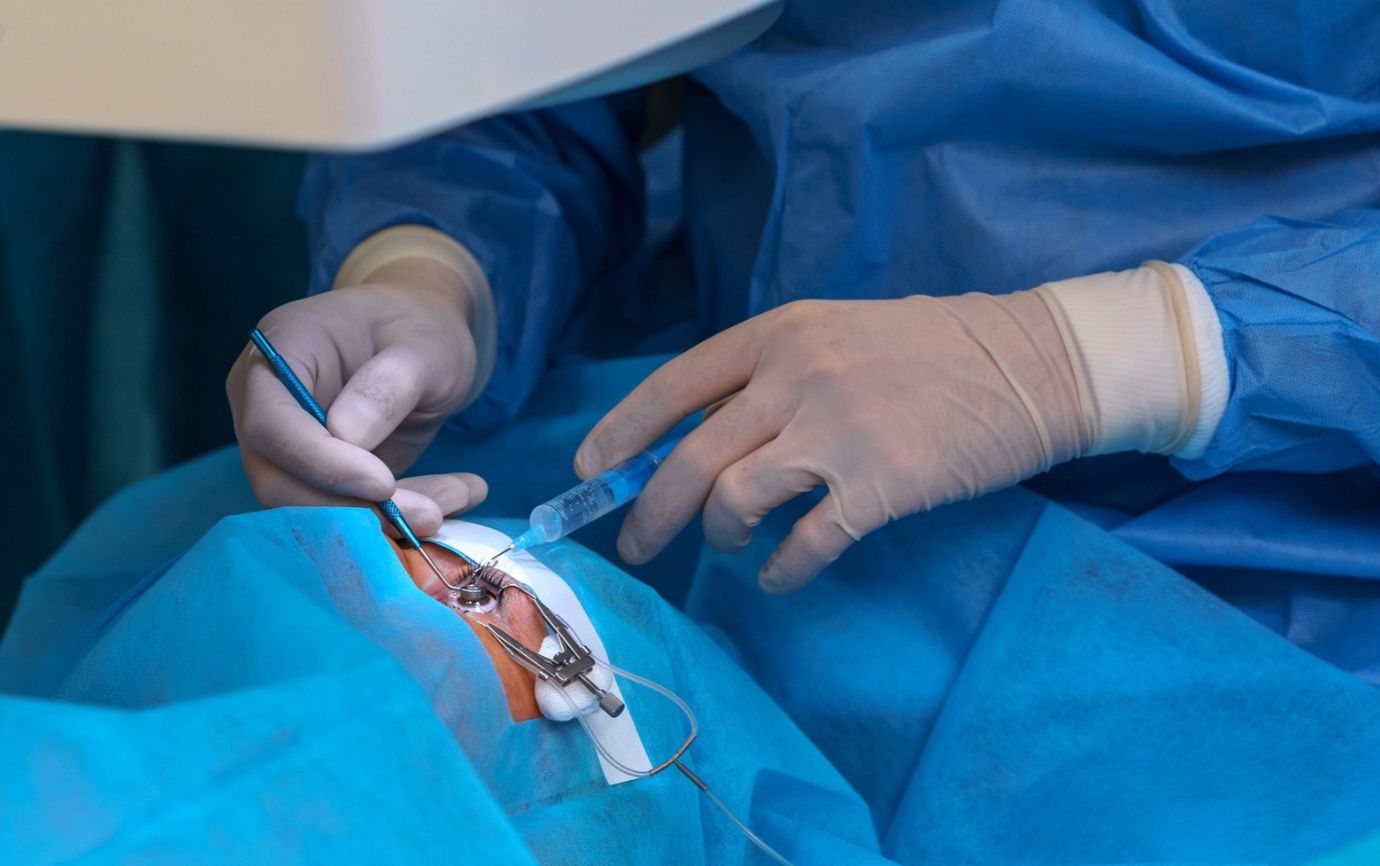
Cataract surgery is the same no matter which IOL you select, but surgeons can use one of two approaches.
In traditional cataract surgery, your eye surgeon uses a thin blade to make incisions in your eye, removes the cataract, and replaces it with the artificial lens.
In laser-assisted cataract surgery, the surgeon uses a laser to make the incisions, which allows for more precision and safety. The surgeon then removes the cataract and replaces it with the artificial lens. Laser-assisted surgery can also reduce astigmatism, which is harder to achieve with traditional surgery. It’s important to note that insurance plans don’t cover laser surgery for cataracts.
What to Ask Your Surgeon
Before choosing the right IOL for you, here are a list of questions that you can ask your surgeon
- Ask which specific model they recommend and why, based on your eye measurements.
- Inquire about your visual goals: distance only? Intermediate tasks (computer)? Reading?
- Ask about risks: halo, glare, contrast loss, or needing glasses.
- Check whether the lens brand and model is available in your country or region.
- Consider how flexible the lens is to residual errors
- Consider cost vs benefit: premium lenses cost more; does the added value fit in your budget?
Common Myths When Choosing an IOL
There are a few myths about IOLs that you may have come across. However, it is important to know the facts while considering getting IOLs for yourself or loved ones.
| S. No. | Myth | Fact |
| 1. | The most expensive lens is always the best. | You need a lens that can deliver excellent results based on your needs |
| 2. | If I pick an IOL, I’ll never need glasses again. | It depends on the type of IOL. Night vision, contrast, and residual refractive error play roles in this. |
| 3. | Standard IOLs are suitable for everyone. | There isn’t a single “best” IOL that is suitable for everyone, as each has strengths in different areas |
Book Your Personalised Cataract Lens Consultation
You should consult with Surya Eye Clinic for the best IOL lens for cataract in India due to the following reasons:
- Transparent advice: We walk you through every lens option with your vision goals in mind: no pressure, just clarity.
- State-of-the-art technology: We use advanced diagnostics and lasers to guide lens selection and placement.
- Experienced surgeons: Our specialists have extensive experience with different lenses, ensuring every patient receives impeccable care.
FAQs
Which lens is best for cataract surgery in India?
There is no single best cataract lens for everyone. The right IOL depends on your eye health, astigmatism, lifestyle, visual requirements, budget, and whether you want to reduce your dependence on glasses after surgery.
How long does an IOL last after cataract surgery?
An intraocular lens is designed to remain permanently inside the eye and normally does not need routine replacement. The cataract itself also cannot return because the natural cloudy lens has been removed during surgery.
Which cataract lens is best if I do not want to wear glasses after surgery?
Presbyopia-correcting lenses, such as multifocal, trifocal or certain EDOF lenses, may reduce dependence on glasses for different distances. However, complete spectacle independence cannot be guaranteed, and not every patient is suitable for these lenses.
Which cataract lens is best for patients with astigmatism?
Toric IOLs are specifically designed to correct corneal astigmatism along with the vision correction provided during cataract surgery. Your surgeon will determine whether a toric lens is appropriate based on pre-operative measurements.
What is the difference between monofocal, trifocal and EDOF lenses?
Monofocal lenses primarily focus at one distance, while trifocal lenses are designed for near, intermediate and distance vision. EDOF lenses provide an extended range of vision, particularly across distance and intermediate ranges.
Are expensive or premium IOLs always better than standard cataract lenses?
No. A more expensive lens is not automatically the best choice. Premium IOLs offer additional visual features, but the most suitable lens is the one that matches your eye condition, visual goals and lifestyle requirements.
Can everyone choose a multifocal or trifocal lens?
No. Multifocal or trifocal IOLs may not be suitable for every patient. Your surgeon will assess the cornea, retina, optic nerve and other aspects of eye health before determining whether an advanced IOL is appropriate.
How does an eye surgeon decide which IOL is best for me?
The surgeon considers detailed eye measurements, existing eye conditions, astigmatism, preferred working and reading distances, night-vision requirements and your expectations regarding glasses before recommending an appropriate IOL.
Get expert guidance on lens choices, surgery planning and the approach suited to your vision needs.