


Strabismus and squint refer to the same eye condition, where the eyes do not align properly. One eye may turn inward, outward, upward, or downward while the other focuses normally. Doctors commonly use the medical term “strabismus,” while “squint” is more frequently used in everyday language.
Many adults develop strabismus later in life due to nerve problems, muscle weakness, trauma, or untreated childhood eye conditions. Early diagnosis helps prevent double vision and long-term visual discomfort.
Modern treatment options can improve both eye function and cosmetic appearance. If you notice eye misalignment or persistent double vision, consulting an experienced ophthalmologist becomes important.
At Surya Eye Hospital, specialists evaluate eye muscle coordination carefully before planning treatment. Adults with persistent eye alignment issues should seek medical advice from a qualified eye doctor instead of ignoring symptoms.
What Is Adult Strabismus?
Adult strabismus refers to improper alignment of the eyes in people above 18 years. The eyes fail to focus on the same object simultaneously.
The condition may appear suddenly or progress slowly over time. Some adults had childhood squints that returned later, while others develop it because of neurological or muscular problems.
Different types of adult strabismus include:
- Esotropia: inward-turning eye
- Exotropia: outward-turning eye
- Hypertropia: upward deviation
- Hypotropia: downward deviation
The brain receives two different visual images when the eyes remain misaligned. This mismatch can lead to:
- Double vision
- Eye strain
- Poor depth perception
- Headaches
- Difficulty focusing
Many adults also experience emotional distress because eye misalignment affects facial appearance and confidence.
What Are the Common Strabismus Causes in Adults?
Common strabismus causes include nerve palsy, diabetes, thyroid eye disease, trauma, and stroke. Some adults develop eye misalignment because the eye muscles gradually weaken with age.
Adults may develop esotropia suddenly or gradually. Among the important causes of esotropia in adults are sixth nerve palsy and age-related eye muscle weakness.
Common strabismus causes include:
- Diabetes-related nerve damage
- Stroke
- Head injury
- Thyroid eye disease
- Brain tumors
- Myasthenia gravis
- Uncontrolled high blood pressure
- Previous eye surgery
- Childhood squint recurrence
What Are the Main Strabismus Symptoms?
Strabismus symptoms include visible eye misalignment, double vision, headaches, and difficulty focusing. Symptoms may vary depending on the severity and underlying cause.
Adults usually notice symptoms more clearly than children because the brain struggles to suppress double images.
Common strabismus symptoms include:
- Double vision
- Eye strain
- Headaches
- Difficulty reading
- Poor depth perception
- Frequent squinting
- Tilting the head for clearer vision
- Fatigue during screen use
Some adults develop dizziness or imbalance because the eyes fail to coordinate properly.
Warning Signs That Need Immediate Attention
Sudden eye deviation with neurological symptoms requires urgent care. It may indicate stroke or nerve involvement.
Seek medical help immediately if strabismus appears alongside:
- Severe headache
- Facial weakness
- Slurred speech
- Loss of balance
- Sudden vision loss
An experienced Surya Eye Hospital specialist can evaluate these symptoms thoroughly using advanced diagnostic tools.
How Is Adult Strabismus Diagnosed?
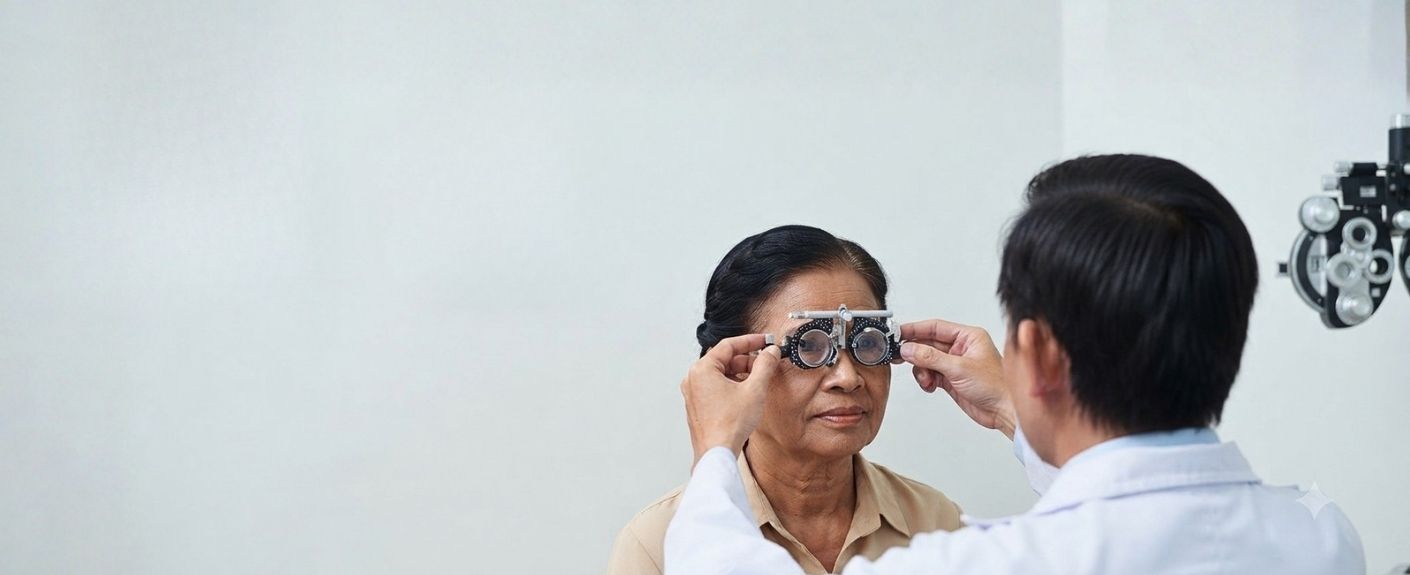
Doctors diagnose adult strabismus through detailed eye alignment and neurological examinations. The evaluation identifies both the type and the underlying cause.
Diagnosis usually includes:
- Vision testing
- Eye movement assessment
- Prism testing
- Retinal examination
- Neurological evaluation
- Imaging scans if needed
MRI or CT scans help identify nerve compression, stroke, or brain abnormalities in complex cases.
Tests Commonly Used for Adult Strabismus
| Test | Purpose |
| Cover test | Detects eye deviation |
| Prism test | Measures misalignment severity |
| Eye movement exam | Evaluates muscle function |
| Refraction test | Identifies focusing errors |
| MRI/CT scan | Detects neurological causes |
A proper diagnosis helps create a personalized treatment plan.
What Are the Available Strabismus Treatment Options?
Strabismus treatments range from non-surgical options like corrective eyeglasses, prism lenses, and eye patching to surgical muscle repositioning. The primary goal is to realign the eyes, improve depth perception, and preserve or restore binocular vision.
Non-Surgical Treatments
- Eyeglasses or Contact Lenses: It is usually the first line of defense. If the eye misalignment is caused by uncorrected vision issues (like farsightedness), corrective lenses may straighten the eyes naturally by reducing the focusing effort.
- Prism Lenses: Specialized lenses that bend light before it reaches the eye. These do not fix the physical eye position but can alleviate double vision by shifting the image to where the misaligned eye is looking.
- Eye Patching or Atropine Drops: Used primarily to treat amblyopia (lazy eye), which frequently occurs alongside strabismus. Patching or blurring the stronger eye forces the brain to use and strengthen the weaker eye.
- Vision Therapy / Orthoptics: A structured program of eye exercises designed to train the eyes and brain to coordinate effectively. It is highly effective for specific conditions like convergence insufficiency.
- Botulinum Toxin (Botox) Injections: A doctor may inject Botox into an overactive eye muscle to temporarily weaken it, which can allow the opposing muscle to pull the eye into correct alignment.
Surgical Options
- Strabismus Surgery: When non-surgical methods are insufficient, a surgeon can adjust the length or position of the extraocular eye muscles. This outpatient procedure involves detaching and moving the muscle to weaken or strengthen its pulling power.
- Adjustable Sutures: Commonly used in adults, this involves tweaking the stitches in the eye muscles shortly after surgery (under local anesthesia) to achieve precise alignment.
Most adults recover within a few weeks after surgery. Some patients may still need glasses or additional therapy later.
Patients searching for a reliable eye hospital in Mumbai can visit Surya Eye Hospital to discuss advanced surgical options with experienced ophthalmologists.
Can Glasses Improve Strabismus in Adults?
Strabismus glasses may help adults manage mild alignment problems and double vision. These glasses use prisms to redirect light properly.
Prism lenses do not cure the condition permanently, but they improve daily visual comfort.
Benefits of prism-based glasses include:
- Reduced double vision
- Better reading comfort
- Less eye strain
- Improved focus
Doctors recommend them mainly for mild muscle imbalance or temporary nerve-related strabismus. Adults with severe eye deviation may still require surgery for lasting correction.
Can Adult Strabismus Be Prevented?
Some cases cannot be prevented because neurological diseases and aging affect eye muscles naturally. However, managing medical conditions reduces the risk.
Preventive measures include:
- Controlling diabetes
- Managing blood pressure
- Regular eye check-ups
- Early treatment for thyroid disorders
- Immediate care after a head injury
People with a childhood squint history should continue periodic eye examinations in adulthood.
When Should You See an Eye Doctor?
Adults should consult an ophthalmologist if they notice persistent eye turning, double vision, or difficulty focusing. Sudden symptoms require urgent medical evaluation.
Seek professional care if you experience:
- Constant double vision
- New eye deviation
- Difficulty driving
- Frequent headaches
- Eye strain during reading
- Poor depth perception
Consulting an experienced eye specialist in Mumbai at Surya Eye Hospital ensures access to proper diagnosis, imaging, and surgical care if necessary.
Conclusion
Adult strabismus can affect vision, confidence, and daily activities. Early diagnosis improves treatment outcomes and helps identify serious underlying medical conditions.
Modern strabismus treatment includes prism glasses, vision therapy, Botox injections, and advanced eye muscle surgery. The right approach depends on the cause and severity of the condition.
If you notice eye misalignment or persistent double vision, consult an experienced ophthalmologist promptly. Timely care can improve both visual function and quality of life.
FAQs
Is adult strabismus a serious condition?
Adult strabismus can become serious if it develops suddenly or appears with neurological symptoms. Some cases indicate stroke, nerve palsy, or brain disorders. Persistent eye misalignment may also affect depth perception, balance, and daily activities. Early evaluation helps identify the underlying cause and prevents further complications.
Can stress cause strabismus in adults?
Stress alone does not directly cause strabismus, but it can worsen existing eye muscle imbalance. Severe fatigue and anxiety may increase eye strain and double vision temporarily. Adults with hidden muscle weakness sometimes notice symptoms more during stressful periods or prolonged screen exposure.
Get clear, personalized guidance on your symptoms, diagnosis or recommended treatment.